Photography Cross Training: How Skills From One Genre Make You Sharper in All of Them

Photography Cross Training: How Skills From One Genre Make You Sharper in All of Them

Every Sunday morning I take a photo walk around Seattle. No agenda, no client, no shot list. I bring whatever camera feels right that week, sometimes my mirrorless kit, sometimes just my phone. What I’ve noticed over the years is that the weeks I’ve been shooting a lot of food or product work, my street portraits get sharper. Not technically sharper, sharper in the sense that I’m reading light faster, thinking about gesture more deliberately, framing with more intention.
Luxury Vehicle Design Shows Us What Photographers Should Learn About Innovation

Luxury Vehicle Design Shows Us What Photographers Should Learn About Innovation

Luxury Vehicle Design Shows Us What Photographers Should Learn About Innovation I’ve been thinking a lot lately about where innovation actually happens in our creative fields. Recently, I learned about Genesis’ new electric SUV flagship, and it got me reflecting on an important photography lesson: breakthrough moments often come from unexpected places. Why I’m Paying Attention to Car Design You might wonder why a photography website is discussing vehicles. Here’s my perspective: understanding how luxury brands innovate teaches us something crucial about visual storytelling.

How to Shoot Lifestyle Photos That Actually Feel Alive (Not Like Ads)

How to Shoot Lifestyle Photos That Actually Feel Alive (Not Like Ads)

I had a client ask me once why their product photos looked “too perfect.” At first I thought that was a strange complaint. But I knew exactly what they meant. The images were clean, well-lit, technically correct, and completely soulless. Nobody looked at them and thought, I want to be in that moment. They looked at them and thought, that’s a shoe. That gap, between a product shot and a lifestyle shot, is something I’ve spent years learning to close.

Stop Overthinking It: How William Patino Shoots and Edits with Joyful Simplicity

Stop Overthinking It: How William Patino Shoots and Edits with Joyful Simplicity

Forest photography is one of those situations that can absolutely paralyze you. There’s too much going on, the light changes every thirty seconds, and every direction you point the camera feels like both a great idea and a terrible one simultaneously. I know that feeling well. I once spent four days in Olympic National Park circling the same grove of trees, convinced that if I just waited long enough, everything would click into place.

5 Photography Habits That Will Change How You See a Shot (Based on Peter McKinnon's Best Advice)

5 Photography Habits That Will Change How You See a Shot (Based on Peter McKinnon's Best Advice)

Every Sunday morning I take a photo walk through my neighborhood in Seattle. No agenda, no client, no pressure. Just me and whatever camera I feel like carrying that day, sometimes my mirrorless, sometimes honestly just my phone. And even after years of shooting professionally, I still catch myself falling into lazy habits: same eye level, same angle, same safe composition. Which is exactly why I sat down with this Peter McKinnon tutorial a while back and ended up taking notes like I was back in school.

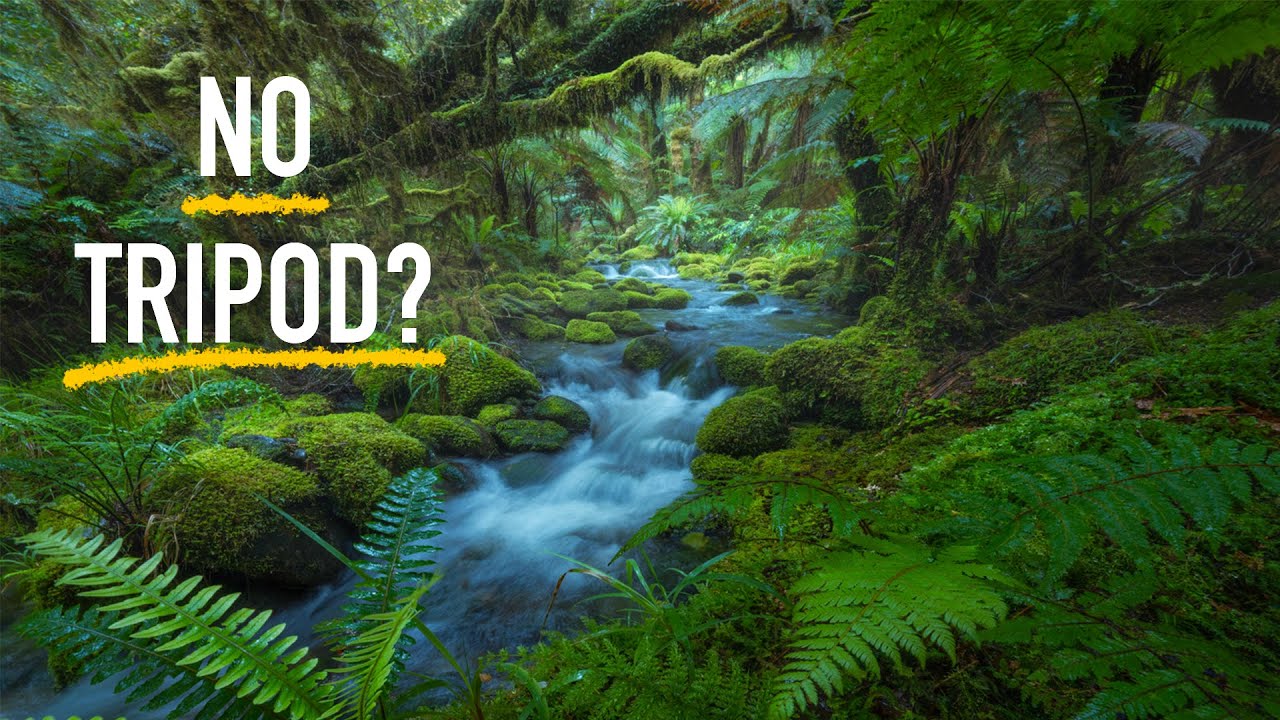
How to Photograph Rainforest Waterfalls in Bad Weather (And Why You Should Go Anyway)

How to Photograph Rainforest Waterfalls in Bad Weather (And Why You Should Go Anyway)

I once spent an entire vacation chasing a single waterfall shot. Every evening, my dinner went cold while I crouched in wet boots adjusting my tripod by millimeters. My family thought I’d lost my mind. But here’s the thing I kept trying to explain: waterfalls only look that good after heavy rain. The flow is fuller, the rocks are slick and dark, the ferns are dripping and lush. The miserable conditions are the whole point.

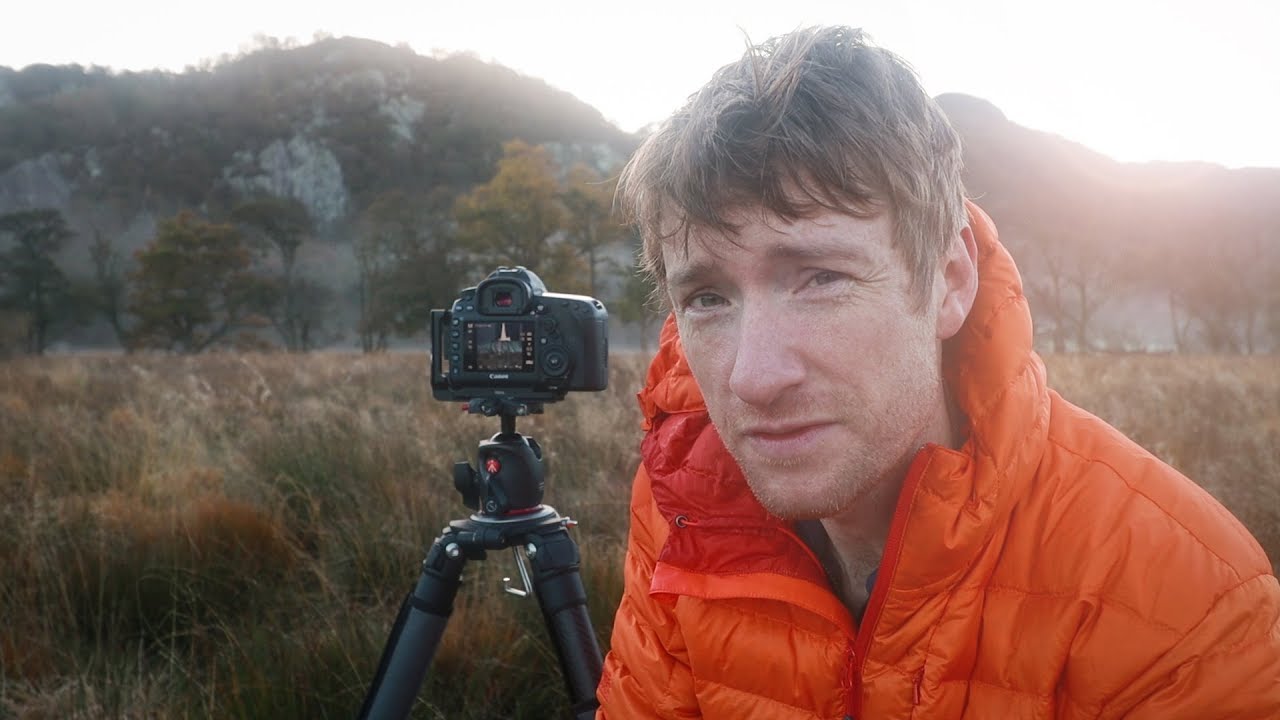
How to Read Light in the Field: Lessons from a Day of Autumn Landscape Photography

How to Read Light in the Field: Lessons from a Day of Autumn Landscape Photography

Every Sunday morning I do a photo walk. It started as a way to stay sharp between paid shoots, but it’s turned into the single best thing I do for my photography. The problem I kept running into, especially in the early days, was showing up to a beautiful location and coming home with nothing. The light was fine, the scenery was there, but I had no framework for how to find a shot when one wasn’t obviously presenting itself.

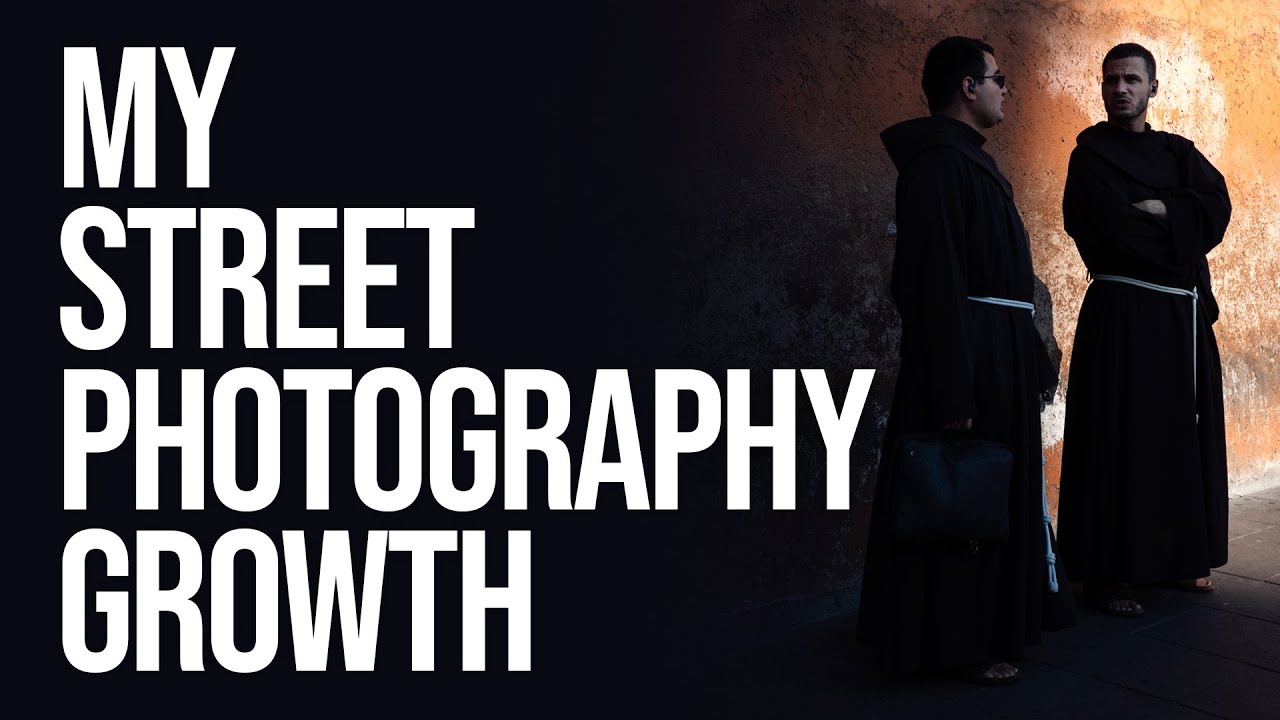
Feeling Stuck in Your Street Photography? Here's How Sean Tucker Is Working Through It

Feeling Stuck in Your Street Photography? Here's How Sean Tucker Is Working Through It

Every photographer I know has hit a wall at some point. Not a gear wall or a technical wall, but the quieter, more frustrating kind: you’ve found something that works, people respond to it, and then you realize you’ve stopped growing. That’s the wall I kept running into last year. My Sunday morning photo walks started feeling like I was just executing the same three compositions over and over. I knew what I was doing, which was exactly the problem.

5 Landscape Photography Lessons I Took From William Patino's Year-End Breakdown

5 Landscape Photography Lessons I Took From William Patino's Year-End Breakdown

There’s a specific kind of frustration I know well: standing in front of a genuinely beautiful scene, something that makes your chest feel full, and walking away with a flat, disconnected image that doesn’t come close to what your eyes saw. For me it usually happens near water. I’ll be on one of my Sunday morning photo walks here in Seattle, the light is doing something incredible over the sound, and I fumble through my settings trying to hold onto it.

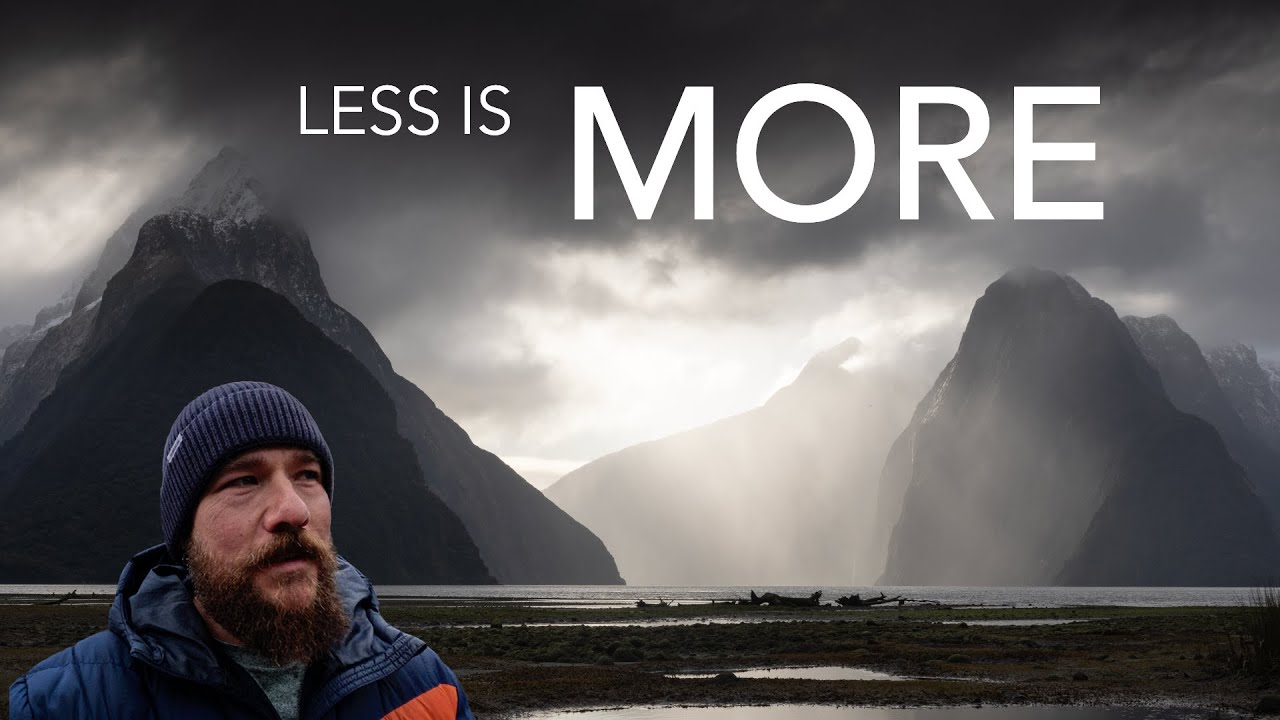
How to Read a Landscape and React to the Light: Lessons from a Fiordland Boat Expedition

How to Read a Landscape and React to the Light: Lessons from a Fiordland Boat Expedition

There’s a trap a lot of photographers fall into on location, myself included: waiting for the “perfect” conditions before picking up the camera. Clear skies, golden hour, no wind. I spent an entire vacation once chasing a single waterfall shot in the Cascades, convinced I needed ideal light. I missed dinner three nights in a row and came home with maybe two frames I actually liked. What I should have been doing was working with whatever the landscape was handing me.

How to Shoot a Year's Worth of Keepers: Lessons from Thomas Heaton's Behind-the-Scenes Calendar Project

How to Shoot a Year's Worth of Keepers: Lessons from Thomas Heaton's Behind-the-Scenes Calendar Project

There’s a particular kind of pressure that comes with committing to a long-term photography project. I felt it when I challenged myself to shoot a “best of the year” collection for the first time - suddenly every outing felt like it either counted or didn’t, and I started second-guessing compositions I would have just shot freely before. What I needed wasn’t more gear advice. I needed to see how a working landscape photographer actually makes decisions in the field, across different locations, different seasons, different light.

How to Kill Decision Fatigue and Actually Go Shoot (A Lesson from Thomas Heaton)

How to Kill Decision Fatigue and Actually Go Shoot (A Lesson from Thomas Heaton)

Every Sunday morning I grab my camera and go for a walk with no destination in mind. It’s my favorite ritual. But even with that loose structure, I still sometimes stand in my kitchen at 6am, coffee in hand, completely frozen. The weather is good, the light is coming, and I cannot decide where to go. It sounds absurd when I type it out, but decision fatigue is real, and it quietly kills more potential photo sessions than bad weather ever does.