Every Sunday morning I do a photo walk through my neighborhood in Seattle. For the first two years of that tradition, I would come home with zero street shots. Not because the streets were empty, but because every time someone walked into a potentially great frame, I’d lower my camera. That familiar knot in the stomach, the “what if they get angry” spiral, and the shot was gone before I’d even decided whether to take it.
If that sounds familiar, this one is for you. In this Sean Tucker tutorial, Watch the full tutorial on YouTube, Tucker reframes the entire problem in a way that actually unstuck me. He’s not telling you to push through the discomfort and go full Vivian Maier. He’s telling you that your discomfort might actually be pointing you toward a better style of street photography, one built around light, geometry, and anonymity rather than documenting identifiable strangers.
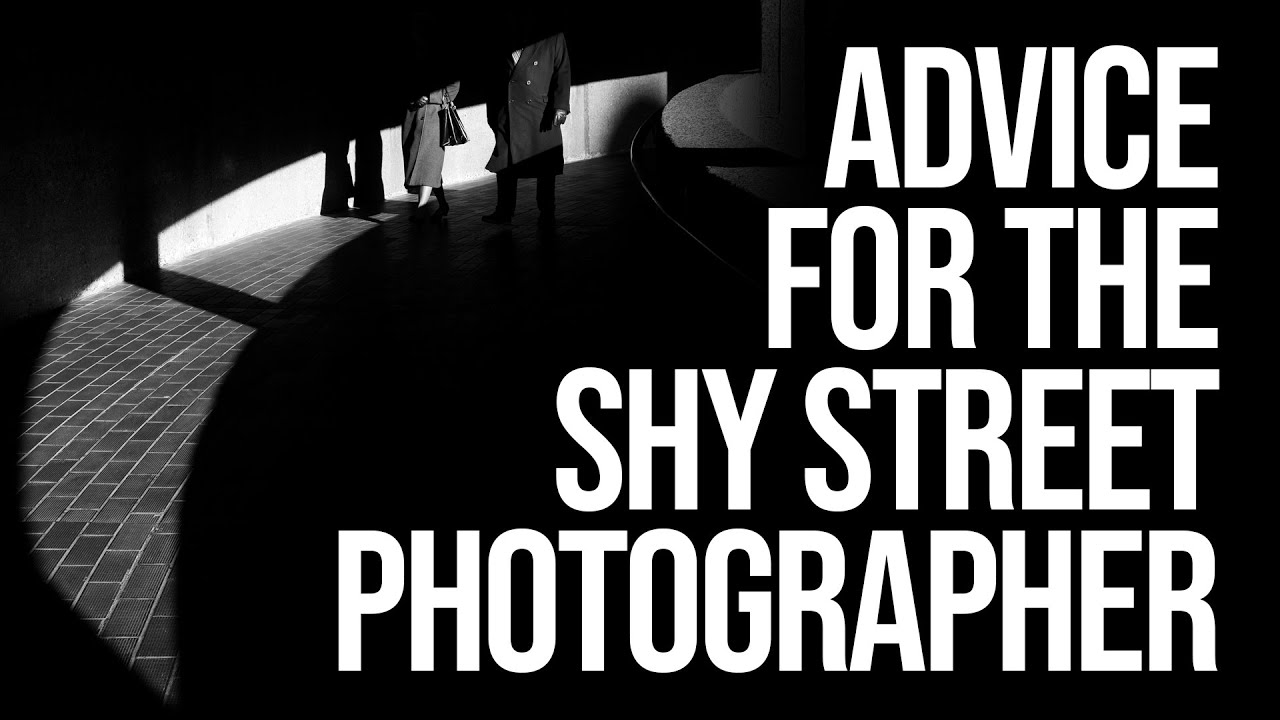
The video centers on one specific image Tucker captured while being filmed by a friend. Watching him work through the scene in real time, and then hearing him unpack the decisions afterward, gives you a rare look at how a working photographer thinks on his feet. Here’s the breakdown.
Step 1: Recognize the Scene Before the Subject Arrives
 Tucker standing quietly at a dimly lit street location
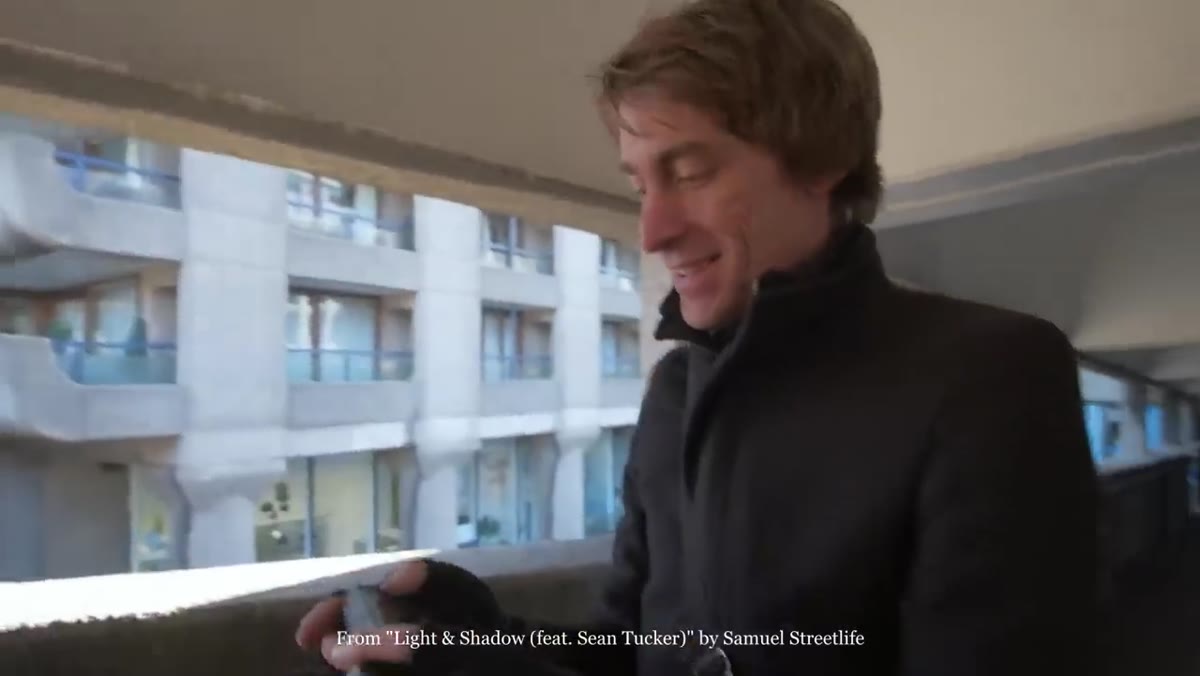
Before a single person walks into Tucker’s frame, he’s already positioned himself and assessed the scene. The location is quiet, almost empty, and he says out loud that he’ll keep coming back to it. This is the core discipline of what street photographers call “fishing” - you identify a compelling composition first and then wait for something to move through it.
Tucker standing quietly at a dimly lit street location
Before a single person walks into Tucker’s frame, he’s already positioned himself and assessed the scene. The location is quiet, almost empty, and he says out loud that he’ll keep coming back to it. This is the core discipline of what street photographers call “fishing” - you identify a compelling composition first and then wait for something to move through it.
When you’re out shooting, train yourself to look for pools of light, strong geometric lines, or high-contrast patches of shadow before you look for subjects. Ask yourself: if nothing walked through this frame right now, would the scene still have structure? If the answer is yes, you’ve found a good fishing spot.
Step 2: Find Your Frame and Lock Your Exposure
 Tucker composing the empty street scene with dramatic light
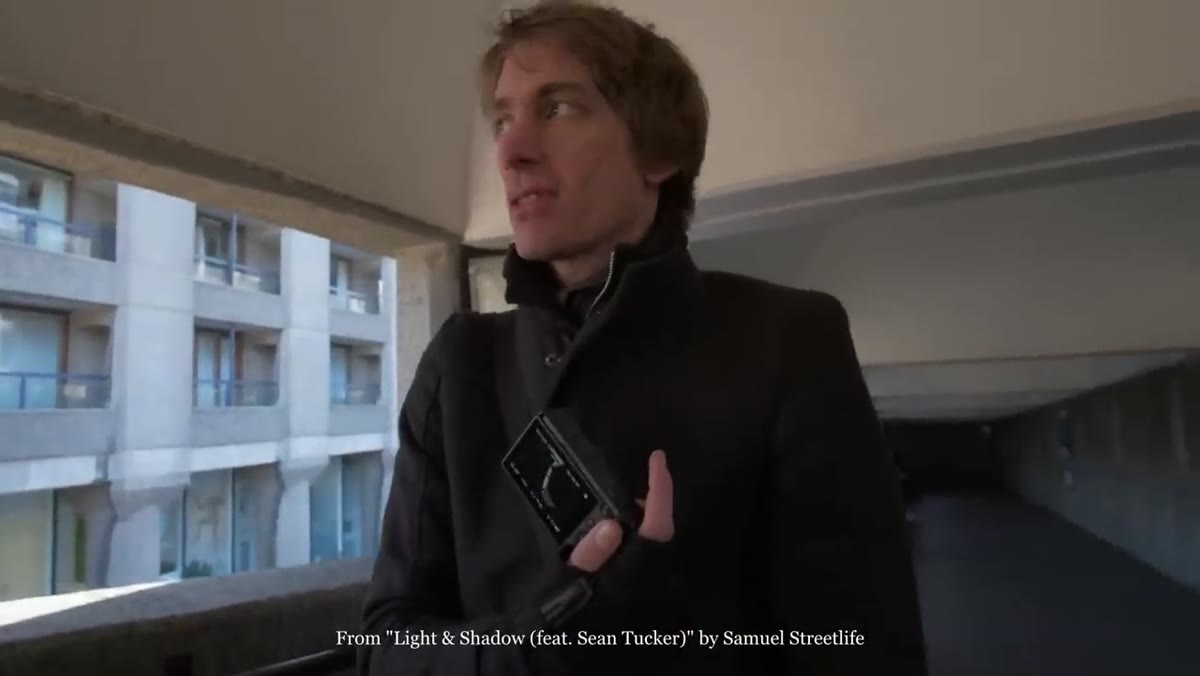
Once Tucker has identified the scene, he commits to the composition before anyone appears. This is the step most beginners skip because it feels backwards. We’re conditioned to find the person first and then figure out the framing. But when you’ve already locked your frame, you remove the hesitation that costs you the shot.
Tucker composing the empty street scene with dramatic light
Once Tucker has identified the scene, he commits to the composition before anyone appears. This is the step most beginners skip because it feels backwards. We’re conditioned to find the person first and then figure out the framing. But when you’ve already locked your frame, you remove the hesitation that costs you the shot.
Set your exposure for the light in the scene, not for a hypothetical subject. If you’re shooting a shaft of sunlight cutting through a shaded alley, expose for the highlights so that beam stays bright and defined. Anything that walks through will fall into that exposure naturally, and the light will do the storytelling for you.
Step 3: Use Anonymity as a Creative Tool, Not a Limitation
 Tucker reviewing image showing figures without visible faces
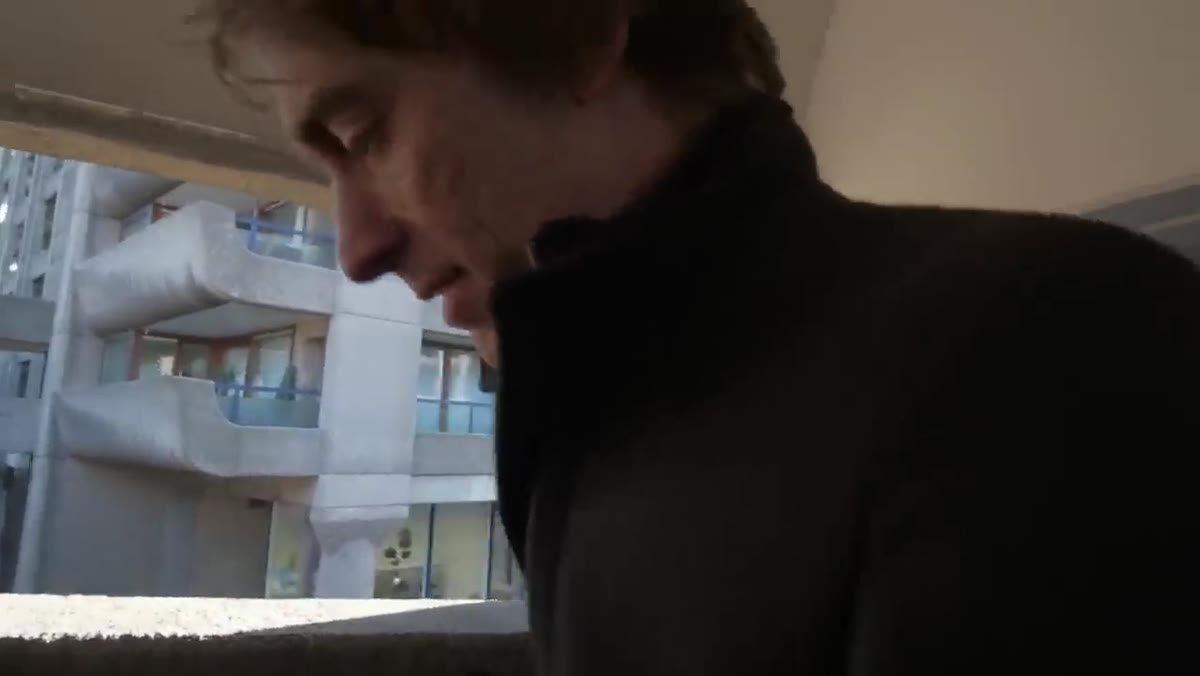
When Tucker reviews the shot he’s captured, the thing he gets genuinely excited about is that the people in the frame have no visible faces. A stripe of light cuts across their clothing. You can read their silhouettes, their posture, the texture of their coats and gloves, but you cannot identify them. He doesn’t frame this as a compromise. He frames it as mystery.
Tucker reviewing image showing figures without visible faces
When Tucker reviews the shot he’s captured, the thing he gets genuinely excited about is that the people in the frame have no visible faces. A stripe of light cuts across their clothing. You can read their silhouettes, their posture, the texture of their coats and gloves, but you cannot identify them. He doesn’t frame this as a compromise. He frames it as mystery.
Shooting into strong backlight, composing so faces fall in shadow, or placing subjects against bright windows are all practical techniques for building anonymity into your image. These aren’t workarounds for the shy photographer. They’re compositional choices that add a timeless, universal quality to street work, because a faceless figure could be anyone, which means the viewer projects themselves into the scene.
Step 4: Let People Walk Into Your Frame (Don’t Follow Them Into It)
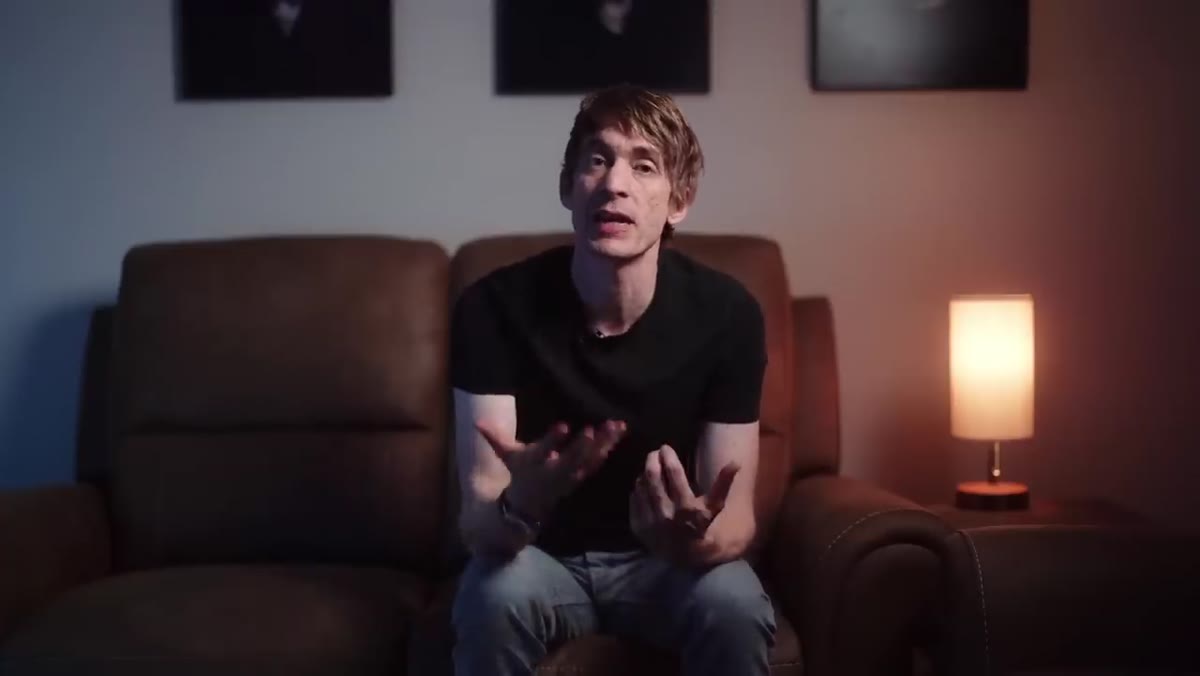 Tucker explaining the dynamic of being present before subjects arrived
Tucker makes an observation here that genuinely changed how I think about street photography and confrontation. The people who walked through his shot didn’t react negatively. His explanation is simple: he was there first. They could see he was photographing a scene, not stalking them specifically. In their reading of the situation, they walked through his shot, not the other way around.
Tucker explaining the dynamic of being present before subjects arrived
Tucker makes an observation here that genuinely changed how I think about street photography and confrontation. The people who walked through his shot didn’t react negatively. His explanation is simple: he was there first. They could see he was photographing a scene, not stalking them specifically. In their reading of the situation, they walked through his shot, not the other way around.
This flips the social dynamic entirely. When you position yourself at a scene and wait, passersby intuitively understand that the location is your subject. You are not chasing them. That shift in context removes most of the tension that makes street photography feel aggressive. You’re not a hunter tracking prey. You’re a photographer who found something interesting and is giving the world a chance to move through it.
Step 5: Understand Whether You’re a Hunter or a Fisher
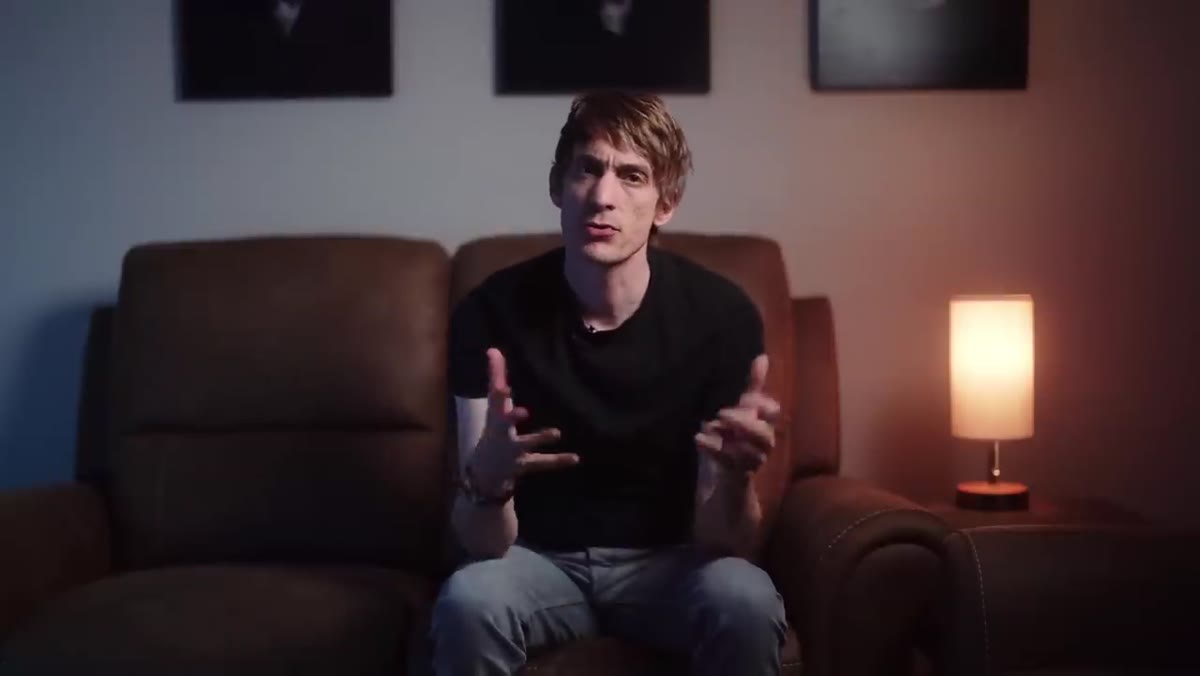 Tucker describing the two street photography archetypes
Tucker lays out the two fundamental archetypes of street photography in clear terms. The hunter pursues interesting subjects. They follow characters, they anticipate behavior, they care less about controlling the background or the light because the person is the subject. Think classic documentary street work.
Tucker describing the two street photography archetypes
Tucker lays out the two fundamental archetypes of street photography in clear terms. The hunter pursues interesting subjects. They follow characters, they anticipate behavior, they care less about controlling the background or the light because the person is the subject. Think classic documentary street work.
The fisher hunts the scene. They find the light, lock the composition, and accept that they can’t fully control who moves through it. If you’re reading this article, you’re probably a fisher by temperament. That’s not a lesser style. Henri Cartier-Bresson talked about the decisive moment, but he also spent enormous time pre-visualizing scenes and waiting for the right element to complete them. Knowing which approach fits you means you stop trying to do the wrong kind of street photography and start getting better at the right kind.
What I’d Add From My Own Sunday Walks
The one thing Tucker doesn’t explicitly say but that I’ve found essential: give yourself a time budget per location. When I find a strong scene, I’ll give it ten to fifteen minutes. If nothing compelling moves through, I move on. This stops you from getting precious about a single spot and keeps you moving, which means you find more scenes overall.
I’d also say: shooting with your phone occasionally is genuinely useful practice for this style. There’s no gear to fuss with, so you’re forced to think purely about light and composition. Some of my best fishing-style frames came from mornings where I left the DSLR at home and just walked with my phone. The constraints push you toward the exact mindset Tucker is describing.
The single most important thing to take from Tucker’s approach is this: your discomfort with invasive street photography is not a flaw to overcome. It’s information about your creative instincts. Work with it. Build a style where the scene carries as much weight as the subject, where light does your storytelling, and where anonymity creates depth rather than limitation. The shy photographer doesn’t need to become a different kind of person. They need to become a better kind of fisher.
Watch the full tutorial on YouTube - Tucker’s real-time footage of himself working the scene is worth watching just to see how unhurried and deliberate the whole process actually is.
Comments
Leave a Comment