Why Technical Perfection Isn't Always the Goal in Photography

Why Technical Perfection Isn't Always the Goal in Photography

Rethinking What Makes a Great Photograph For years, I operated under a rigid set of photographic rules. Every image needed to be razor-sharp, perfectly exposed, grain-free, and free from any optical imperfections. I believed that technical mastery was the foundation of good photography, and I pursued it relentlessly. But looking back at my body of work, I’ve noticed something surprising: the photographs that resonate most with me—and with viewers—aren’t always the ones that check every technical box.

The Unexpected Path to Mastering Color Photography

The Unexpected Path to Mastering Color Photography

The Unexpected Path to Mastering Color Photography When I first heard that stepping away from color could actually improve my photography, I was skeptical. After all, isn’t color what makes photographs visually appealing? But after experimenting with this approach myself and watching countless photographers transform their work, I’ve come to understand why this counterintuitive practice is so powerful. Why Color Can Be a Crutch Here’s what I’ve observed: color is deceptively easy to rely on.

Street Photography Essentials: How to Capture Authentic Moments in Public Spaces

Street Photography Essentials: How to Capture Authentic Moments in Public Spaces

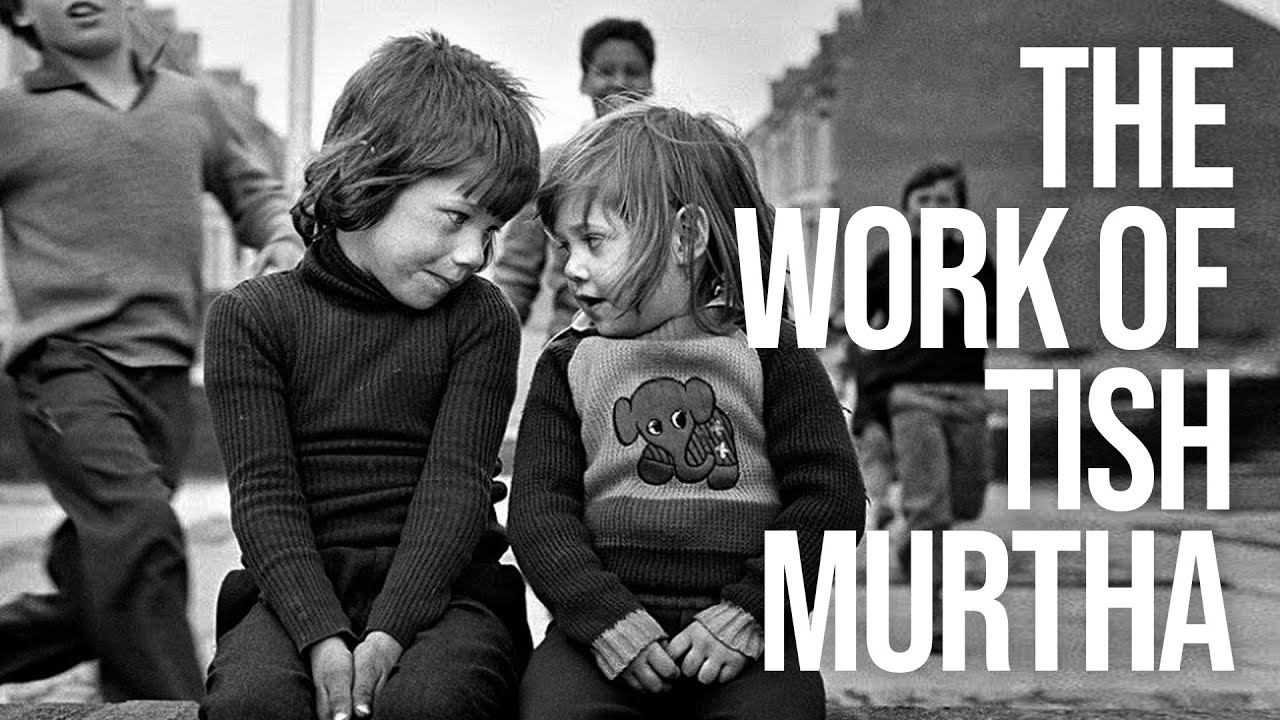
Street Photography Essentials: How to Capture Authentic Moments in Public Spaces Street photography has become my favorite way to explore the world. There’s something magical about capturing unscripted moments—a child’s laugh, the play of light on a wet sidewalk, or the interaction between strangers. If you’ve ever felt drawn to this style but weren’t sure where to start, I’m here to guide you through the fundamentals. Why Street Photography Matters Before diving into technique, I want to explain why this genre is so rewarding.

The Rule of Thirds and When to Break It

The Rule of Thirds and When to Break It

The rule of thirds is the first composition technique most photographers learn. It’s taught in every beginner photography class and mentioned in every introductory article. And for good reason — it works. But understanding why it works helps you know when to follow it and when to deliberately break it for a stronger image. How the Rule of Thirds Works Imagine dividing your frame into nine equal rectangles with two horizontal and two vertical lines, like a tic-tac-toe grid.

Master Landscape Photography: Essential Techniques for Stunning Outdoor Images

Master Landscape Photography: Essential Techniques for Stunning Outdoor Images

Master Landscape Photography: Essential Techniques for Stunning Outdoor Images Landscape photography drew me in because it promised something simple: go outside, point my camera at beautiful scenery, and capture what I see. What I quickly discovered was that translating what my eyes perceive into a compelling photograph requires intentional technique and planning. I’m here to share what I’ve learned so you can skip the frustrating early mistakes and start creating images you’re proud of.

Lessons in Extreme Photography: What NASA's Spacewalk Images Teach Us

Lessons in Extreme Photography: What NASA's Spacewalk Images Teach Us

Lessons in Extreme Photography: What NASA’s Spacewalk Images Teach Us When I first encountered NASA’s latest collection of spacewalk photographs, I was struck not just by their beauty, but by what they reveal about fundamental photography principles. These images—captured during recent maintenance work outside the International Space Station—demonstrate masterful technique under conditions most of us will never experience. Yet there’s so much we can learn from them. Understanding Composition in the Cosmos What impresses me most about these spacewalk photos is their compositional clarity.

10 Composition Techniques That Instantly Improve Your Photos

10 Composition Techniques That Instantly Improve Your Photos

Good composition is what separates a snapshot from a photograph. While the rule of thirds is a great starting point, it’s just one tool in a much larger toolkit. Here are ten composition techniques you can start using immediately. 1. Leading Lines Lines within your scene can guide the viewer’s eye toward your subject or through the frame. Roads, fences, rivers, bridges, architectural elements, even shadows — any line that draws the eye creates visual flow.