There is a specific kind of photograph I have almost never taken, and for years I told myself it was a style choice. I preferred quiet, graphic, geometry-forward street work. Clean lines, long shadows, anonymous silhouettes. Honestly, some of that is true. But if I’m being real, some of it was also avoidance. Getting close to strangers with a camera strapped around your neck is uncomfortable, and if you can build an aesthetic identity around not doing the scary thing, it’s easy to convince yourself you’re being intentional when you’re actually just being cautious.
That tension is exactly what Sean Tucker names in this tutorial, featuring street photographer Joshua K. Jackson. Tucker admits the same thing about himself - that his style has been shaped partly by a desire to sidestep confrontation. What Jackson offers in response is not a pep talk. It is a practical framework built around two specific, trainable skills: body language and intention. Watch the full tutorial on YouTube - it’s a calm, thoughtful conversation that I found myself rewatching on my Sunday photo walk last week, earbuds in, reminding myself to breathe and keep moving.
The advice in this video is not about becoming aggressive or confrontational. It is about removing the signals that make you look suspicious in the first place, and then replacing avoidance with a clear sense of purpose. Here is how Jackson breaks it down.
Step 1: Recognize That Shooting from the Hip Is a Confidence Substitute, Not a Solution
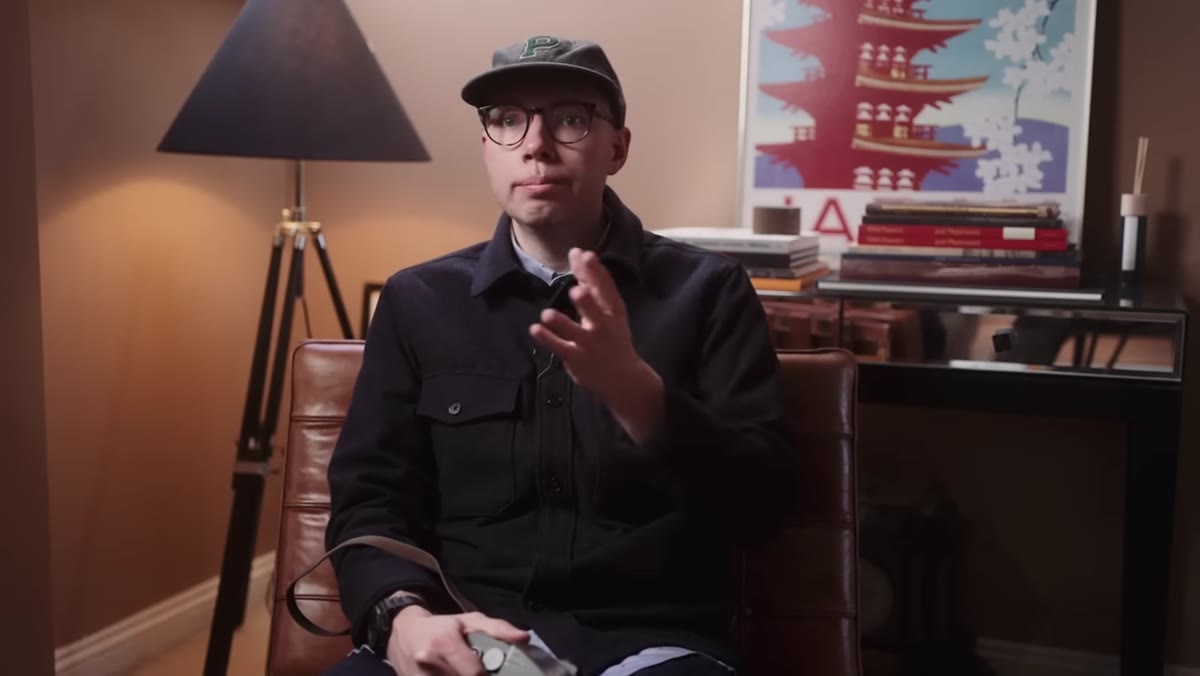
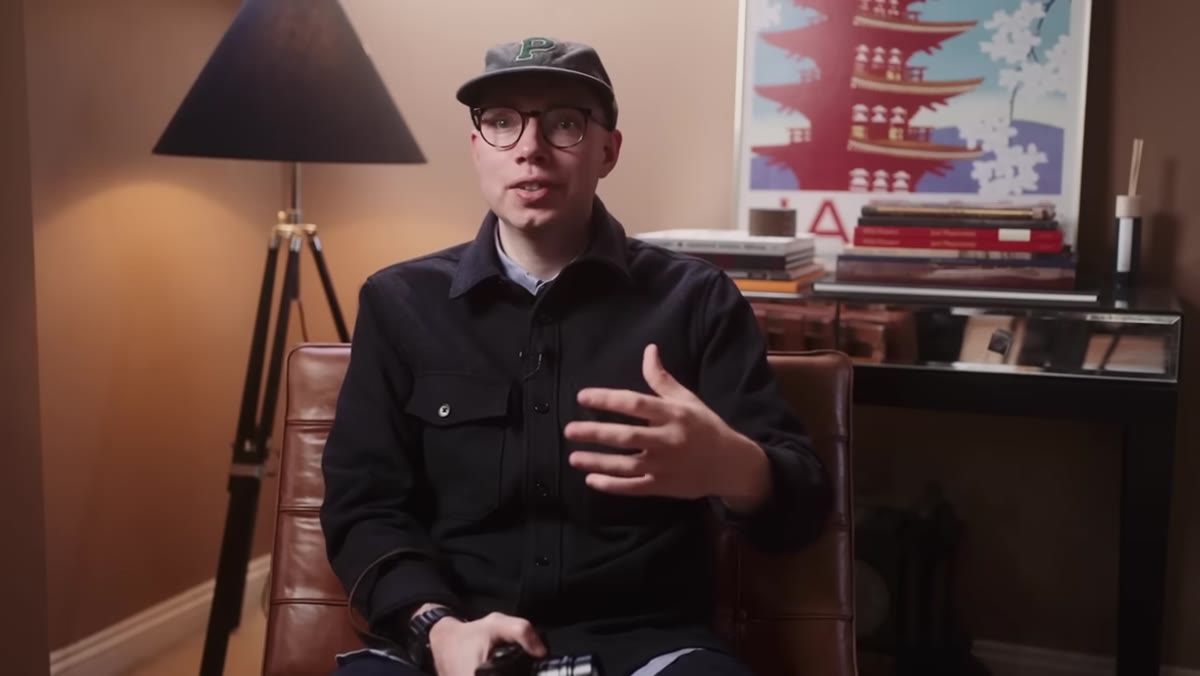 Joshua Jackson speaking candidly about early fear and instincts
When Jackson started shooting on the street, he turned to hip shooting - holding the camera low and firing without looking through the viewfinder - as a way to escape the anxiety. He quickly realized it felt dishonest. Not morally disqualifying, but creatively hollow. You lose compositional control, and you are still hiding, just with extra steps.
Joshua Jackson speaking candidly about early fear and instincts
When Jackson started shooting on the street, he turned to hip shooting - holding the camera low and firing without looking through the viewfinder - as a way to escape the anxiety. He quickly realized it felt dishonest. Not morally disqualifying, but creatively hollow. You lose compositional control, and you are still hiding, just with extra steps.
If you have been defaulting to hip shooting because it reduces anxiety, try treating it as a diagnostic flag rather than a technique. The discomfort you feel looking through the viewfinder is worth examining. It usually means you have not yet resolved your own internal permission to be there.
Step 2: Understand That Invisibility Is a Myth - Subtlety Is Not
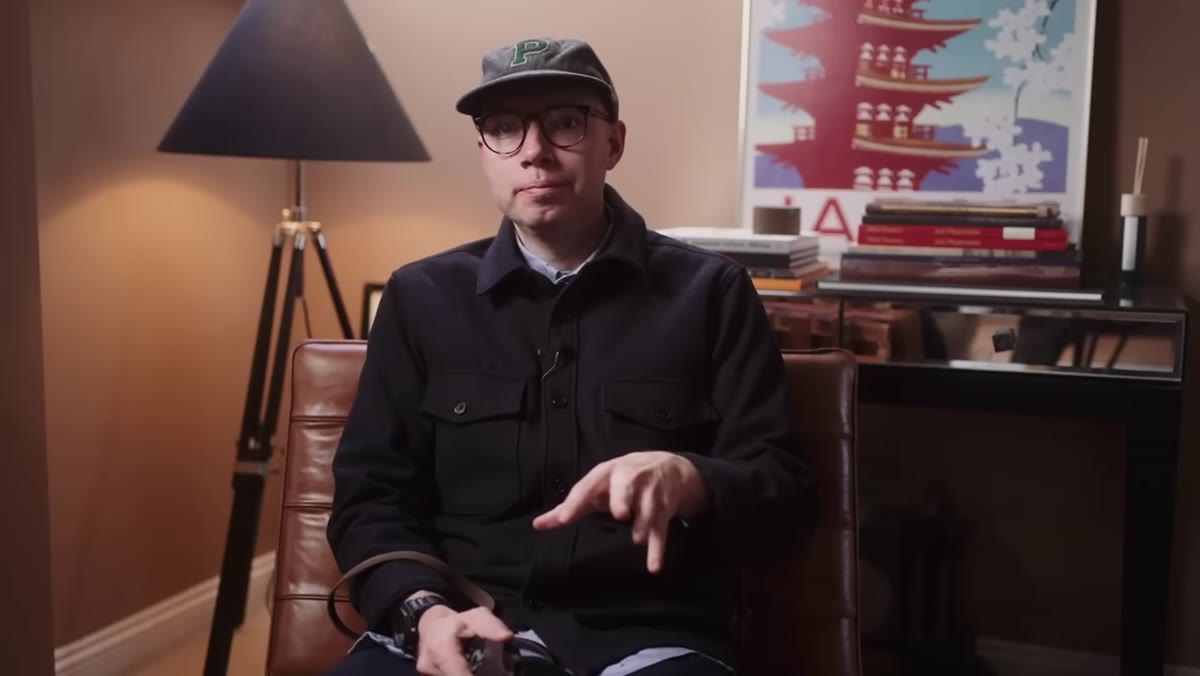 Jackson explaining the realist approach to being seen in public
Jackson makes a clean distinction that reframed things for me: you will never be invisible, but you do not need to be invisible. What you are actually trying to avoid is drawing attention to yourself - those specific behaviors that signal to people around you that something unusual is happening.
Jackson explaining the realist approach to being seen in public
Jackson makes a clean distinction that reframed things for me: you will never be invisible, but you do not need to be invisible. What you are actually trying to avoid is drawing attention to yourself - those specific behaviors that signal to people around you that something unusual is happening.
Think about what draws your own eye when you are walking through a city. It is usually something static, urgent, or out of place. A person standing still, staring at strangers, camera raised. That is the version of yourself you want to dissolve. The moving, relaxed, purposeful version is what you are building toward.
Step 3: Arrive at the Scene with the Camera at Your Side
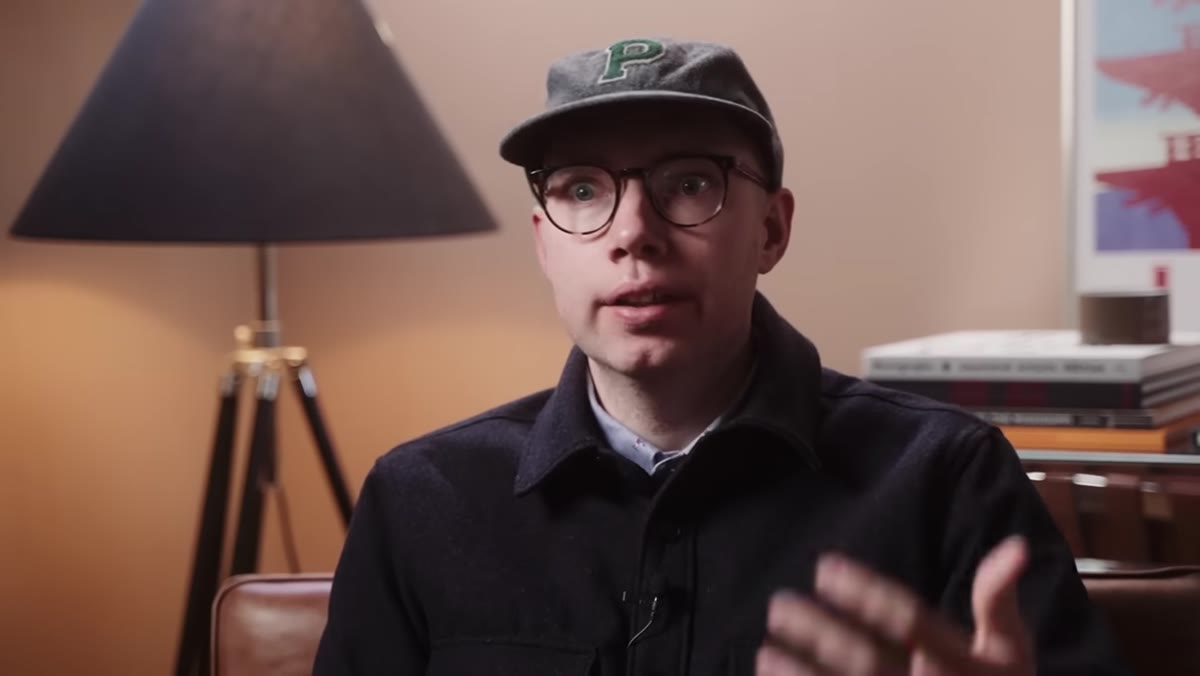 Description of relaxed camera positioning and facial expression while moving
The physical mechanics matter here. Jackson’s suggestion is simple: walk into a scene with your camera hanging at your side, not raised, not gripped conspicuously, not already pressed to your face. Keep your facial expression neutral and unhurried. You are a person moving through a city, not a person hunting for a shot.
Description of relaxed camera positioning and facial expression while moving
The physical mechanics matter here. Jackson’s suggestion is simple: walk into a scene with your camera hanging at your side, not raised, not gripped conspicuously, not already pressed to your face. Keep your facial expression neutral and unhurried. You are a person moving through a city, not a person hunting for a shot.
This sounds almost too simple, but try it on your next walk. Notice how differently people respond when you enter a space looking settled versus alert. The camera becomes part of you rather than a declaration.
Step 4: Keep Moving - Use Laps Instead of Stationary Staking
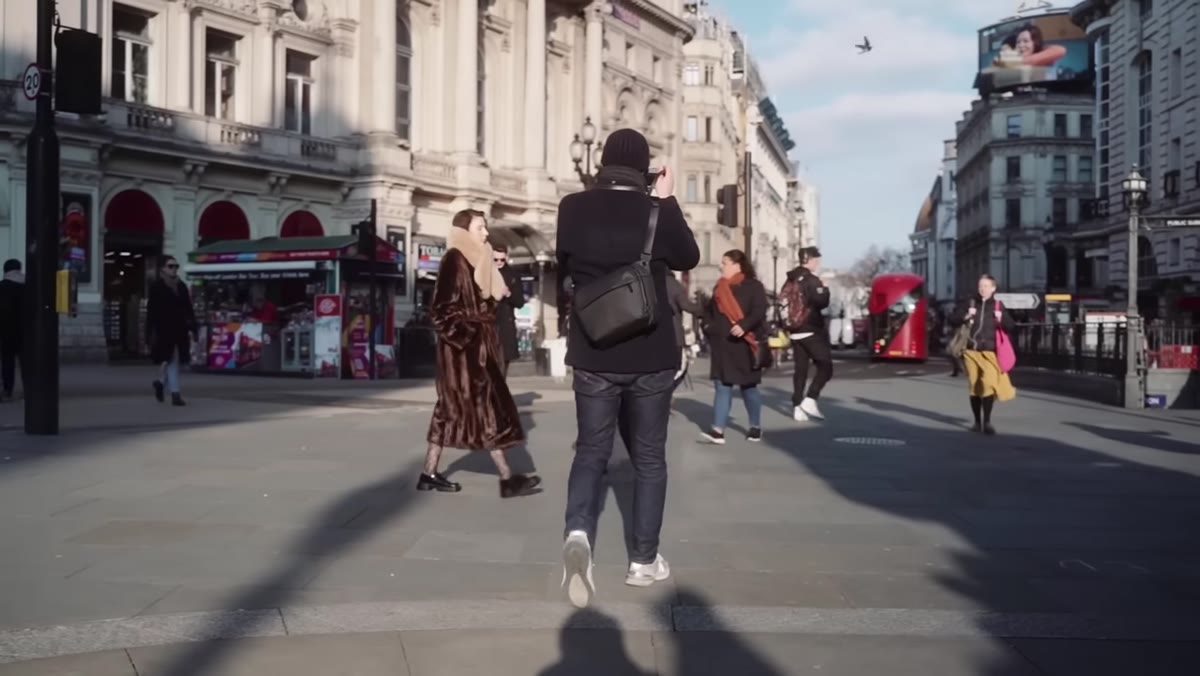
 Jackson describing perimeter walking and circling a scene like Piccadilly Circus
This is the piece of advice I have been thinking about the most. Jackson uses a phrase borrowed from photographer John Morowitz: “bruising the scene.” The idea is that staying planted in one spot for an extended period turns you into something static in an environment that is all motion. People notice static things. They start to wonder about you.
Jackson describing perimeter walking and circling a scene like Piccadilly Circus
This is the piece of advice I have been thinking about the most. Jackson uses a phrase borrowed from photographer John Morowitz: “bruising the scene.” The idea is that staying planted in one spot for an extended period turns you into something static in an environment that is all motion. People notice static things. They start to wonder about you.
Jackson’s solution is to keep moving within a defined area. He describes working a place like Piccadilly Circus by walking the perimeter first, then spiraling inward, then moving back out. Laps, not posts. You are constantly changing your vantage point, staying dynamic, and letting the scene evolve around you rather than waiting for it to perform in front of a fixed lens.
Step 5: Let Each Pass Reveal a New Moment
 Jackson noting how the scene changes with every loop through the area
One practical payoff of the lapping approach: every time you circle through, the scene has changed. Different light angle, different pedestrian, different combination of elements. Jackson notes that good street moments are genuinely scarce, and the moving approach keeps you actively witnessing rather than passively waiting.
Jackson noting how the scene changes with every loop through the area
One practical payoff of the lapping approach: every time you circle through, the scene has changed. Different light angle, different pedestrian, different combination of elements. Jackson notes that good street moments are genuinely scarce, and the moving approach keeps you actively witnessing rather than passively waiting.
On my own Sunday walks in Seattle, I started applying this to Pike Place Market. Instead of camping near the fish throwers, I started walking a loose oval through the whole market, upper and lower levels, inside and outside. I started seeing collisions of color and gesture I had completely missed before. The images got better almost immediately.
Step 6: Build Internal Intention Before You Lift the Camera
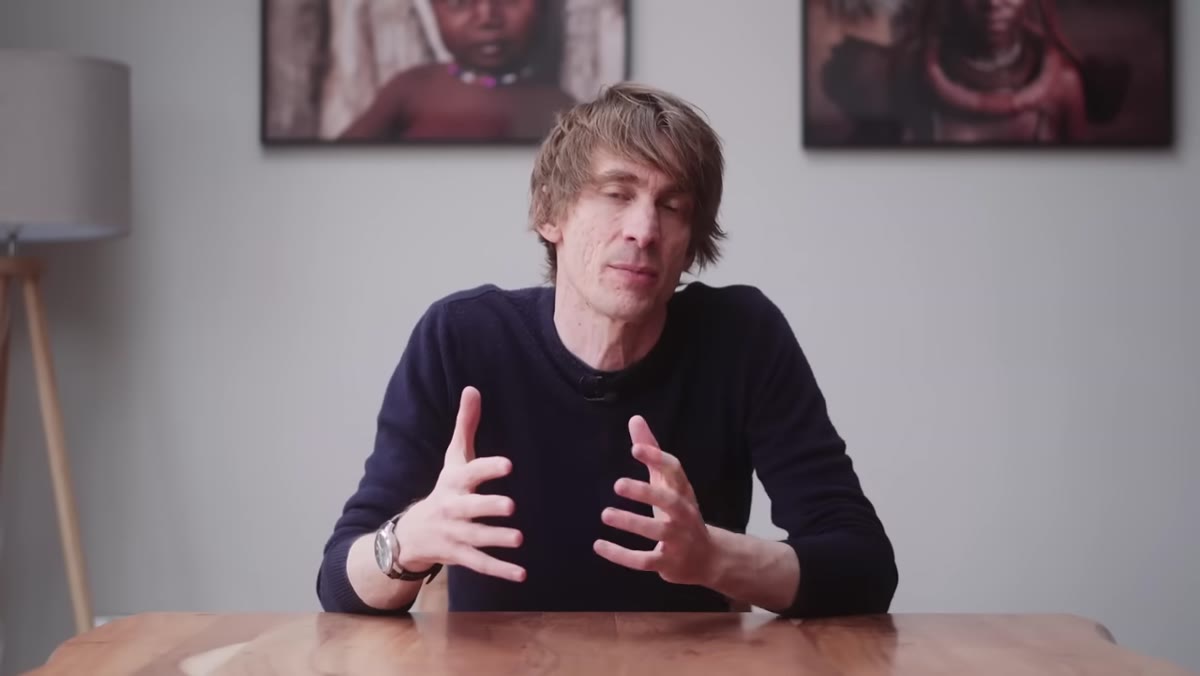 Tucker and Jackson discussing intention as the second key pillar alongside body language
Jackson’s second major principle is intention, and it works alongside body language rather than after it. When you move through a scene with a clear sense of why you are there and what you are looking for, that purpose reads in your physicality. You carry yourself differently. You hesitate less.
Tucker and Jackson discussing intention as the second key pillar alongside body language
Jackson’s second major principle is intention, and it works alongside body language rather than after it. When you move through a scene with a clear sense of why you are there and what you are looking for, that purpose reads in your physicality. You carry yourself differently. You hesitate less.
Before you arrive somewhere, give yourself a loose creative brief. It could be as simple as “I’m looking for moments of stillness within crowds” or “I want to find geometric shadows with human figures.” It does not need to be rigid, but having a direction replaces the aimless scanning that makes photographers look lost - and looking lost is what attracts the wrong kind of attention.
A Note from My Own Experience: The Body Follows the Decision
I want to add one thing Jackson touches on implicitly but does not spell out. The body language shift he is describing is not something you perform on top of your anxiety. It comes from actually making a decision about your right to be there.
I spent a long time looking for permission - from subjects, from crowds, from the general vibe of a location. The breakthrough for me was realizing that public space is public. You are allowed to witness it. Once I made that internal decision cleanly, my shoulders dropped, my pace evened out, and my camera started coming up more naturally. Nobody gave me permission. I just stopped waiting for it.
The single most useful thing in this tutorial is the movement principle. Stop staking out one spot and start doing laps. Your scene will change on every pass, you will blend into the flow of the city, and you will see far more than you would from a fixed position.
Go watch the full conversation - Tucker and Jackson cover intention in more depth than I have here, and hearing Jackson’s specific phrasing is worth the time.
Watch the full tutorial on YouTube
Comments
Leave a Comment