Hollywood Camera Tricks You Can Actually Pull Off (Without a Film Crew)

Hollywood Camera Tricks You Can Actually Pull Off (Without a Film Crew)

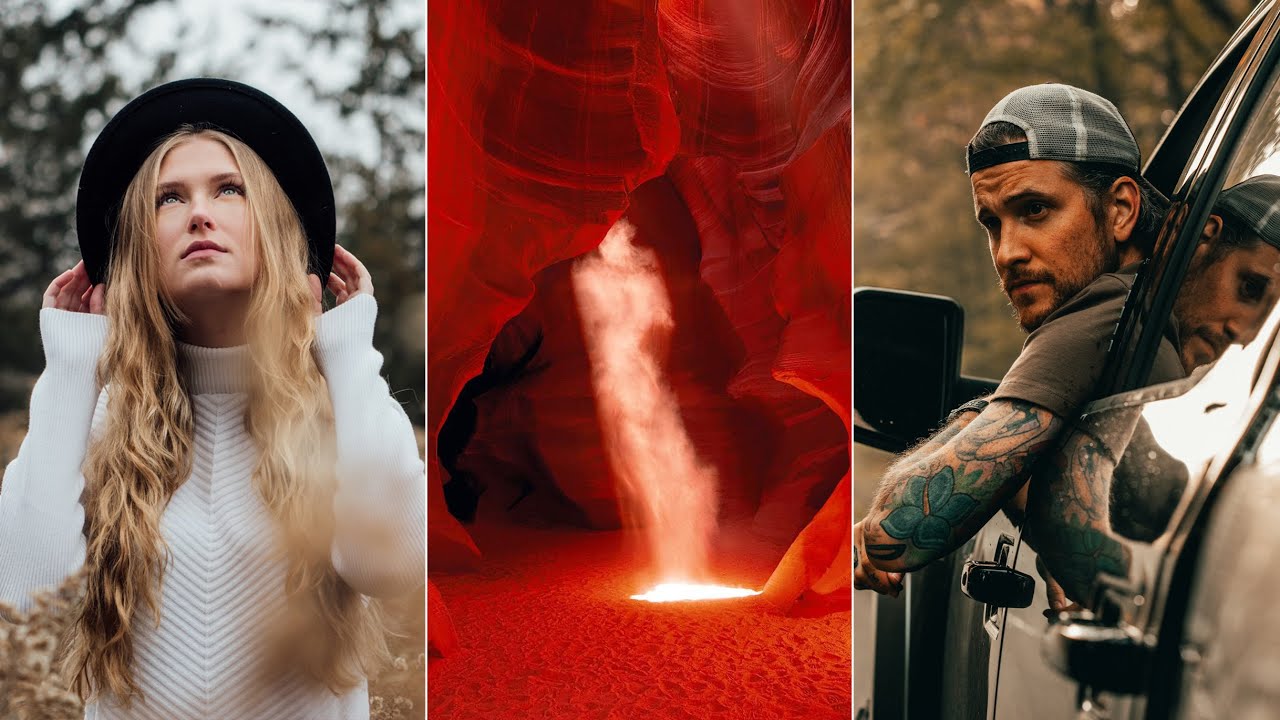
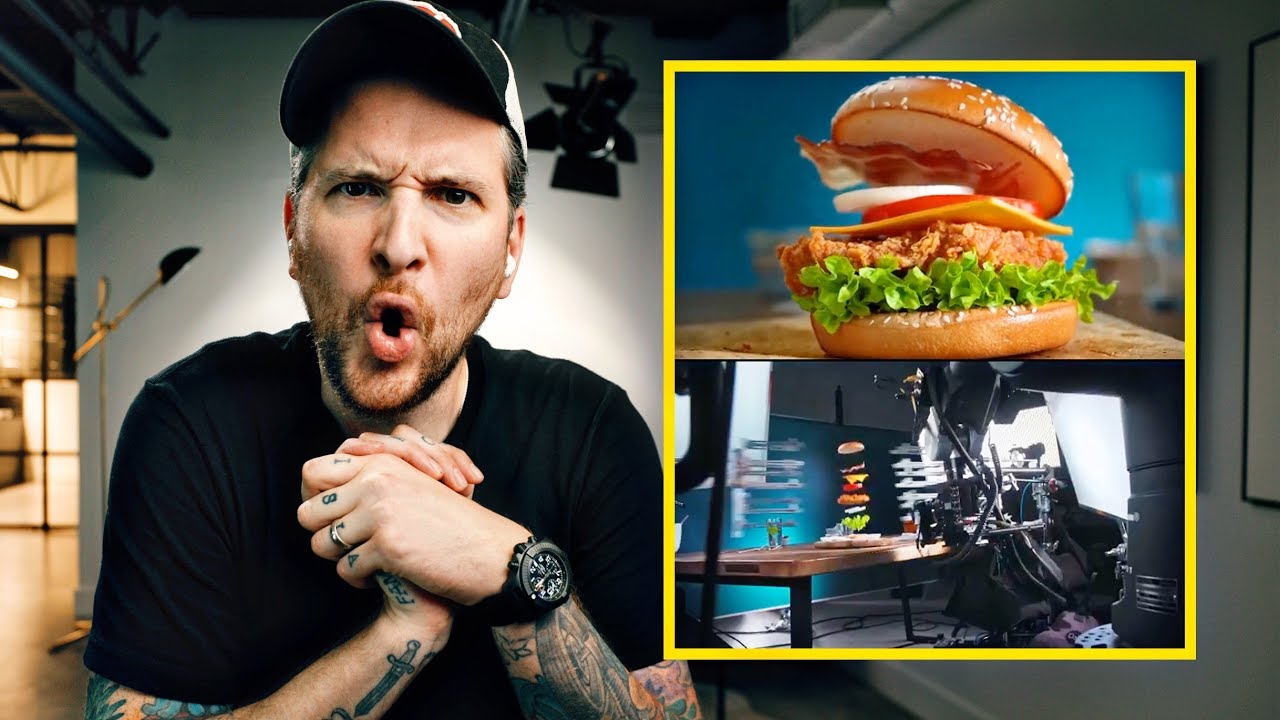
I used to think seamless transitions and those looping, reality-bending shots were the exclusive territory of production houses with six-figure budgets. Then I started paying closer attention to what working filmmakers were doing on Instagram with a slider, a phone, and a lot of intentional planning. That gap between “Hollywood magic” and “something I can actually try this Sunday” turned out to be much smaller than I assumed. In this Peter McKinnon tutorial, Watch the full tutorial on YouTube, Peter reacts to a collection of behind-the-scenes clips sent in by his community, breaking down how specific visual tricks are actually executed.

How Color Grading Transforms Flat Landscape Photos Into Atmospheric Images

How Color Grading Transforms Flat Landscape Photos Into Atmospheric Images

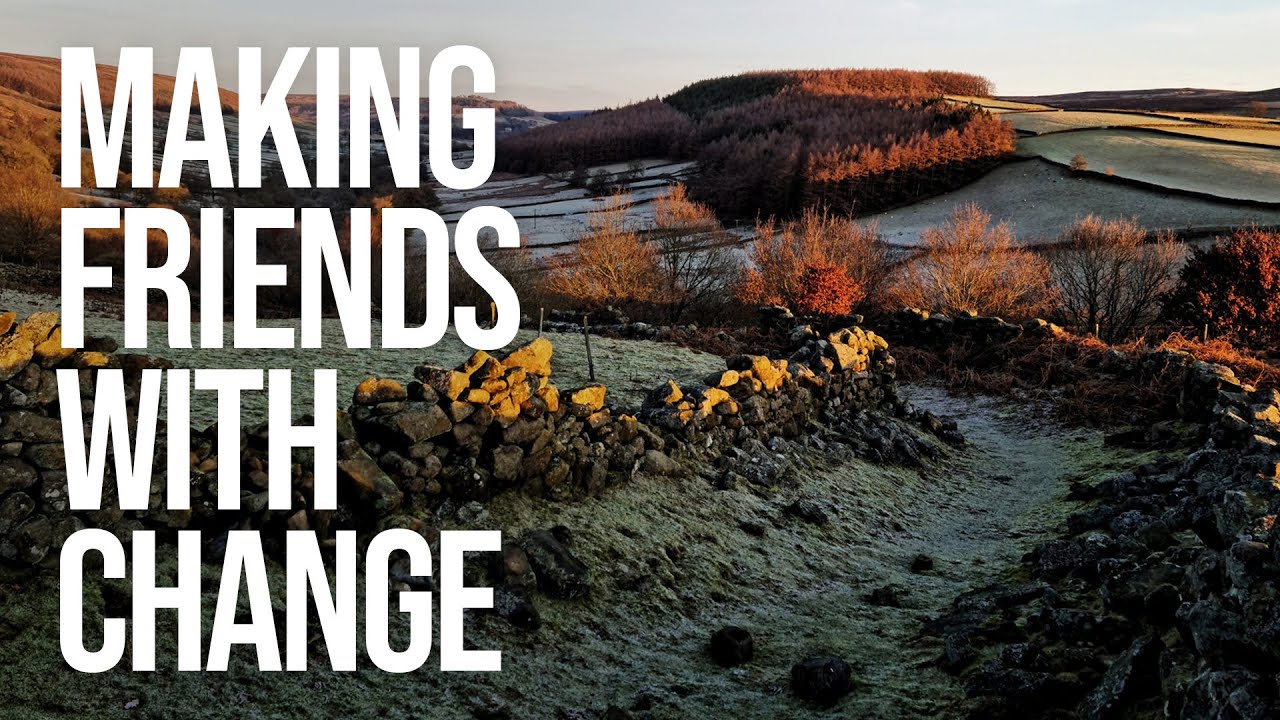
For years, my go-to move when processing a golden hour shot was to drag the temperature slider to the right and call it warm. The problem? Warming up a whole image also warms up your shadows, and suddenly you lose that beautiful contrast between the glowing light and the cool, moody dark areas that made you hit the shutter in the first place. Everything just looks… orange. Flat in a different way than it started.

One Backdrop, Infinite Looks: How to Add Texture and Color to Portrait Backgrounds in Photoshop

One Backdrop, Infinite Looks: How to Add Texture and Color to Portrait Backgrounds in Photoshop

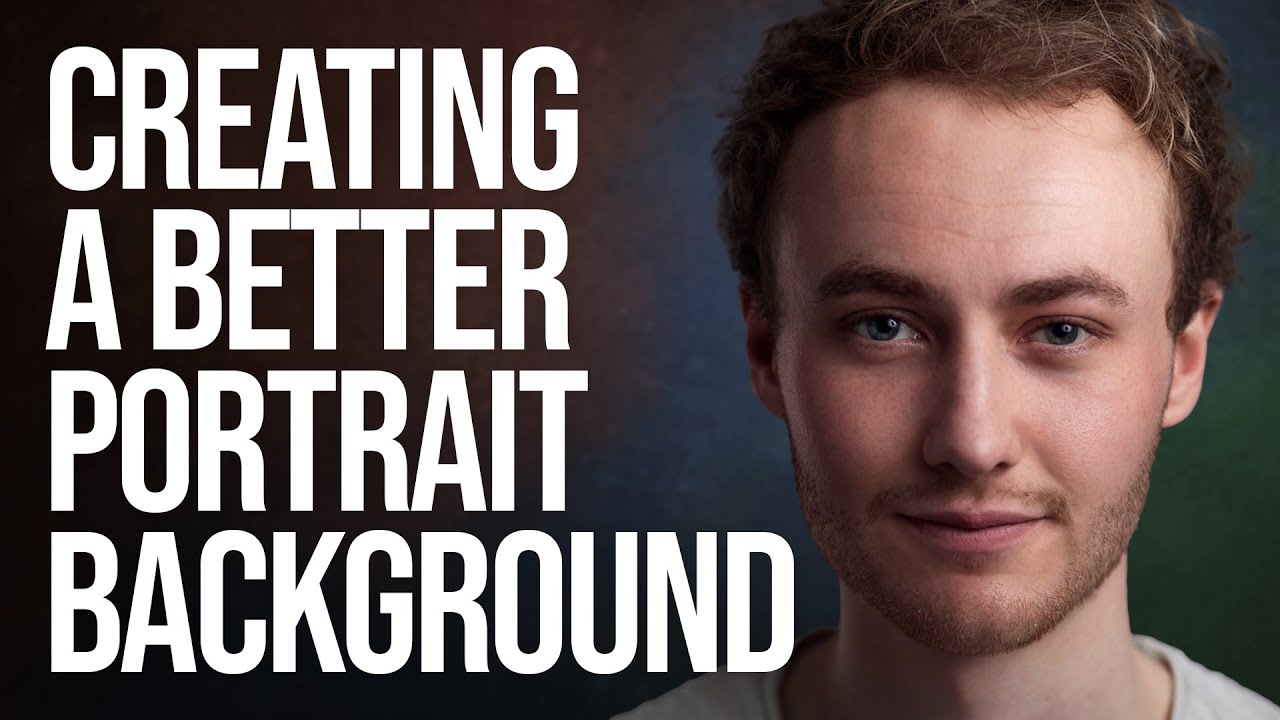
Most of us aren’t running a studio with a wall of seamless paper rolls in every color. I shoot out of a converted spare bedroom in Seattle, and for the longest time I felt limited by the single gray backdrop I owned. Every portrait session started to look like it came from the same universe, which is fine, but it’s not exactly inspiring for clients or for me. What changed things for me was watching Sean Tucker work through this exact problem.

What Two Photographers' Best Shots Teach Us About Letting Go of Perfect Conditions

What Two Photographers' Best Shots Teach Us About Letting Go of Perfect Conditions

There’s a version of photography advice that sounds like this: use the right gear, plan the shot, control every variable. And then there’s the version that actually reflects how great photos get made. I’ve been doing Sunday morning photo walks for years now, and the shots I’m most proud of rarely came from a perfect plan. They came from a weird moment, a broken piece of gear, or a phone I grabbed because nothing else was close enough.

How to Actually See the Forest (And Stop Forcing Shots That Aren't There)

How to Actually See the Forest (And Stop Forcing Shots That Aren't There)

Forest photography has a way of humbling you fast. I’ve walked into beautiful woodland scenes with a full bag of gear and walked out with nothing I wanted to keep. The problem was never the forest. It was me, rushing, forcing compositions that looked good in my head but fell flat on the sensor. I’d frame up a shot, decide it wasn’t working, move twenty feet, try again, and repeat until the light was gone.

Why a Golf Ball Might Be the Best Lighting Teacher You've Never Used

Why a Golf Ball Might Be the Best Lighting Teacher You've Never Used

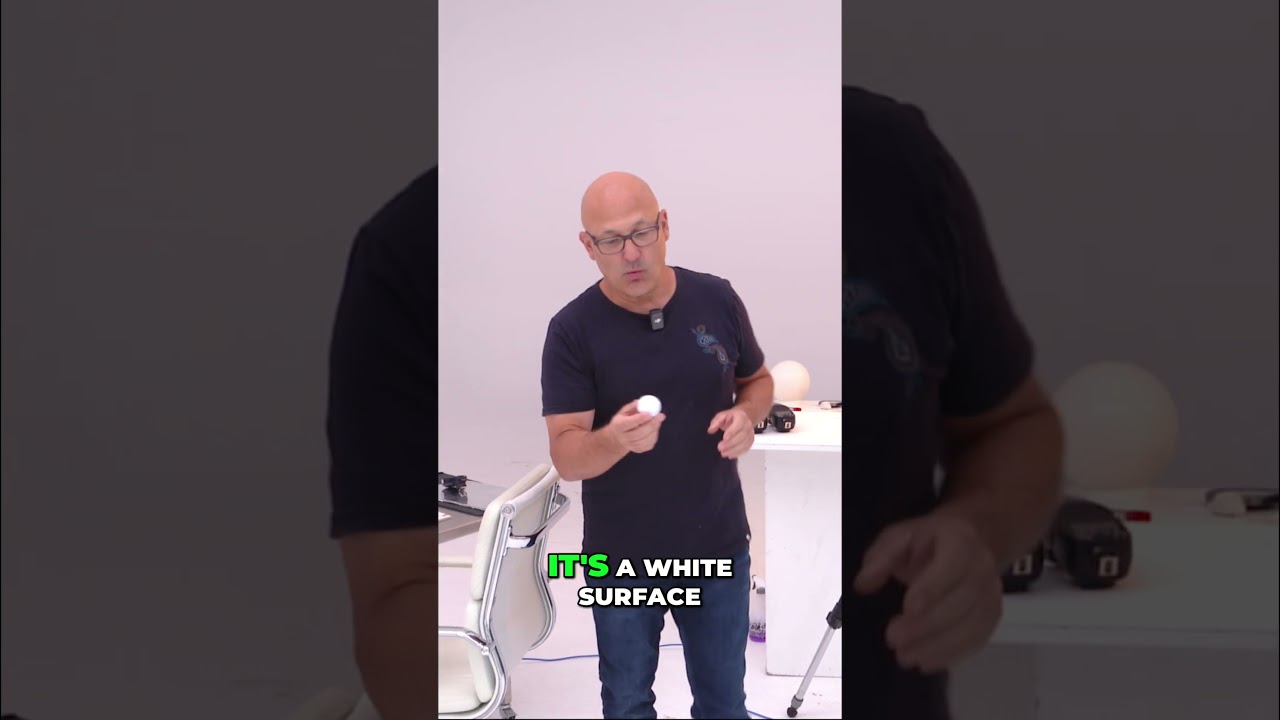
I’ve been photographing products on and off for years, mostly to supplement travel work during slow seasons. And the thing that tripped me up the longest wasn’t gear or editing. It was learning to read light before I set anything up. I’d arrange my softbox, place the subject, take a test shot, and then spend twenty minutes moving things two inches at a time wondering why it still looked flat. What I was missing was a simple, unforgiving subject that would show me exactly what the light was doing.

How to Use Flash Triggers and Sound Sensors to Finally Capture Split-Second Moments

How to Use Flash Triggers and Sound Sensors to Finally Capture Split-Second Moments

There’s a specific kind of frustration that lives in action photography. You press the shutter at exactly the right moment - or so you thought - and the image either shows nothing happening yet or the moment has already passed. I’ve been there more times than I want to count. The problem isn’t your reflexes, necessarily. It’s that human reaction time has a ceiling, and physics doesn’t care about your creative vision.

Why Changing Your Location Might Be the Best Photography Lesson You Never Planned

Why Changing Your Location Might Be the Best Photography Lesson You Never Planned

There’s a version of me from a few years ago who had Seattle completely figured out, photographically speaking. I knew which corners of Pike Place caught the best morning light, which rainy-day reflections looked best on Broadway, and exactly what time the ferries created that perfect silhouette against the sound. It felt like mastery. Looking back, it was actually a trap. I stumbled onto this exact idea while watching a recent tutorial from Sean Tucker, a photographer whose thoughtful, reflective approach to the craft I genuinely admire.

10 Film Photographers You Should Be Following Right Now (And What They Taught Me About Shooting Film)

10 Film Photographers You Should Be Following Right Now (And What They Taught Me About Shooting Film)

I’ve been shooting digital for years, and somewhere along the way I convinced myself that film was this intimidating, gatekept world I wasn’t ready for. Too many settings I didn’t understand. Too much money wasted on bad exposures. Too many things I couldn’t just fix in Lightroom later. What finally cracked that wall open for me wasn’t a manual or a course. It was watching other photographers who were further down the road share exactly who had taught them and why.

How the Distance Between Your Light and Subject Changes Everything (And Not Just Brightness)

How the Distance Between Your Light and Subject Changes Everything (And Not Just Brightness)

I’ve been shooting long enough to know that most lighting problems aren’t actually exposure problems. But I had to relearn that lesson recently when I was working on some indoor lifestyle shots and couldn’t figure out why two setups that looked identical on my histogram felt completely different in the final image. Same subject, same aperture, same shutter speed. One had this beautiful, sculpted quality to the shadows. The other looked flat in a way I couldn’t immediately explain.

The Light Size Rule That Changed How I Think About Every Single Shot

The Light Size Rule That Changed How I Think About Every Single Shot

Last week I was shooting a friend’s brand launch outdoors, and the light was doing that infuriating thing where it looked gorgeous to my eye but flat and clinical on the back of my camera. I had a speedlight in my bag, I had a small diffusion panel, and I still couldn’t figure out why the images felt lifeless. I knew the answer was somewhere in my understanding of light quality, but I couldn’t quite put my finger on the mechanical reason.

How Street Photography Became My Mental Health Practice (And How It Can Become Yours)

How Street Photography Became My Mental Health Practice (And How It Can Become Yours)

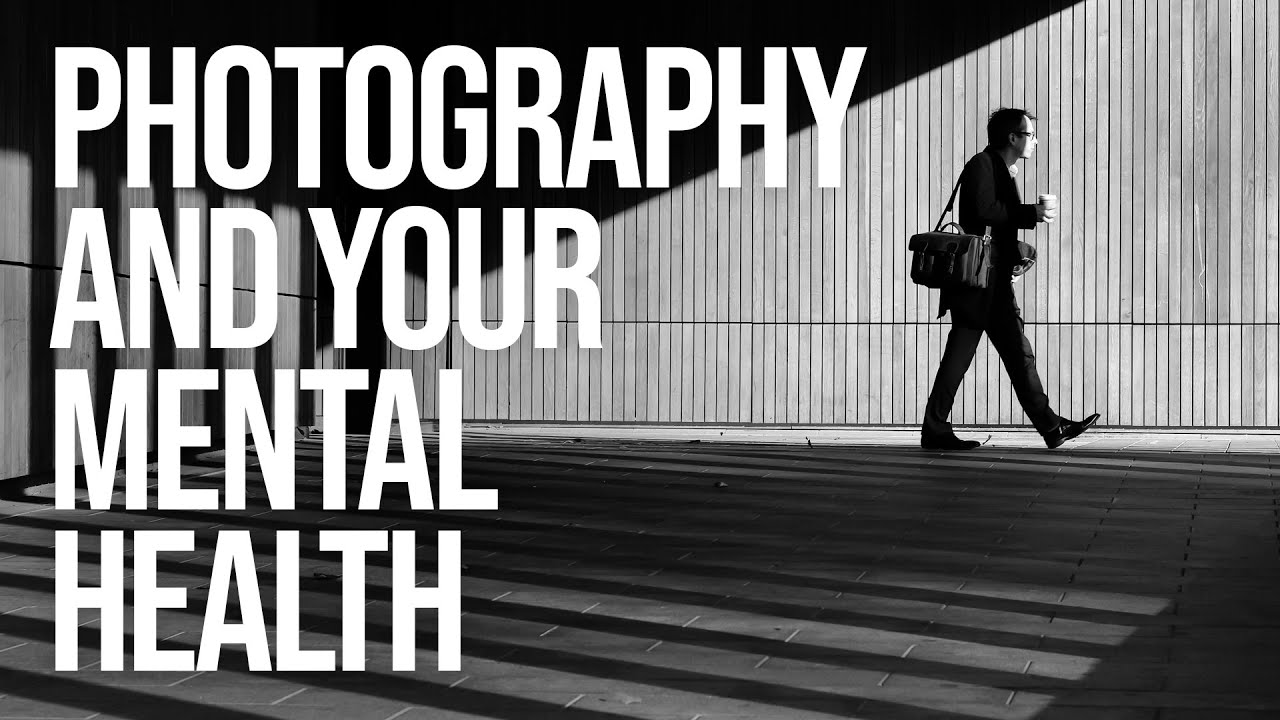
Every Sunday morning I do a photo walk. Rain, shine, or the classic Seattle grey drizzle that falls somewhere between both. I started this tradition partly for the creative practice, but I kept it going because of how I feel when I come home. Clearer. Quieter. Like something that was coiled up has been allowed to unwind. I didn’t have a good framework for explaining why that happened until I watched this interview.