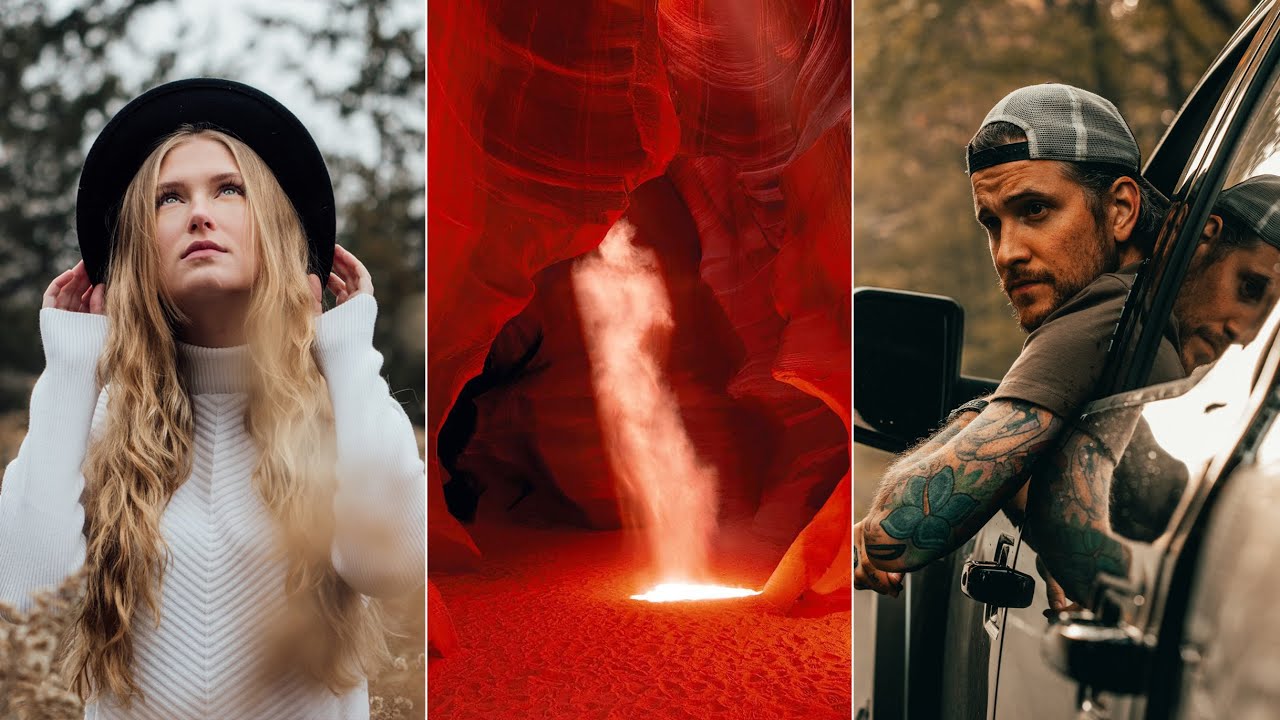
There’s a version of photography advice that sounds like this: use the right gear, plan the shot, control every variable. And then there’s the version that actually reflects how great photos get made. I’ve been doing Sunday morning photo walks for years now, and the shots I’m most proud of rarely came from a perfect plan. They came from a weird moment, a broken piece of gear, or a phone I grabbed because nothing else was close enough.
That’s exactly why I keep coming back to this kind of raw, story-driven content from working photographers. In this Peter McKinnon video, he sits down with photographer Lizzy Pierce for a “Photo Stories” episode where they share the real context behind some of their most recognized images. Watch the full tutorial on YouTube. What unfolds isn’t a technical breakdown. It’s something more useful: a look at how seasoned photographers actually think about the relationship between circumstance and image-making. Here are the core lessons I pulled out, structured so you can apply them on your next shoot.
Step 1: Recognize That Your Best Photo Might Already Be On Your Phone
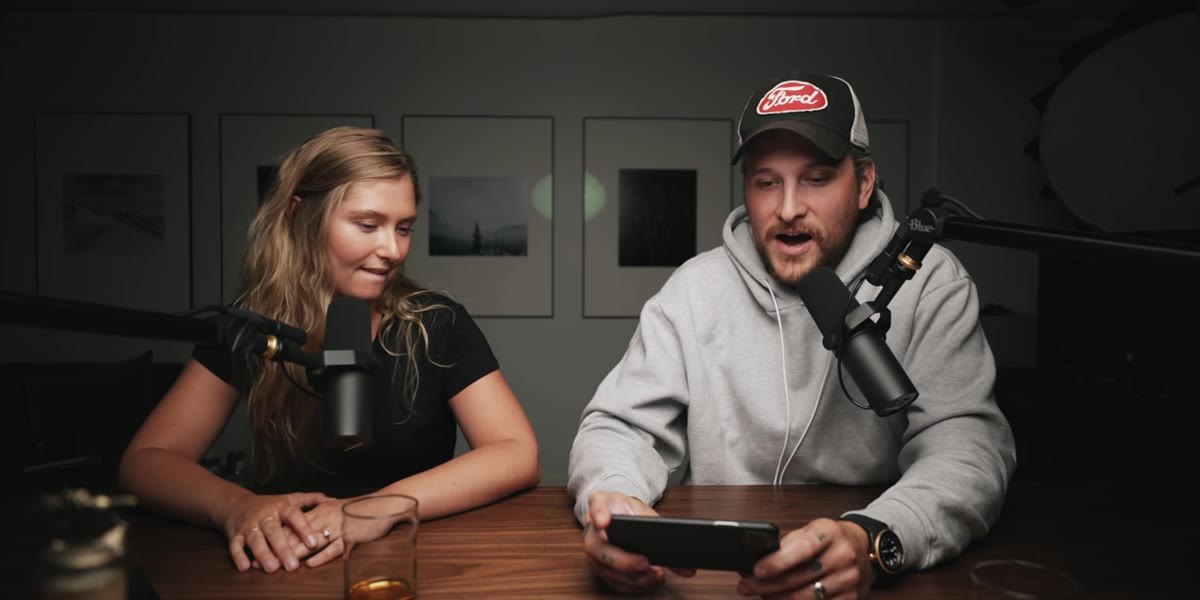 Peter describing a casual kitchen birthday photo taken by his wife
Peter’s story about his most widely used profile photo is a genuinely useful reminder. The image, which has appeared on posters, lanyards, and speaking event materials, was taken by his wife on a whim during a birthday celebration. No lighting setup. No intention. Just a “hey, take a photo of me” moment in the kitchen.
Peter describing a casual kitchen birthday photo taken by his wife
Peter’s story about his most widely used profile photo is a genuinely useful reminder. The image, which has appeared on posters, lanyards, and speaking event materials, was taken by his wife on a whim during a birthday celebration. No lighting setup. No intention. Just a “hey, take a photo of me” moment in the kitchen.
The practical takeaway here is one I talk about constantly: stop treating your phone or a casual snap as a lesser form of photography. Some of my most-engaged images came from exactly that kind of low-stakes moment. Keep your camera roll active even when you’re “off duty.” Candid, low-pressure setups often produce the most natural energy in a frame.
Step 2: Build a Library Before You Have a Reason To
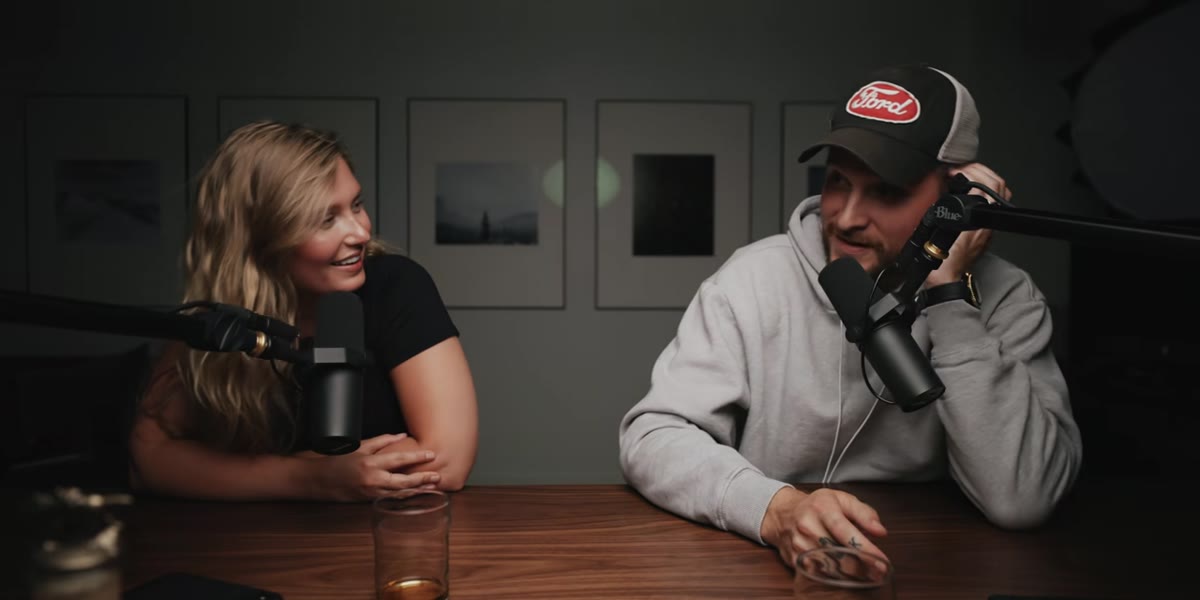 Peter describing sneaking into model homes to shoot stock photos
Early in the conversation, Peter mentions that before his career took off, he used to rush into model homes and photograph as many interiors as he could before getting asked to leave. He’d then upload those to stock photography platforms.
Peter describing sneaking into model homes to shoot stock photos
Early in the conversation, Peter mentions that before his career took off, he used to rush into model homes and photograph as many interiors as he could before getting asked to leave. He’d then upload those to stock photography platforms.
This is the kind of hustle that people don’t talk about enough. You don’t need a client brief or an assignment to start building a sellable portfolio. Stock photography rewards volume and variety, and the best time to start shooting for it is before you think you’re ready. Pick a category you have natural access to, whether that’s your neighborhood, your kitchen, your daily commute, and start documenting it consistently. Real, specific locations and moments perform better on stock platforms than generic, staged content.
Step 3: Commit to the Trip Even When the Gear Fails
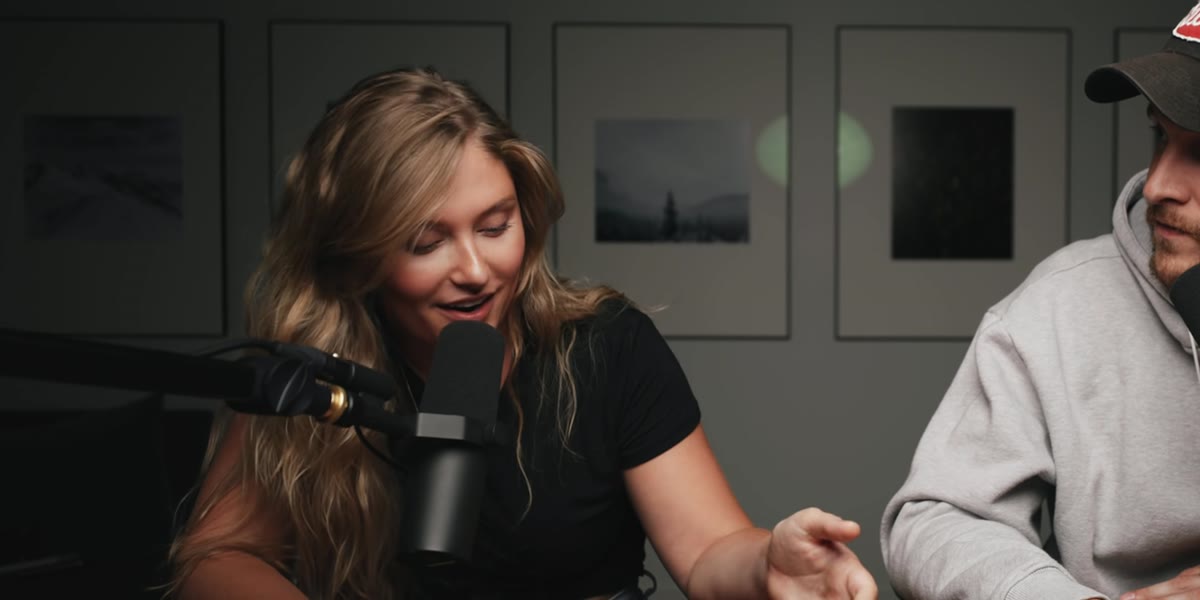 Lizzy describing her drone overheating and shutting down on a remote Scottish island
Lizzy’s Scotland story is the most instructive section of the entire video. She was on a remote island, working for a tourism board, planning to capture surfing drone footage. Her drone kept overheating and shutting down. No backup. No local shop to buy a replacement. The shoot she had planned was effectively impossible.
Lizzy describing her drone overheating and shutting down on a remote Scottish island
Lizzy’s Scotland story is the most instructive section of the entire video. She was on a remote island, working for a tourism board, planning to capture surfing drone footage. Her drone kept overheating and shutting down. No backup. No local shop to buy a replacement. The shoot she had planned was effectively impossible.
The lesson isn’t “always bring a backup drone,” though that’s not bad advice. The lesson is that professional photographers don’t pack up and go home when conditions fall apart. They adapt and find what’s still possible with what they have. If you’re heading into a shoot and something breaks, ask yourself: what is still available to me right now? A different angle, a different focal length, or a completely different moment than the one you planned might end up being stronger than your original vision.
Step 4: Let Someone Else on Your Crew Handle What You Can’t
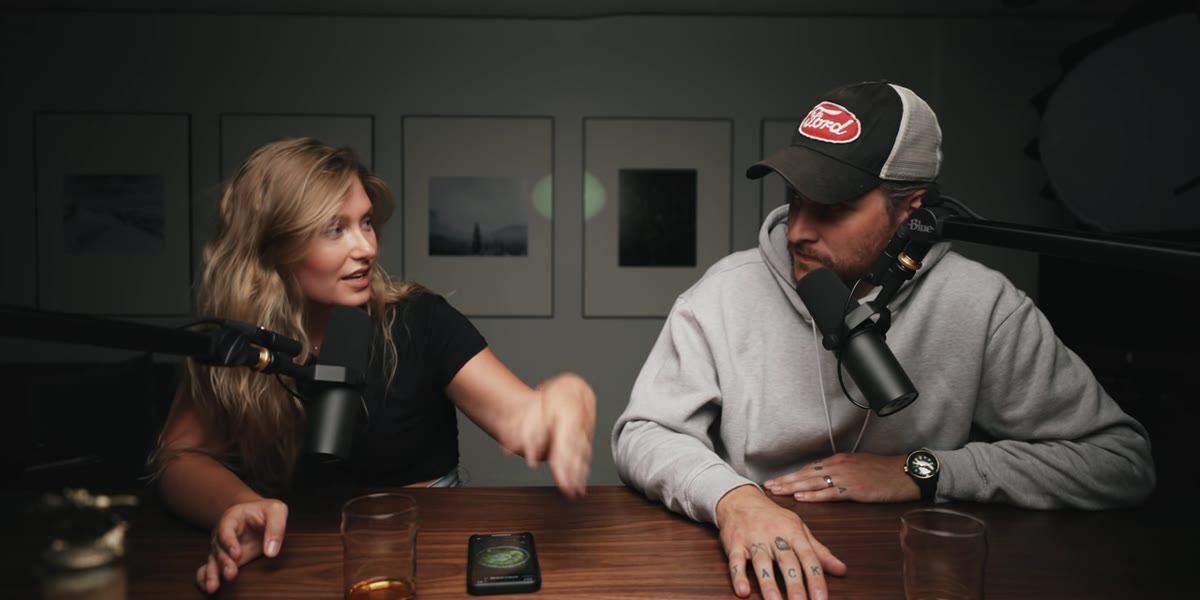 Lizzy explaining that her drone had to be sent with another crew member to a different shoot
The reason Lizzy was without her preferred drone in Scotland is that the crew’s other drone had to be sent with a different team member to another job. She made the call to prioritize the client’s needs over her own equipment comfort.
Lizzy explaining that her drone had to be sent with another crew member to a different shoot
The reason Lizzy was without her preferred drone in Scotland is that the crew’s other drone had to be sent with a different team member to another job. She made the call to prioritize the client’s needs over her own equipment comfort.
This is a professional workflow decision that beginners often overlook. When you’re working with a team or even just a second shooter, part of the job is knowing which resources need to go where. Being flexible with gear allocation, even when it inconveniences your own creative vision, builds trust with clients and collaborators. It also forces you to problem-solve on location rather than relying on a perfect kit.
Step 5: Tell the Story Behind the Photo, Not Just the Photo Itself
 Peter zooming out from a cropped photo to reveal the full kitchen frame with a martini glass
Both photographers in this video treat the story as the point. Peter’s “zoom out” reveal, where the famous waist-up crop turns out to include a martini glass and a Blue Jays hat, works because the context is funny and humanizing. Lizzy’s Scotland story makes a drone photo more memorable because you understand what it cost to get it.
Peter zooming out from a cropped photo to reveal the full kitchen frame with a martini glass
Both photographers in this video treat the story as the point. Peter’s “zoom out” reveal, where the famous waist-up crop turns out to include a martini glass and a Blue Jays hat, works because the context is funny and humanizing. Lizzy’s Scotland story makes a drone photo more memorable because you understand what it cost to get it.
If you’re building any kind of photography presence, whether that’s a portfolio site, an Instagram account, or a client pitch, start writing down the context for every meaningful shot you take. What was the situation? What went wrong? What decision did you make on the spot? Even a two-sentence caption transforms a good image into a memorable one. This is also what separates authentic photography content from the generic “tips and tricks” noise that fills every feed.
My Own Extension: Constraints Are a Creative Tool, Not Just a Nuisance
I spent an entire vacation in Iceland chasing a single waterfall shot and missed dinner every night that week. What I got from it was not the perfect image I had storyboarded in my head. What I got was a series of attempts, each one slightly different, that ended up telling a more interesting visual story than any single frame could have. The constraint of difficult light and limited access time pushed me toward angles I never would have tried otherwise.
The photographers in this video aren’t describing failure stories. They’re describing constraint stories. And constraints, whether it’s a broken drone, borrowed gear, or a two-minute window before security shows up, are where creative instincts get sharpened. The next time something doesn’t go to plan on a shoot, resist the urge to reschedule. Stay and see what the situation is actually offering you.
The single most important thing I took from this video is deceptively simple: the story around the photo matters as much as the photo itself, and the best stories usually involve something going sideways. If you want to see how two working photographers talk through the real behind-the-scenes reality of memorable images, it’s worth your time.
Watch the full tutorial on YouTube
Comments (1)
Quality content like this is rare. Keep it up.
Leave a Comment