How to Build a Boudoir Set from Scratch (And Light It So You Barely Need to Retouch)

How to Build a Boudoir Set from Scratch (And Light It So You Barely Need to Retouch)

There’s a particular kind of stress that comes from arriving at a boudoir shoot with a bare white wall, a single light, and a model who’s already a little nervous. I’ve been there. The lighting guesswork alone adds an hour of post-processing you didn’t plan for, and if the set feels clinical rather than intimate, even great posing can’t save the mood. Boudoir photography lives or dies on atmosphere, and atmosphere is something you have to build deliberately, before a single frame is shot.
Blue Hour Photography: Why I'm Done Packing Up at Sunset

Blue Hour Photography: Why I'm Done Packing Up at Sunset

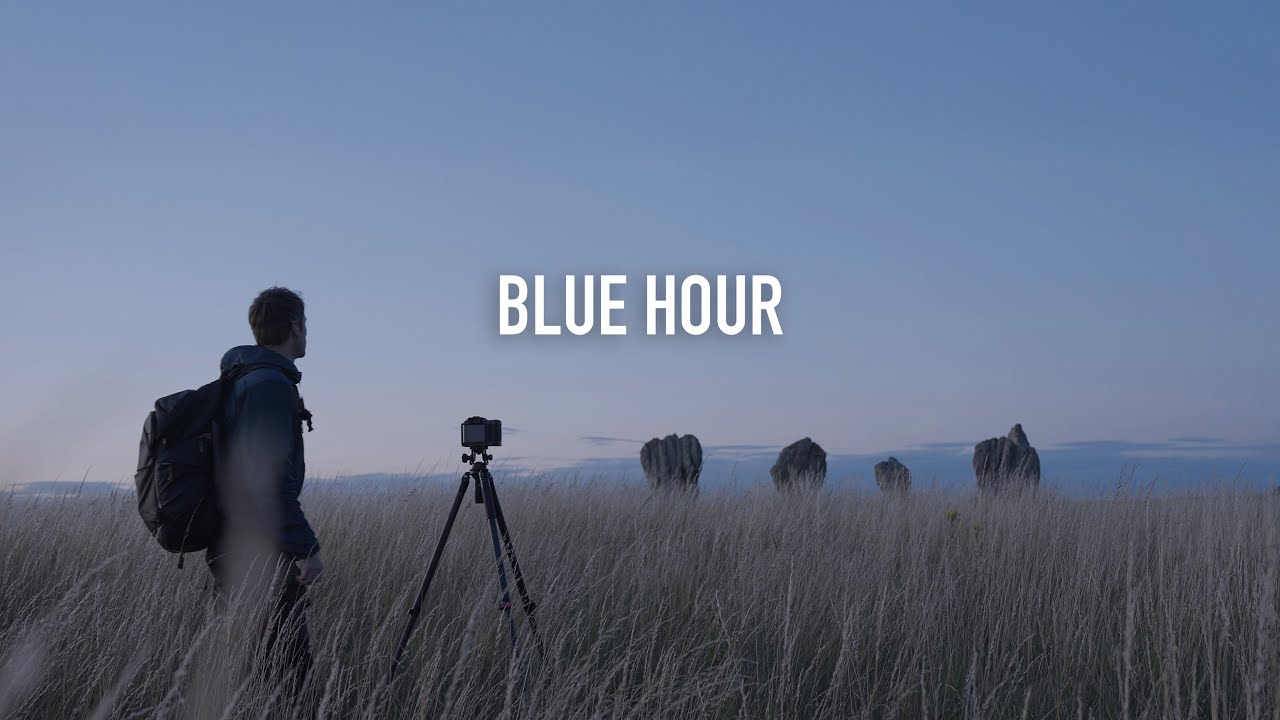
My Sunday photo walks used to follow the same script every week. Arrive before sunrise or stay through sunset, chase the color, pack up the second the sky went gray. I treated everything after golden hour like dead time, like the light had clocked out and there was nothing left worth shooting. I was wrong, and it took watching someone else deliberately stay out past sunset to finally shake that habit.

Shutter Speed, Aperture, and ISO: How to Finally Use All Three Together

Shutter Speed, Aperture, and ISO: How to Finally Use All Three Together

The question I get most often from beginners is some version of this: “I read about aperture and I think I get it, but then I touch the shutter speed and everything falls apart.” That sentence used to describe me too, back when I was fumbling through my first DSLR on a trip to Iceland, watching perfectly good golden-hour light tick by while I poked through menus. What I needed back then was someone to explain not just what each setting does, but why they only make sense as a group.

The Contact Sheet Mindset: What Street Photography Pros Do Between the Shots You Never See

The Contact Sheet Mindset: What Street Photography Pros Do Between the Shots You Never See

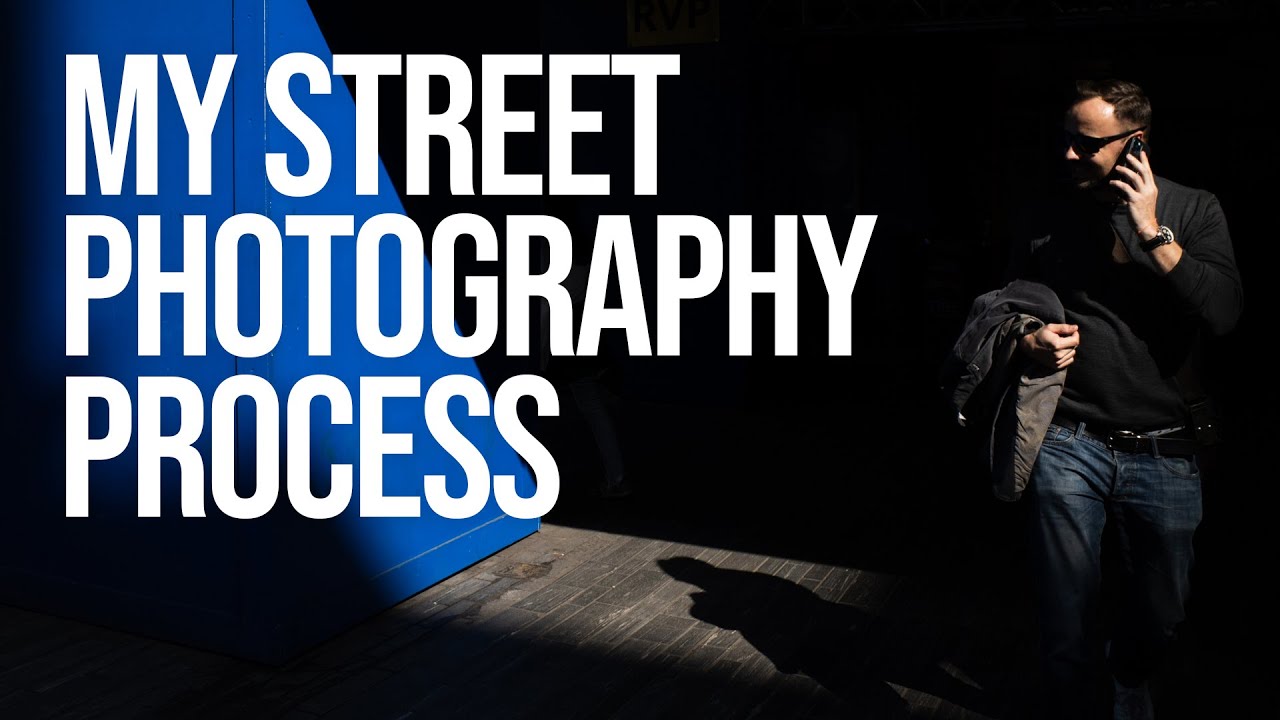
Every Sunday morning I take a photo walk through whatever neighborhood I happen to wake up in. I’ve been doing it for years. And for most of those early years, I came home frustrated. I’d shoot for two hours, import everything, and feel like I had nothing. Not because I wasn’t trying hard enough, but because I had this completely wrong idea of what a productive shoot actually looks like. I thought the photographers I admired were just… better at seeing.

How to Remove People from Your Travel Photos (Without Spending Hours in Photoshop)

How to Remove People from Your Travel Photos (Without Spending Hours in Photoshop)

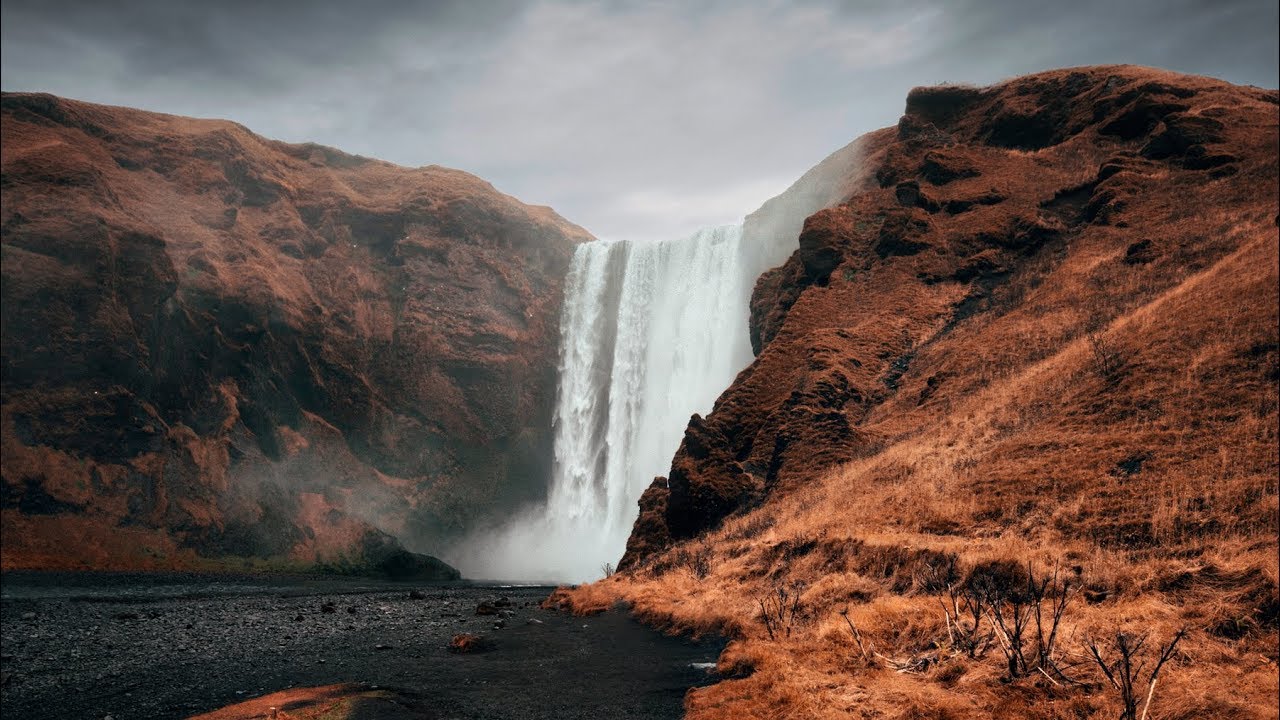
I once spent an entire vacation trying to get a single clean shot of a waterfall. No tourists. No stray elbows. Just water, rocks, and light. I missed dinner more than once. And the frustrating part is, I didn’t have to do any of that. The fix was sitting in Photoshop the whole time, and it takes about two minutes once you know where to look. That’s exactly what Peter McKinnon breaks down in his tutorial on removing people from photos, and it’s one of those techniques that feels almost too easy once you see it.

How to Stop Overthinking and Actually See the Shot: Lessons from New Zealand's Wildest Landscape

How to Stop Overthinking and Actually See the Shot: Lessons from New Zealand's Wildest Landscape

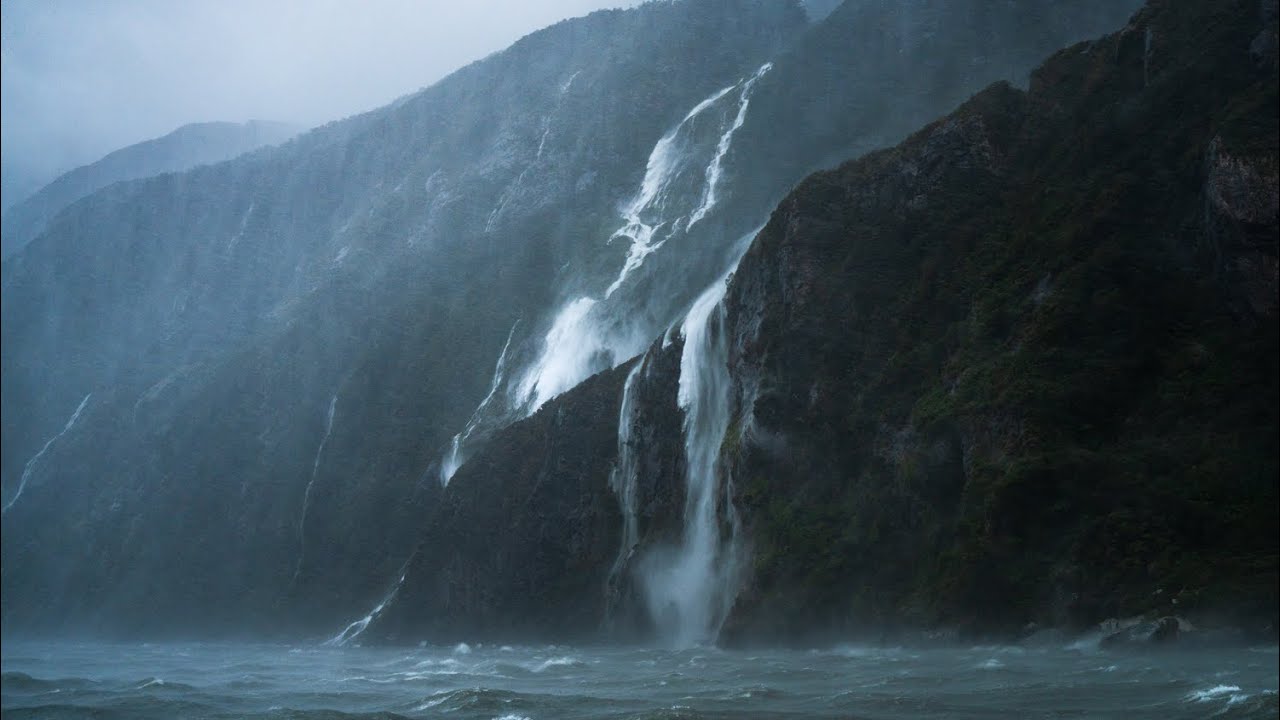
There’s a particular kind of paralysis that hits me every time I step into a dense forest with my camera. Too many trees. Too much texture. No obvious subject. I stand there rotating slowly like a confused sprinkler, and somehow leave with 300 mediocre frames of nothing. If you’ve felt that, this one’s for you. I recently watched William Patino’s behind-the-scenes tutorial from a nine-day photography workshop he ran in Fiordland, New Zealand, one of the most visually overwhelming landscapes on the planet, and something clicked.

What Alex Webb Taught Me About Actually Seeing Color (And Why I Finally Stopped Hiding Behind Black and White)

What Alex Webb Taught Me About Actually Seeing Color (And Why I Finally Stopped Hiding Behind Black and White)

For a long time, I defaulted to black and white whenever I felt unsure. Desaturate the image, lean into contrast and shadow, and suddenly everything looked intentional. It was a crutch I didn’t even know I was holding until I started noticing how many of my color shots felt flat and almost accidental, like color was just something that happened to be there instead of something I was actually working with.

Tiny Camera, Unexpected Angles: What the Insta360 GO 3S Taught Me About Thinking Small

Tiny Camera, Unexpected Angles: What the Insta360 GO 3S Taught Me About Thinking Small

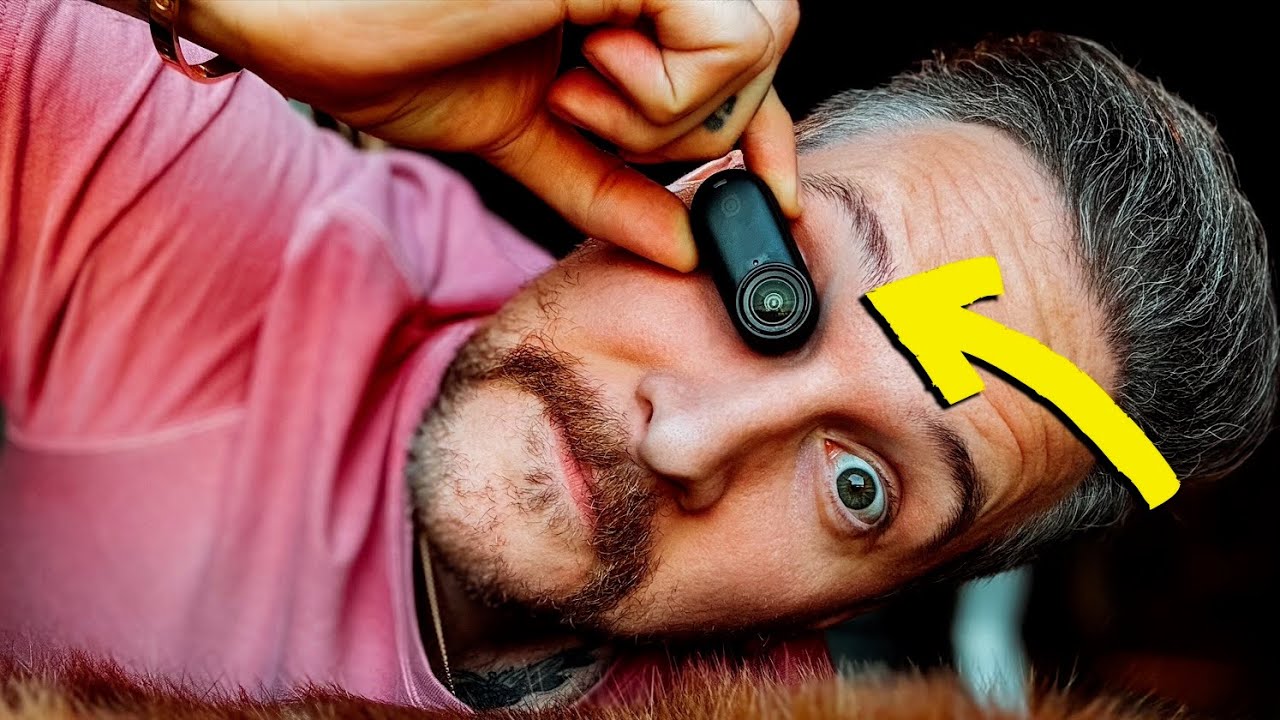
I have a confession: I spent years dismissing action cameras as “sports gear.” Helmet cams, surfboard mounts, skydiving footage. Not my world. Then I started noticing how a handful of filmmakers were using these tiny cameras to pull off shots that a full-sized rig simply cannot do, and I had to rethink everything. The size isn’t a limitation. It’s the whole point. In this Peter McKinnon tutorial covering the Insta360 GO 3S, Watch the full tutorial on YouTube, McKinnon doesn’t just walk through specs.

The Skill Photography School Never Taught You (And Why It's Costing You Work)

The Skill Photography School Never Taught You (And Why It's Costing You Work)

I started teaching photography because a stranger at a coffee shop tapped me on the shoulder and asked how I got the shot on my screen. That one conversation changed the direction of my career. But here’s what I didn’t realize at the time: the part that actually built my career wasn’t learning to shoot. It was learning to talk about my work, reach out to people, and make myself findable and hireable.

Getting Started with the Fujifilm GFX100 II: What Every Photographer Needs to Know First

Getting Started with the Fujifilm GFX100 II: What Every Photographer Needs to Know First

There’s a moment every photographer knows. You’ve just invested in a serious piece of gear, the box is open, and you’re staring at a camera that costs more than some used cars. You want to skip straight to shooting. But if you skip the fundamentals, you’ll spend weeks shooting on default settings that don’t reflect what the camera can actually do. I’ve been there, and it’s frustrating in a way that’s completely avoidable.

Why Just Wing It Is Killing Your Travel Photography (And What to Do Instead)

Why Just Wing It Is Killing Your Travel Photography (And What to Do Instead)

I spent an entire vacation in Iceland chasing one specific waterfall shot. Every evening, same trail, same tripod position, different disappointment. I missed dinners, missed conversations, missed the northern lights happening two fields over. I came home with technically fine images and a quiet sense that I’d done the whole trip wrong. What I was running from, though I couldn’t name it at the time, was the obvious problem with traveling for photography: you almost never have enough time to actually understand a new place before the light disappears.

Do Combo ND-Polarizer Filters Actually Hold Up in the Field? A Look at PolarPro's QuartzLine

Do Combo ND-Polarizer Filters Actually Hold Up in the Field? A Look at PolarPro's QuartzLine

There’s a specific kind of frustration that hits when you’re standing at a waterfall location, light is changing fast, and you’re fumbling with two separate filters trying to stack them without introducing vignette or misalignment. I’ve been there more times than I’d like to admit. I once missed dinner three nights in a row on a trip chasing one particular waterfall shot, and I can tell you that the last thing you want between you and the image is an equipment puzzle.