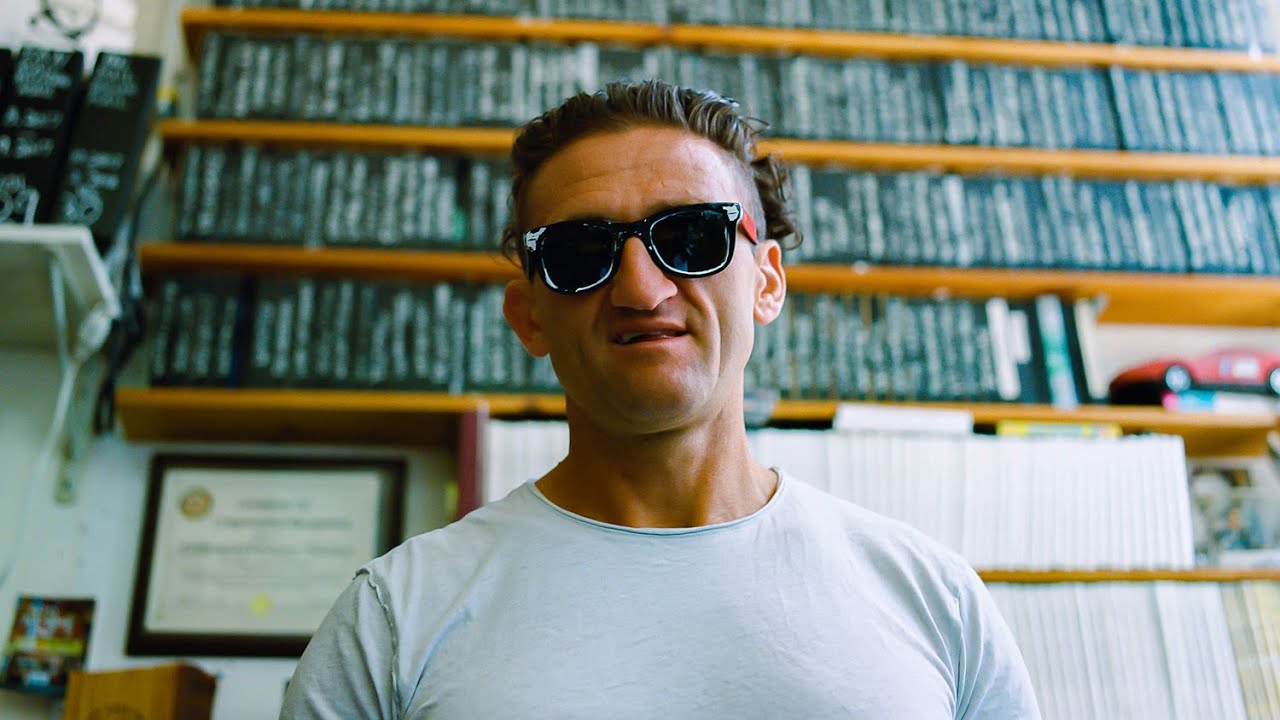
I’ve been shooting digital for years, and somewhere along the way I convinced myself that film was this intimidating, gatekept world I wasn’t ready for. Too many settings I didn’t understand. Too much money wasted on bad exposures. Too many things I couldn’t just fix in Lightroom later. What finally cracked that wall open for me wasn’t a manual or a course. It was watching other photographers who were further down the road share exactly who had taught them and why.
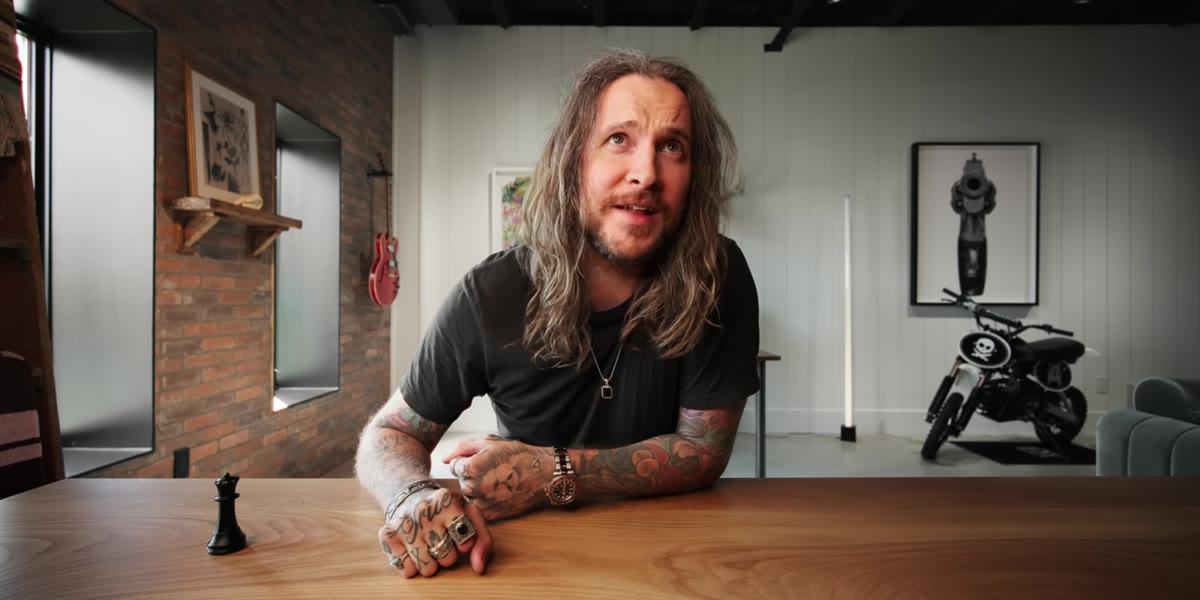
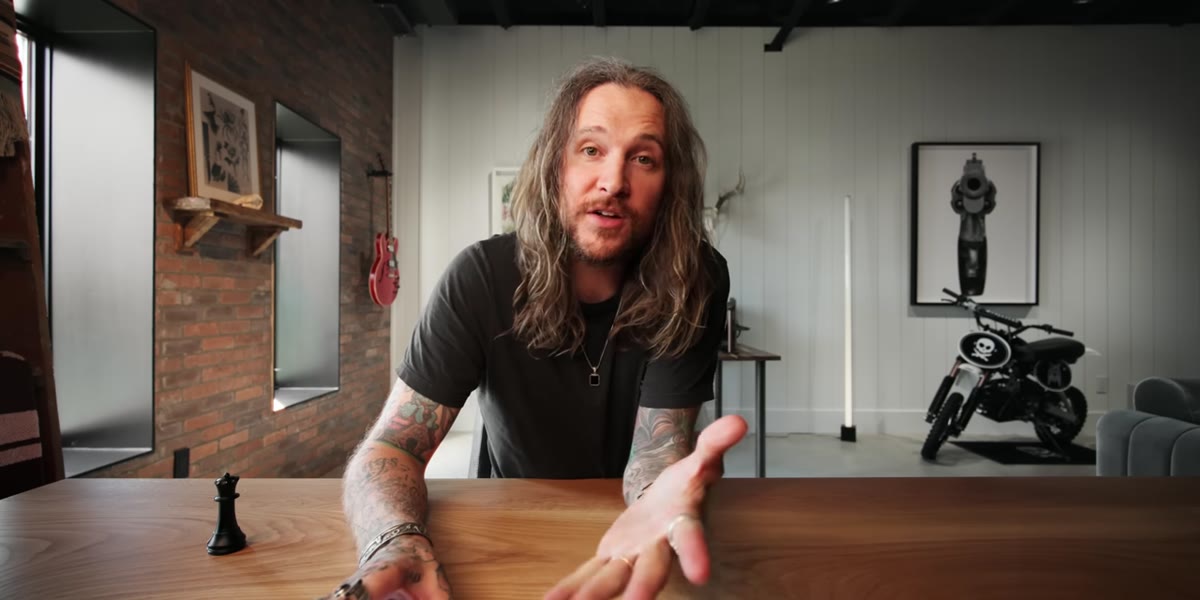
In this Peter McKinnon tutorial, Watch the full tutorial on YouTube, McKinnon does something I really respect: he comes in as a student, not an expert. He’s only been shooting film for a couple of months, and instead of faking authority he didn’t have, he built a list of the people who actually do. The result is one of the most useful “who to follow” videos I’ve seen, because every creator he highlights teaches you something specific, not just pretty pictures to scroll past.
This isn’t a tutorial about camera settings in the traditional sense. Think of it more as a curated mentorship map. Each photographer on McKinnon’s list models a different skill or sensibility worth studying. Here’s how to actually use that list as a learning tool, step by step.
Step 1: Start With a Single Aesthetic Reference and Study It Hard
 A cohesive Instagram grid shot on Kodak Gold 200
McKinnon’s first recommended account shoots almost exclusively on Kodak Gold 200, and the consistency is what makes it worth studying. When you find a photographer whose work stops you mid-scroll, don’t just double-tap and move on. Look at what film stock they’re using. Most film photographers tag their stock in the caption or comments. Kodak Gold 200 has a warm, slightly golden color cast that makes ordinary scenes feel lifted out of time. If you’re trying to understand why a photo feels a certain way, the film stock is often the first answer.
A cohesive Instagram grid shot on Kodak Gold 200
McKinnon’s first recommended account shoots almost exclusively on Kodak Gold 200, and the consistency is what makes it worth studying. When you find a photographer whose work stops you mid-scroll, don’t just double-tap and move on. Look at what film stock they’re using. Most film photographers tag their stock in the caption or comments. Kodak Gold 200 has a warm, slightly golden color cast that makes ordinary scenes feel lifted out of time. If you’re trying to understand why a photo feels a certain way, the film stock is often the first answer.
Pick one account. Study the light in every photo. Ask yourself what time of day each shot was taken, where the light source is coming from, and how the shadows are falling. McKinnon describes the best shots from this account as transforming the completely mundane into something extraordinary, and that’s exactly the eye you’re trying to build.
Step 2: Find Your Technical Teacher
 Cody Mitchell’s YouTube channel on a laptop screen
Not every photographer you follow has to inspire you emotionally. Some of the most valuable accounts to follow are the ones that break down the mechanics. McKinnon highlights a creator named Cody Mitchell, whose YouTube channel goes deep on topics like light metering in a way that genuinely moves the needle for beginners.
Cody Mitchell’s YouTube channel on a laptop screen
Not every photographer you follow has to inspire you emotionally. Some of the most valuable accounts to follow are the ones that break down the mechanics. McKinnon highlights a creator named Cody Mitchell, whose YouTube channel goes deep on topics like light metering in a way that genuinely moves the needle for beginners.
Light metering is one of the trickiest parts of shooting film, because you don’t get a live preview of your exposure. You’re committing. Find a creator who explains the specific technical gaps you’re struggling with, and watch their content like a class, not passive entertainment. Take notes. Rewind. I keep a running document on my phone of things I’ve learned from photographers I follow, because hearing it once is never enough.
Step 3: Follow Someone Who Makes Film Feel Fun, Not Precious
 50 Shades of Jason YouTube channel intro screen
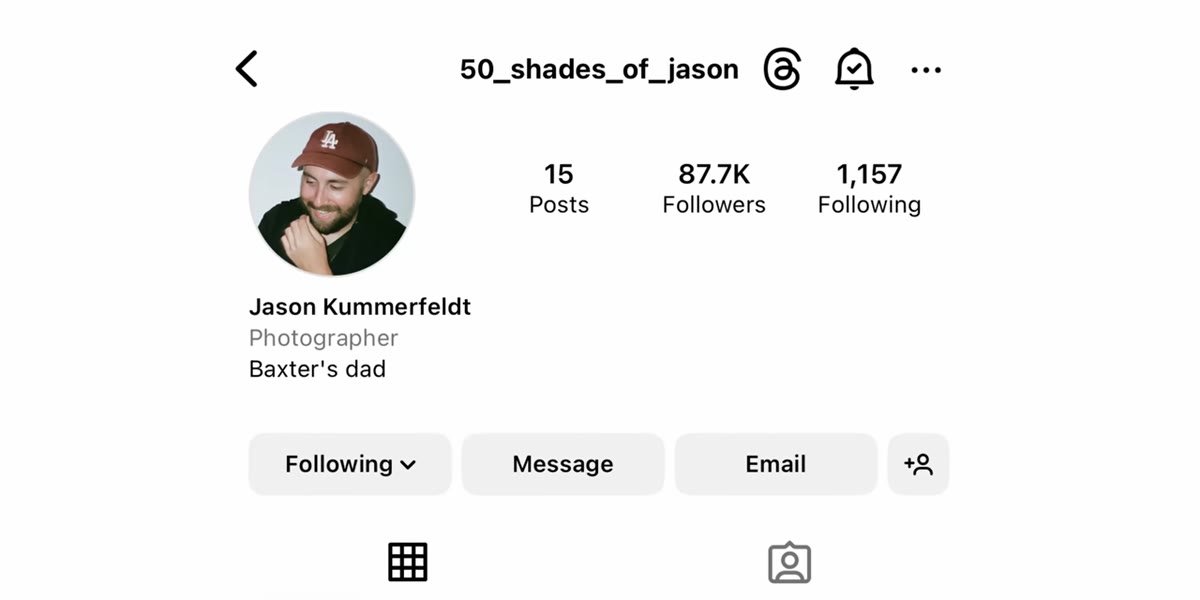
One of the biggest barriers to picking up film is the fear of wasting a shot. McKinnon talks about a creator named Jason who takes a sharp, funny, no-nonsense approach to film education. The tone matters more than you might think. If everyone you’re learning from makes film feel like a serious art ritual you’re not ready for, you’ll never load a roll.
50 Shades of Jason YouTube channel intro screen
One of the biggest barriers to picking up film is the fear of wasting a shot. McKinnon talks about a creator named Jason who takes a sharp, funny, no-nonsense approach to film education. The tone matters more than you might think. If everyone you’re learning from makes film feel like a serious art ritual you’re not ready for, you’ll never load a roll.
Find the person in the film community who makes you laugh and feel like it’s okay to mess up. McKinnon makes the point that film forces you to actually learn photography in a way that digital doesn’t, because you can’t just undo a bad exposure. That’s not a reason to be scared. It’s a reason to pay attention. Having a teacher who treats mistakes as part of the process makes that lesson land a lot easier.
Step 4: Study How Photographers Handle Light Transitions
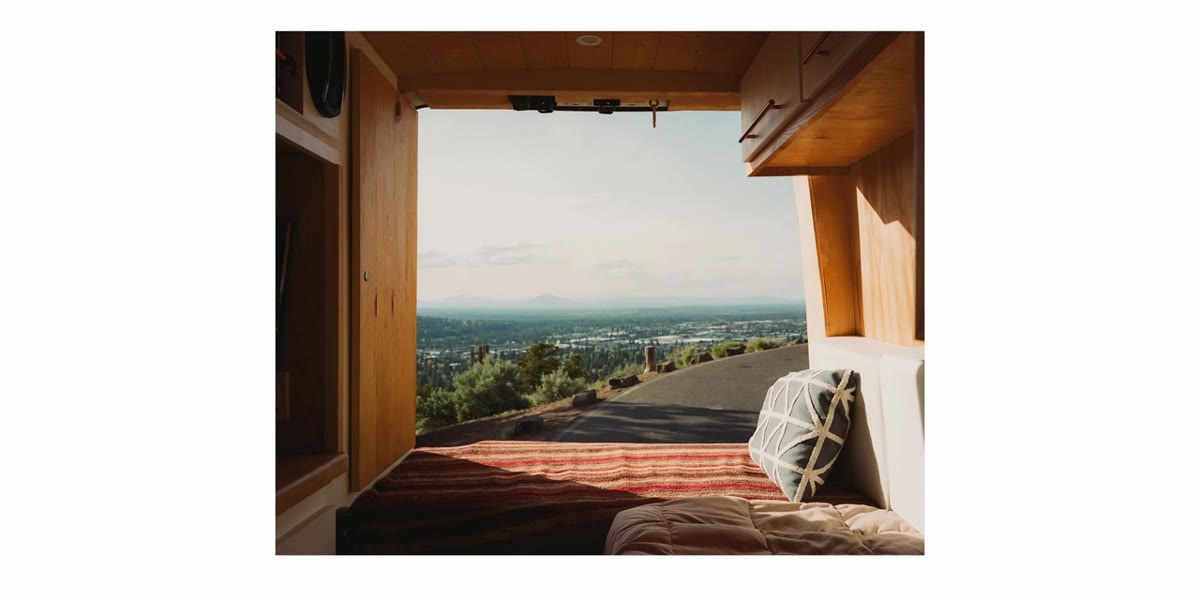 Van interior shot with harsh outside light and deep interior shadow
One of the specific images McKinnon pauses on shows the inside of a van, with bright harsh light coming from outside and the interior sitting in shadow. What makes it work is that both the highlights and the shadows are properly exposed, which is genuinely hard to pull off on film. Film latitude, meaning how much range a stock can hold between the brightest and darkest parts of a scene, varies a lot between stocks.
Van interior shot with harsh outside light and deep interior shadow
One of the specific images McKinnon pauses on shows the inside of a van, with bright harsh light coming from outside and the interior sitting in shadow. What makes it work is that both the highlights and the shadows are properly exposed, which is genuinely hard to pull off on film. Film latitude, meaning how much range a stock can hold between the brightest and darkest parts of a scene, varies a lot between stocks.
When you’re studying other photographers’ work, pay special attention to scenes with high contrast. Notice which film stocks handle it gracefully and which ones blow out highlights or crush shadows. Kodak stocks tend to handle overexposure more graciously than underexposure. Ilford in black and white gives you a lot of latitude in both directions. Knowing this before you shoot saves rolls.
Step 5: Slide Into the DMs (Seriously)
 McKinnon speaking directly to camera about reaching out to photographers
McKinnon mentions something that I think gets skipped over too easily: he actually reached out to several of these photographers directly, and every single one of them responded with generosity. The film photography community, especially on Instagram and YouTube, is one of the more welcoming corners of creative social media. People who shoot film tend to want others to shoot film. They’re not protective of their knowledge.
McKinnon speaking directly to camera about reaching out to photographers
McKinnon mentions something that I think gets skipped over too easily: he actually reached out to several of these photographers directly, and every single one of them responded with generosity. The film photography community, especially on Instagram and YouTube, is one of the more welcoming corners of creative social media. People who shoot film tend to want others to shoot film. They’re not protective of their knowledge.
If a photographer’s work is teaching you something, tell them. Ask a specific question, not “how do you get your photos to look like that,” but something precise, like “I noticed you shoot mostly in overcast light, is that intentional for this film stock?” Specific questions get real answers. The worst outcome is silence. The best outcome is a mentor you didn’t expect.
What I’d Add From My Own Experience
I’ve done my own version of this exercise on Sunday morning photo walks, and the thing that’s changed my shooting most isn’t the accounts I follow for inspiration. It’s the accounts I follow for correction. There’s a difference between work that makes you think “I wish I took that” and work that makes you think “oh, that’s what I’ve been doing wrong.” Seek out both. The aspirational accounts keep you motivated. The technical accounts keep you improving. You need the pull of both to actually grow.
The most important thing McKinnon demonstrates in this video isn’t any single photographer or film stock. It’s the posture of being a student, even when you have a large platform and years of experience. The willingness to say “I don’t know this yet, so I’m going to learn from people who do” is the fastest path to actually getting better. That applies whether you’re picking up film for the first time or trying to break through a creative plateau you’ve been stuck on for months.
Watch the full tutorial on YouTube and use the comments to find the photographers McKinnon mentions. Follow them before you watch the next video. Let the images sit with you for a week. Then go shoot.
Comments
Leave a Comment