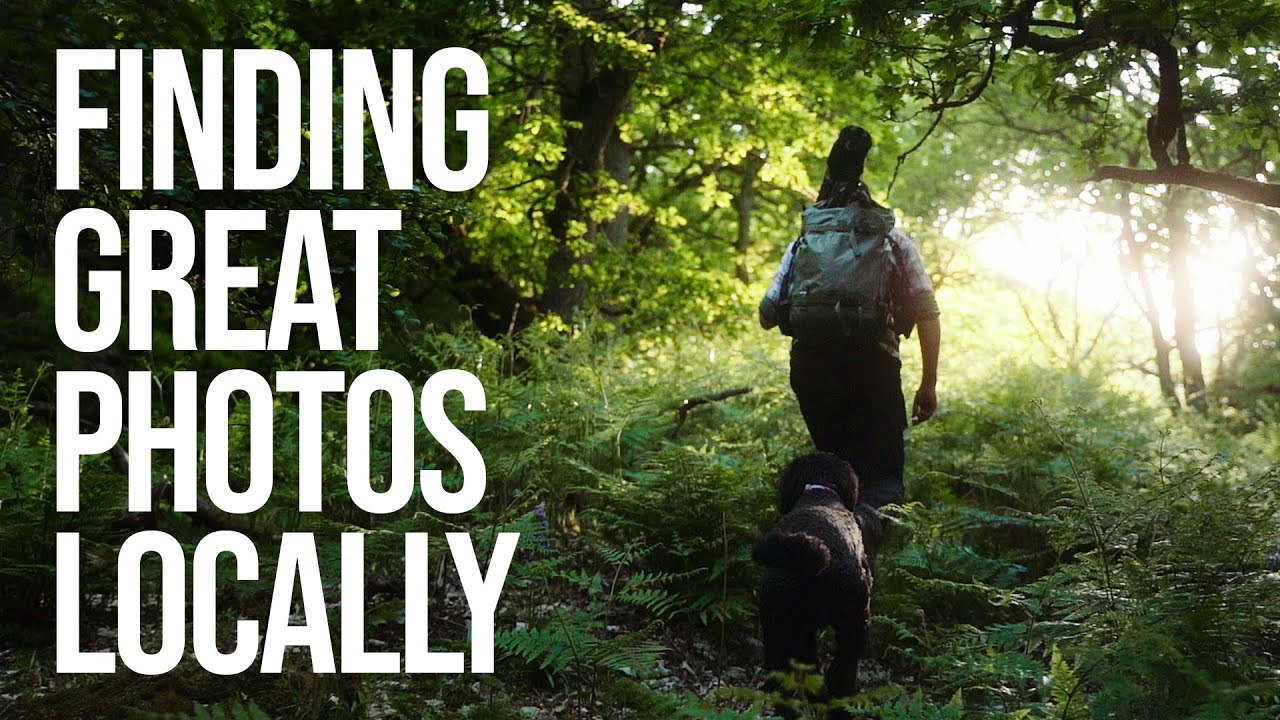
Every Sunday morning, I grab my camera and walk the same few blocks around my Seattle neighborhood. Same streets. Same coffee shop on the corner. Same stretch of waterfront. People have asked me why I don’t drive somewhere more interesting, and honestly, I used to wonder the same thing myself.
For a long time, I operated under this quiet assumption that great photography required great effort to get somewhere new. I once spent an entire vacation fixating on one waterfall shot, missing dinner every single night trying to get the light right. The irony is that one of my most-shared images ever was taken two blocks from my apartment on a $200 phone. That tension between chasing and staying has followed me through my whole career as a photographer and educator.
So when I came across this Sean Tucker tutorial featuring woodland photographer Simon Baxter, something clicked. Watch the full tutorial on YouTube - it’s one of those videos that reframes how you think rather than just teaching you a camera setting. Baxter’s core claim is simple and a little startling: his best work, the shots he’s proudest of, were all taken within 20 minutes of his house. What follows is a breakdown of the mindset and method behind that claim, and how you can apply it to wherever you happen to live.
Step 1: Let Constraints Become Your Creative Framework
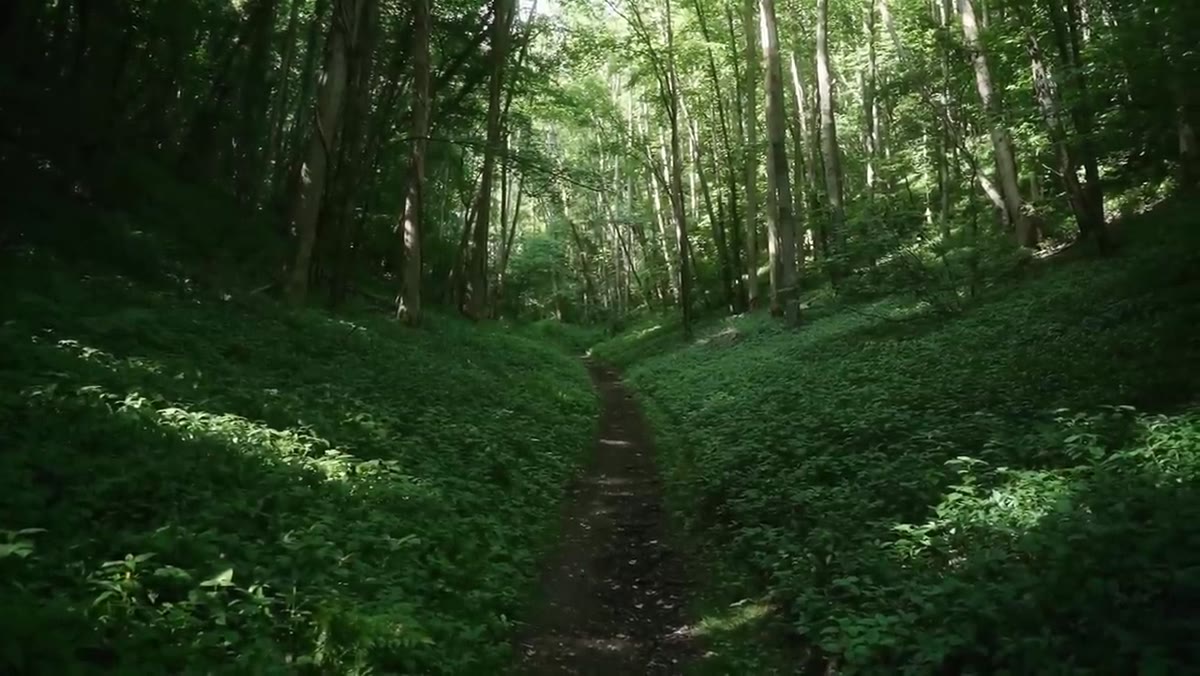 Sean Tucker introducing the assumption that great photos require travel
Most of us treat limitations as problems to solve later, once we have better gear, more time off, or a trip planned. Baxter’s story flips that. A back injury took extreme sports off the table for him, and suddenly the local woods he’d overlooked for years became his entire world. Constraint didn’t shrink his photography. It focused it.
Sean Tucker introducing the assumption that great photos require travel
Most of us treat limitations as problems to solve later, once we have better gear, more time off, or a trip planned. Baxter’s story flips that. A back injury took extreme sports off the table for him, and suddenly the local woods he’d overlooked for years became his entire world. Constraint didn’t shrink his photography. It focused it.
The practical takeaway here is to pick a radius and commit to it. Literally draw a circle on a map around your home, maybe a 20-minute walk or drive, and decide that for the next month, that’s your creative territory. The goal is depth, not breadth. You’ll start noticing things you’ve walked past a hundred times.
Step 2: Let a Routine Force You Out Consistently
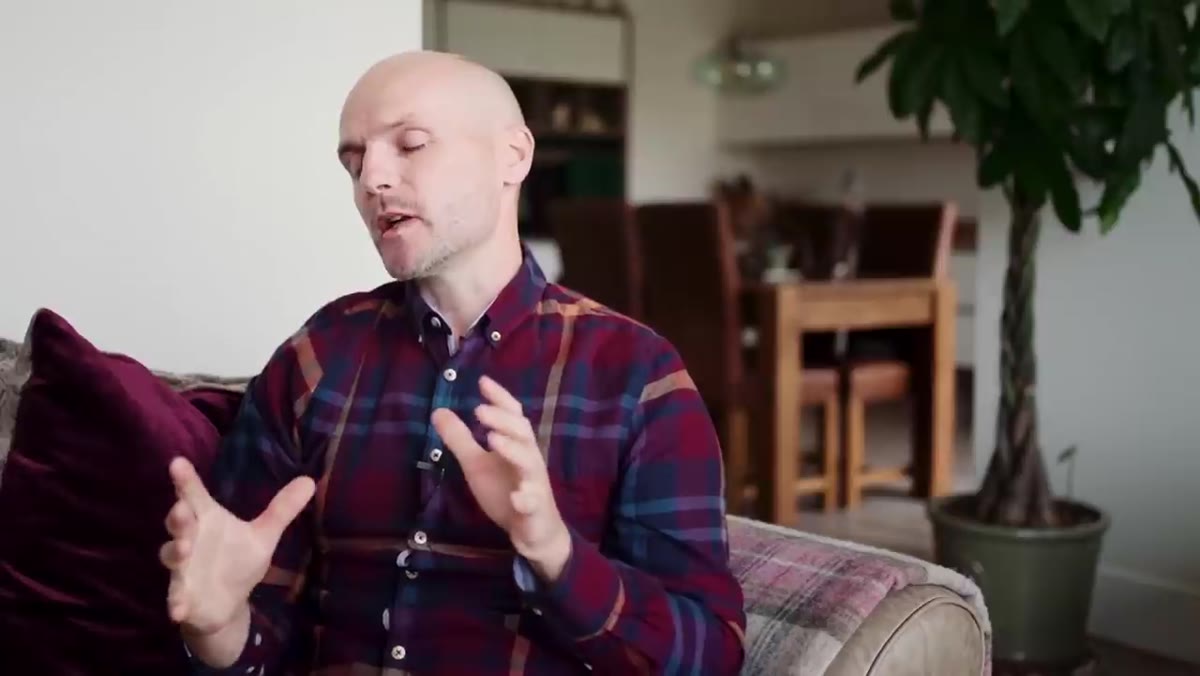 Simon describing slow rehabilitation walks from home with his dog
Baxter didn’t plan a portfolio project. He got a puppy. The dog needed daily walks, and those walks needed to happen regardless of whether the light was good, whether he felt inspired, or whether it was raining. Consistency, not inspiration, built his body of work.
Simon describing slow rehabilitation walks from home with his dog
Baxter didn’t plan a portfolio project. He got a puppy. The dog needed daily walks, and those walks needed to happen regardless of whether the light was good, whether he felt inspired, or whether it was raining. Consistency, not inspiration, built his body of work.
For me, this is the Sunday walk tradition. I show up whether I feel like it or not. Some mornings I come home with nothing I like. But those mornings are still training my eye, building familiarity with the light in my neighborhood, and occasionally I catch something surprising because I’m there. You can manufacture this consistency by tying your photo practice to something you already do: a commute, a dog walk, a morning run.
Step 3: Slow Down Your Pace Until the Scene Reveals Itself
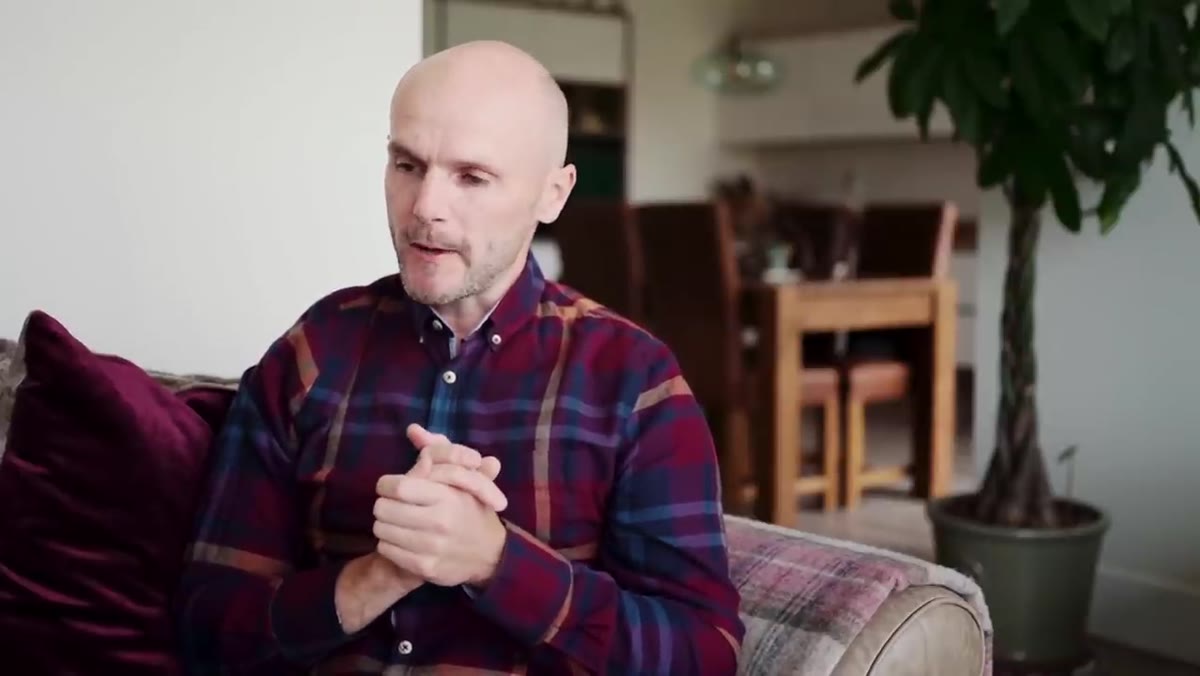 Simon describing slow paced appreciation of nature replacing adrenaline hobbies
Speed is the enemy of noticing. When Baxter traded mountain biking and kayaking for slow walks through the woods, he wasn’t just recovering physically. He was learning to see differently. There’s a real relationship between how fast you move and what registers in your eye.
Simon describing slow paced appreciation of nature replacing adrenaline hobbies
Speed is the enemy of noticing. When Baxter traded mountain biking and kayaking for slow walks through the woods, he wasn’t just recovering physically. He was learning to see differently. There’s a real relationship between how fast you move and what registers in your eye.
On your next outing, try this: walk your usual route, then walk it again at half the speed. Stop at anything that catches your peripheral vision, not just the obvious compositions. Get low, get close, look behind you. The same location offers completely different images depending on your pace and your willingness to stay with a scene instead of just passing through it.
Step 4: Return to the Same Spots in Different Conditions
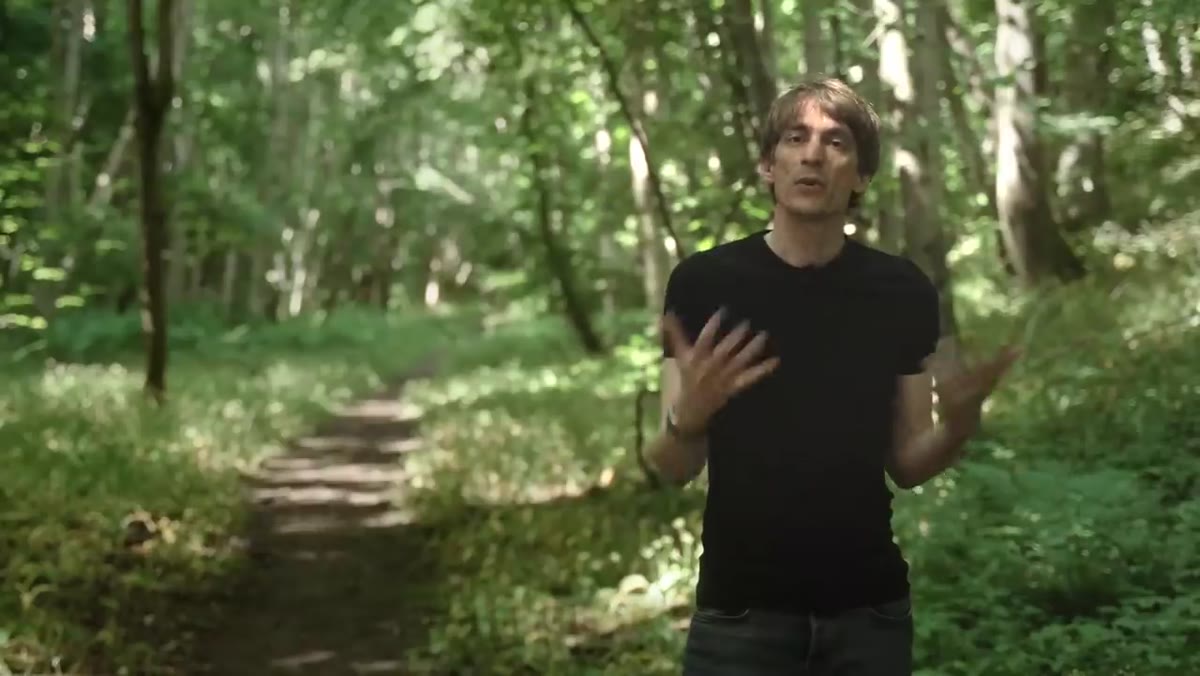 Simon described as photographer whose best shots are within 20 minutes of home
Local photography only pays off if you work a location across seasons, weather conditions, and times of day. A stand of trees in flat midday light is forgettable. The same trees in fog, or backlit in autumn, or covered in frost, can be extraordinary. Baxter knows his local woodland well enough to know exactly where to be when certain conditions arrive.
Simon described as photographer whose best shots are within 20 minutes of home
Local photography only pays off if you work a location across seasons, weather conditions, and times of day. A stand of trees in flat midday light is forgettable. The same trees in fog, or backlit in autumn, or covered in frost, can be extraordinary. Baxter knows his local woodland well enough to know exactly where to be when certain conditions arrive.
Start keeping a simple log, even just your phone’s notes app, of spots you want to revisit. Note the direction of light, what season you were there, what was interesting about it. When you hear a fog forecast or see a dramatic sky forming, you’ll already know where to go.
Step 5: Build Familiarity as a Creative Advantage
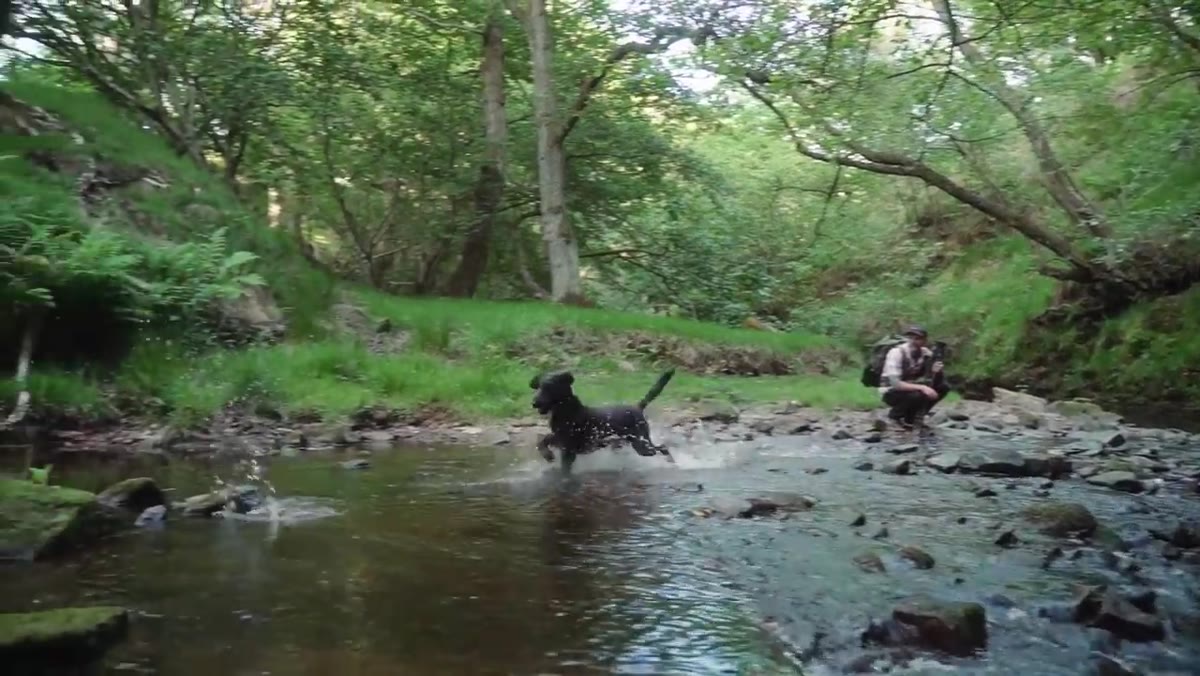 Simon and dog walking local area, car parked on drive for months
There’s something that happens when you photograph the same place repeatedly over months or years. You stop seeing it as a location and start understanding it as a subject. You know where the bluebells will be in spring. You know which path holds the best morning light in winter. You know the exact moment the mist settles in the valley below.
Simon and dog walking local area, car parked on drive for months
There’s something that happens when you photograph the same place repeatedly over months or years. You stop seeing it as a location and start understanding it as a subject. You know where the bluebells will be in spring. You know which path holds the best morning light in winter. You know the exact moment the mist settles in the valley below.
This familiarity is not boring. It’s a competitive advantage. Traveling photographers get one or two shots at a location. You get unlimited attempts. Every time conditions aren’t right, you’re still learning something that will make the next visit better.
Step 6: Use Proximity to Lower the Stakes and Experiment More
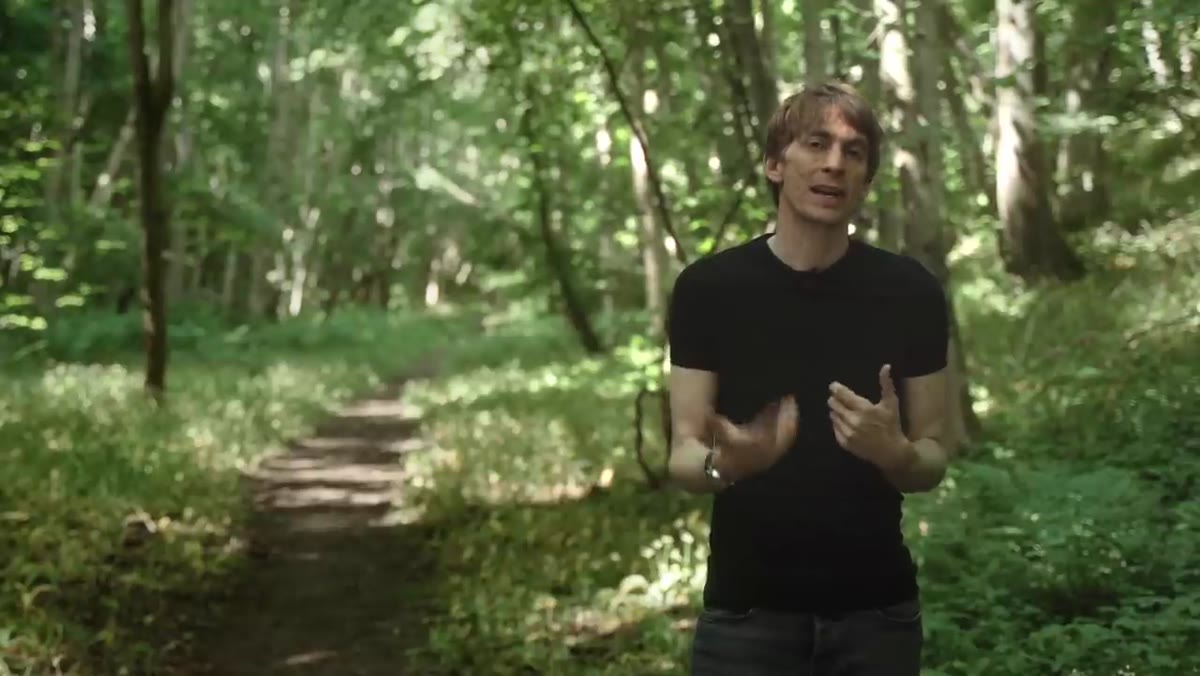 Sean Tucker noting he can now make documentaries and connect with local photographers
One underrated benefit of working locally is that failure costs you almost nothing. If a morning shoot doesn’t yield anything, you lost an hour, not a week of travel and a flight budget. That low-stakes environment is actually ideal for experimentation. Try new compositions. Shoot in conditions you’d normally avoid. Bring just your phone and leave the full kit at home to force a different approach.
Sean Tucker noting he can now make documentaries and connect with local photographers
One underrated benefit of working locally is that failure costs you almost nothing. If a morning shoot doesn’t yield anything, you lost an hour, not a week of travel and a flight budget. That low-stakes environment is actually ideal for experimentation. Try new compositions. Shoot in conditions you’d normally avoid. Bring just your phone and leave the full kit at home to force a different approach.
I’ve done phone-only Sundays just to shake up my habits. Working with a single fixed lens and a small sensor forced me to think about proximity and framing in ways that changed how I use my primary camera afterward.
What I’d Add: The Emotional Layer of a Home Location
There’s something Baxter touches on that I think deserves more space. The local woodland wasn’t just convenient for him. It became tied to a genuinely difficult period of his life, one involving chronic pain, uncertainty, and recovery. That emotional weight is present in his images, even if you can’t name it when you look at them.
When you spend real time in a place, your relationship with it accumulates meaning. You don’t just know where to stand. You know why the place matters to you. That’s hard to fake, and it shows in the work. The photographs you make near home have the potential to carry more of yourself than anything you shoot as a tourist. That’s not a small thing.
The single most important lesson from Simon Baxter’s approach is this: proximity doesn’t limit your photography. Familiarity does, if you let it make you lazy. Fight that by showing up consistently, slowing down, and treating your local area as a subject worth understanding rather than a place to shoot until something better comes along.
Watch the full tutorial on YouTube and spend some time with Simon’s actual work. It will make you want to walk out your front door with a camera immediately.
Comments (2)
Been doing this wrong for years apparently. Thanks for the wake-up call.
Excellent tutorial. I'd add that from a compositing standpoint, this technique is incredibly versatile.
Leave a Comment