When the Light Fails You: How to Use Long Exposure to Rescue a Flat, Lifeless Scene

When the Light Fails You: How to Use Long Exposure to Rescue a Flat, Lifeless Scene

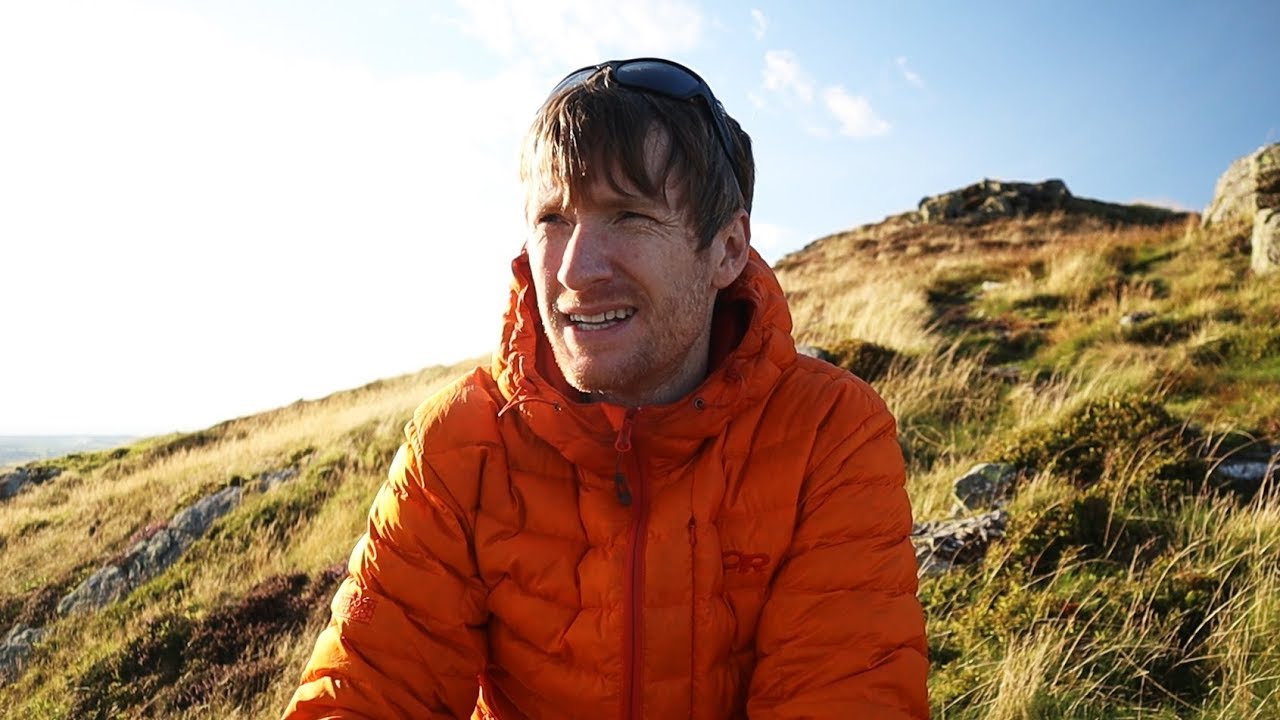
There’s a specific kind of frustration I know well: you’ve scouted the location, set the alarm, driven out in the dark, and then stood there watching a flat gray sky deliver absolutely nothing. No color, no drama, choppy water, moving subjects. I’ve packed up and gone home on mornings like that more times than I’d like to admit. What I’ve been working on lately is reframing that moment. Instead of treating bad conditions as a dead end, treating them as a constraint that forces a creative solution.
How to Edit Travel Photos That Actually Feel Like the Place: Lessons from Peter McKinnon

How to Edit Travel Photos That Actually Feel Like the Place: Lessons from Peter McKinnon

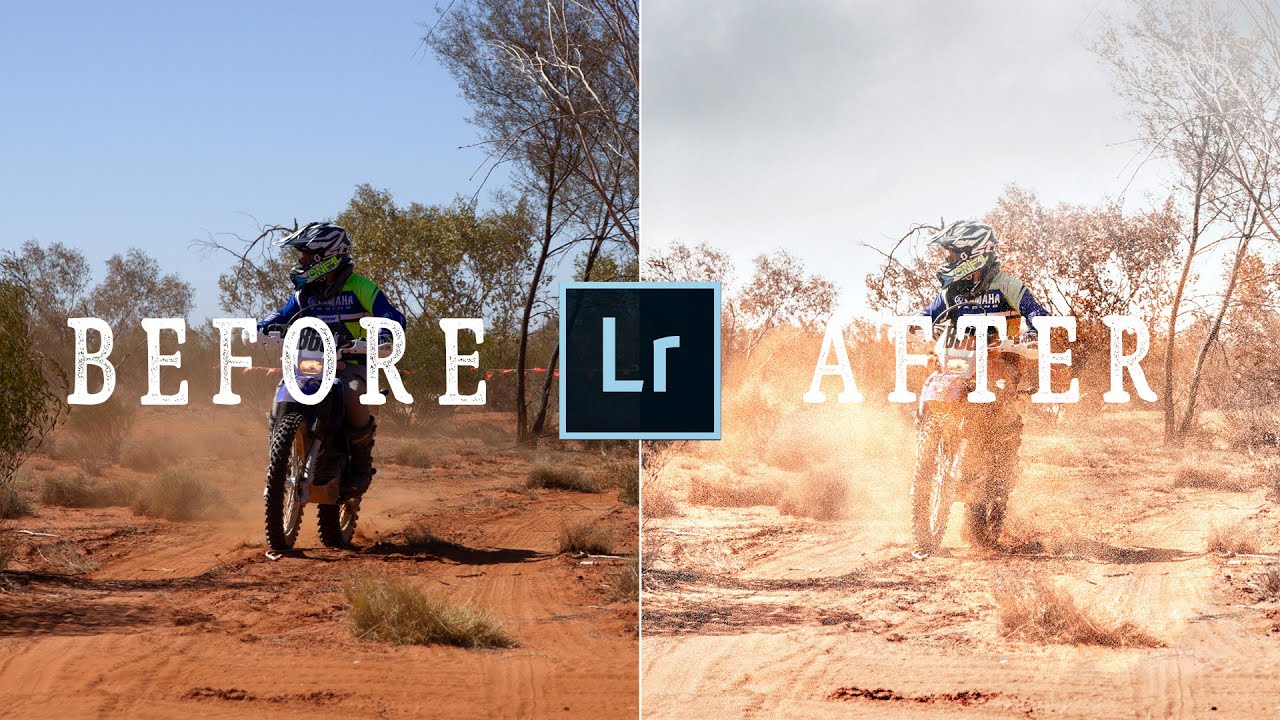
Every time I come back from a trip with a memory card full of RAW files, I face the same problem: the photos are technically fine, but they don’t feel like the place. The Grand Canyon shot looks flat and blue instead of warm and dusty. The landmark photo is cluttered or blown out. The sky is a blank nothing when I remember it being dramatic. These aren’t problems with my camera settings.

How to Read a Seascape Scene Before You Shoot: Lessons from Bombo Quarry

How to Read a Seascape Scene Before You Shoot: Lessons from Bombo Quarry

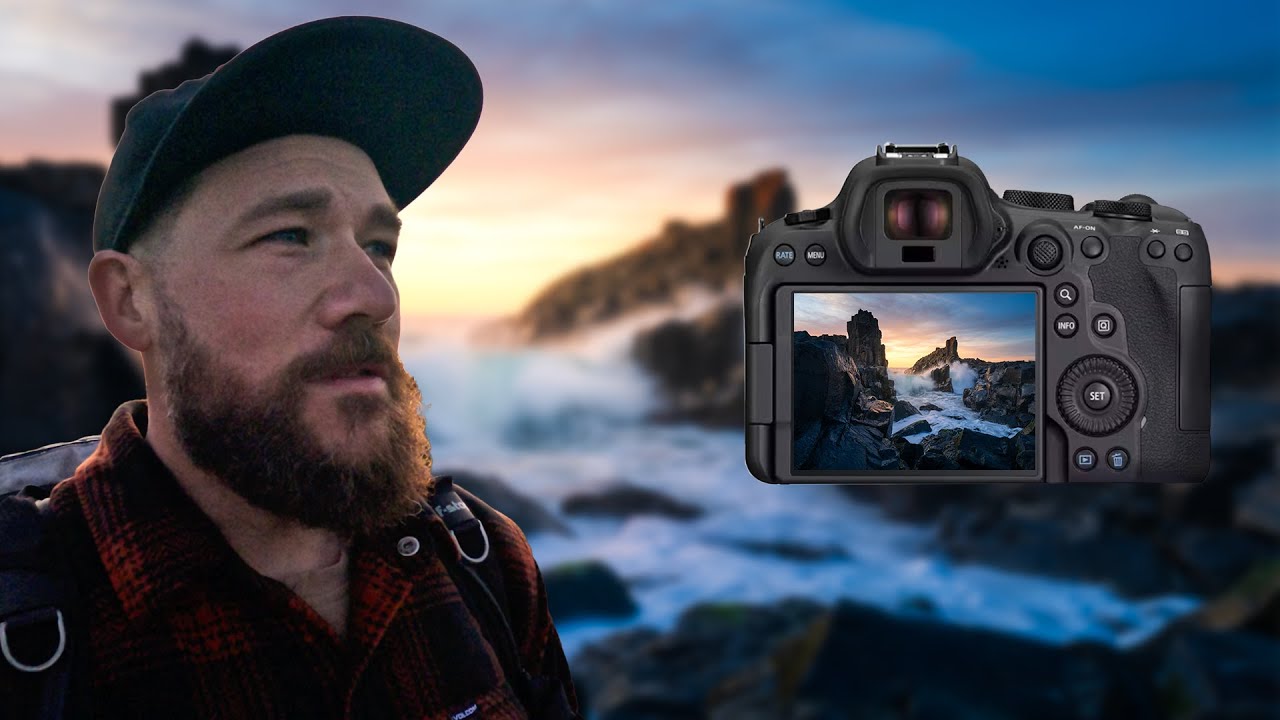
There’s a particular kind of paralysis that hits me at dramatic coastal locations. Too many foreground options, water that won’t stay still, light that’s changing every thirty seconds. I either freeze up and shoot the “obvious” frame everyone else shoots, or I move too fast and miss the moment entirely. What I’ve needed, for a long time, is a reliable process for reading a scene before committing to a shot.

Octabox vs. White Reflective Umbrella: Which Light Modifier Should You Reach For First?

Octabox vs. White Reflective Umbrella: Which Light Modifier Should You Reach For First?

Every Sunday morning I take a photo walk around Seattle, and I always bring whatever gear I’m currently thinking about. Lately that’s been lighting modifiers, specifically the question of whether a beginner or budget-conscious portrait photographer needs to invest in a premium softbox right out of the gate. It’s a question I get asked constantly, and honestly, I didn’t have a crisp answer until I sat down with this comparison tutorial.

The 120x30 Softbox: Why This Overlooked Shape Is My Favorite Beauty Modifier

The 120x30 Softbox: Why This Overlooked Shape Is My Favorite Beauty Modifier

I used to own three round softboxes and thought I had my lighting covered. Same shape, different sizes — how much variation did I really need? It wasn’t until I started experimenting with strip-style and rectangular modifiers that I realized how much I’d been leaving on the table. The shape of your modifier isn’t just an aesthetic choice. It determines how light wraps, where it hardens, and what shows up in your subject’s eyes.

How to Light and Shoot Large Furniture Products (Without a Full Studio Setup)

How to Light and Shoot Large Furniture Products (Without a Full Studio Setup)

Every time someone in one of my workshops asks about product photography, the conversation lands in the same place: tabletop setups, white seamless paper, and a couple of speedlights pointed at a coffee mug. That’s genuinely useful to know. But what happens when the product is a sofa? A dining table? A chair that’s taller than your lighting stand? I ran into this exact wall a few years back when a small furniture brand reached out asking if I could shoot their line for a product catalog.

How to Rescue a Bad Photo (And What It Teaches You About Getting It Right Next Time)

How to Rescue a Bad Photo (And What It Teaches You About Getting It Right Next Time)

Every photographer I know has a folder they hope nobody finds. Mine is called “Drafts” — which is a polite name for “photos I took when I was confident and shouldn’t have been.” A blurry heron from last Sunday’s photo walk. A restaurant dish shot with the wrong white balance. A travel portrait where the focus landed on someone’s ear instead of their eyes. These happen to everyone, including photographers you follow and admire.

When Bad Weather Creates Rare Shots: What I Learned from Photographing a Flooded Ancient Forest

When Bad Weather Creates Rare Shots: What I Learned from Photographing a Flooded Ancient Forest

I used to treat bad weather like a closed door. Rain meant staying home, overcast meant flat light, flooding meant stay away from the gear. It took me an embarrassingly long time to flip that around and start asking: what does this weather make possible that didn’t exist yesterday? That shift in mindset is exactly what this William Patino tutorial put into words better than I’ve managed to. Watch the full tutorial on YouTube

Why Your Best Photos Get Ignored (And What That Actually Means for Your Growth)

Why Your Best Photos Get Ignored (And What That Actually Means for Your Growth)

There’s a specific kind of frustration I know a lot of photographers feel but rarely talk about out loud. You spend real time and creative energy on an image. You push yourself somewhere new technically or emotionally. You post it. And it lands with a quiet thud. Then you throw up something quick, a photo you almost didn’t bother editing, and it blows up. Comments, shares, people sliding into your DMs.

How to Audit Your Camera Bag and Choose the One Body That Actually Serves You

How to Audit Your Camera Bag and Choose the One Body That Actually Serves You

There’s a point most photographers hit where the gear starts owning them instead of the other way around. I know I hit it. I had two mirrorless bodies, a backup DSLR I hadn’t touched in eight months, and a film camera I kept “just in case.” Every time I packed for a Sunday photo walk, I’d spend twenty minutes debating which body to bring and end up annoyed before I’d taken a single shot.

Three Things I Do in Photoshop Before Every Print Order (Based on William Patino's Workflow)

Three Things I Do in Photoshop Before Every Print Order (Based on William Patino's Workflow)

Getting a photo printed should feel exciting. In practice, it often feels like a gamble. I’ve opened print orders and spotted a dust spot dead-center in a clear sky, visible from across the room. I’ve had colors look muddy compared to what I saw on my monitor. I’ve exported the wrong file version entirely. None of those mistakes are expensive to fix once you know what to look for before you send anything to the lab.

Why Your Portrait Lighting Looks Flat at Home (And How to Fix It in Post)

Why Your Portrait Lighting Looks Flat at Home (And How to Fix It in Post)

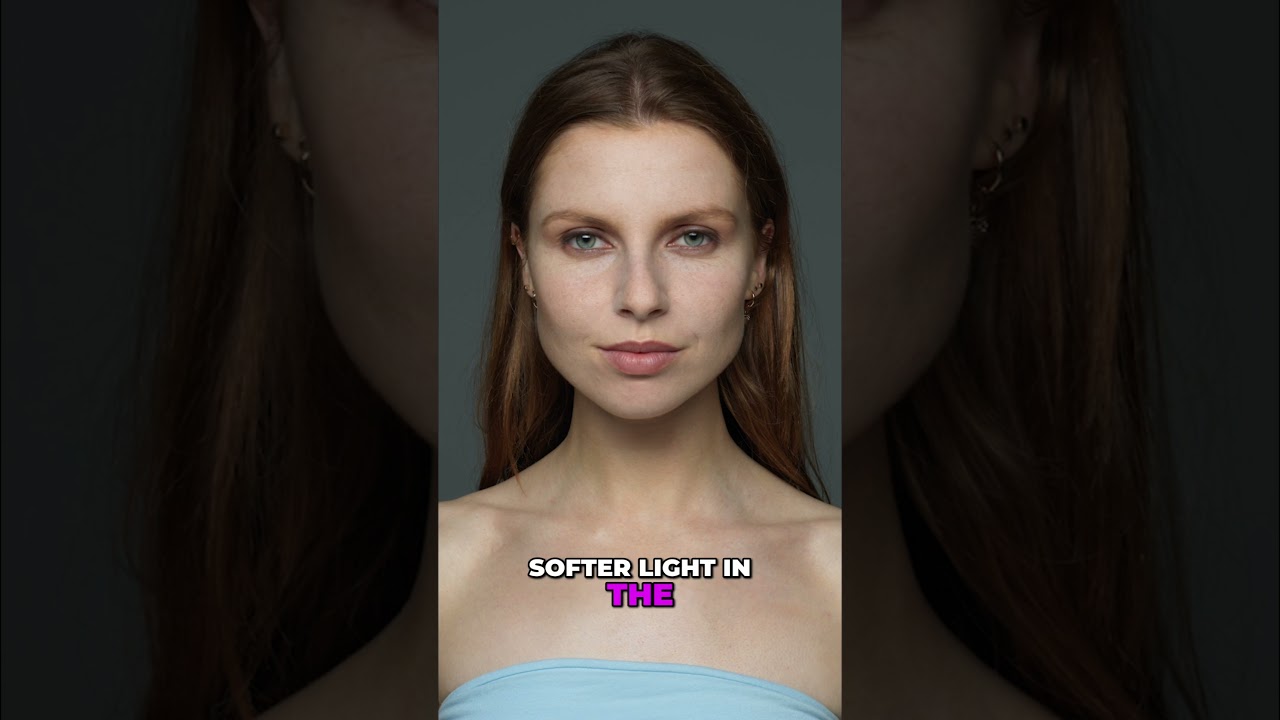
You know that sinking feeling when you load a portrait onto your computer and the light that looked so gorgeous on location just… disappears? I’ve been there more times than I’d like to admit. You place your subject perfectly, the shadows are sculpting the face exactly right, you’re almost giddy pressing the shutter. Then you get home, open the raw file, and the whole thing looks like a flat, lifeless scan of a bad print.