
Every Sunday morning I take a photo walk around Seattle, and I always bring whatever gear I’m currently thinking about. Lately that’s been lighting modifiers, specifically the question of whether a beginner or budget-conscious portrait photographer needs to invest in a premium softbox right out of the gate. It’s a question I get asked constantly, and honestly, I didn’t have a crisp answer until I sat down with this comparison tutorial.
In this Visual Education tutorial, creator Karl Taylor puts a 150cm Octabox head-to-head against a 160cm white reflective umbrella to see how the two stack up in real portrait conditions. Watch the full tutorial on YouTube and follow along with the breakdown below. What I love about this comparison is that it doesn’t just tell you which modifier wins on paper. It shows you the actual light quality differences, which is the only thing that matters when you’re standing in front of a subject trying to make them look their best.
If you’ve ever stood in a camera store staring at a wall of modifiers and left with nothing because the options felt overwhelming, this one is for you. Let’s walk through exactly what the tutorial covers and what each step means for your shooting.
Step 1: Understand What You’re Actually Comparing
 Octabox 150 and white umbrella side by side on stands
Before any light fires, it helps to know what separates these two tools at a fundamental level. The Octabox 150 is a purpose-built studio modifier with internal baffles and a front diffusion panel designed to shape and soften light in a controlled way. The 160cm white reflective umbrella works on a completely different principle. You point the strobe away from your subject, bounce it into the white interior of the umbrella, and the reflected light wraps back around toward your subject. No diffusion panel required.
Octabox 150 and white umbrella side by side on stands
Before any light fires, it helps to know what separates these two tools at a fundamental level. The Octabox 150 is a purpose-built studio modifier with internal baffles and a front diffusion panel designed to shape and soften light in a controlled way. The 160cm white reflective umbrella works on a completely different principle. You point the strobe away from your subject, bounce it into the white interior of the umbrella, and the reflected light wraps back around toward your subject. No diffusion panel required.
The size difference between 150cm and 160cm is negligible in practice. What matters is the quality and character of the light each one produces, and that’s exactly what this comparison sets out to measure.
Step 2: Acknowledge the Umbrella’s Real-World Limitations
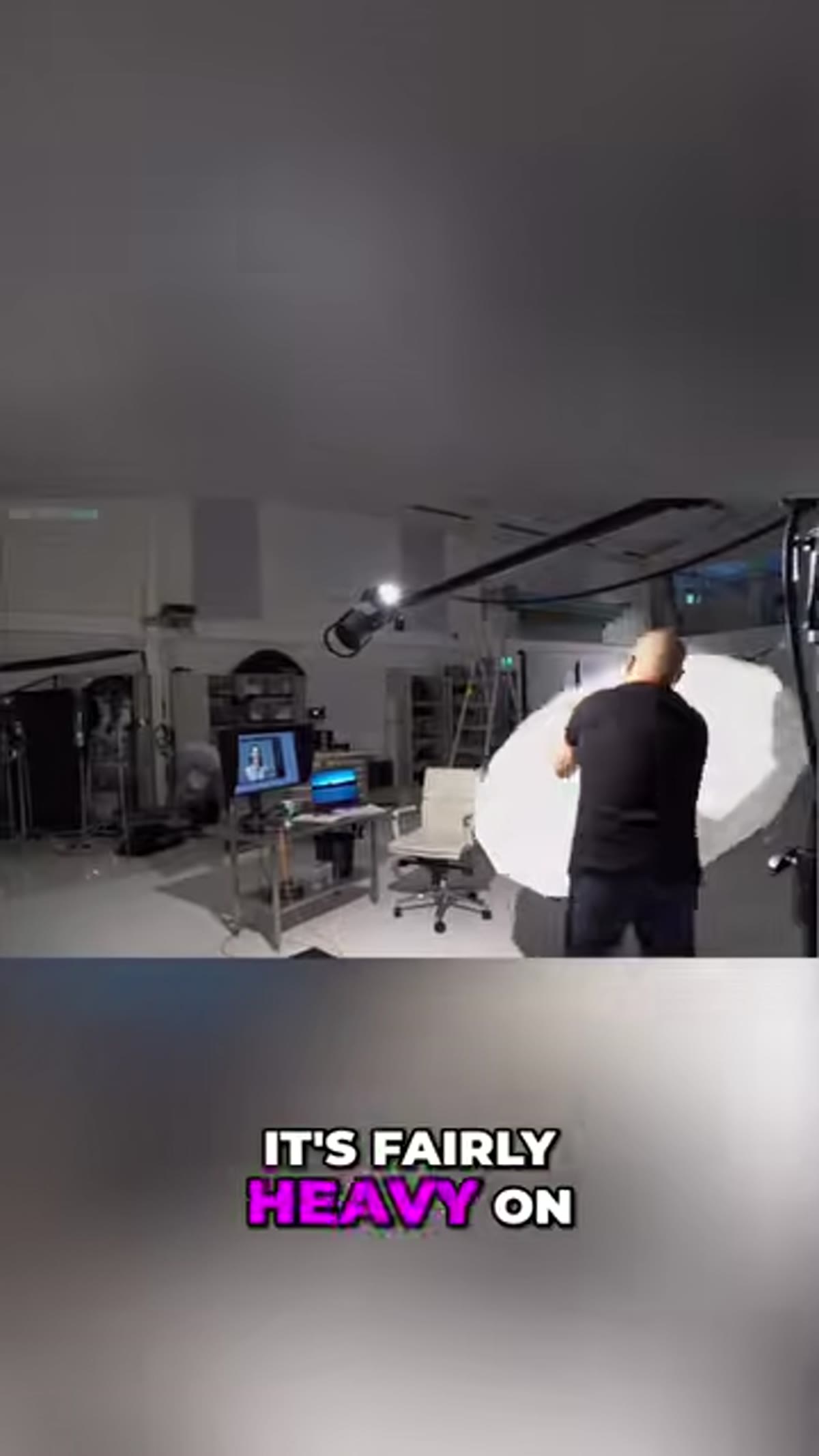 Large white umbrella mounted on light stand, visibly bowing
The white reflective umbrella is one of the most affordable lighting tools you can buy, and that’s genuinely exciting for anyone building a kit on a budget. But budget doesn’t mean perfect, and it’s worth knowing what you’re signing up for before you commit.
Large white umbrella mounted on light stand, visibly bowing
The white reflective umbrella is one of the most affordable lighting tools you can buy, and that’s genuinely exciting for anyone building a kit on a budget. But budget doesn’t mean perfect, and it’s worth knowing what you’re signing up for before you commit.
The 160cm umbrella is large enough to be unwieldy. It puts real stress on the light stand rod, which can cause bending over time, and when it’s fully open it takes up a serious amount of floor space. In a small apartment or a tight shooting space, that’s not a minor inconvenience. It can actually limit the angles and positions you’re able to work with. Know your space before you buy.
Step 3: See the Light Quality the Umbrella Actually Produces
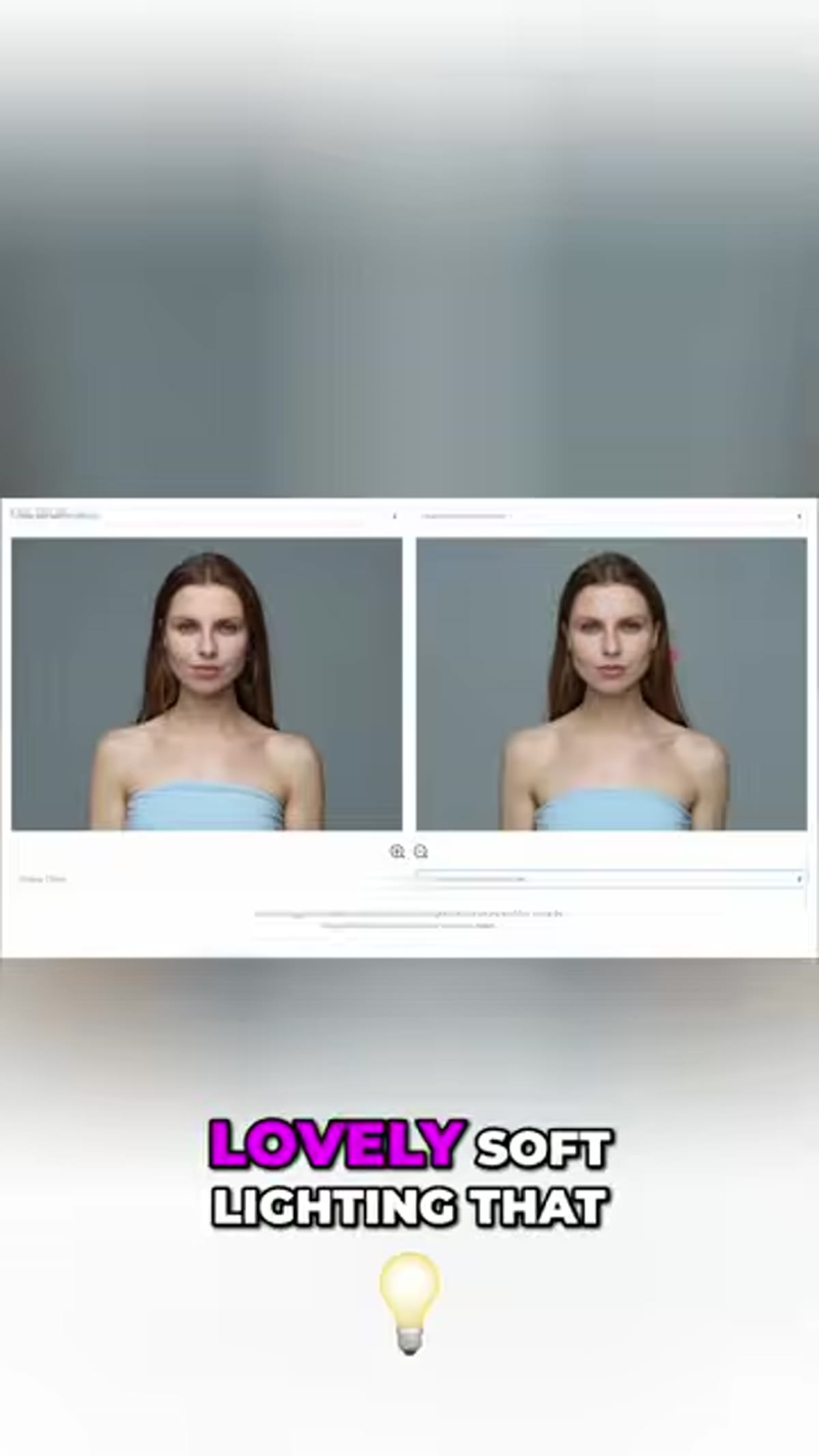 Portrait lit by white reflective umbrella showing soft wraparound light
Here’s where the umbrella earns its place in the conversation. When you bounce a strobe into a large white interior, the reflected light becomes extremely soft and flattering. The large surface area of the umbrella acts almost like a giant, glowing wall of light, and that’s exactly what you want for portrait work.
Portrait lit by white reflective umbrella showing soft wraparound light
Here’s where the umbrella earns its place in the conversation. When you bounce a strobe into a large white interior, the reflected light becomes extremely soft and flattering. The large surface area of the umbrella acts almost like a giant, glowing wall of light, and that’s exactly what you want for portrait work.
The tutorial shows the umbrella producing genuinely beautiful, soft illumination on the subject’s face. The light wraps around the features rather than cutting hard shadows, which is the hallmark of a quality modifier doing its job. For the price of entry, this is a remarkable result. If your only priority is soft, flattering portrait light and you’re working with limited funds, the umbrella can absolutely get you there.
Step 4: Compare Directly Against the Octabox 150
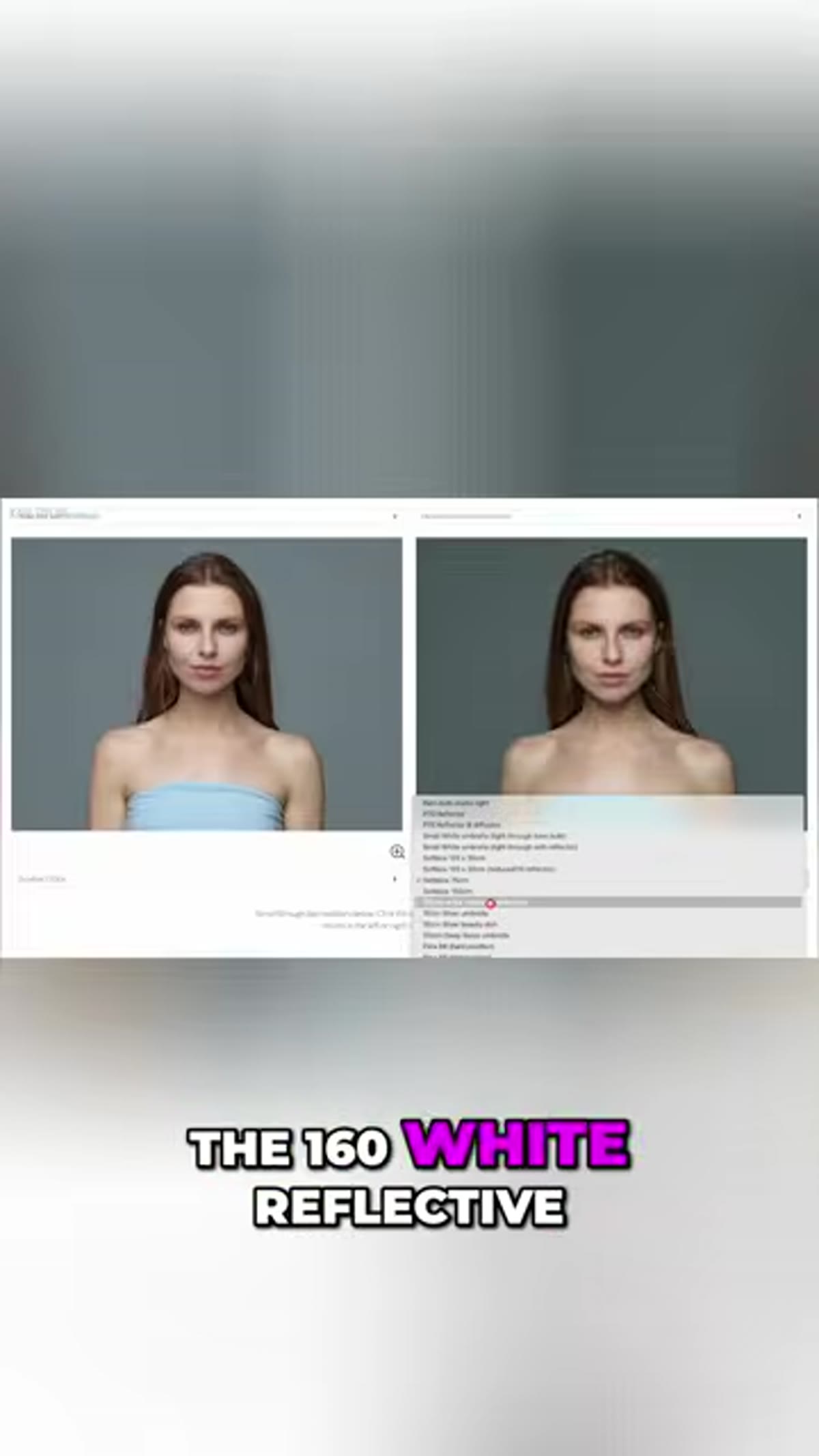
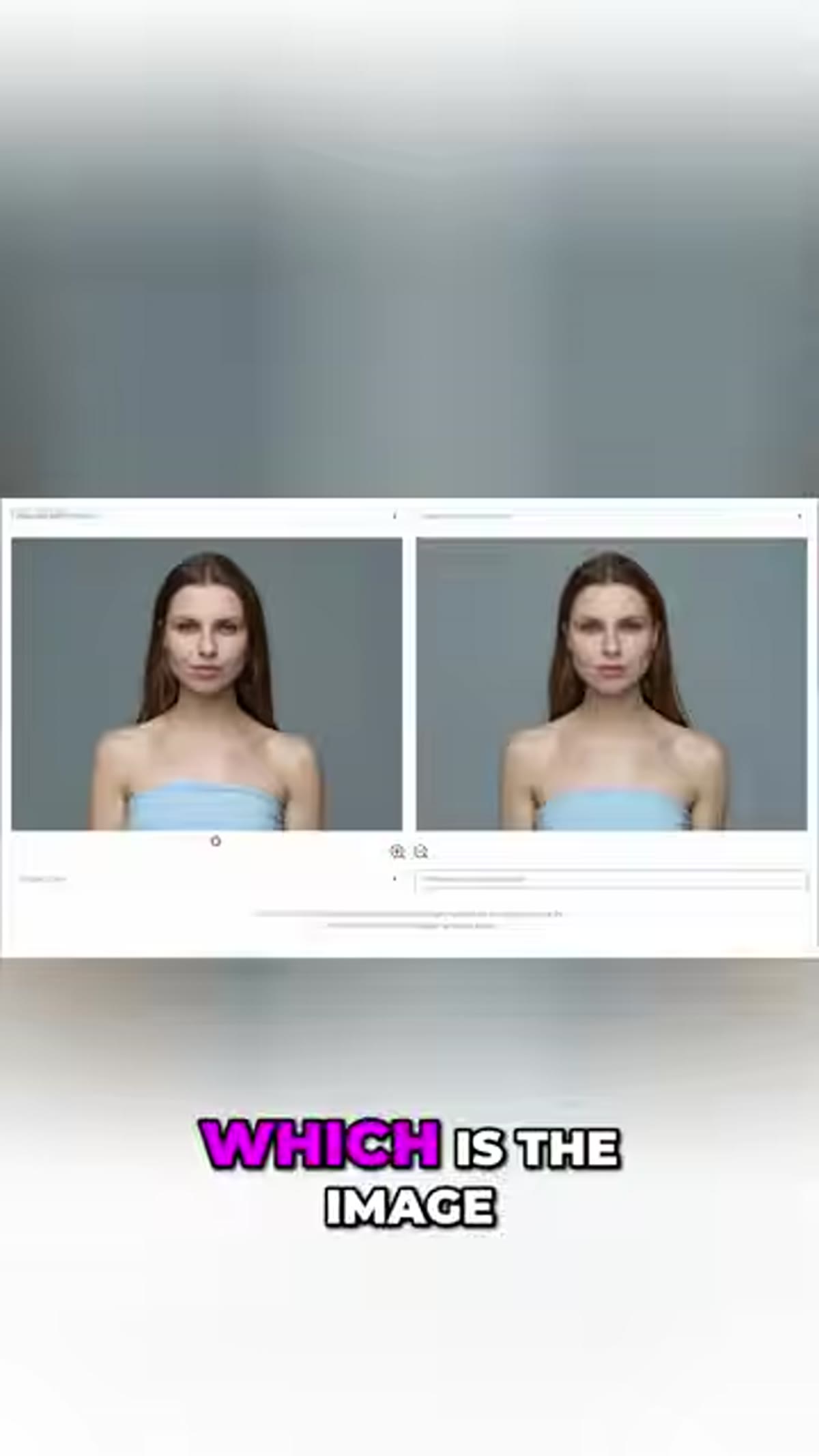 Side-by-side portrait results from Octabox 150 and white umbrella
The Octabox 150 is the benchmark here, and for good reason. Octaboxes in this size range are a workhorse modifier for professional portrait and commercial photographers. The multi-sided shape mimics a window more closely than a round softbox, and the dual diffusion layers give you a high degree of control over how the light falls off.
Side-by-side portrait results from Octabox 150 and white umbrella
The Octabox 150 is the benchmark here, and for good reason. Octaboxes in this size range are a workhorse modifier for professional portrait and commercial photographers. The multi-sided shape mimics a window more closely than a round softbox, and the dual diffusion layers give you a high degree of control over how the light falls off.
When you place the two modifiers’ results side by side, you start to see the differences. The Octabox produces light that is equally soft but slightly more contained and directional. The umbrella throws light a bit more broadly, which can be a benefit or a drawback depending on your setup. If you’re shooting in a space with light-colored walls, the umbrella may bounce light around the room in ways you didn’t intend. The Octabox keeps things tidier.
Step 5: Factor In the Practical Trade-Offs
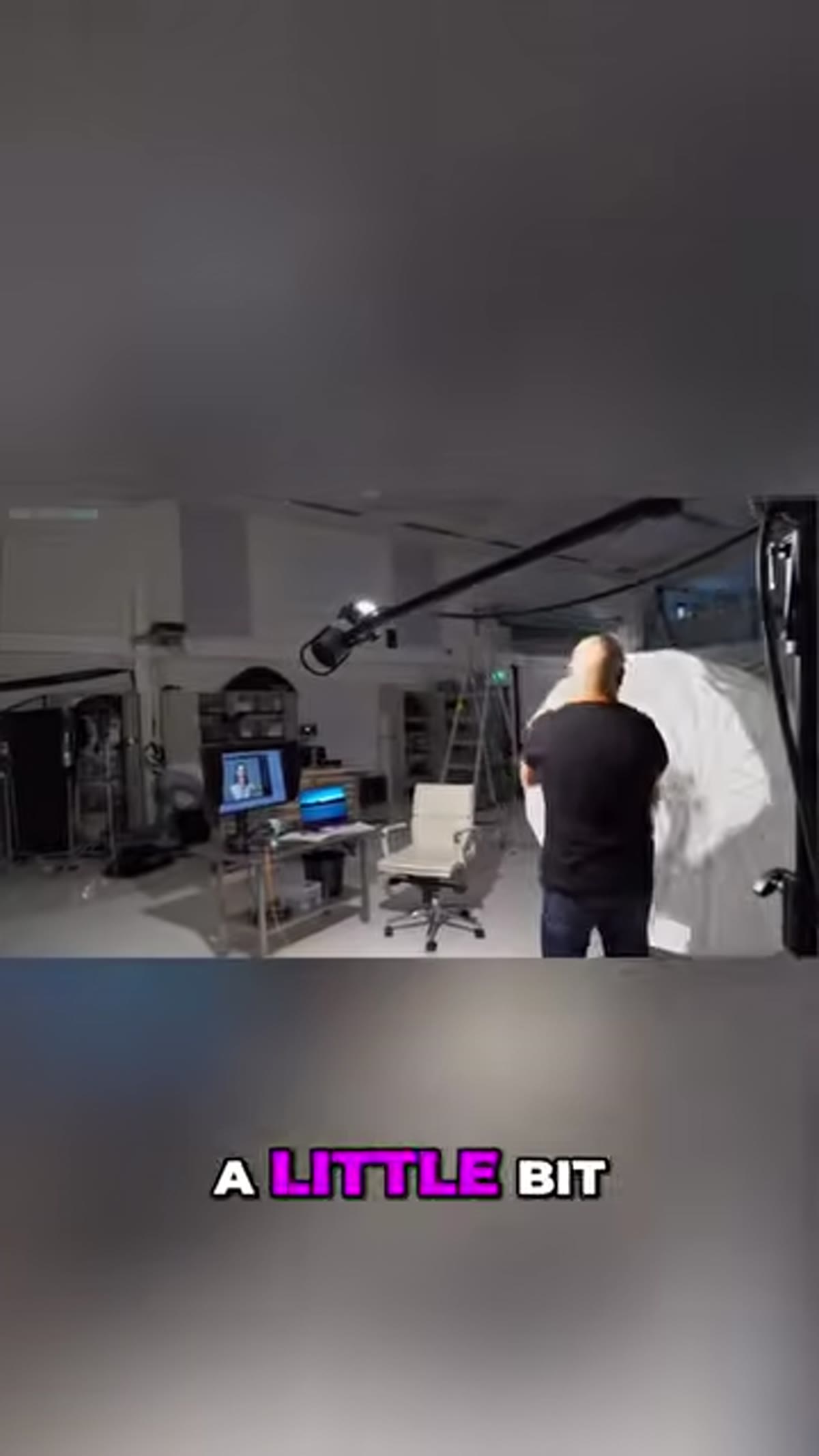 Umbrella bending on rod demonstrating structural limitation
Softness of light is only one variable. When you’re choosing between these two modifiers, you need to think about portability, setup time, and durability alongside image quality.
Umbrella bending on rod demonstrating structural limitation
Softness of light is only one variable. When you’re choosing between these two modifiers, you need to think about portability, setup time, and durability alongside image quality.
The umbrella folds down quickly and travels well, but it’s awkward at full deployment. The Octabox takes longer to assemble and costs significantly more, but it behaves more predictably and holds its shape consistently. For a photographer who shoots on location with changing conditions, the extra setup time of the Octabox might feel like a worthwhile trade for that consistency. For someone who shoots in a fixed home studio, the umbrella’s bulk matters less. There’s no universal right answer, only the answer that fits how you actually work.
Step 6: Use the Result to Make an Intentional Choice
 White reflective umbrella fully open showing interior bounce surface
The takeaway from this comparison is not that one modifier is objectively better. It’s that both produce soft, beautiful portrait light and the differences come down to control, convenience, and cost. If you’re starting out and working with a tight budget, a large white reflective umbrella is a legitimate professional-grade option, not a compromise. If you’re ready to invest in something more precise and packable, the Octabox earns its price.
White reflective umbrella fully open showing interior bounce surface
The takeaway from this comparison is not that one modifier is objectively better. It’s that both produce soft, beautiful portrait light and the differences come down to control, convenience, and cost. If you’re starting out and working with a tight budget, a large white reflective umbrella is a legitimate professional-grade option, not a compromise. If you’re ready to invest in something more precise and packable, the Octabox earns its price.
Make the choice deliberately. Know what you’re optimizing for and buy accordingly.
One Thing I’d Add From My Own Experience
I spent a long time thinking that better gear would automatically mean better results, and the umbrella-versus-octabox question is a perfect illustration of why that thinking is flawed. The most-liked photo on my Instagram was shot with a $200 phone. It sparked an entire series of articles about how much gear actually matters compared to understanding light itself.
An umbrella that teaches you how soft light wraps around a face is worth infinitely more than an expensive modifier you don’t fully understand. If you’re newer to studio lighting, I’d actually suggest starting with the umbrella for that reason alone. It’s forgiving, it’s cheap enough that you won’t be precious about experimenting, and the results will teach you what good portrait light looks and feels like. Once you understand that, you’ll know exactly what you’re buying when you move up.
The single most important thing this tutorial confirms is that large, soft light sources produce flattering portraits, and you don’t need to spend a lot of money to access one. A large white reflective umbrella, used well, holds its own against a premium Octabox in terms of light quality. The differences are real but they’re practical, not magical.
Watch the full tutorial on YouTube to see the actual side-by-side portrait comparisons and decide which modifier fits where you are right now.
Comments (3)
Tried this technique this morning. Game changer for real.
Shared this with my photography group. Everyone loved it.
Great article! I actually covered something related on my site — the color grading angle is really complementary to this.
Leave a Comment