Why I Started Intentionally Making My Photos Look Worse (And Why You Should Too)

Why I Started Intentionally Making My Photos Look Worse (And Why You Should Too)

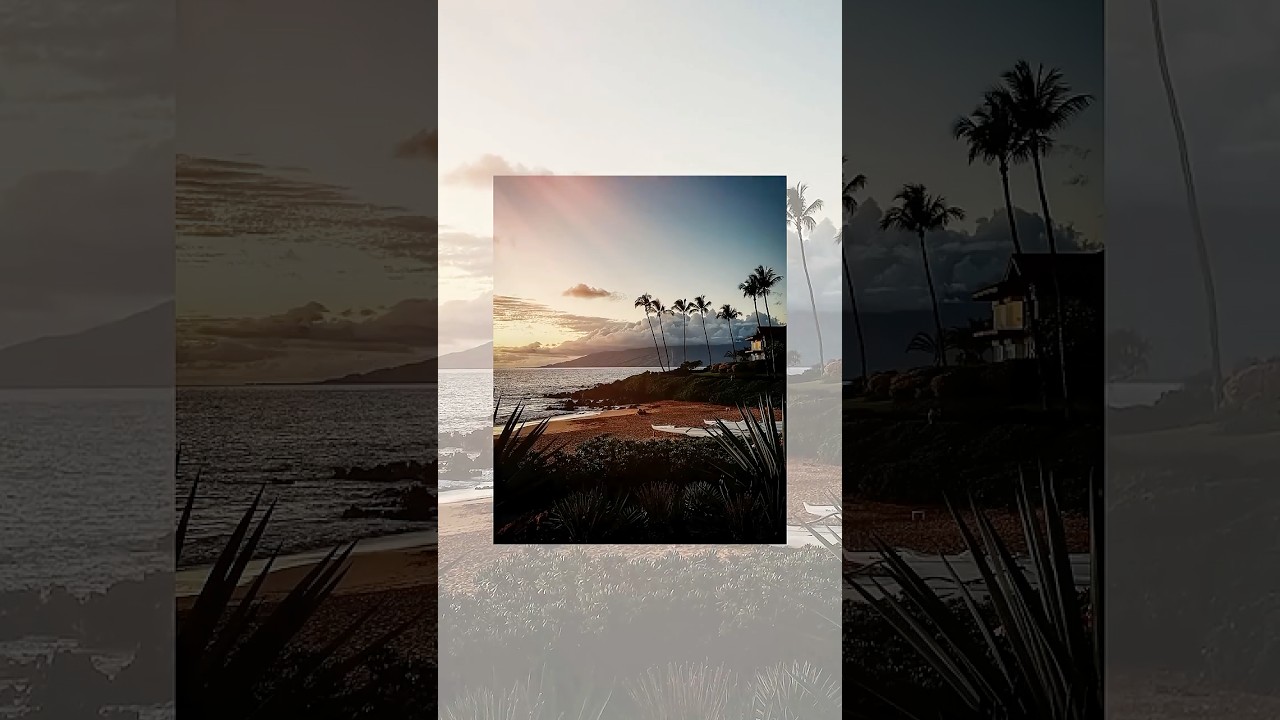
There’s a photo on my Instagram that I’m almost embarrassed about. It was taken on a $200 Android phone, slightly crooked, a little blown out in one corner. It’s also my most liked post by a wide margin. I’ve spent a lot of time thinking about why. So when I came across a Peter McKinnon tutorial where he describes holding his son, spotting incredible light, snapping a quick shot, and then lying in bed that night feeling almost unsettled by how effortlessly beautiful it looked, I felt that immediately.
Your Camera's Default Focus Setting Is Quietly Ruining Your Landscape Photos

Your Camera's Default Focus Setting Is Quietly Ruining Your Landscape Photos

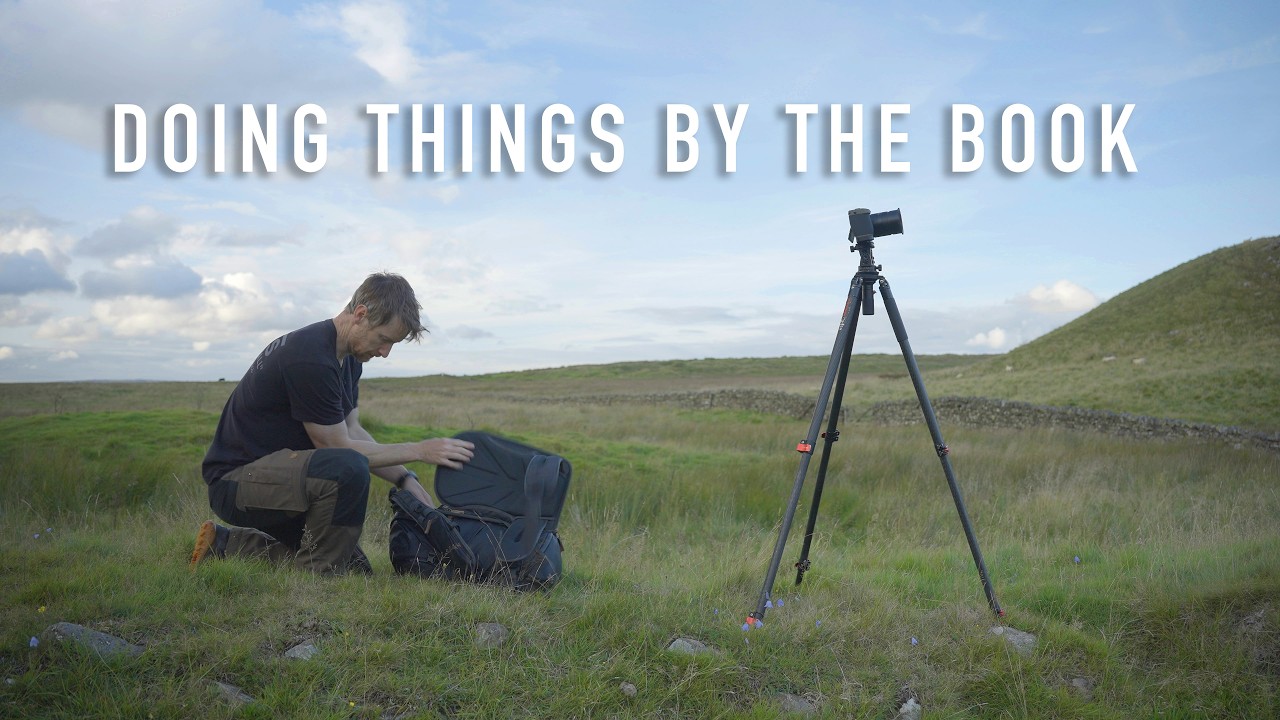
I spent an entire vacation chasing a single waterfall shot. Tripod, my sharpest lens, f/11 like clockwork, and I still came home with soft images that made me want to throw my memory card into the river I’d been photographing. It took me an embarrassingly long time to figure out the problem had nothing to do with my gear or my exposure. It was something I had never thought to question: the autofocus mode my camera shipped with, still active, still making decisions I didn’t know it was making.

How to Control Color Like a Cinematographer Using HSL in Lightroom

How to Control Color Like a Cinematographer Using HSL in Lightroom

Every Sunday I do a photo walk through my neighborhood in Seattle. Rain, shine, 6am fog — it happens. And one thing I started noticing, especially when I’d get home and pull images into Lightroom, was that my shots felt scattered. Not technically wrong, just… unfocused in terms of mood. The colors were all over the place, and the images didn’t feel like they were telling a single story. They felt like a report.

How to 3D Track Text Onto Any Surface in After Effects (And Why It's Faster Than You Think)

How to 3D Track Text Onto Any Surface in After Effects (And Why It's Faster Than You Think)

Every time I shoot travel content, I run into the same problem: where do I put the title? Slapping text in a corner feels lazy. Animating it over a solid color card feels dated. What I actually want is for the text to feel like it belongs in the scene, like it’s been painted on a wall or resting on a tabletop. That’s exactly what 3D tracking lets you do, and once you try it, you’ll wonder why you ever did it any other way.

How to Use Ultraviolet Light to Make White Clothing Pop Against a White Background

How to Use Ultraviolet Light to Make White Clothing Pop Against a White Background

There is a specific kind of frustration that comes from trying to photograph white clothing against a white background. On paper, it sounds elegant and minimal. In practice, you end up with a muddy gray garment that looks like it came out of the wrong laundry cycle. I have run into this problem more times than I care to admit, and for a long time my workaround was to just add more light and hope for the best.

How to Stop Being Invisible and Start Owning the Street: Body Language Lessons from a Pro

How to Stop Being Invisible and Start Owning the Street: Body Language Lessons from a Pro

There is a specific kind of photograph I have almost never taken, and for years I told myself it was a style choice. I preferred quiet, graphic, geometry-forward street work. Clean lines, long shadows, anonymous silhouettes. Honestly, some of that is true. But if I’m being real, some of it was also avoidance. Getting close to strangers with a camera strapped around your neck is uncomfortable, and if you can build an aesthetic identity around not doing the scary thing, it’s easy to convince yourself you’re being intentional when you’re actually just being cautious.

Edit Your B-Roll to Music in Minutes: The Premiere Pro Automate-to-Sequence Trick You Need

Edit Your B-Roll to Music in Minutes: The Premiere Pro Automate-to-Sequence Trick You Need

I make playlists for everything. Shooting moods, editing sessions, long exports. So when I’m cutting a travel video and I want the b-roll to sync with the music, it matters to me. What doesn’t feel great is spending forty-five minutes dragging clips one by one onto a timeline, nudging them around, playing it back, nudging again. That workflow kills the creative energy faster than a dead battery at golden hour.

How to Light a Still Life with Edge Lights and a Hard Soft Box (Broncolor Technique Breakdown)

How to Light a Still Life with Edge Lights and a Hard Soft Box (Broncolor Technique Breakdown)

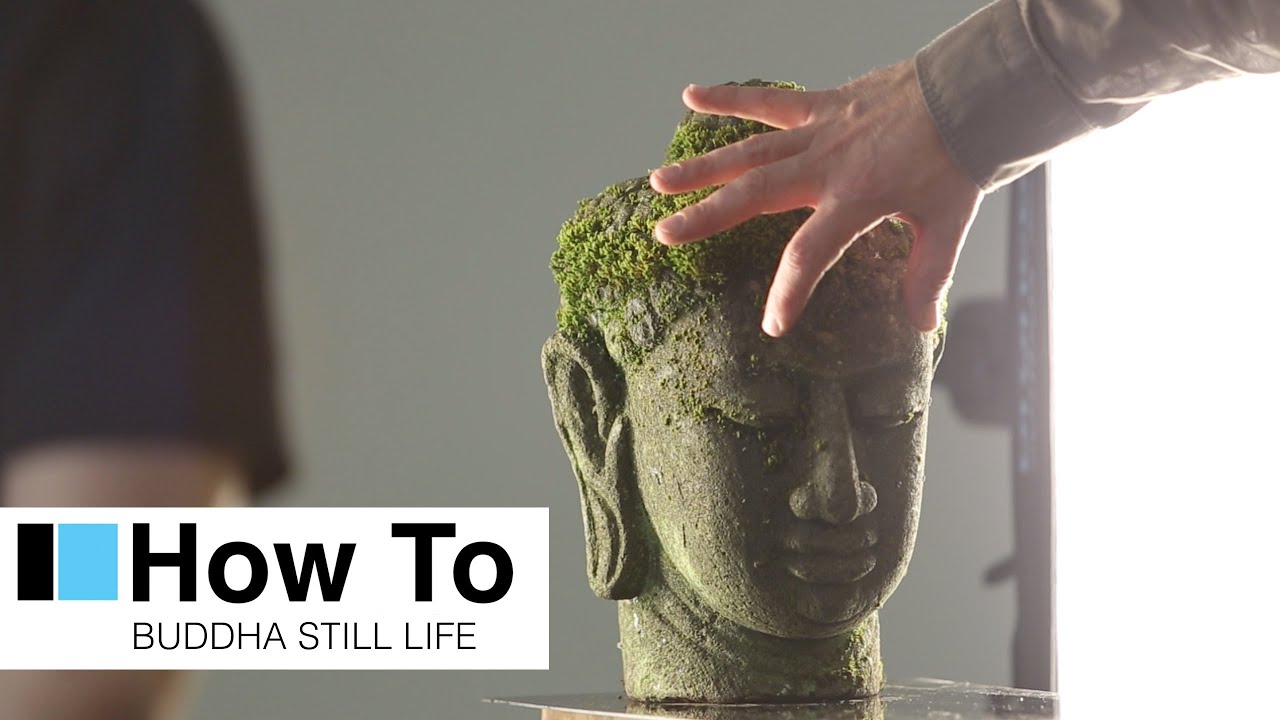
Still life photography has this reputation for being the “easy” genre because your subject doesn’t move, blink, or ask to see the back of the camera. But that stillness is exactly what raises the stakes. When nothing moves, every lighting decision is completely exposed. There’s nowhere to hide a lazy setup. I kept running into this problem when shooting objects with complex surfaces - carved wood, rough stone, anything with real texture.

How to Kill Decision Fatigue and Actually Go Shoot (A Lesson from Thomas Heaton)

How to Kill Decision Fatigue and Actually Go Shoot (A Lesson from Thomas Heaton)

Every Sunday morning I grab my camera and go for a walk with no destination in mind. It’s my favorite ritual. But even with that loose structure, I still sometimes stand in my kitchen at 6am, coffee in hand, completely frozen. The weather is good, the light is coming, and I cannot decide where to go. It sounds absurd when I type it out, but decision fatigue is real, and it quietly kills more potential photo sessions than bad weather ever does.

Why You're Probably Wrong About Your Best Photos (And What to Do About It)

Why You're Probably Wrong About Your Best Photos (And What to Do About It)

I used to think I was the most qualified person in the room to judge my own photos. They came from my brain, my eye, my instinct on a given morning. Who could possibly understand them better than me? It took a few humbling conversations with other photographers before I started to question that assumption, and I’m still unlearning it. That’s exactly why this particular tutorial hit me so hard.

The 4-Step Composition Process That Changed How I Read a Scene

The 4-Step Composition Process That Changed How I Read a Scene

Every Sunday morning I do a photo walk. No agenda, no client, no pressure. Just me, whatever camera I feel like grabbing, and whatever Seattle decides to look like that day. And for years, I would show up to a location, pull out my camera within about 30 seconds, and start shooting. I thought I was being efficient. What I was actually doing was skipping the most important part. I came across a tutorial by landscape photographer Mark Denney where he breaks down his four-step process for finding and building a strong composition on location.

The Skill No Camera Can Teach You: How Empathy Makes You a Better Portrait Photographer

The Skill No Camera Can Teach You: How Empathy Makes You a Better Portrait Photographer

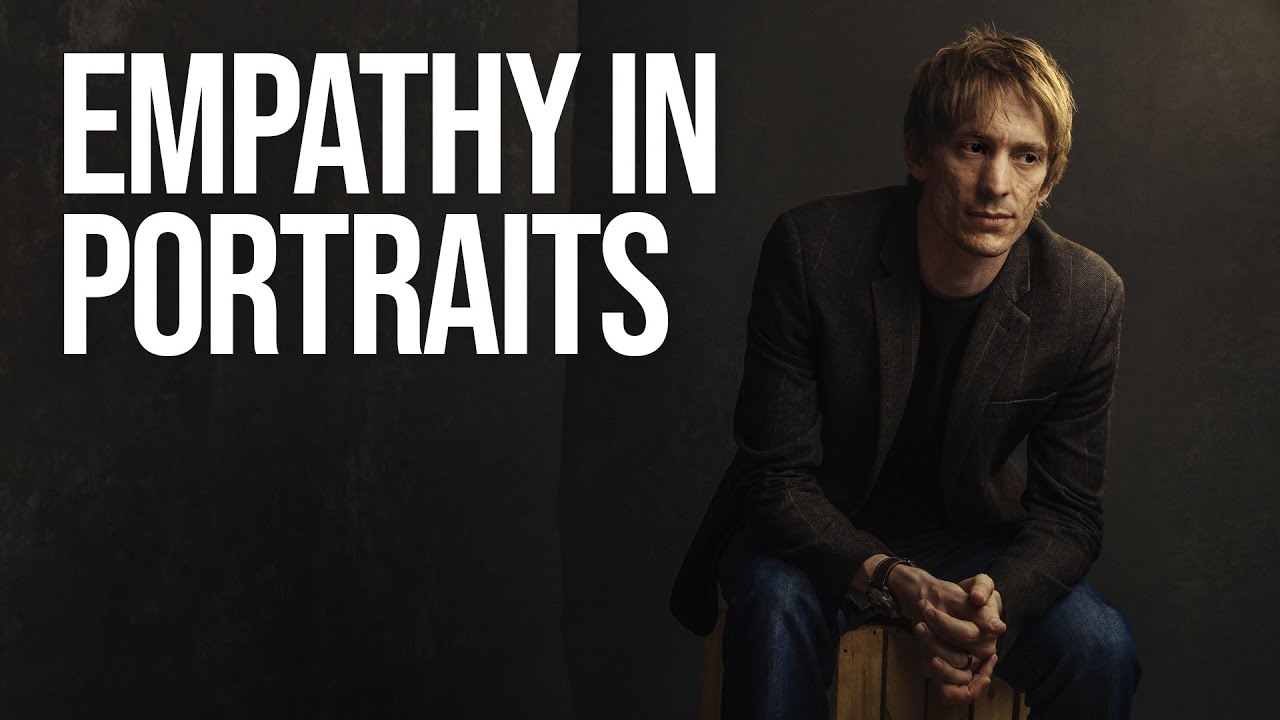
I’ve been teaching photography for a few years now, and the question I get most often from beginners is some version of “which lens should I use for portraits?” Rarely does anyone ask, “How do I make my subject feel safe enough to be themselves?” And that gap right there is exactly why so many portrait sessions produce technically fine images that are also somehow completely lifeless. The gear is fine.