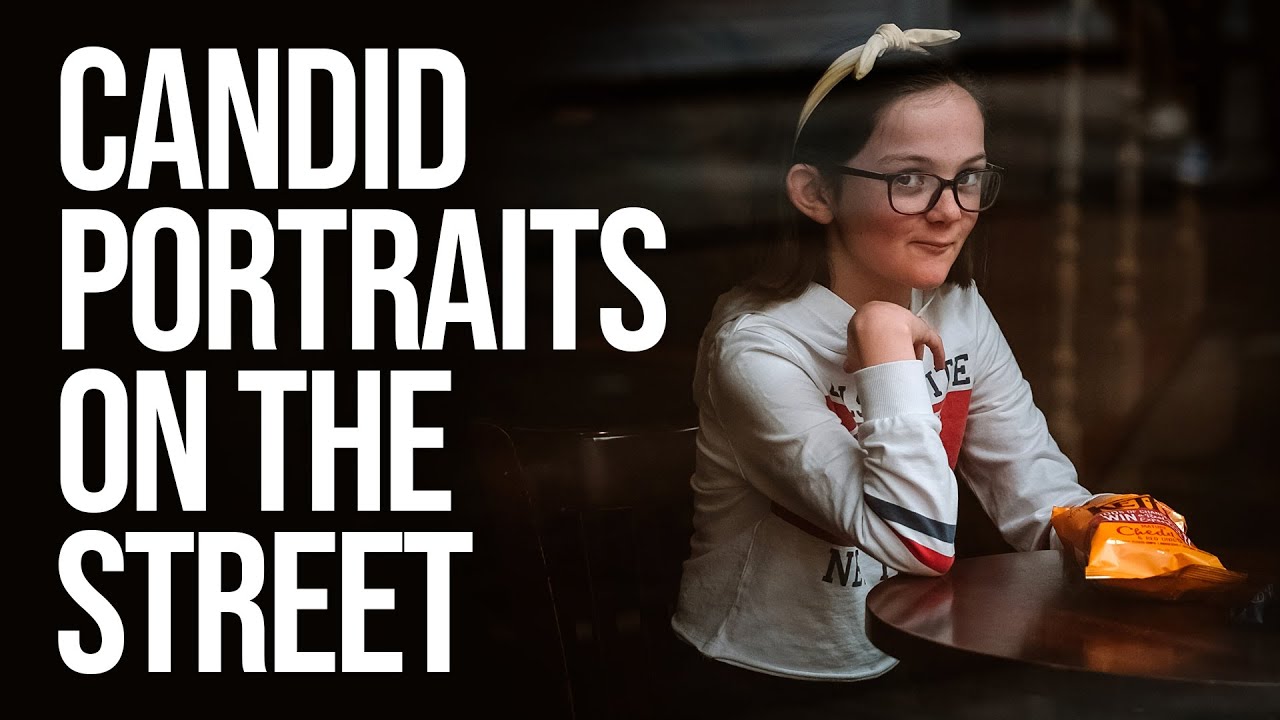
There’s a specific kind of street photo I used to think was just luck: a single person, sharp against a blurred background, completely unaware of the camera, yet somehow looking like a deliberate portrait. Every time I saw one I’d wonder, “How did they get that without the person posing?” I’d tried the walk-up-and-ask method before and loved it, but the results always had that slight stiffness of someone who knows a lens is pointed at them. The truly unguarded frame felt like it was always just out of reach.
That’s exactly the gap that photographer Dawn Eagleton fills, and her approach is what Sean Tucker unpacks in this conversation-style tutorial. Watch the full tutorial on YouTube before or after reading this, because seeing her finished images at the end will reframe everything below. The method she describes isn’t about being sneaky. It’s about being intentional and patient in a way most of us skip straight past.
What I love most is that Dawn came to photography through grief and a deliberate choice to do something meaningful with her time. That backstory matters because it shows up in her images. She’s photographing strangers, yes, but she’s looking for something deeply human in each frame. That’s not a technical skill. It’s a perspective. And it’s the foundation everything else is built on.
Step 1: Understand What “Candid Portrait” Actually Means
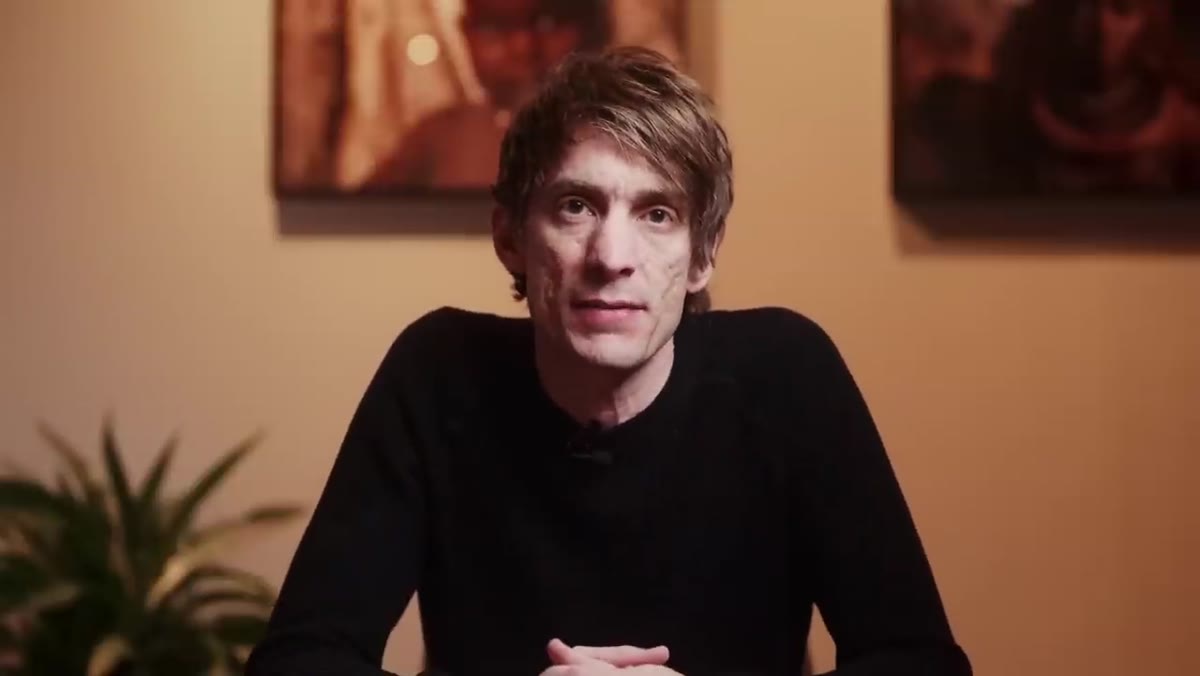 Sean Tucker explaining the difference between collaborative and candid street portraits
Most street photos are either wide environmental shots or the result of a quick conversation. Dawn’s work lives in a third category: a single subject, photographed without prior interaction, but framed and isolated the way you’d treat a formal portrait. The key distinction is that she’s not documenting a scene. She’s using the visual language of portraiture, shallow depth of field, subject-forward framing, negative space, on someone who doesn’t know they’re being photographed. Knowing this distinction changes how you scan a street. You stop looking for “interesting moments” and start looking for interesting people in interesting light.
Sean Tucker explaining the difference between collaborative and candid street portraits
Most street photos are either wide environmental shots or the result of a quick conversation. Dawn’s work lives in a third category: a single subject, photographed without prior interaction, but framed and isolated the way you’d treat a formal portrait. The key distinction is that she’s not documenting a scene. She’s using the visual language of portraiture, shallow depth of field, subject-forward framing, negative space, on someone who doesn’t know they’re being photographed. Knowing this distinction changes how you scan a street. You stop looking for “interesting moments” and start looking for interesting people in interesting light.
Step 2: Shift Your Mindset Before You Lift the Camera
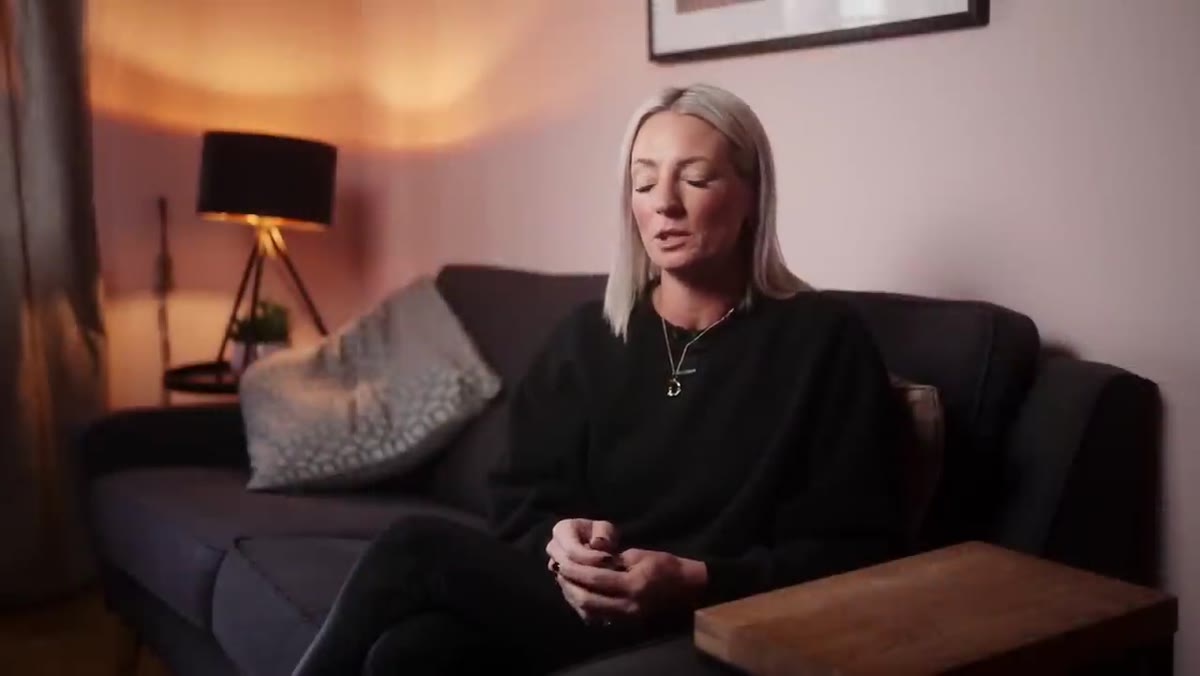 Dawn Eagleton speaking about her background in communication and film
Dawn’s background in communication and film directly shaped how she reads people on the street. Before you even leave the house, it helps to spend time thinking about what draws you to a person’s face or posture. Are you interested in age, texture, emotion, weariness, joy? Having a loose internal brief means you’re not standing on a corner hoping something good happens. You’re actively filtering. On my Sunday morning photo walks in Seattle, I give myself one loose constraint per outing, something like “anyone sitting alone” or “hands.” It sounds overly simple, but it genuinely sharpens your attention.
Dawn Eagleton speaking about her background in communication and film
Dawn’s background in communication and film directly shaped how she reads people on the street. Before you even leave the house, it helps to spend time thinking about what draws you to a person’s face or posture. Are you interested in age, texture, emotion, weariness, joy? Having a loose internal brief means you’re not standing on a corner hoping something good happens. You’re actively filtering. On my Sunday morning photo walks in Seattle, I give myself one loose constraint per outing, something like “anyone sitting alone” or “hands.” It sounds overly simple, but it genuinely sharpens your attention.
Step 3: Set Up Your Gear for Speed and Reach
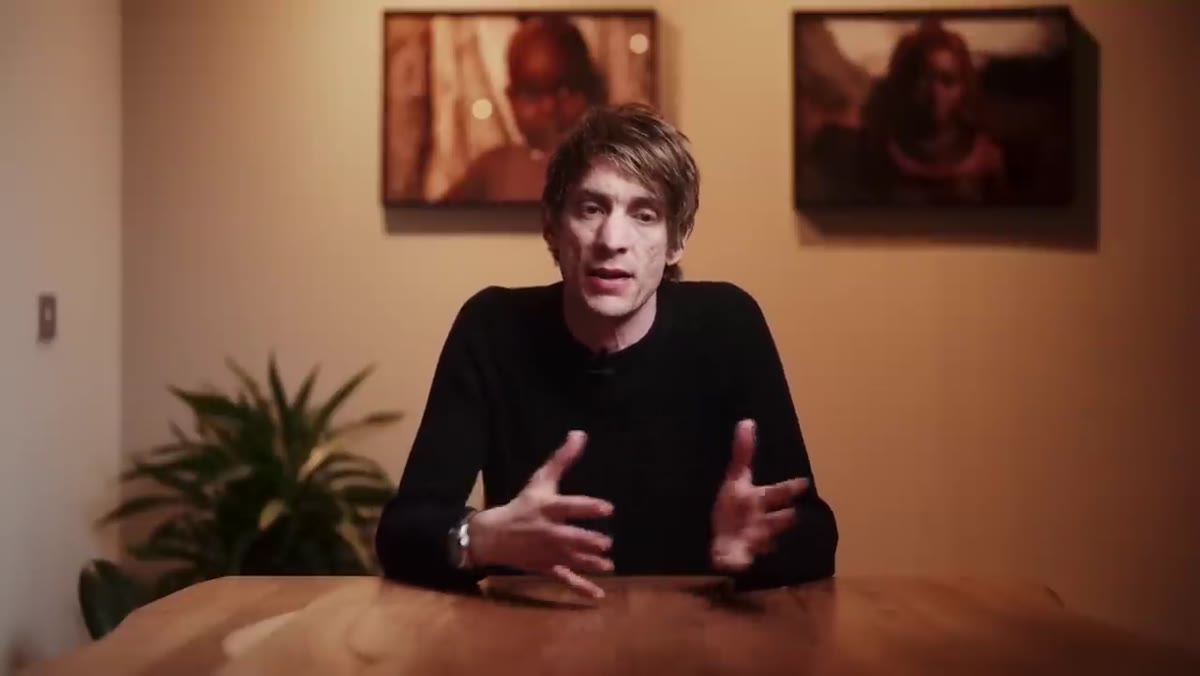 Dawn’s portfolio images shown, isolated subjects with blurred backgrounds
To replicate the portrait aesthetic without interaction, you need two things: a focal length long enough to give you working distance, and an aperture wide enough to separate your subject from the background. A 50mm to 85mm lens on a full-frame body (or equivalent on crop sensor) is the practical sweet spot. Dawn’s images show that signature soft background, which tells you she’s working at wider apertures, somewhere in the f/1.8 to f/2.8 range. Shoot in aperture priority so you’re not fumbling with the dial mid-moment. Set your ISO to auto with a ceiling that keeps noise manageable for your specific body, usually around ISO 3200 for most modern cameras. The goal is a camera that’s already decided half the exposure variables for you, so your only job is framing and timing.
Dawn’s portfolio images shown, isolated subjects with blurred backgrounds
To replicate the portrait aesthetic without interaction, you need two things: a focal length long enough to give you working distance, and an aperture wide enough to separate your subject from the background. A 50mm to 85mm lens on a full-frame body (or equivalent on crop sensor) is the practical sweet spot. Dawn’s images show that signature soft background, which tells you she’s working at wider apertures, somewhere in the f/1.8 to f/2.8 range. Shoot in aperture priority so you’re not fumbling with the dial mid-moment. Set your ISO to auto with a ceiling that keeps noise manageable for your specific body, usually around ISO 3200 for most modern cameras. The goal is a camera that’s already decided half the exposure variables for you, so your only job is framing and timing.
Step 4: Find Your Position Before Your Subject Finds You
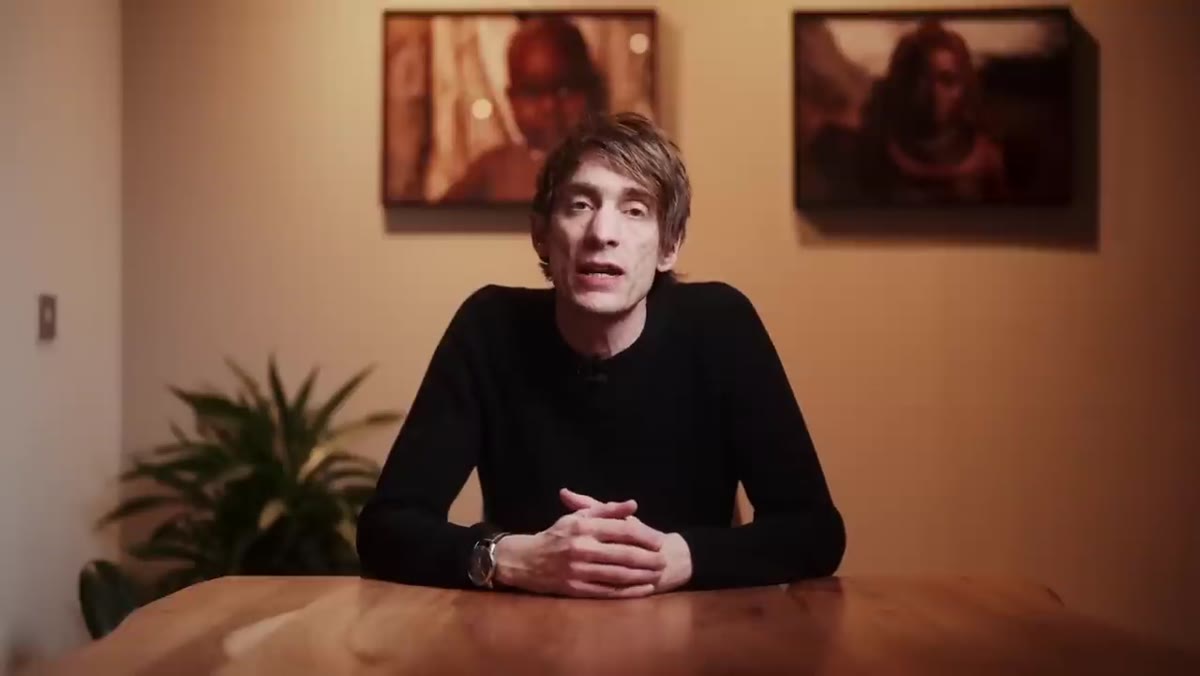 Discussion of capturing unguarded moments without prior shutter interaction
This is the part most tutorials skip. Candid portrait photographers don’t wander and react. They find a spot with good light and interesting traffic, and they wait. Think of it like fishing. You’re choosing the spot based on the conditions, not chasing fish around the lake. Look for pools of directional light, a shaft of sun coming through a gap in buildings, the open shade beside a bright wall. When a person walks into that light, you already know your exposure is dialed and your composition zone is set. You’re just pressing the shutter.
Discussion of capturing unguarded moments without prior shutter interaction
This is the part most tutorials skip. Candid portrait photographers don’t wander and react. They find a spot with good light and interesting traffic, and they wait. Think of it like fishing. You’re choosing the spot based on the conditions, not chasing fish around the lake. Look for pools of directional light, a shaft of sun coming through a gap in buildings, the open shade beside a bright wall. When a person walks into that light, you already know your exposure is dialed and your composition zone is set. You’re just pressing the shutter.
Step 5: Narrow Your Focus to One Person, Not the Scene
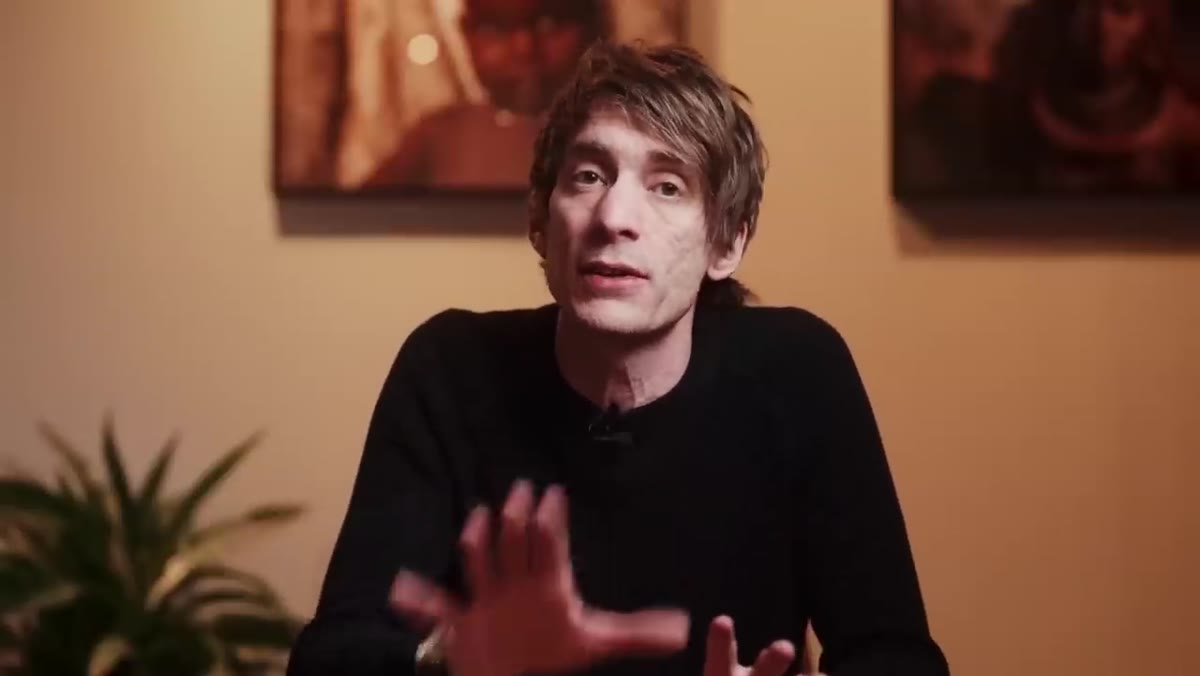 Description of Dawn featuring single individuals against blurred backgrounds
The instinct in busy street environments is to capture the chaos, the crowd, the whole mess of it. Resist that. Dawn’s work is powerful precisely because it does the opposite. One person. Full attention on that face or figure. When you’re scanning a street with this mindset, you’re essentially running a quiet casting process. You notice someone interesting and you follow their movement for a moment before raising the camera. Where are they heading? Will the light be better in three steps? Will the background be cleaner if you shift left? Anticipating their path means you’re already in position when the right frame arrives.
Description of Dawn featuring single individuals against blurred backgrounds
The instinct in busy street environments is to capture the chaos, the crowd, the whole mess of it. Resist that. Dawn’s work is powerful precisely because it does the opposite. One person. Full attention on that face or figure. When you’re scanning a street with this mindset, you’re essentially running a quiet casting process. You notice someone interesting and you follow their movement for a moment before raising the camera. Where are they heading? Will the light be better in three steps? Will the background be cleaner if you shift left? Anticipating their path means you’re already in position when the right frame arrives.
Step 6: Capture the Unguarded Moment, Then Give Yourself a Buffer
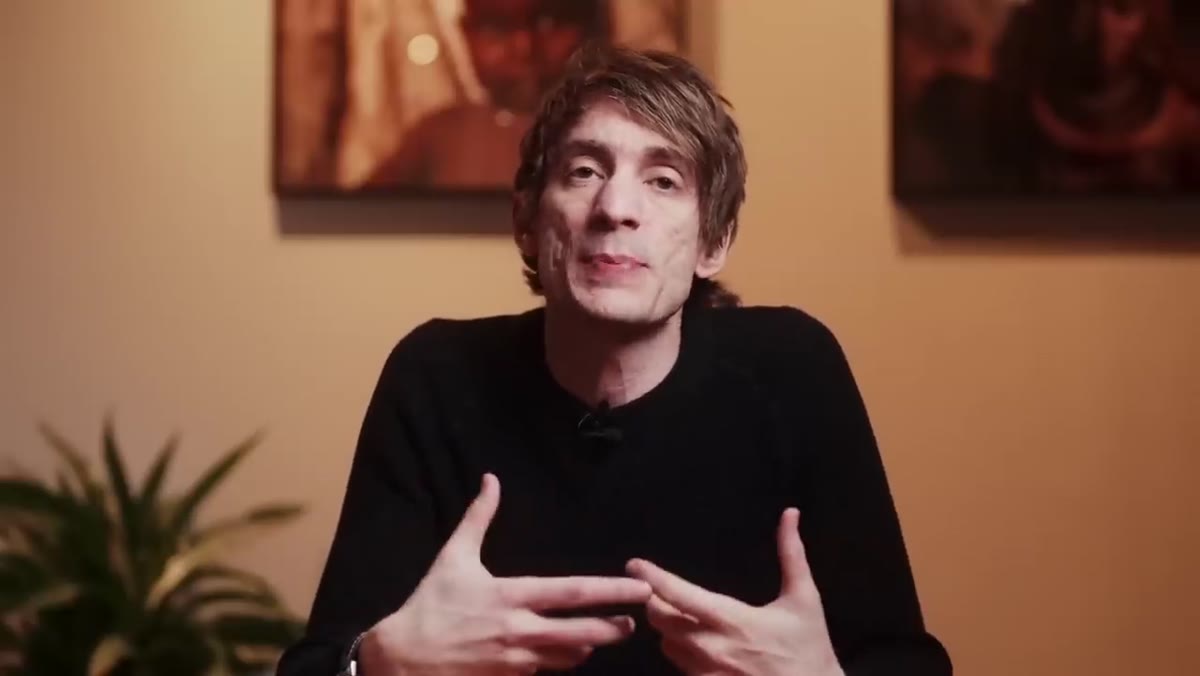 Sean Tucker noting Dawn shoots before the subject is aware of the camera
The target frame is the one where nothing is performed. No awareness of the camera, no adjusted posture, no eye contact with the lens (unless that’s specifically what you’re after). Dawn shoots before there’s any interaction. That means learning to be still, not invisible exactly, but unremarkable. Shoot in continuous burst for one or two frames rather than a single shot, which gives you slightly more to choose from without the sound of a long burst drawing attention. If you’re worried about camera noise, most mirrorless bodies have a fully silent electronic shutter option. Use it.
Sean Tucker noting Dawn shoots before the subject is aware of the camera
The target frame is the one where nothing is performed. No awareness of the camera, no adjusted posture, no eye contact with the lens (unless that’s specifically what you’re after). Dawn shoots before there’s any interaction. That means learning to be still, not invisible exactly, but unremarkable. Shoot in continuous burst for one or two frames rather than a single shot, which gives you slightly more to choose from without the sound of a long burst drawing attention. If you’re worried about camera noise, most mirrorless bodies have a fully silent electronic shutter option. Use it.
Step 7: Reflect on the “Why” That Grounds the Work
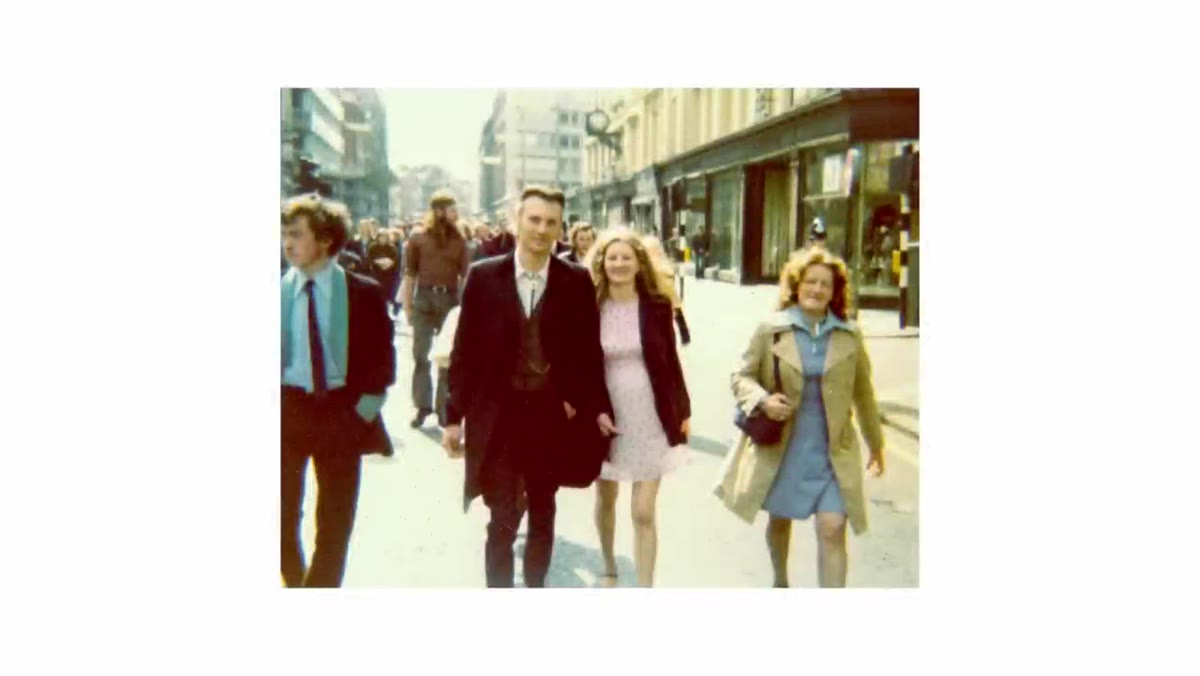 Dawn discussing inheritance and meaningful use of her parents’ money for a camera
This step sounds abstract, but it’s the one that separates a folder of technically decent frames from a body of work that actually resonates. Dawn talks about buying her first camera with money left by her parents after they passed, and how their creativity, her dad’s music, her mum’s fashion sense, showed up in who she became as a photographer. That history shapes what she looks for in strangers’ faces. You don’t need a dramatic origin story, but you do need to ask yourself what you’re actually trying to say when you photograph people. That answer will filter into your instincts over time and show up in the images before you’re even conscious of it.
Dawn discussing inheritance and meaningful use of her parents’ money for a camera
This step sounds abstract, but it’s the one that separates a folder of technically decent frames from a body of work that actually resonates. Dawn talks about buying her first camera with money left by her parents after they passed, and how their creativity, her dad’s music, her mum’s fashion sense, showed up in who she became as a photographer. That history shapes what she looks for in strangers’ faces. You don’t need a dramatic origin story, but you do need to ask yourself what you’re actually trying to say when you photograph people. That answer will filter into your instincts over time and show up in the images before you’re even conscious of it.
My Own Addition: The Ethical Layer You Can’t Skip
The question of consent in candid street photography is real, and it’s worth sitting with before you head out. In most public spaces, photographing people is legally permitted, but legality and ethics aren’t always the same thing. My personal rule is this: if I would be uncomfortable explaining to the subject why I took their photo, I don’t take it. Dawn’s work passes that test because it comes from a place of genuine respect for ordinary people. That intention shows. If someone approaches you and seems upset, have a simple, honest conversation ready. Often the discomfort dissolves quickly when they see that you’re not mocking them or selling their image. Lead with your genuine interest in them as a subject, and most interactions land better than you’d expect.
The single most important thing this tutorial gave me is a reframe of what street photography can be. It doesn’t have to be wide-angle, gritty, and documentary. You can bring the visual language of portraiture into a completely unposed, unrehearsed moment and come away with something that feels both spontaneous and considered. That’s a hard needle to thread, and Dawn Eagleton threads it beautifully.
Watch the full tutorial on YouTube and stay for the portfolio reveal at the end. It’ll make everything above click into place.
Comments (3)
This saved me so much time on my last edit. Wish I'd found this sooner.
This should be required reading for anyone starting out.
Great article! I actually covered something related on my site — the retouching angle is really complementary to this.
Leave a Comment