Every few months something shows up in my Sunday photo walk conversations that I can’t stop thinking about on the drive home. Lately it’s been AI-generated images, and specifically the question one of my regulars asked me point-blank last week: “Should I even bother learning photography if a computer can just make the same thing?” I didn’t have a clean answer, which bothered me more than the question itself.
That’s what sent me back to a video I’d bookmarked a few weeks earlier. In this Sean Tucker tutorial, Watch the full tutorial on YouTube, he does something most photography commentators aren’t doing right now: he slows down and thinks out loud instead of just shouting alarm. As someone who started teaching photography because a stranger once tapped me on the shoulder in a coffee shop and asked how I got a particular shot on my phone, I appreciate anyone who meets a hard question with patience instead of performance. This video gave me a real framework for how to talk to my students about AI, and I want to walk through it piece by piece.
Tucker’s argument isn’t that AI is harmless. It’s that the panic around AI follows a very familiar pattern, and understanding that pattern helps photographers make smarter decisions about where to put their energy.
Step 1: Recognize the Moment We’re Actually In
 Instagram feed showing AI street photo posted without disclosure
Tucker opens with a concrete case study: an Instagram account dedicated to female street photographers posted an AI-generated street photo with zero disclosure. No tag, no caption note, nothing. The comments erupted, and the account quietly deleted the image without explanation. His point isn’t to shame anyone involved. It’s to use the incident as a temperature check on where AI image quality actually stands right now.
Instagram feed showing AI street photo posted without disclosure
Tucker opens with a concrete case study: an Instagram account dedicated to female street photographers posted an AI-generated street photo with zero disclosure. No tag, no caption note, nothing. The comments erupted, and the account quietly deleted the image without explanation. His point isn’t to shame anyone involved. It’s to use the incident as a temperature check on where AI image quality actually stands right now.
The practical lesson here is to train your eye while the tells are still visible. Pull up a few images from Midjourney or Stable Diffusion today and study them carefully. Look at hands, text in the background, hair strands, the way light wraps around unusual surfaces. These are the places current AI still stumbles. You won’t have this training opportunity much longer, so use it.
Step 2: Place AI in a Historical Timeline
 Visual reference to Photoshop version one release in February 1990
Tucker draws a direct line between the current AI panic and what happened when Photoshop launched in February 1990. Photographers at the time genuinely believed digital manipulation would destroy trust in images forever. And in a narrow sense, they were right. A skilled retoucher absolutely can and does fool people regularly. But photography didn’t die. It adapted.
Visual reference to Photoshop version one release in February 1990
Tucker draws a direct line between the current AI panic and what happened when Photoshop launched in February 1990. Photographers at the time genuinely believed digital manipulation would destroy trust in images forever. And in a narrow sense, they were right. A skilled retoucher absolutely can and does fool people regularly. But photography didn’t die. It adapted.
When you feel anxious about AI, ask yourself: what specific thing am I afraid of losing? Usually the answer points toward something worth protecting, but it also reveals assumptions worth questioning. The camera didn’t kill painting. Photoshop didn’t kill photography. The technology changed the context, not the core value of the art form.
Step 3: Audit Where Trust in Images Already Broke Down
 Landscape photography composite example showing heavy sky replacement
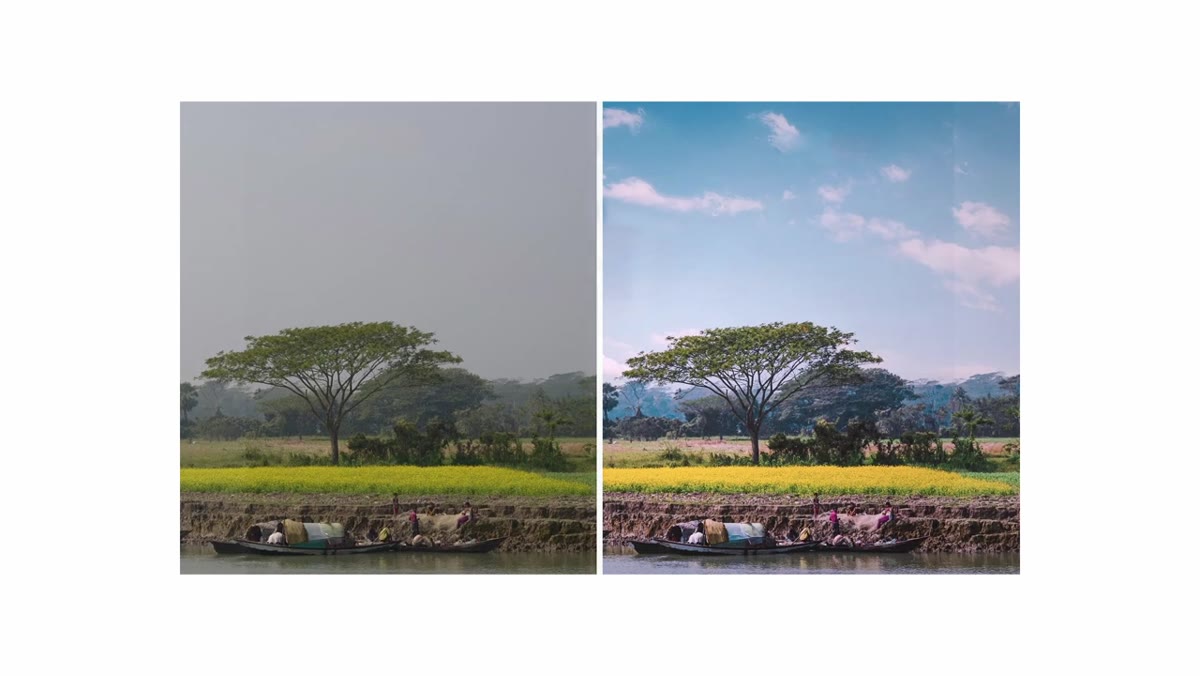
Tucker brings up landscape photography as a clear example of how manipulation has already been normalized. Heavily composited skies, images built from multiple exposures, locations altered to remove crowds or add drama. These practices are commonplace and often celebrated. The trust problem people are assigning specifically to AI already existed in a slightly different form.
Landscape photography composite example showing heavy sky replacement
Tucker brings up landscape photography as a clear example of how manipulation has already been normalized. Heavily composited skies, images built from multiple exposures, locations altered to remove crowds or add drama. These practices are commonplace and often celebrated. The trust problem people are assigning specifically to AI already existed in a slightly different form.
The practical exercise here is to look back through your own archive and identify which of your images involved significant post-processing choices that changed what was actually there. That’s not an accusation, it’s a calibration. Understanding where your own line is helps you articulate your values as a photographer more clearly, which matters more now than it ever did.
Step 4: Separate the Ethical Problems from the Existential Ones
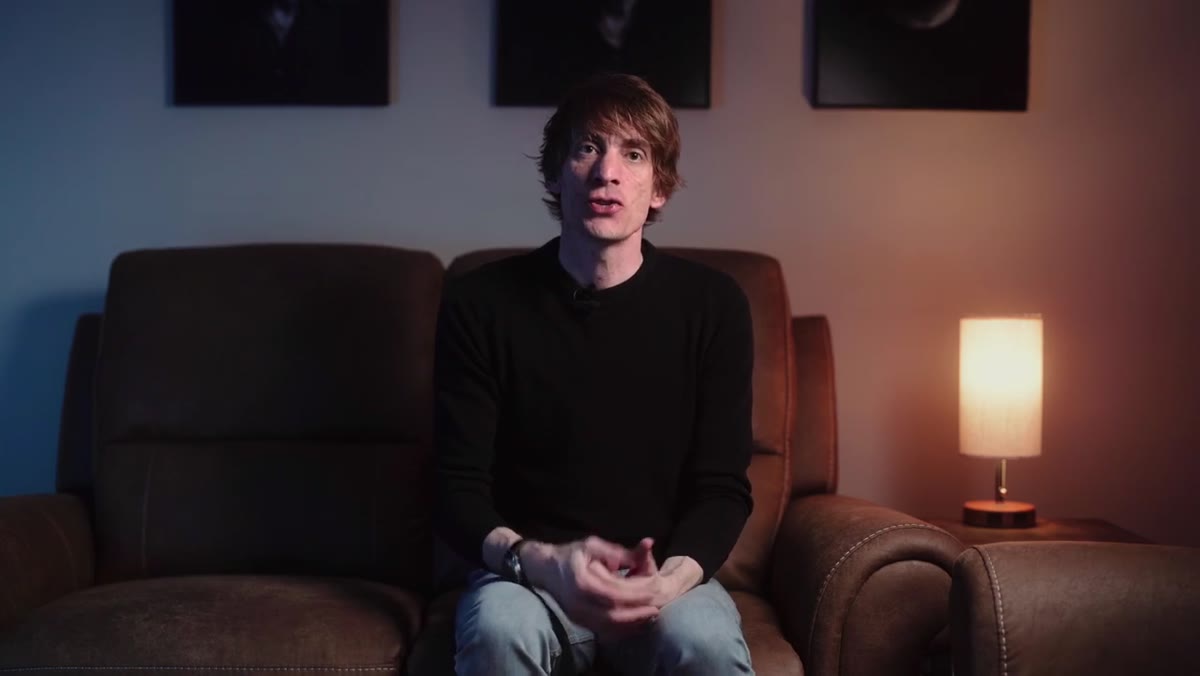 On-screen reference to AI scraping images without photographer consent
Tucker is honest that he’s not an AI engineer, and he doesn’t pretend to be. But he flags two distinct categories of concern that photographers tend to lump together. The first is the genuine ethical problem of AI systems scraping photographers’ work without consent and using it to generate new images commercially. That’s a real harm and worth fighting through industry organizations, legal channels, and informed advocacy.
On-screen reference to AI scraping images without photographer consent
Tucker is honest that he’s not an AI engineer, and he doesn’t pretend to be. But he flags two distinct categories of concern that photographers tend to lump together. The first is the genuine ethical problem of AI systems scraping photographers’ work without consent and using it to generate new images commercially. That’s a real harm and worth fighting through industry organizations, legal channels, and informed advocacy.
The second category is the existential fear that photography as a meaningful practice will become irrelevant. Tucker argues these are separate conversations that need to be handled separately. Mixing them creates confusion and makes it harder to take useful action on either front. If you’re worried about your images being scraped, look into what metadata you’re embedding, consider watermarking, and follow organizations like the National Press Photographers Association that are working on policy responses. That’s concrete and actionable. Despair about the future of art is not.
Step 5: Reframe What Makes a Photograph Valuable
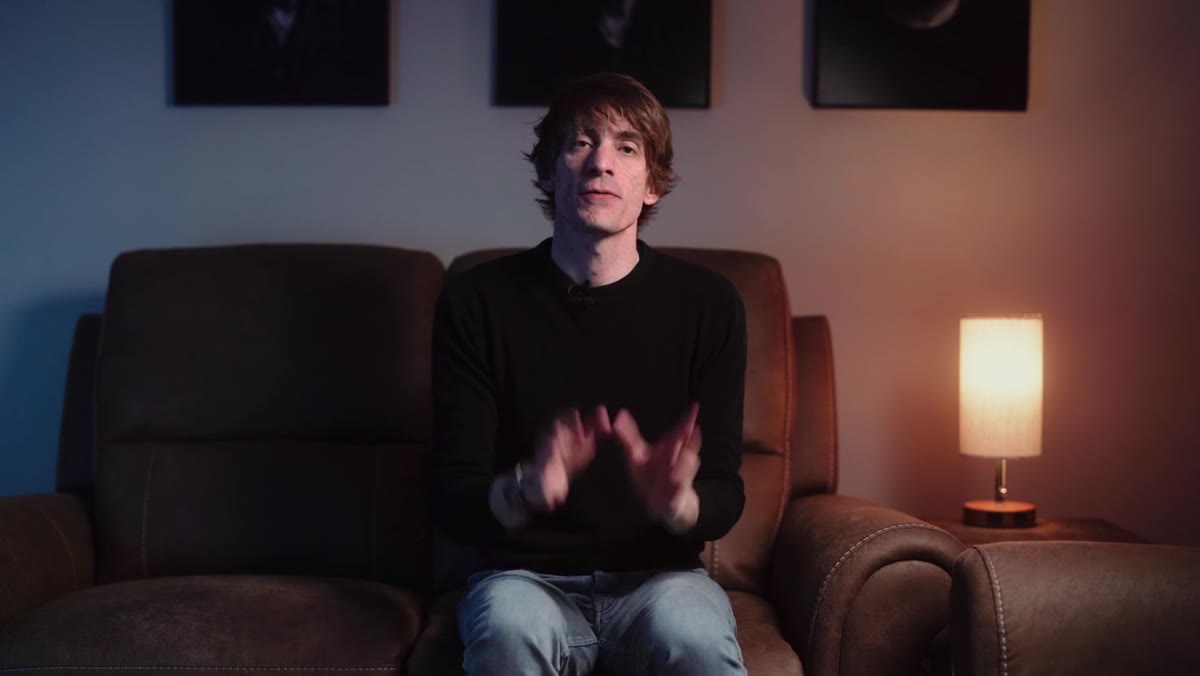
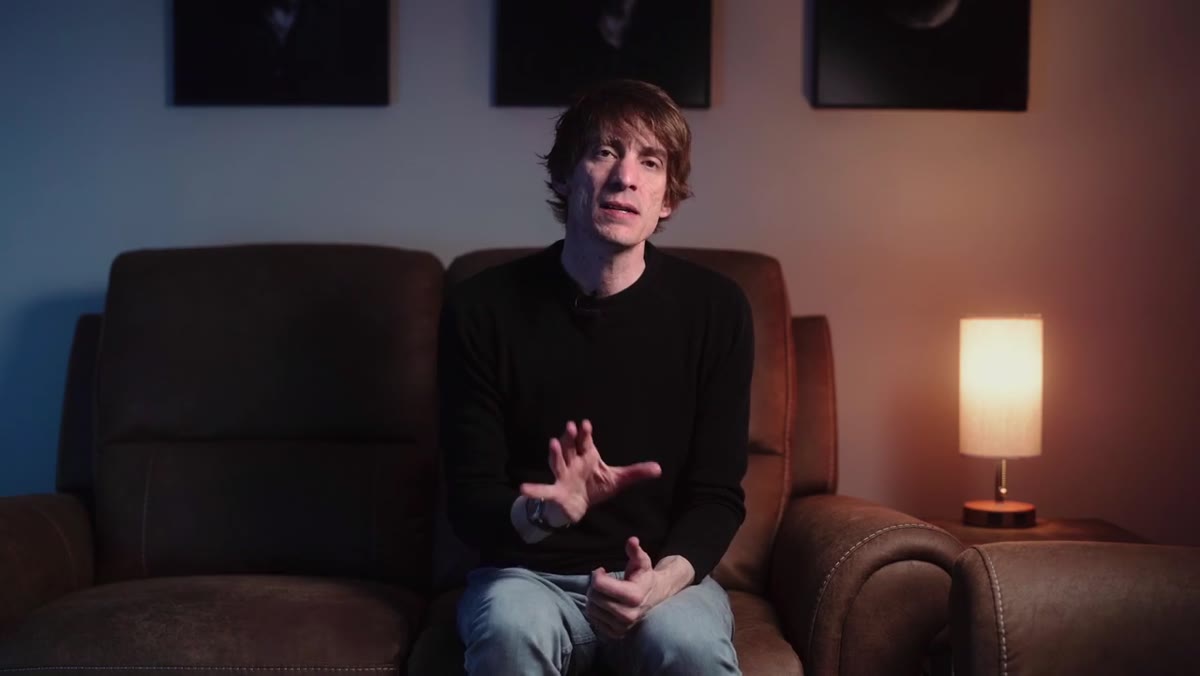 Tucker speaking directly to camera about trust and authenticity in images
This is where Tucker’s argument gets interesting. He suggests that as AI-generated images become indistinguishable from photographs at a technical level, what actually increases in value is provenance and intention. Not just what the image looks like, but the story of how it came to exist.
Tucker speaking directly to camera about trust and authenticity in images
This is where Tucker’s argument gets interesting. He suggests that as AI-generated images become indistinguishable from photographs at a technical level, what actually increases in value is provenance and intention. Not just what the image looks like, but the story of how it came to exist.
Think about this from a buyer’s perspective. If someone is purchasing a print for their home, knowing that a human stood in a specific place at a specific time and made a series of deliberate choices to capture that moment adds something AI cannot replicate. Your process, your presence, your point of view become part of the product. This is one reason I’ve started including short process notes with client galleries and even casual Instagram posts. It’s not pretentious, it’s transparency, and it builds connection in exactly the way a generated image cannot.
Step 6: Use AI as a Tool, Not a Threat
 Reference to Midjourney and Stable Diffusion as current AI image tools
Tucker doesn’t frame AI as something to resist categorically. He frames it as an emerging tool in the same way that Lightroom or a prime lens is a tool. The question isn’t whether to engage with it, but how to engage with it thoughtfully.
Reference to Midjourney and Stable Diffusion as current AI image tools
Tucker doesn’t frame AI as something to resist categorically. He frames it as an emerging tool in the same way that Lightroom or a prime lens is a tool. The question isn’t whether to engage with it, but how to engage with it thoughtfully.
Spend an afternoon with Midjourney or a similar platform not to generate images to post, but to understand what it can and can’t do. Use it to rough out a composition idea before committing to a shoot. Use it to see how a color palette might feel before dialing it in for real. The photographers who understand AI’s capabilities will make smarter creative decisions than the ones who refuse to look at it at all.
What I’d Add From My Own Experience
Tucker’s historical framing is genuinely reassuring, but I want to add one practical note for people who shoot commercially or build client relationships on trust. Start documenting your process more visibly now, before it becomes necessary. Behind-the-scenes phone shots, location notes in captions, making-of reels: these aren’t just marketing content, they’re proof of presence. My most-liked Instagram photo ever was taken on a 200-dollar phone, and the reason it performed so well wasn’t just the image. It was the caption explaining exactly where I was standing and why I waited for that particular moment. Authenticity that’s communicated is more valuable than authenticity that’s assumed.
AI is genuinely changing what it means to share a photograph publicly. The photographers who will navigate this best aren’t the ones who panic or the ones who pretend nothing is shifting. They’re the ones who get clearer about what they value and more deliberate about communicating it.
Watch the full tutorial on YouTube and sit with Tucker’s historical argument. It’s one of the more grounded takes I’ve seen on this topic, and right now, grounded is exactly what we need.
Comments
Leave a Comment