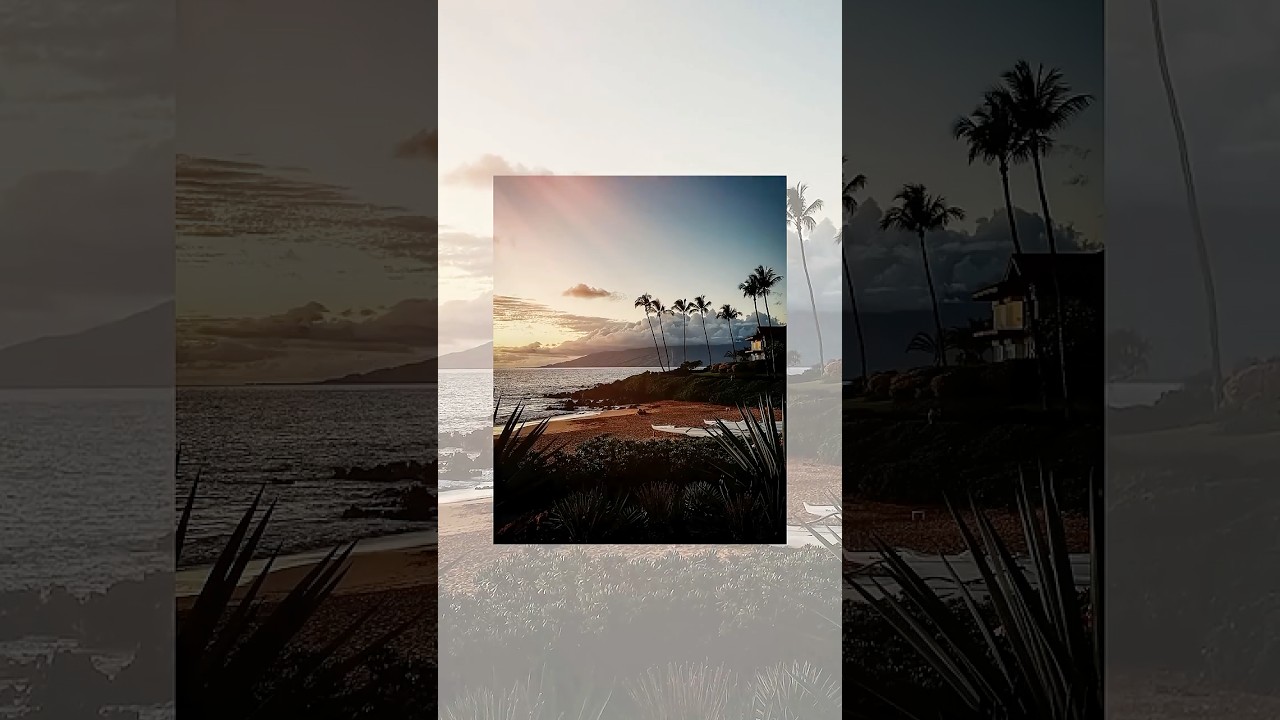
There’s a photo on my Instagram that I’m almost embarrassed about. It was taken on a $200 Android phone, slightly crooked, a little blown out in one corner. It’s also my most liked post by a wide margin. I’ve spent a lot of time thinking about why. So when I came across a Peter McKinnon tutorial where he describes holding his son, spotting incredible light, snapping a quick shot, and then lying in bed that night feeling almost unsettled by how effortlessly beautiful it looked, I felt that immediately. He puts it plainly: when everything looks great all the time, the thing that makes photography feel special starts to quietly disappear.
Watch the full tutorial on YouTube
In this Peter McKinnon tutorial, he makes the case that audiences are genuinely fatigued by polished, curated, perfect-everything content. The era of immaculate grid aesthetics and advertisement-quality lighting is giving way to photo dumps, casual captures, and images that feel like they came from a real human life. This isn’t just a trend. It’s a creative signal worth paying attention to, and it has real implications for how you should be shooting right now.
The good news is that you don’t have to buy anything new or unlearn years of technique. You just have to make a few deliberate choices, sometimes the opposite of what you’d normally do.
Step 1: Recognize When “Perfect” Is the Problem
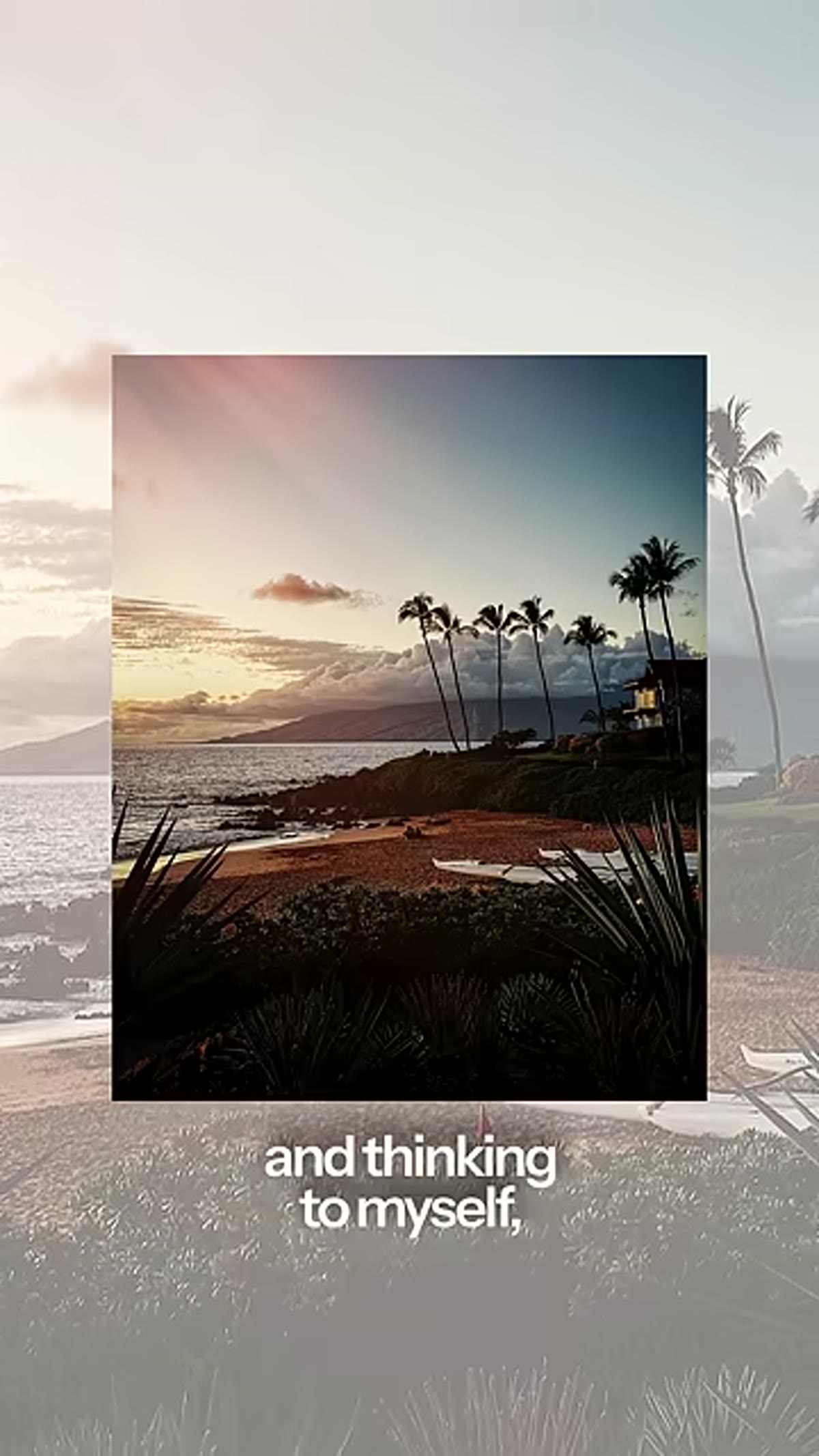
 Peter discussing how photography’s uniqueness fades with ease
Before you change any settings, shift your mindset. The first step in this tutorial is really a diagnostic one: look at your recent work and ask whether it all feels a bit… same. Modern cameras, especially flagship mirrorless bodies, are extraordinarily capable. Autofocus locks on faces in the dark. Dynamic range recovers shadows you’d have lost a decade ago. That’s genuinely amazing, and also genuinely dangerous for your creative instincts. When the camera handles everything, your eye stops doing the work. The images look technically excellent and somehow emotionally flat.
Peter discussing how photography’s uniqueness fades with ease
Before you change any settings, shift your mindset. The first step in this tutorial is really a diagnostic one: look at your recent work and ask whether it all feels a bit… same. Modern cameras, especially flagship mirrorless bodies, are extraordinarily capable. Autofocus locks on faces in the dark. Dynamic range recovers shadows you’d have lost a decade ago. That’s genuinely amazing, and also genuinely dangerous for your creative instincts. When the camera handles everything, your eye stops doing the work. The images look technically excellent and somehow emotionally flat.
Start by scrolling through your last 20 photos and asking: which of these surprised me? Which one did I take a small risk to get? If the answer is none of them, that’s your starting point.
Step 2: Deliberately Introduce Imperfection Into Your Captures
 Discussion of photo dumps and casual real-life imagery
The technique here isn’t about being sloppy. It’s about being intentional with imperfection. Peter points to the photo dump phenomenon as evidence that people are craving images that feel unscripted. One practical way to do this: shoot a few frames of any scene with your phone, not as a backup, but as your primary attempt. The constraints of a smaller sensor, a fixed lens, and a less grippy interface force you to make fast, instinctive decisions.
Discussion of photo dumps and casual real-life imagery
The technique here isn’t about being sloppy. It’s about being intentional with imperfection. Peter points to the photo dump phenomenon as evidence that people are craving images that feel unscripted. One practical way to do this: shoot a few frames of any scene with your phone, not as a backup, but as your primary attempt. The constraints of a smaller sensor, a fixed lens, and a less grippy interface force you to make fast, instinctive decisions.
Another approach is to manually limit what your camera does for you. Turn off eye-tracking autofocus for a session and use single-point AF instead. Set your drive mode to single shot rather than burst. These friction points slow you down in a useful way. You take fewer frames, each one more considered, and the keepers tend to feel like they were earned.
Step 3: Shoot for the “Moment,” Not the Grid
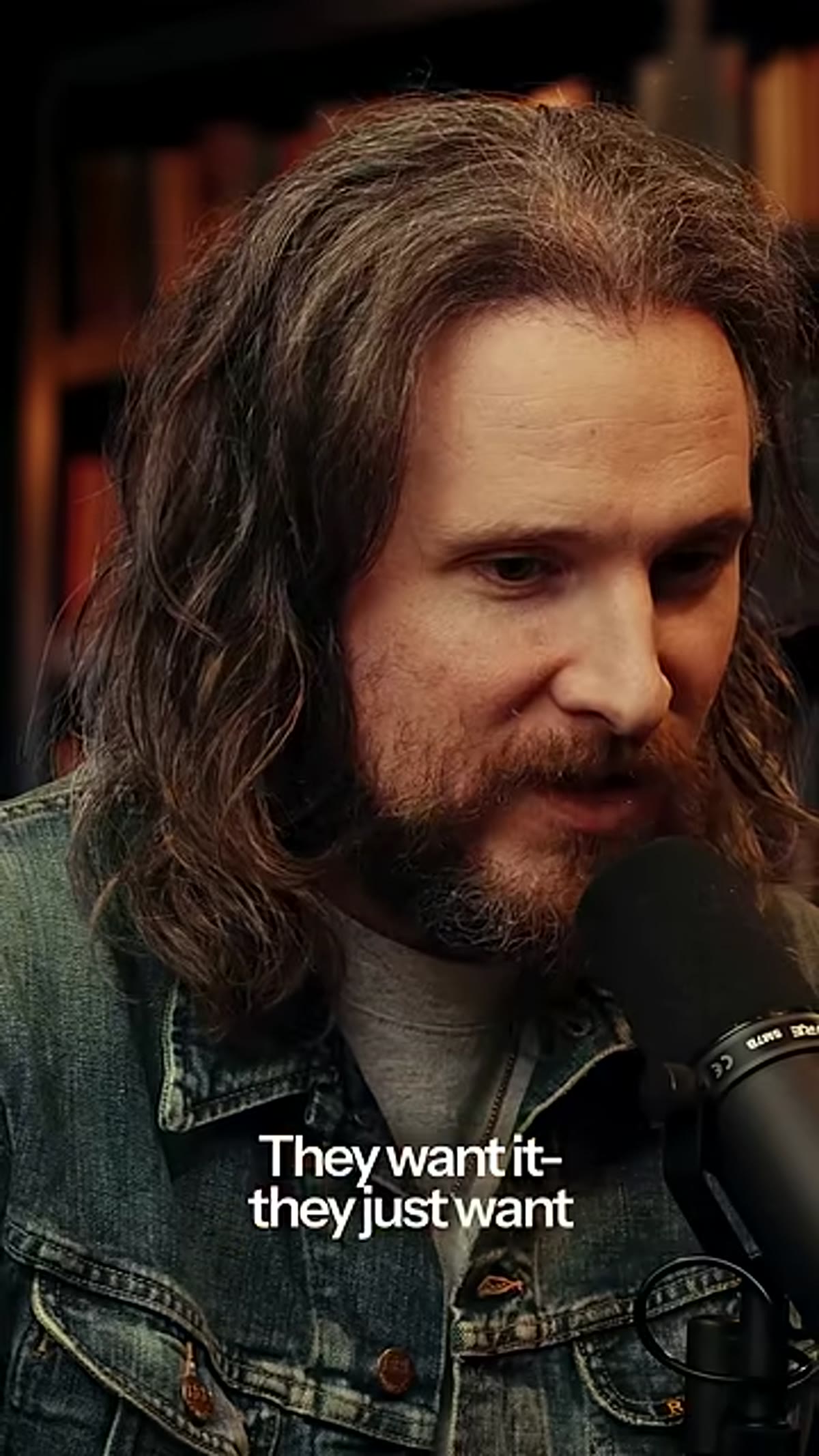
 Conversation about audiences being over curated, polished content
This step is about changing your editing filter before you even pick up the camera. A lot of us, myself included, have internalized a grid mentality. We’re half-composing images in our head the way they’ll look as thumbnails at 200 pixels wide. Peter’s point here is that viewers are now actively drawn to images that break that pattern. A slightly underexposed candid. A motion-blurred hand. A photo that’s clearly from a real Tuesday afternoon, not a styled shoot.
Conversation about audiences being over curated, polished content
This step is about changing your editing filter before you even pick up the camera. A lot of us, myself included, have internalized a grid mentality. We’re half-composing images in our head the way they’ll look as thumbnails at 200 pixels wide. Peter’s point here is that viewers are now actively drawn to images that break that pattern. A slightly underexposed candid. A motion-blurred hand. A photo that’s clearly from a real Tuesday afternoon, not a styled shoot.
Practically, this means giving yourself permission to keep photos you’d normally discard. Before you delete anything on import, ask whether it has emotional truth even if it fails a technical test. A sharp, well-lit photo of a boring moment is less interesting than a slightly soft photo of something that actually happened.
Step 4: Revisit Your Editing With a Lighter Hand
 Peter editing on laptop, reflecting on how good the image looked
Once you’ve shot with this mindset, your editing needs to match. Over-processing is the fastest way to undo the natural feel you captured in camera. In Lightroom, try pulling your texture and clarity sliders back further than feels comfortable. Drop the vibrance a few points. If you’ve been using presets, consider whether they’re adding polish where you actually want rawness.
Peter editing on laptop, reflecting on how good the image looked
Once you’ve shot with this mindset, your editing needs to match. Over-processing is the fastest way to undo the natural feel you captured in camera. In Lightroom, try pulling your texture and clarity sliders back further than feels comfortable. Drop the vibrance a few points. If you’ve been using presets, consider whether they’re adding polish where you actually want rawness.
Peter uses his own LUTs and presets, but the underlying principle he’s demonstrating is restraint. Color grading should enhance what’s already emotionally in the frame, not paper over a moment that didn’t land. If you find yourself doing heavy edits to make an image work, it’s worth asking whether a different, less technically perfect frame from the same session might actually be the stronger choice.
Step 5: Build a Separate “Unpolished” Collection
 Casual reference to real-life, undirected photography moments
This is a habit I added after watching the tutorial, and it’s changed how I cull photos. Create a separate collection or album in your editing software specifically for images that have something interesting happening even if they’re not technically clean. Treat this like a sketchbook. Over time, you’ll start to see patterns in what you’re drawn to that your “best of” folder never shows you.
Casual reference to real-life, undirected photography moments
This is a habit I added after watching the tutorial, and it’s changed how I cull photos. Create a separate collection or album in your editing software specifically for images that have something interesting happening even if they’re not technically clean. Treat this like a sketchbook. Over time, you’ll start to see patterns in what you’re drawn to that your “best of” folder never shows you.
Sorting this way also takes the pressure off your main selects. You’re not choosing between “good” and “trash.” You’re building a secondary library of raw material that can inform your eye and sometimes produce your best work.
What I’d Add From My Own Sundays
I do a photo walk every Sunday morning here in Seattle, usually before most people are up. For months, I brought my full kit because it felt professional. Then one week I forgot my bag in the car and just walked with my phone. The images from that morning have ended up in more of my teaching materials than almost anything I shot that year with a full frame camera. The constraints weren’t a handicap. They were an edit.
Peter’s tutorial gave me language for something I’d already experienced but hadn’t fully articulated. When cameras are so capable that they remove all the decisions from you, you stop being a photographer and start being an operator. The craft lives in the choices. So make harder ones on purpose, even if that means pointing a worse camera at better light.
The single most important thing I took from this tutorial: technical quality and emotional quality are not the same thing, and right now audiences are strongly telling us which one they actually want. Stop optimizing for perfect and start optimizing for real.
Watch the full tutorial on YouTube and pay close attention to the way Peter talks about that one casual photo of his son. That moment is the whole thesis.
Comments
Leave a Comment