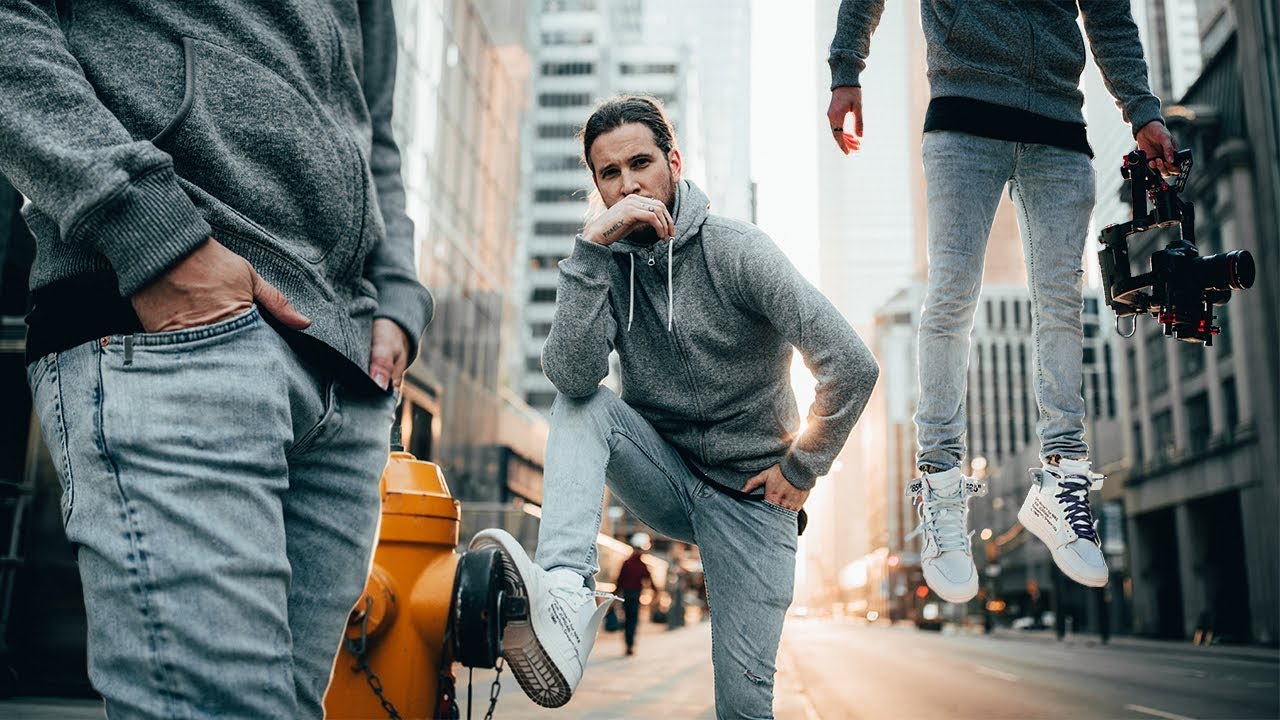
Every Sunday morning I’m out the door by 6 a.m. with a camera and a coffee, walking the same neighborhoods in Seattle like I’m seeing them for the first time. Street photography was the thing that broke me out of the overly-planned, tripod-and-golden-hour routine I’d gotten stuck in after years of travel work. But when I started, I kept coming back with mediocre shots. Technically fine. Emotionally flat.
Then I found Peter McKinnon’s urban photography tutorial, and a few things clicked into place. Watch the full tutorial on YouTube - it’s worth your full attention. What I appreciated most is that McKinnon doesn’t pretend street photography has a formula. What he gives you instead is a mindset and a toolkit, and that combination is far more useful in the long run.
This breakdown pulls out the core techniques from the video in the order McKinnon presents them, with enough context that you can take these ideas out on your next walk without having to pause and rewind every two minutes.
Step 1: Embrace the “Wild West” Mindset
 Peter McKinnon explaining street photography has no strict rules
Before you touch a single camera setting, McKinnon makes a point that I think a lot of beginners skip past: street photography has no fixed rules. He describes it as the Wild West of photography genres, where portrait work, architecture, landscape, and documentary storytelling all collapse into a single outing. That framing matters because beginners often freeze up on the street, waiting for the “perfect” shot or worrying they’re doing something wrong. You’re not. Your job is to observe and respond, not to execute a pre-planned shot list.
Peter McKinnon explaining street photography has no strict rules
Before you touch a single camera setting, McKinnon makes a point that I think a lot of beginners skip past: street photography has no fixed rules. He describes it as the Wild West of photography genres, where portrait work, architecture, landscape, and documentary storytelling all collapse into a single outing. That framing matters because beginners often freeze up on the street, waiting for the “perfect” shot or worrying they’re doing something wrong. You’re not. Your job is to observe and respond, not to execute a pre-planned shot list.
Practically, this means giving yourself permission to shoot wide scenes, tight details, strangers from a distance, and abstract reflections all in the same hour. Don’t try to stay consistent. Consistency can come later in editing. On the street, stay curious.
Step 2: Bring Someone Fashion-Forward to Shoot With
 Peter McKinnon discussing fashion and outfits for urban shoots
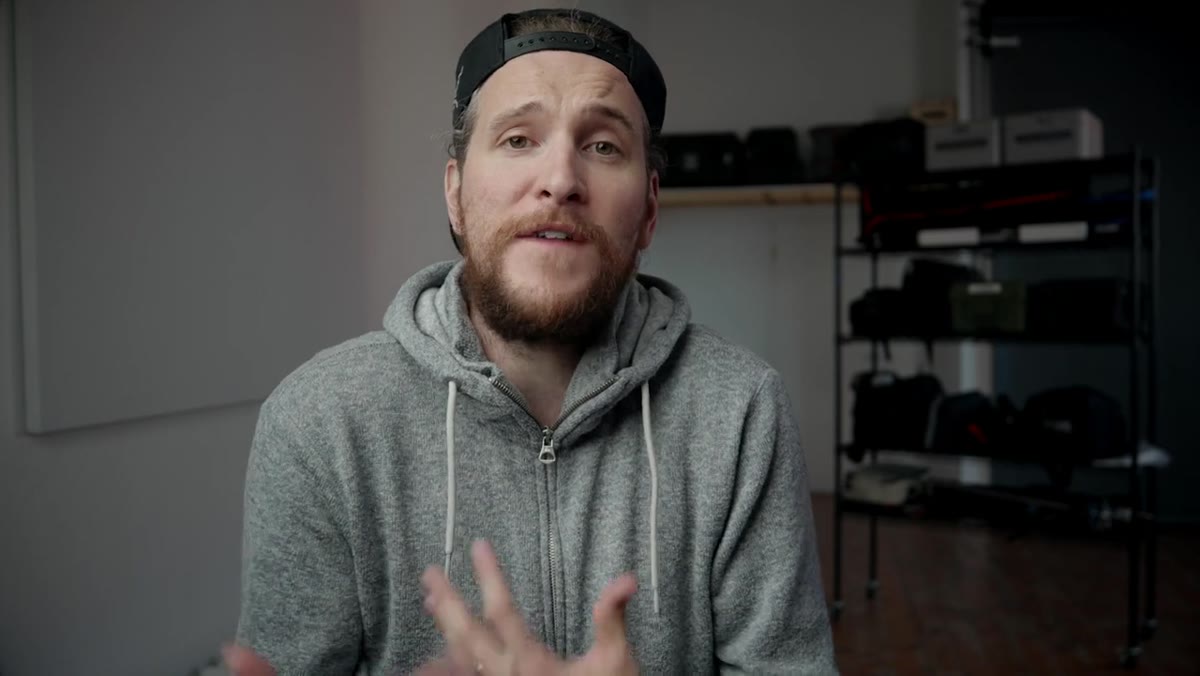
One of McKinnon’s more specific tips is to shoot with a collaborator who has some fashion sense, whether that’s a model, a stylish friend, or a fellow photographer who puts effort into what they wear. The reasoning is practical: if you’re shooting the same person in the same outfit for three hours across a city, the photos start to look identical no matter how good your locations are.
Peter McKinnon discussing fashion and outfits for urban shoots
One of McKinnon’s more specific tips is to shoot with a collaborator who has some fashion sense, whether that’s a model, a stylish friend, or a fellow photographer who puts effort into what they wear. The reasoning is practical: if you’re shooting the same person in the same outfit for three hours across a city, the photos start to look identical no matter how good your locations are.
The fix is to have your subject bring multiple outfits. This lets you change the visual story completely without changing the location. You can shoot full looks, focus on footwear against pavement, frame just the jacket against a wall - suddenly you have editorial variety from a single morning. I’ve done this on photo walks with friends and it genuinely doubles the usable frames I come home with.
Step 3: Get Out Before the City Wakes Up
 Mention of getting up at 4 a.m. and hitting streets by 5 a.m.
McKinnon mentions that he and his collaborator were out at 4 a.m. and shooting by 5 a.m., walking a total of 17 kilometers before most people had eaten breakfast. That’s not just dedication - it’s a strategy. Empty streets give you clean compositions without random passersby cutting through your frame. The light at that hour is soft, low, and directional in a way that makes even a concrete wall look interesting.
Mention of getting up at 4 a.m. and hitting streets by 5 a.m.
McKinnon mentions that he and his collaborator were out at 4 a.m. and shooting by 5 a.m., walking a total of 17 kilometers before most people had eaten breakfast. That’s not just dedication - it’s a strategy. Empty streets give you clean compositions without random passersby cutting through your frame. The light at that hour is soft, low, and directional in a way that makes even a concrete wall look interesting.
If 4 a.m. sounds brutal, start with 6 a.m. and work backwards from there. The goal is to be shooting before foot traffic picks up and before harsh midday light flattens everything. I’ve been doing my Sunday walks at sunrise for almost two years now and the quality difference between those frames and anything shot at noon is not subtle.
Step 4: Think Like a Photojournalist, Not a Portrait Photographer
 McKinnon comparing street photography to photojournalism
McKinnon compares street photography to photojournalism and I think that’s the most useful reframe in the whole video. A photojournalist isn’t waiting for subjects to pose or for the light to be perfect. They’re reading the environment, anticipating moments, and making decisions fast. That’s the energy you want on the street.
McKinnon comparing street photography to photojournalism
McKinnon compares street photography to photojournalism and I think that’s the most useful reframe in the whole video. A photojournalist isn’t waiting for subjects to pose or for the light to be perfect. They’re reading the environment, anticipating moments, and making decisions fast. That’s the energy you want on the street.
In practice, this means keeping your camera ready instead of in your bag, shooting more than you think you need to, and paying as much attention to background and context as you do to your subject. A person walking through a shaft of light between two buildings is a portrait. The same person photographed so you can see the street sign, the coffee cup in their hand, and the reflection in a puddle is a story. Train yourself to look for the story.
Step 5: Use the City as a Complete Set
 McKinnon listing city elements - buildings, weather, atmosphere, people
One of the cleaner frameworks McKinnon lays out is thinking of everything in a city as photographic material: the buildings, the weather, the atmosphere, the people, the architecture. Nothing is background noise. Everything is either in your frame intentionally or it’s clutter you need to work around.
McKinnon listing city elements - buildings, weather, atmosphere, people
One of the cleaner frameworks McKinnon lays out is thinking of everything in a city as photographic material: the buildings, the weather, the atmosphere, the people, the architecture. Nothing is background noise. Everything is either in your frame intentionally or it’s clutter you need to work around.
This matters most when you’re deciding where to stand. Instead of finding a person and photographing them, try finding a compelling location and waiting for the right person to enter it. This is a technique street photographers call “fishing” - you set up your composition, lock your exposure, and let the city bring you the shot. It requires patience, but it produces images that feel both deliberate and spontaneous at once.
What I’d Add From My Own Experience
McKinnon’s tips work because they’re flexible enough to adapt to any city on any day. The one thing I’d layer on top of everything he covers is sound awareness. When I’m shooting on the street, I listen as much as I look. The sound of a delivery truck reversing tells me there’s movement and light changing on that block. Laughter around a corner means a group of people who might be worth approaching. The city telegraphs its moments before you can see them.
I’d also say: shoot with your phone sometimes. My most-shared photo ever was taken on a $200 Android because it was the only camera I had when the moment happened. Street photography rewards presence over gear every single time. The techniques McKinnon outlines in this tutorial are just as effective whether you’re shooting a mirrorless camera or a smartphone - the mindset is what travels across every format.
The single biggest takeaway from this tutorial is that street photography rewards people who treat the city as a living, moving subject rather than a backdrop. Your job isn’t to wait for perfect conditions. Your job is to show up early, stay curious, and keep shooting until the city gives you something worth keeping.
Watch the full tutorial on YouTube and then go outside with your camera. That order matters.
Comments
Leave a Comment