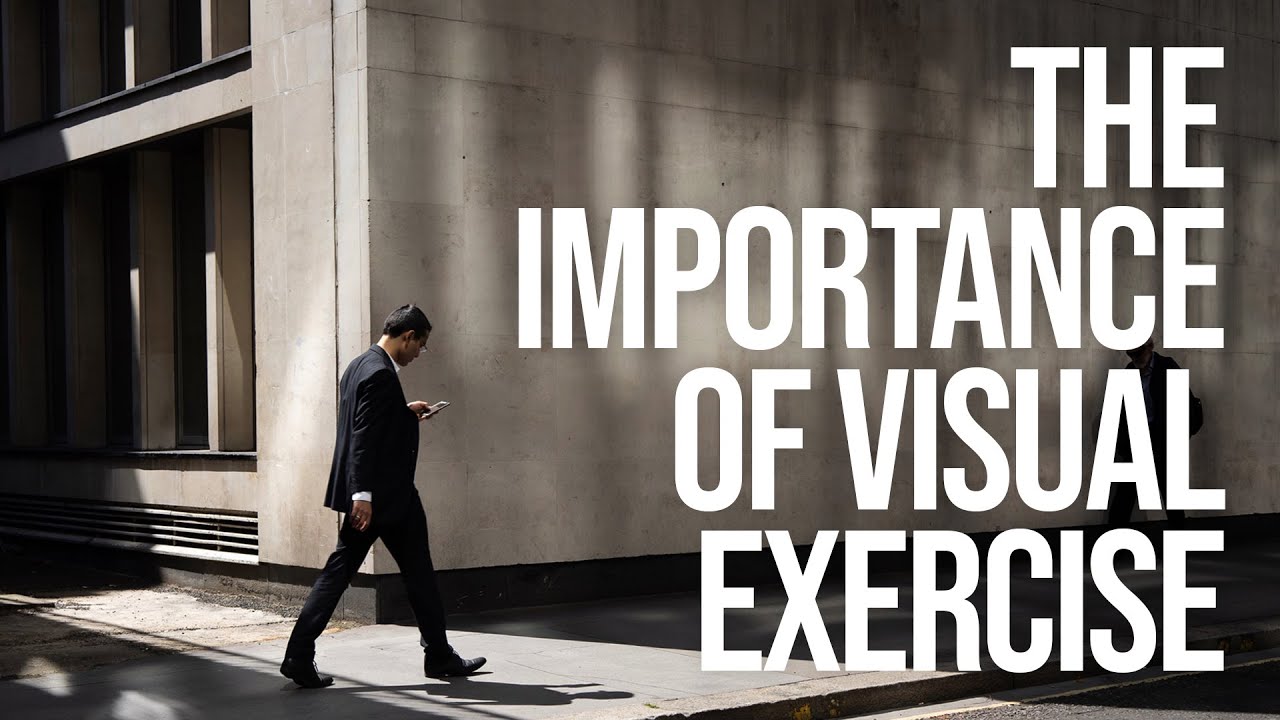
I used to think I needed to be out shooting to get better at photography. If I wasn’t behind a camera, I wasn’t practicing. That belief kept me stuck for longer than I’d like to admit, because real life rarely cooperates with scheduled creative sessions. Between client calls, errands, and the general chaos of adult existence, my camera spent a lot of time sitting on the shelf.
Then I came across this Sean Tucker tutorial on developing your photographic eye through what he calls “visual exercise,” and it reframed something I thought I understood but clearly didn’t. Watch the full tutorial on YouTube. Tucker argues that the gap between a photographer with great gear and a photographer with great images isn’t technical knowledge. It’s the ability to truly see. And that’s a skill you can build anywhere, any time, with or without a camera in your hand.
This hit me personally because my most-liked Instagram photo to date was taken on a $200 phone on a Tuesday afternoon when I had zero intention of making art. I was just paying attention. Tucker’s framework finally gave me language for why that happens and a method for making it happen more deliberately.
Step 1: Acknowledge That Technical Skills Are Only Half the Equation
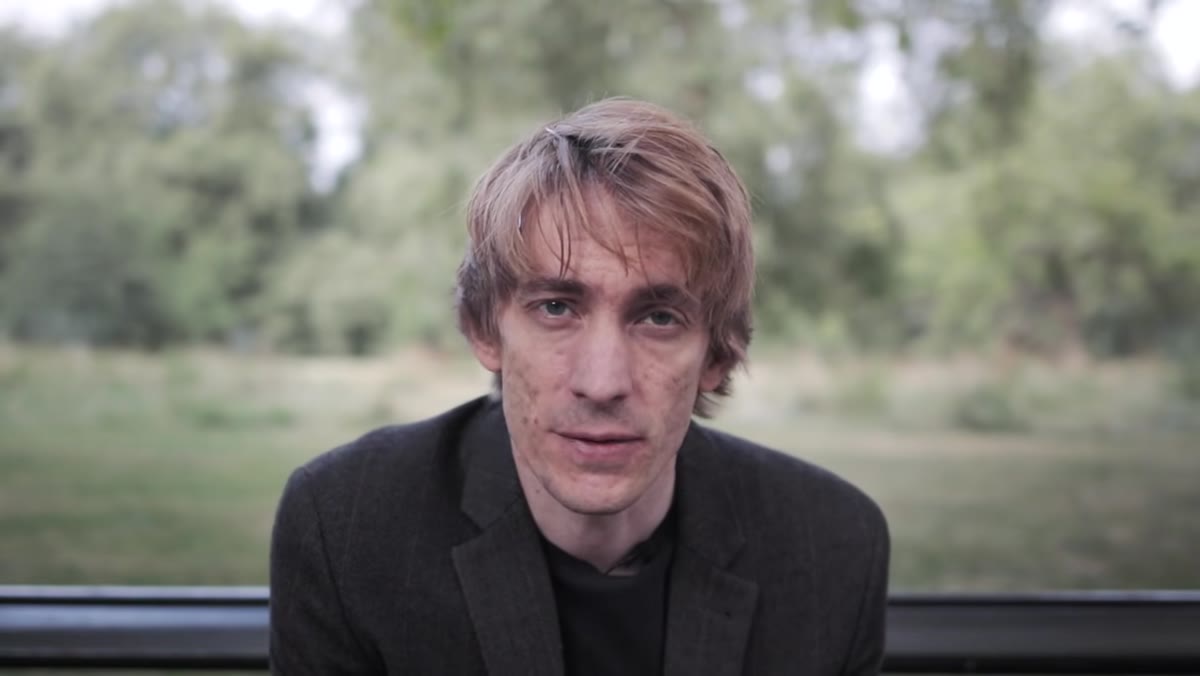 Sean Tucker speaking directly to camera, calm and direct
Before you can build a better eye, you have to stop hiding behind gear upgrades as a substitute for creative growth. Tucker makes the point that photography is defined online almost entirely by its technical side, sensor specs, software techniques, camera comparisons, but that technical mastery is just the tool. A paintbrush doesn’t make you a painter. Your camera doesn’t make you a photographer.
Sean Tucker speaking directly to camera, calm and direct
Before you can build a better eye, you have to stop hiding behind gear upgrades as a substitute for creative growth. Tucker makes the point that photography is defined online almost entirely by its technical side, sensor specs, software techniques, camera comparisons, but that technical mastery is just the tool. A paintbrush doesn’t make you a painter. Your camera doesn’t make you a photographer.
This isn’t an excuse to ignore the technical side. You do need to understand how your camera works. But if you’ve already cleared that bar and your images still feel flat or forgettable, the answer isn’t a new lens. The answer is developing yourself as a visual thinker, which requires a different kind of practice entirely.
Step 2: Study How Other Artists Learn to See
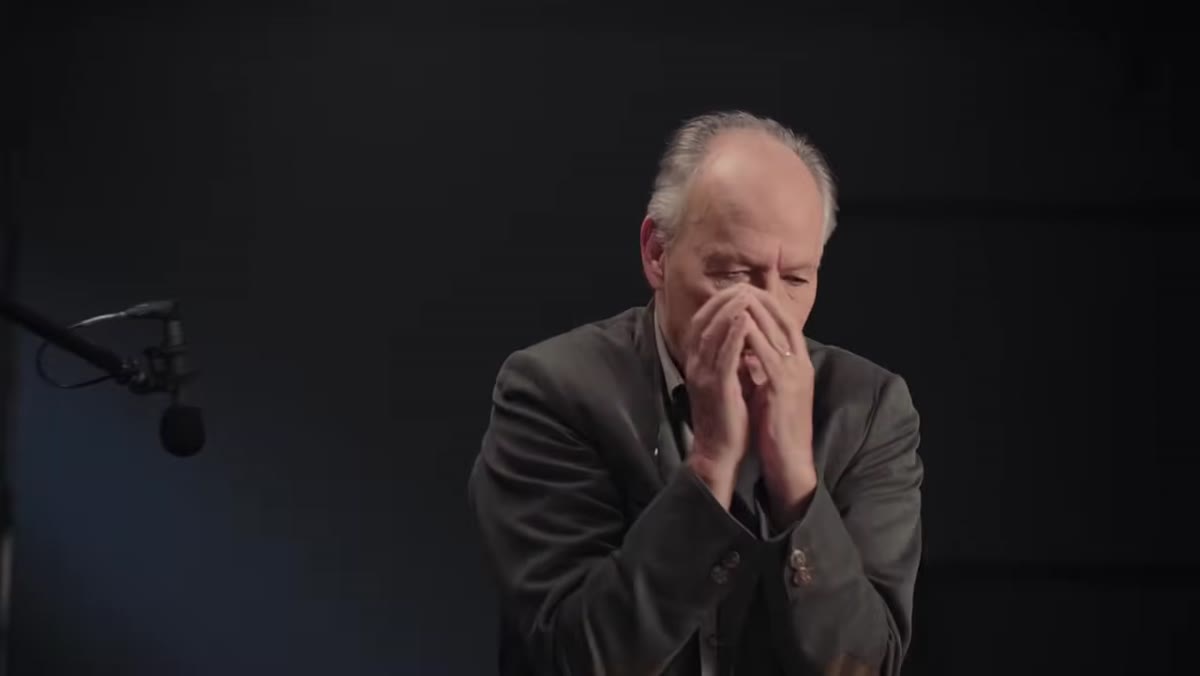 Tucker describing the book The Peregrine, gesturing thoughtfully
Tucker shares that the filmmaker Werner Herzog assigned his students a book called “The Peregrine,” a 1960s nature memoir about peregrine falcons written in extraordinarily precise, observational detail. The book has nothing to do with filmmaking or photography. But Herzog assigned it because the author demonstrates what it actually means to look at something with full attention and deep appreciation.
Tucker describing the book The Peregrine, gesturing thoughtfully
Tucker shares that the filmmaker Werner Herzog assigned his students a book called “The Peregrine,” a 1960s nature memoir about peregrine falcons written in extraordinarily precise, observational detail. The book has nothing to do with filmmaking or photography. But Herzog assigned it because the author demonstrates what it actually means to look at something with full attention and deep appreciation.
Your version of this doesn’t have to be that specific book. The practice is to regularly consume work by people who observe the world with precision, whether that’s nature writing, poetry, documentary film, or street photography. Pay attention to how they notice things. What details do they choose? What do they linger on? Translating that kind of attention into your own visual awareness is part of what separates a snapshot from a photograph.
Step 3: Turn Your Daily Commute or Errands Into a Visual Practice Session
 Tucker walking through a city street, camera in hand
This is the core of Tucker’s method and the most actionable part. He walks whenever he can, not because he loves walking, but because walking pace gives him time to be present in a space and notice what’s happening visually. He leaves early specifically to have that extra time.
Tucker walking through a city street, camera in hand
This is the core of Tucker’s method and the most actionable part. He walks whenever he can, not because he loves walking, but because walking pace gives him time to be present in a space and notice what’s happening visually. He leaves early specifically to have that extra time.
The practice is simple: put the phone away, take out the headphones, lift your gaze, and actually look at what’s around you. Notice the quality of light on a building facade. Watch how shadows fall across a sidewalk at different times of day. Observe how people move through a space. You don’t need a camera for this. You’re training your brain to flag visually interesting moments as interesting, so that eventually it becomes automatic.
I do this every Sunday morning on my photo walk, but Tucker’s point is that you don’t need a dedicated ritual. You can do it on the way to the grocery store.
Step 4: Use Your Phone Camera Deliberately, Not Casually
 Tucker holding up his phone as his teaching camera
Tucker credits his phone as one of his most important teaching tools, not because of image quality, but because of the constraints it forces. When you’re shooting with a phone, you can’t rely on a wide-open aperture to blur a messy background into irrelevance. Almost everything in the frame will be sharp, which means composition has to carry the entire image.
Tucker holding up his phone as his teaching camera
Tucker credits his phone as one of his most important teaching tools, not because of image quality, but because of the constraints it forces. When you’re shooting with a phone, you can’t rely on a wide-open aperture to blur a messy background into irrelevance. Almost everything in the frame will be sharp, which means composition has to carry the entire image.
Pick up your phone on your next walk and shoot with the intention of making a strong composition, not a quick memory capture. Ask yourself before you tap the shutter: is everything in this frame working? Does the background support the subject or fight it? This exercise builds compositional instincts faster than almost anything else because the feedback is immediate and the stakes are low.
Step 5: Train Your Eye Specifically for Light
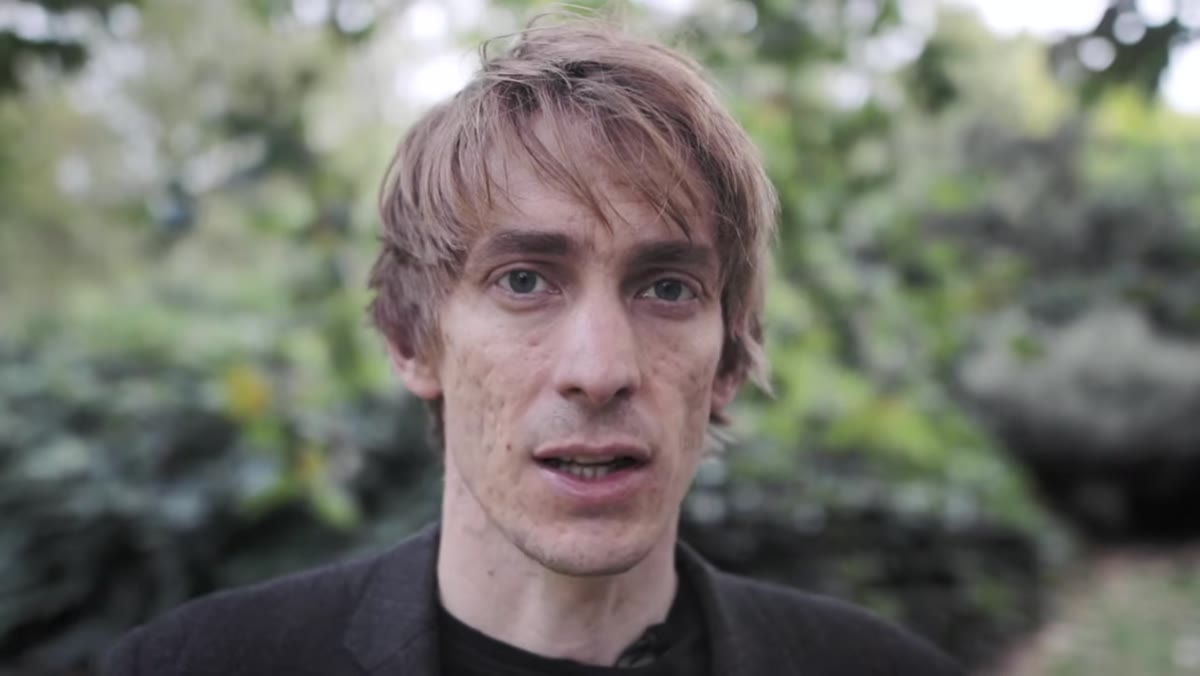 Tucker discussing light quality during a walk
Photography is literally “writing with light,” and Tucker pushes us to make observing light a conscious daily habit, not something you only think about when you’ve got a camera in hand. As you move through your day, start asking a simple set of questions about whatever light is in front of you.
Tucker discussing light quality during a walk
Photography is literally “writing with light,” and Tucker pushes us to make observing light a conscious daily habit, not something you only think about when you’ve got a camera in hand. As you move through your day, start asking a simple set of questions about whatever light is in front of you.
What color is it right now? Is it warm and golden, or flat and cool? Is it hard light with sharp shadows, or soft and diffused? Is it bouncing off a surface and creating a secondary fill? Is it doing something unexpected or beautiful? You don’t have to photograph any of it. Just notice it. Over time, your brain builds a library of light situations, and you’ll start recognizing the good ones instantly when you do have your camera out.
Step 6: Evaluate Your Compositions Without the Safety Net
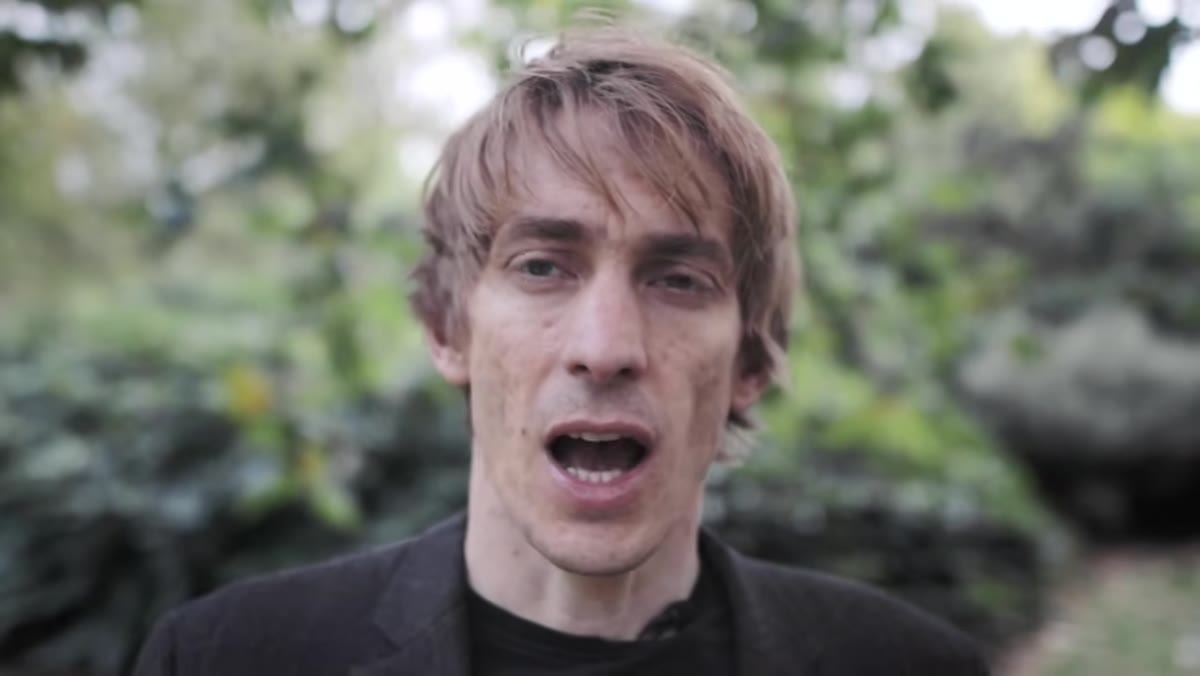 Tucker discussing shallow depth of field as a crutch
Once you’ve spent time shooting with your phone and observing light without a camera, bring those habits back to your main camera and be honest with yourself. Are you using a shallow depth of field to avoid solving compositional problems? Are you cropping out complexity instead of learning to include it intentionally?
Tucker discussing shallow depth of field as a crutch
Once you’ve spent time shooting with your phone and observing light without a camera, bring those habits back to your main camera and be honest with yourself. Are you using a shallow depth of field to avoid solving compositional problems? Are you cropping out complexity instead of learning to include it intentionally?
The mark of a strong image is that it works at every focal length and aperture, not just wide open. Start reviewing your images at a deeper depth of field than you’d normally shoot to see how the full frame holds up. If it falls apart, that’s useful information. It tells you exactly where your visual thinking needs work.
My Own Addition: Build a Visual Vocabulary Over Time
I’d add one thing Tucker doesn’t spell out explicitly: keep a running folder of images that stop you, from other photographers, from films, from anywhere. Not for copying, but for noticing patterns in what you respond to. After six months, I looked back at mine and realized I’m drawn to rim lighting and compressed perspective almost every time. That self-knowledge now actively shapes how I shoot. Knowing your own visual instincts is part of developing your eye, and it only comes from paying attention over time.
The single biggest shift this tutorial points to is this: seeing is a skill that requires practice outside of shooting, not just during it. Every walk, every errand, every lunch break is an opportunity to train your eye if you choose to treat it that way. Start there, and the camera work will follow.
Watch the full tutorial on YouTube to hear Tucker walk through his thinking in full. It’s worth the 10 minutes.
Comments
Leave a Comment