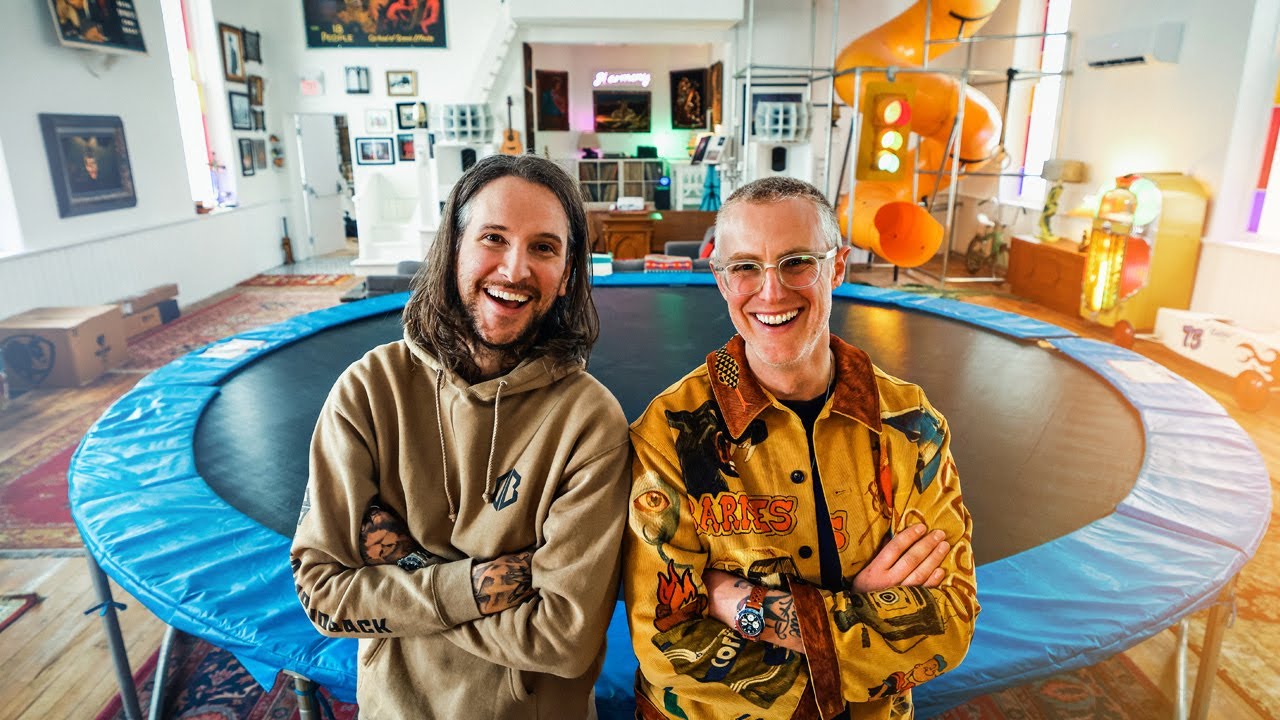
There’s a particular kind of photographer I keep running into at workshops. They want to know what lens I used, what my ISO was, whether I shoot mirrorless or DSLR. And every time, I find myself wanting to redirect the conversation to the more interesting question: what were you thinking about when you pressed the shutter? I’ve been chasing that question for years, which is why a recent Peter McKinnon tutorial stopped me mid-coffee on a Sunday before I’d even laced up my shoes for my weekly photo walk. Watch the full tutorial on YouTube
In the video, McKinnon sits down with Matt, a Toronto-based photographer whose client list includes major ad campaigns and album covers, and what unfolds is less a gear review and more a masterclass in what actually fuels a long creative career. Matt’s philosophy is blunt and refreshing: cameras are boring. What’s interesting is history, romance, obsession, and the visual references you’ve been collecting since you were eight years old. That framing hit me hard, because my most-liked Instagram photo to this day was shot on a $200 phone. The image worked because I cared deeply about the light and the moment. The device was an afterthought.
What follows is my breakdown of the core techniques and mindset shifts from this conversation, written so you can put them to work immediately, no matter what you’re shooting with.
Step 1: Anchor Your Aesthetic to Something Personal and Specific
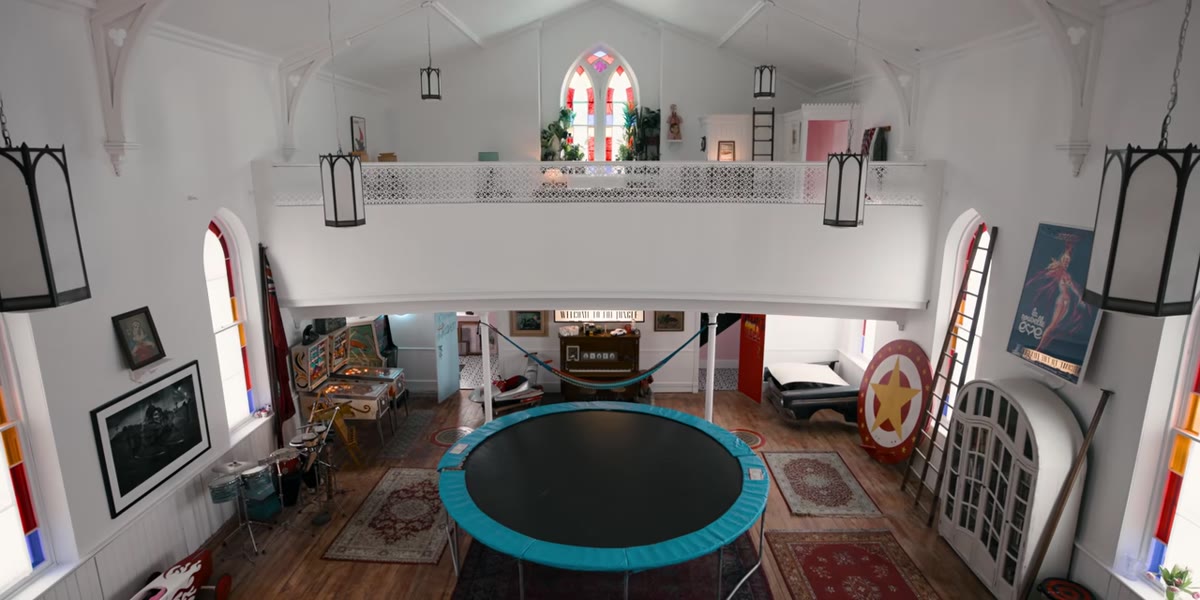 Matt describing his converted 1891 church home
Matt didn’t arrive at his visual style by browsing Pinterest boards. He traced it back to a drawing he made as a child of what he wanted his house to look like. He now lives in a converted 1891 Methodist church. That’s not a quirky fun fact. It’s a demonstration of how deep aesthetic roots go. His photography carries a sense of history and romance because those values are woven into where he lives and what he collects.
Matt describing his converted 1891 church home
Matt didn’t arrive at his visual style by browsing Pinterest boards. He traced it back to a drawing he made as a child of what he wanted his house to look like. He now lives in a converted 1891 Methodist church. That’s not a quirky fun fact. It’s a demonstration of how deep aesthetic roots go. His photography carries a sense of history and romance because those values are woven into where he lives and what he collects.
Your exercise here is concrete: write down three non-photography things you are genuinely obsessed with. Architecture, a specific decade of fashion, a genre of music, old maps, whatever it is. Then ask yourself honestly whether those obsessions are showing up in your images. If they aren’t, that’s your gap. Your personal aesthetic doesn’t come from studying other photographers. It comes from knowing yourself well enough to let your actual interests bleed into the frame.
Step 2: Build a Visual Reference Library Rooted in History, Not Instagram
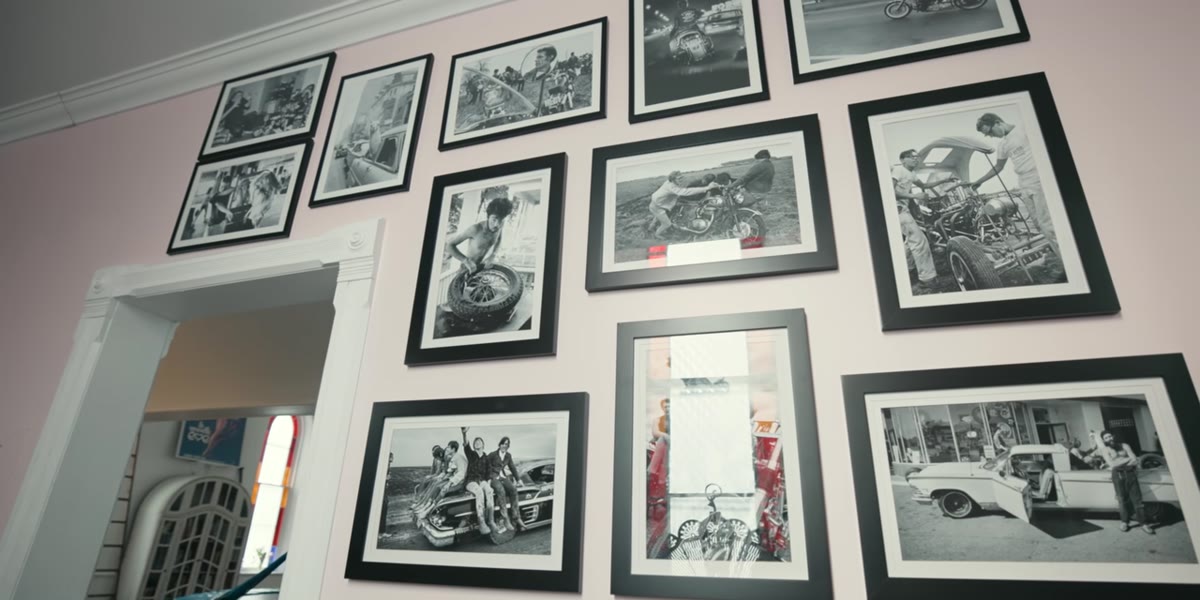 Matt discussing a 1960s Canadian photographer who toured with a 35mm camera
Matt references a photographer who traveled across Canada in the 1960s shooting everything on 35mm film, along with the neon-drenched black velvet posters of the 1970s, as direct visual influences on his color work. He wasn’t trying to recreate those references. He was using them as fuel to push his own images somewhere new, specifically trying to achieve the most fluorescent color possible in a print.
Matt discussing a 1960s Canadian photographer who toured with a 35mm camera
Matt references a photographer who traveled across Canada in the 1960s shooting everything on 35mm film, along with the neon-drenched black velvet posters of the 1970s, as direct visual influences on his color work. He wasn’t trying to recreate those references. He was using them as fuel to push his own images somewhere new, specifically trying to achieve the most fluorescent color possible in a print.
This is a fundamentally different habit than scrolling your feed for inspo. Start a physical or digital folder, not a mood board full of contemporary photographers, but reference images from books, vintage print ads, film stills, textile patterns, architectural photography from specific eras. The more obscure and specific your references, the more original your work will feel. When you’re on location and something isn’t clicking, flip through those references. You’re not copying. You’re reminding yourself what emotion you’re chasing.
Step 3: Stop Letting Gear Conversations Steal Your Creative Energy
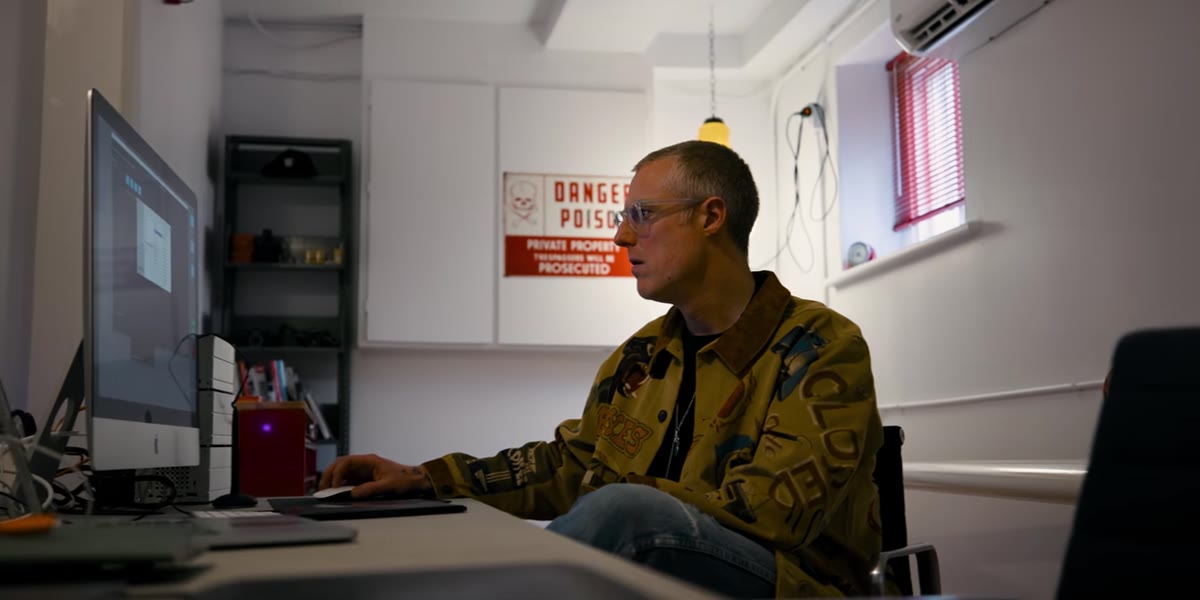 Matt saying he “couldn’t care less about cameras”
Matt is direct about this: when peers were spending money on the latest gear, he was elsewhere mentally. He says he could talk about 1920s tailoring for hours but had nothing to say about cameras. That’s not false modesty from someone who hasn’t shot professionally. This is someone who photographed Ariana Grande’s album cover and ran major brand campaigns.
Matt saying he “couldn’t care less about cameras”
Matt is direct about this: when peers were spending money on the latest gear, he was elsewhere mentally. He says he could talk about 1920s tailoring for hours but had nothing to say about cameras. That’s not false modesty from someone who hasn’t shot professionally. This is someone who photographed Ariana Grande’s album cover and ran major brand campaigns.
The practical application is this: set a rule for yourself that you spend no more than 10 minutes per week reading about camera gear. Replace that time with looking at work from photographers who shot decades before you were born. Read about how a particular image was made contextually, not technically. When someone asks you what camera you used to get a shot, try answering with what you were feeling instead. It’s a discipline, and it rewires how you approach a shoot.
Step 4: Let Your Collections Inform Your Compositions
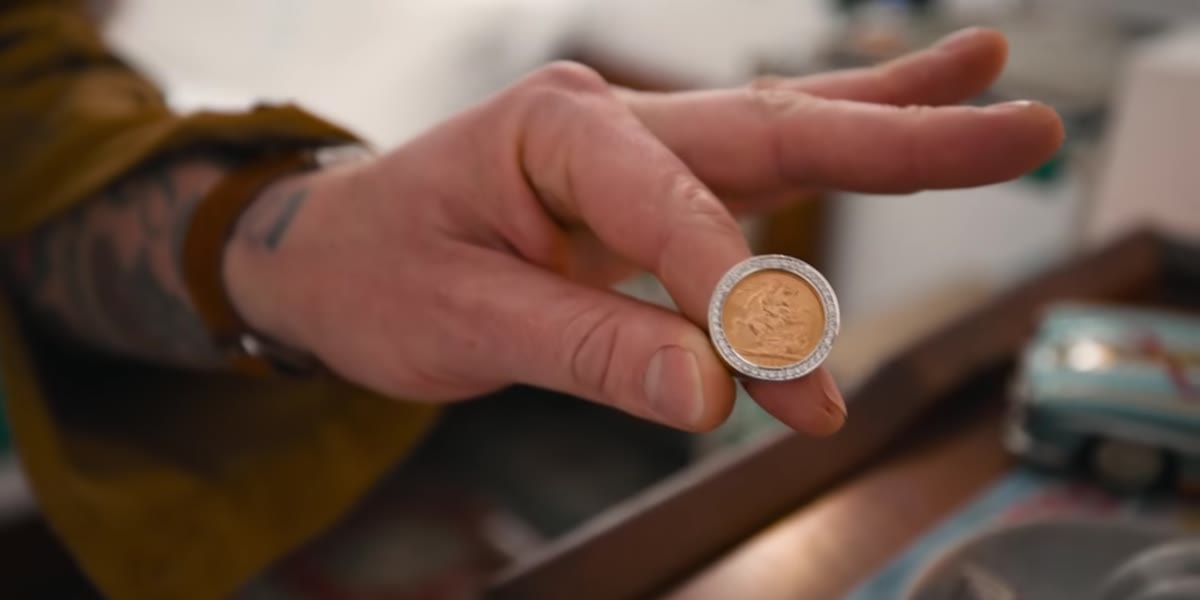 Matt showing his rings, vintage watches, and personal objects
Matt moves through a collection of objects: a sovereign ring from his father, a two-tone Cartier Panther watch, a Second World War Omega with a radium dial. Each one has a story, a decade, a cultural reference attached to it. He doesn’t collect things randomly. He collects things that feel like they carry time inside them.
Matt showing his rings, vintage watches, and personal objects
Matt moves through a collection of objects: a sovereign ring from his father, a two-tone Cartier Panther watch, a Second World War Omega with a radium dial. Each one has a story, a decade, a cultural reference attached to it. He doesn’t collect things randomly. He collects things that feel like they carry time inside them.
Now translate that to your photography practice. What you’re drawn to in objects reveals what you’re drawn to visually. If you love patina, wear, and age in the things you own, you probably find clean minimal compositions less satisfying to shoot. Stop fighting that instinct. Lean into it. Shoot environments and subjects that match the emotional texture of the things you love. Your compositions will become more intentional almost immediately because you’re working from genuine attraction rather than following a formula.
Step 5: Protect the Creative Spark, Even When the Commercial Work Is Good
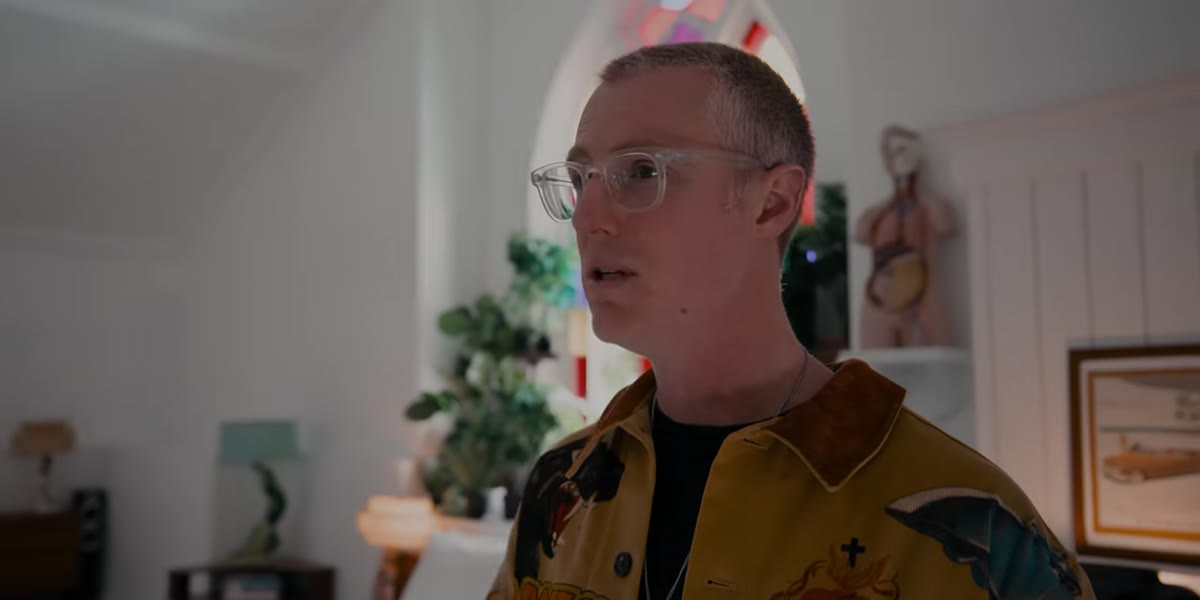 Matt reflecting that large paid campaigns are not “the end goal”
This might be the hardest step for anyone trying to build a photography career. Matt acknowledges that landing a $200,000 campaign is an amazing thing, a sign that someone trusts your vision at scale. But he’s clear that it’s not the destination. The work that reignited McKinnon’s own passion for photography wasn’t Matt’s biggest commercial job. It was something about the spirit behind all of it.
Matt reflecting that large paid campaigns are not “the end goal”
This might be the hardest step for anyone trying to build a photography career. Matt acknowledges that landing a $200,000 campaign is an amazing thing, a sign that someone trusts your vision at scale. But he’s clear that it’s not the destination. The work that reignited McKinnon’s own passion for photography wasn’t Matt’s biggest commercial job. It was something about the spirit behind all of it.
Make a practice of shooting something every week purely for yourself, with no brief, no client, no audience in mind. It doesn’t have to be polished or shareable. It just has to be honest. I keep my Sunday morning photo walks sacred for exactly this reason. No Instagram plans. No hashtags pre-loaded. Just me, a camera or sometimes just my phone, and whatever catches my eye. Those hours do more for my commercial work than any workshop I’ve attended, because they remind me why I started.
What I’d Add From My Own Experience
The thing Matt’s philosophy clarified for me is that inspiration isn’t something that happens to you. It’s something you build infrastructure for. He lives in a 130-year-old church surrounded by objects from specific historical moments. That’s not accident. That’s an artist who has engineered his environment to keep feeding his imagination.
You don’t need a converted church. But you do need some equivalent: a shelf of photography books you actually open, a folder of visual references you return to, a regular practice that has nothing to do with metrics. The photographers whose work stops you mid-scroll have usually been quietly building that infrastructure for years.
The single most important takeaway from this tutorial is simple but easy to forget: your creative obsessions are your real competitive advantage, not your gear, not your presets, not your posting schedule. The camera is just the last step in a process that started long before you picked it up.
Watch the full tutorial on YouTube and pay attention to how Matt talks about the objects in his life. That’s where the real photography lesson is hiding.
Comments (3)
Just subscribed. If the rest of your content is this good, I'm in.
Couldn't agree more. I've seen this make a huge difference in compositing work specifically.
Simple but effective. Sometimes that's all you need.
Leave a Comment