
Every photographer I know goes through the same phase. You buy a camera, you shoot everything, you watch tutorials, you improve. And then you hit this uncomfortable wall where technical skill is no longer the problem. The problem is not knowing what you actually want to say with your camera. That question sat in the back of my head for longer than I’d like to admit, even after I’d been shooting for years.
In this Sean Tucker tutorial featuring seascape photographer Rachael Talibart, Watch the full tutorial on YouTube – Tucker tackles exactly that moment of creative uncertainty. What makes this video stand out from the usual “find your niche” advice is that Rachael’s story isn’t a clean, overnight pivot. It’s a patient, years-long process of elimination, experimentation, and honest self-examination. She left a high-powered legal career, tried multiple genres, raised young kids, and eventually landed on something specific enough to earn serious critical recognition. Her path is worth studying closely.
This isn’t a technical tutorial about camera settings. It’s something more valuable: a framework for working out what you should be pointing your camera at in the first place. Here’s how to walk through that process yourself.
Step 1: Recognize That “Shooting Everything” Has an Expiration Date
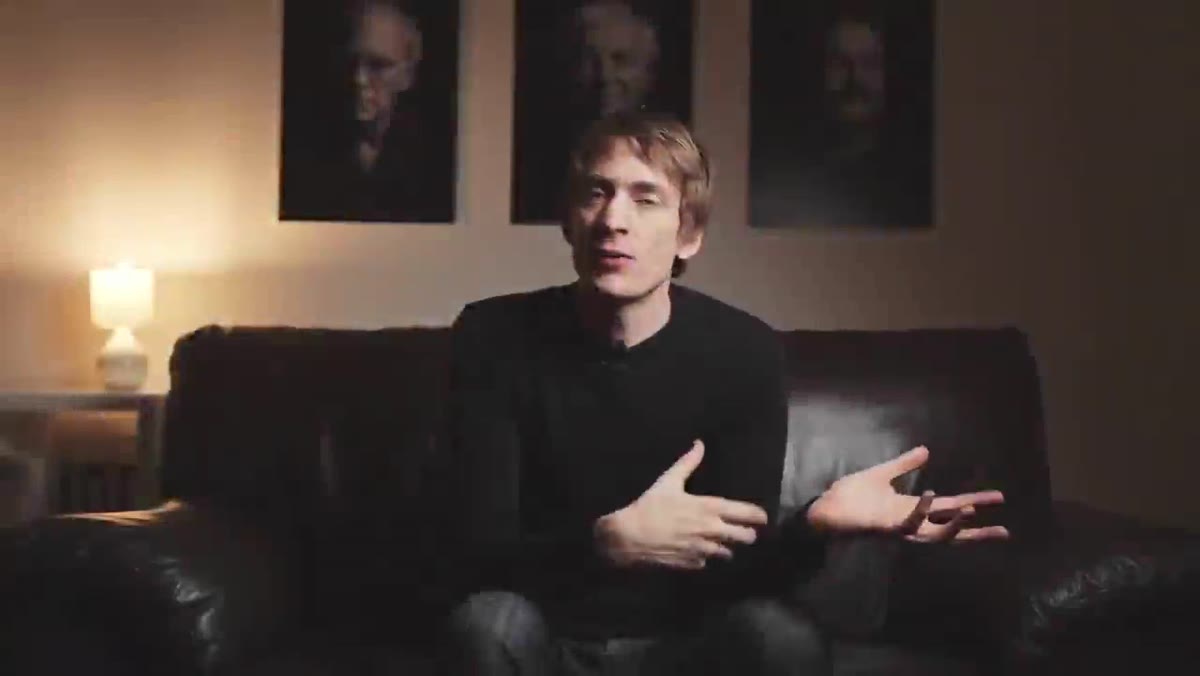 Photographer holding camera, text describing the learning phase
The early phase of photography – shooting wide open across subjects to learn your gear – is genuinely valuable. Nobody skips it. But Tucker opens by naming the moment when that approach stops serving you: when you have a growing catalog of images across a dozen subjects, some you love and some you don’t, and no coherent thread between them.
Photographer holding camera, text describing the learning phase
The early phase of photography – shooting wide open across subjects to learn your gear – is genuinely valuable. Nobody skips it. But Tucker opens by naming the moment when that approach stops serving you: when you have a growing catalog of images across a dozen subjects, some you love and some you don’t, and no coherent thread between them.
The actionable move here is to actually look at your archive with fresh eyes. Open your Lightroom catalog or photo folder and sort by your highest-rated images. Don’t curate by technical quality alone. Ask which ones you return to emotionally. Which ones feel like you? That gap between the technically good shots and the ones that feel personal is the space where your direction lives.
Step 2: Trace the Emotional Roots, Not Just the Visual Ones
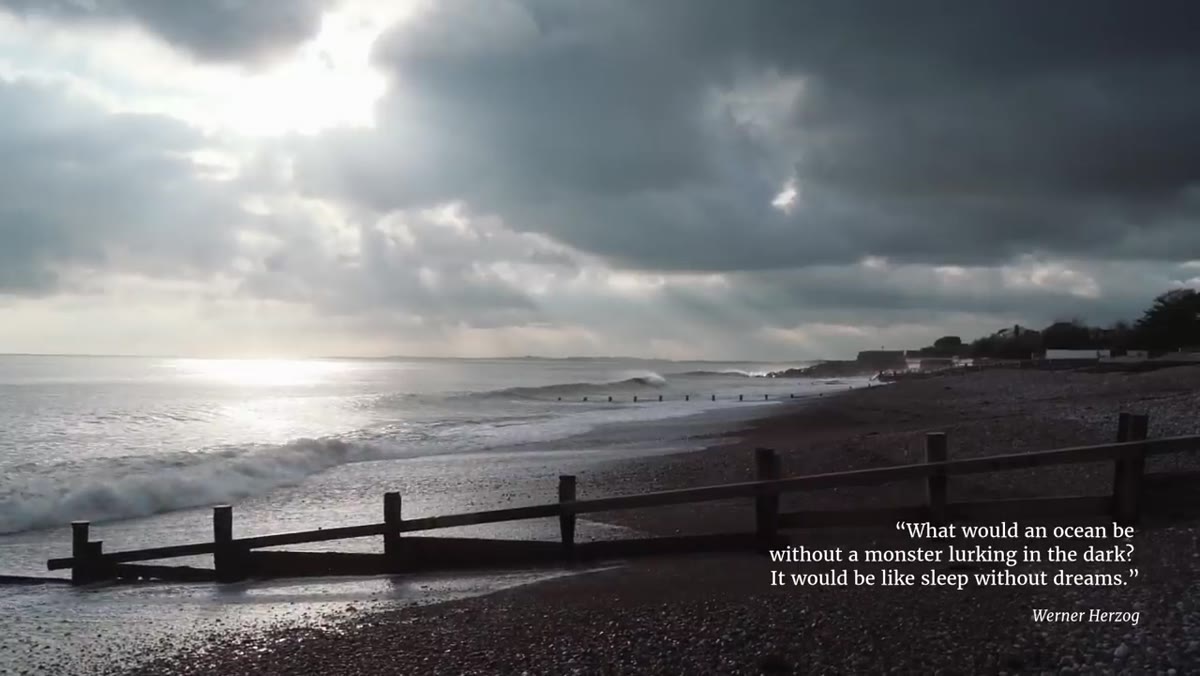 Rachael speaking to camera, coastal imagery introduced
Rachael doesn’t start her story with photography at all. She starts with seasickness. Growing up sailing along the West Sussex coast as a child, she spent long crossings stuck on deck, unable to read, forced to stare at the ocean. She began imagining mountains in the wave shapes, creatures in the swells, whole narratives in open water. That childhood habit of reading story into the sea became the emotional foundation of her adult photographic work.
Rachael speaking to camera, coastal imagery introduced
Rachael doesn’t start her story with photography at all. She starts with seasickness. Growing up sailing along the West Sussex coast as a child, she spent long crossings stuck on deck, unable to read, forced to stare at the ocean. She began imagining mountains in the wave shapes, creatures in the swells, whole narratives in open water. That childhood habit of reading story into the sea became the emotional foundation of her adult photographic work.
This is a technique you can apply deliberately. Think back to the landscapes, places, or subjects that held your attention before you ever picked up a camera. Not what you thought was photogenic – what you actually couldn’t look away from. Write a short list. It doesn’t need to be poetic or profound. Mine would include foggy mornings, crowded markets, and windows with curtains blowing into a room. Those small fixations are clues. Rachael’s work looks the way it does because it connects directly to something real from her life, and viewers feel that authenticity even when they can’t name it.
Step 3: Give Yourself Permission to Try and Discard Genres
 Tucker speaking about exploring different photography genres
One thing Rachael’s story makes clear is that she didn’t arrive at seascape photography by logic. She tried things, found some of them hollow, moved on. Tucker frames this period of exploration not as wasted time but as necessary elimination. You can’t always know from the outside of a genre whether it will sustain you creatively.
Tucker speaking about exploring different photography genres
One thing Rachael’s story makes clear is that she didn’t arrive at seascape photography by logic. She tried things, found some of them hollow, moved on. Tucker frames this period of exploration not as wasted time but as necessary elimination. You can’t always know from the outside of a genre whether it will sustain you creatively.
Set yourself a low-stakes version of this. Pick two or three genres you’re curious about and commit a month to each. Shoot portraits for a month. Then architecture. Then landscapes. Keep notes on how you feel during each, not just what the images look like. Do you feel energized when you’re planning the shoot? Do you think about it when you’re not doing it? Rachael ended up at the sea partly because she realized she would always rather be there than anywhere else – photography just gave her a reason to go back.
Step 4: Watch for the Moment Something Clicks Personally, Not Just Visually
 Tucker describing the moment Rachael found her niche
Tucker describes a turning point where things clicked for Rachael – not a dramatic epiphany, but a quieter recognition that one subject kept pulling her back while others felt more like exercises. The distinction matters. A lot of photographers find subjects they’re good at rather than subjects they’re drawn to. Those are not the same thing.
Tucker describing the moment Rachael found her niche
Tucker describes a turning point where things clicked for Rachael – not a dramatic epiphany, but a quieter recognition that one subject kept pulling her back while others felt more like exercises. The distinction matters. A lot of photographers find subjects they’re good at rather than subjects they’re drawn to. Those are not the same thing.
Ask yourself honestly: which subject do I seek out when nobody’s watching, when there’s no assignment and no audience? That’s probably closer to your actual direction. For me, I still take my phone on Sunday morning walks just to shoot the neighborhood without any pressure, and the subjects I reach for in those moments are different from what I’d expect. Paying attention to your own low-stakes creative choices is surprisingly revealing.
Step 5: Accept That Your Direction Will Be Specific – and That’s the Point
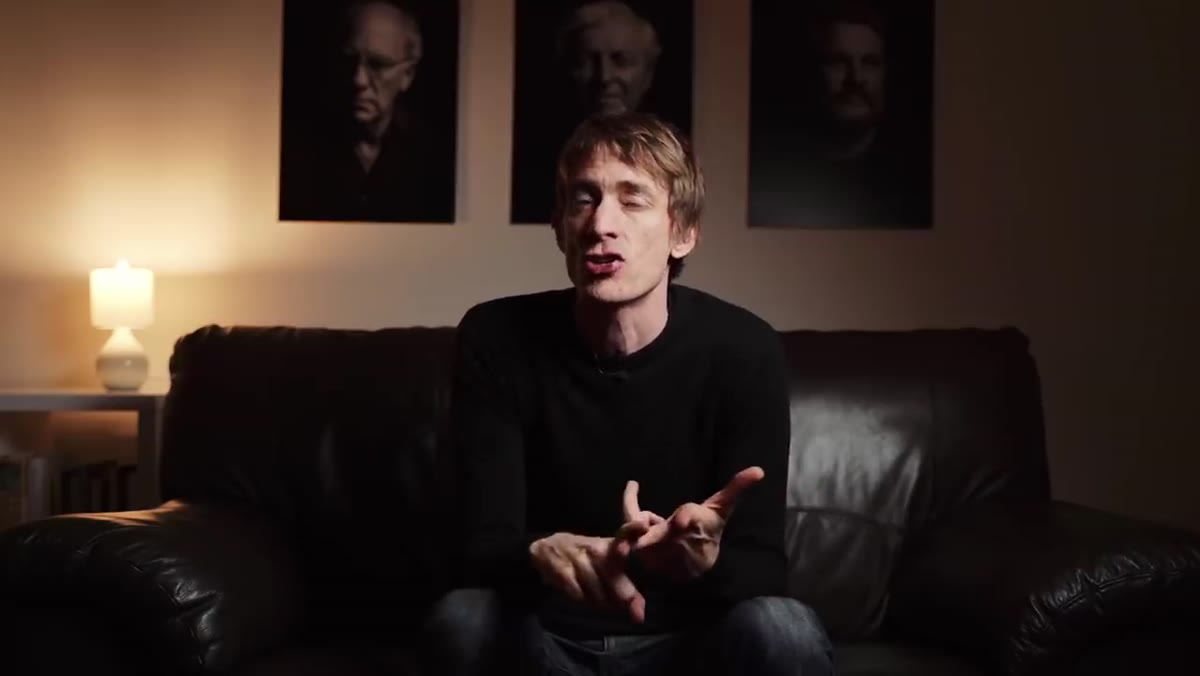 Tucker discussing focus and niche connecting with an audience
Tucker makes a point near the end of his introduction that I keep coming back to: work that reaches people isn’t usually broad. It’s specific. Rachael doesn’t shoot “the outdoors” or even “the coast.” She shoots the ocean in a way that is unmistakably hers – moody, narrative, full of the same imaginative quality she had as a seasick kid on a sailboat.
Tucker discussing focus and niche connecting with an audience
Tucker makes a point near the end of his introduction that I keep coming back to: work that reaches people isn’t usually broad. It’s specific. Rachael doesn’t shoot “the outdoors” or even “the coast.” She shoots the ocean in a way that is unmistakably hers – moody, narrative, full of the same imaginative quality she had as a seasick kid on a sailboat.
Specificity can feel like limitation, but it works the opposite way. The narrower your focus, the more recognizable your work becomes, and the more strongly it resonates with the people for whom it’s meant. You don’t need a million viewers. You need the right ones. Write down the most specific possible version of what you want to shoot – not “landscapes” but what kind, in what conditions, communicating what feeling. Then shoot toward that description for three months and see what happens.
What I’d Add From My Own Experience
The one thing this tutorial doesn’t address directly is what to do when your direction becomes clearer but your current skill level doesn’t match your vision. That gap can feel defeating. My honest advice: your direction should be pulling you slightly beyond what you currently know how to do. If it isn’t, you’ve probably chosen something too comfortable.
When I was first getting serious about travel photography, I kept gravitating toward scenes with difficult light – harsh noon sun, backlit subjects, rain on a lens. I wasn’t technically equipped for most of it. But that frustration made me learn fast, because the subject mattered to me. Direction and skill development aren’t separate tracks. When you care about what you’re shooting, the technical learning takes care of itself more quickly than you’d expect.
The single most important takeaway from this tutorial is that finding your photographic direction isn’t a decision you make once. It’s a patient excavation – going back into your own history, your own fixations, your own emotional responses to places and subjects, and building a practice that connects to something genuinely true about you. Rachael Talibart’s work earned its recognition because it came from somewhere real.
If you’re in that frustrating middle stage where your skills are solid but your focus isn’t, this video is worth a full sit-down watch: Watch the full tutorial on YouTube
Comments
Leave a Comment