How to Photograph Ice Caves: Lessons from a Glacier Overnight Trip

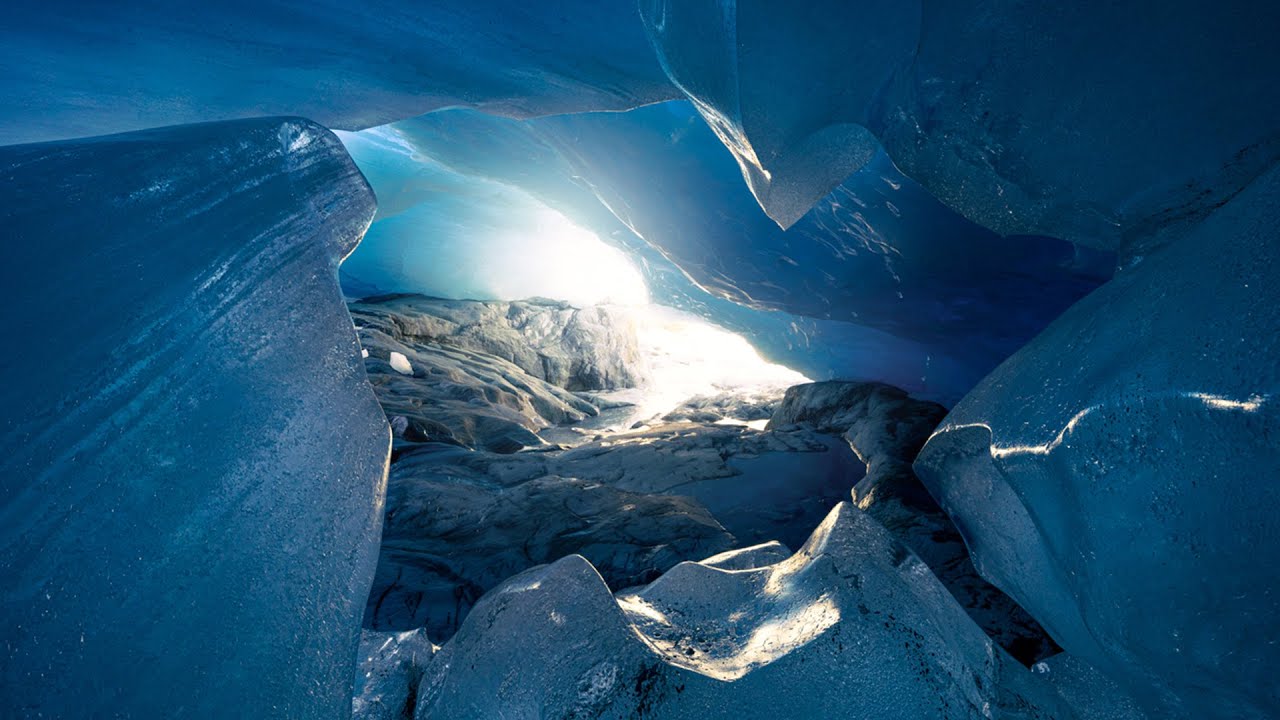
How to Photograph Ice Caves: Lessons from a Glacier Overnight Trip

There’s a specific kind of photography problem I think about a lot: what do you do when the location does everything right, and you still come home with flat images? You had the dramatic setting. You had the weird, beautiful light. And somehow the photos look like a postcard someone already took. I’ve been in that exact situation more times than I’d like to admit, usually in places where I only get one shot at it.

Stop Avoiding Overcast Days: Why Flat Light Is Perfect for Portrait Photography

Stop Avoiding Overcast Days: Why Flat Light Is Perfect for Portrait Photography

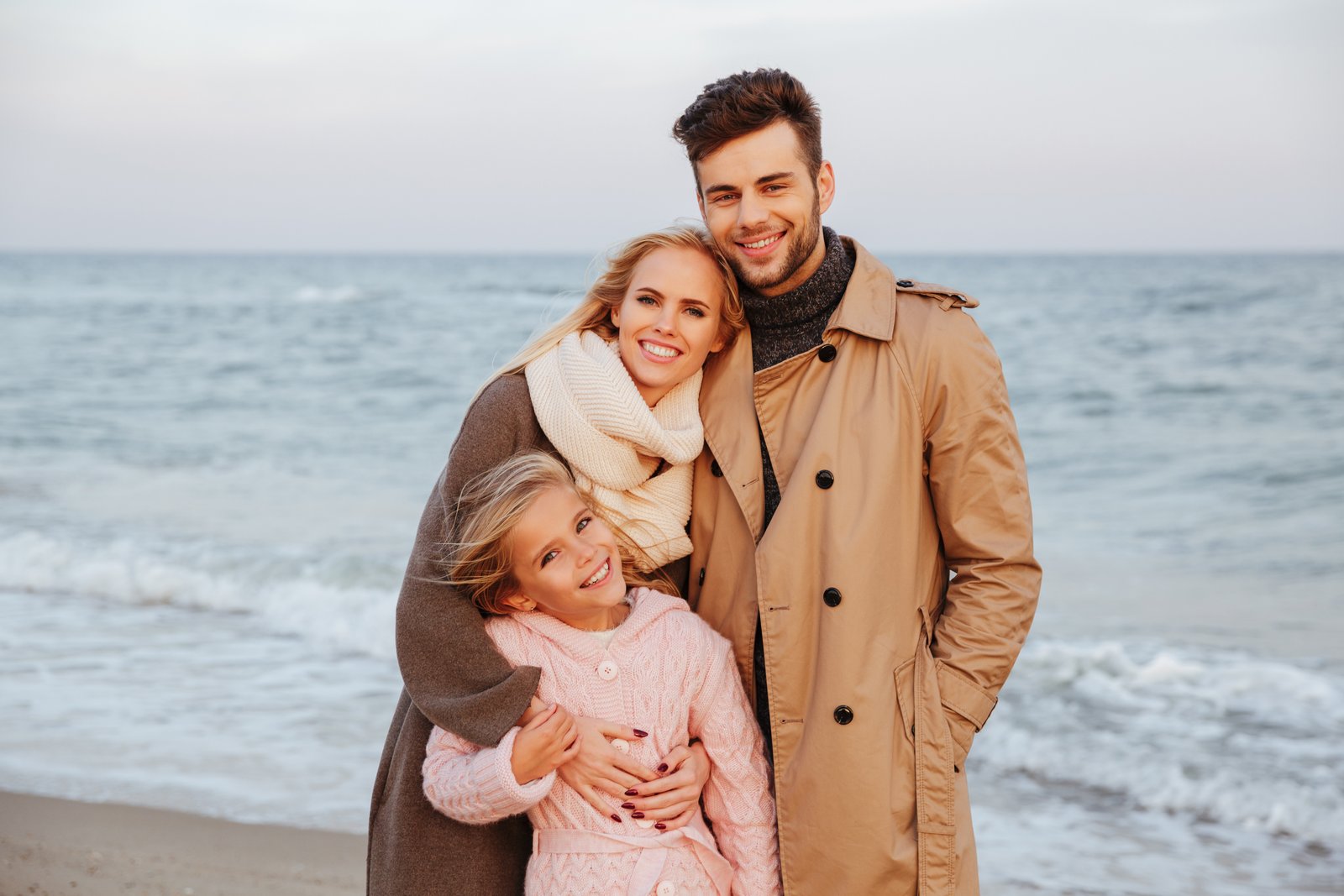
Stop Avoiding Overcast Days: Why Flat Light Is Perfect for Portrait Photography I’ve watched countless photographers pack up their gear the moment clouds roll in, convinced that good light has vanished for the day. I used to do the same thing. But after years of working in various conditions, I’ve learned that this assumption is completely backward. The truth is that overcast skies offer some of the most forgiving and beautiful light available to portrait photographers.

Blue Hour Photography: Why I'm Done Packing Up at Sunset

Blue Hour Photography: Why I'm Done Packing Up at Sunset

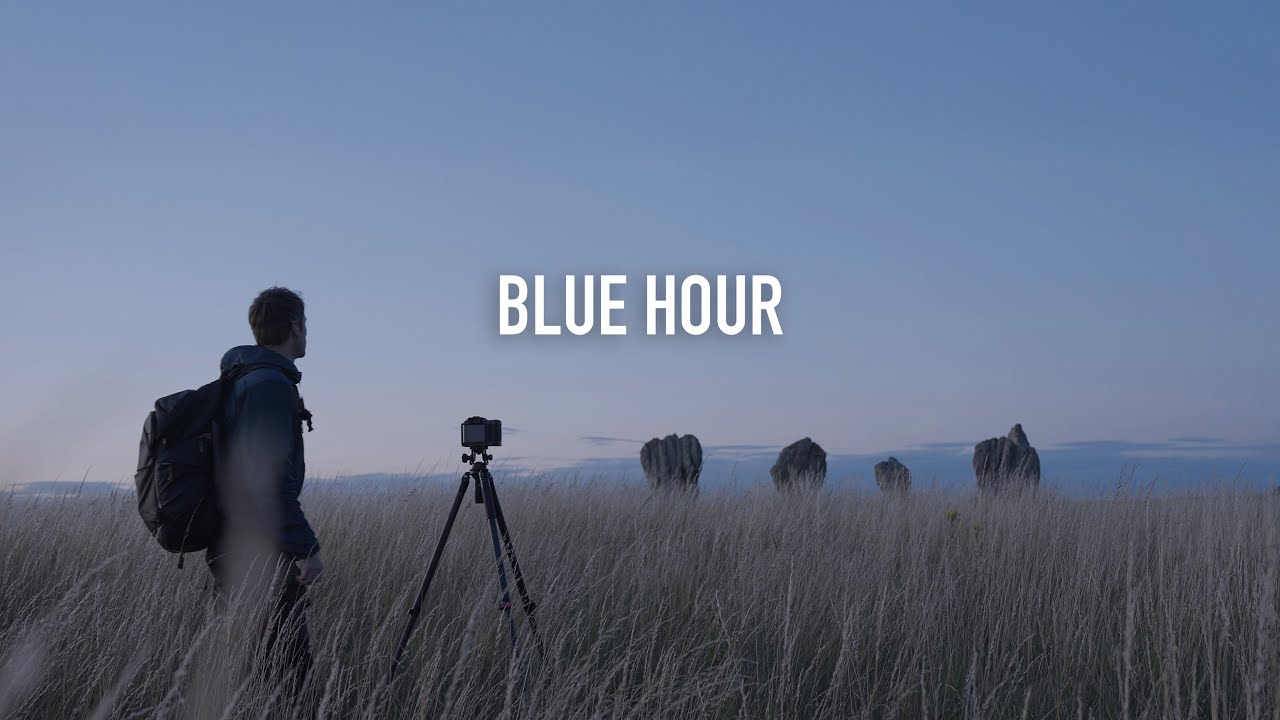
My Sunday photo walks used to follow the same script every week. Arrive before sunrise or stay through sunset, chase the color, pack up the second the sky went gray. I treated everything after golden hour like dead time, like the light had clocked out and there was nothing left worth shooting. I was wrong, and it took watching someone else deliberately stay out past sunset to finally shake that habit.

One Light, One Modifier: How to Transform a Flat Portrait Into Something Dramatic

One Light, One Modifier: How to Transform a Flat Portrait Into Something Dramatic

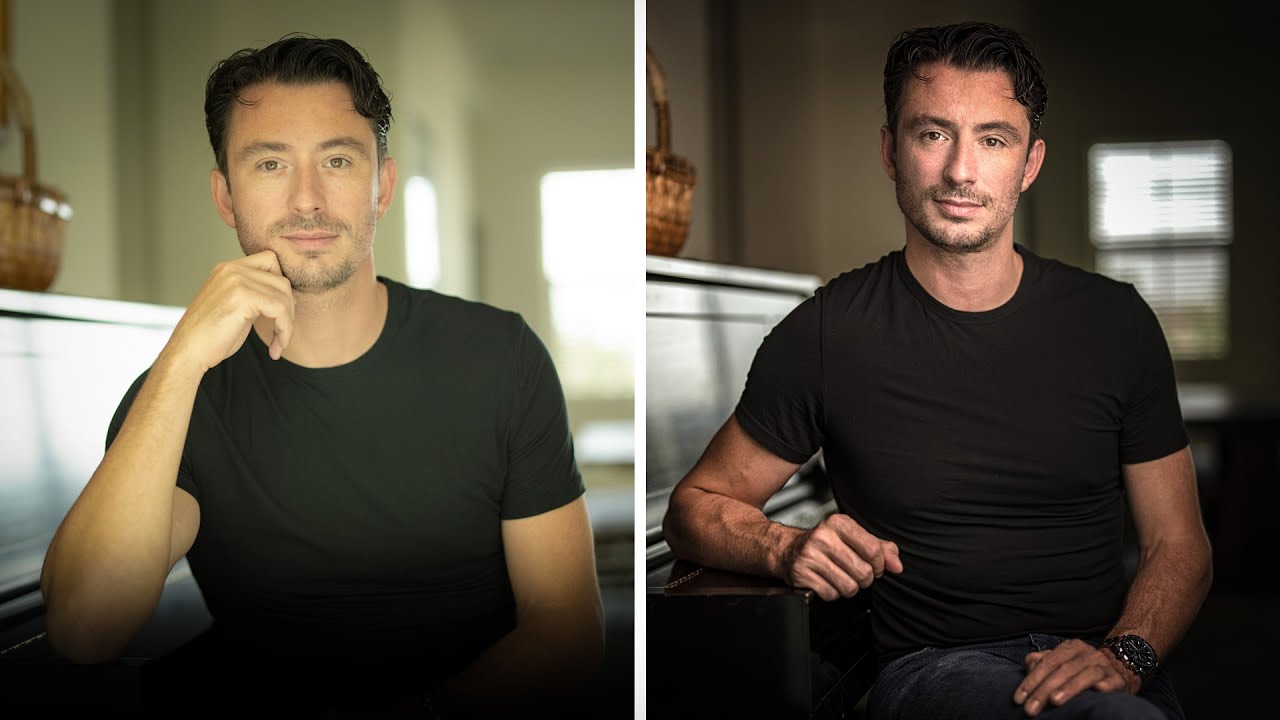
There’s a scenario every portrait photographer runs into eventually: you’re shooting somewhere that isn’t ideal, the natural light is flat and unforgiving, and your client is expecting something that looks like it belongs on an album cover. I’ve been there more times than I want to count. For a long time, my instinct was to just work with whatever the ambient light gave me and fix it in post. The results were fine.

Portrait Photography Tips for Natural-Looking Results

Portrait Photography Tips for Natural-Looking Results

The best portraits don’t look posed. They look like candid moments captured at exactly the right time. But that natural, effortless look is the result of deliberate technique. Here’s how to get portraits that feel genuine. Lighting for Natural Portraits Natural light is your best friend for natural-looking portraits. It creates a quality that’s hard to replicate with flash — soft gradients, gentle shadows, and a warmth that feels organic.

Photography Lighting for Beginners: Natural vs Artificial

Photography Lighting for Beginners: Natural vs Artificial

Light is the raw material of photography. Understanding how to work with it — whether it comes from the sun or a flash — is the single biggest skill jump most beginners can make. Natural Light Natural light is sunlight, whether direct, reflected, or diffused through clouds. It’s free, abundant, and when used well, produces beautiful results. Advantages: No equipment needed Produces natural-looking skin tones Creates a mood that’s difficult to replicate artificially Constantly changing, which can inspire creative variety Challenges:

Indoor Photography Tips When Natural Light Is Limited

Indoor Photography Tips When Natural Light Is Limited

Not every indoor space has beautiful window light. Sometimes you’re in a dim restaurant, a windowless conference room, or a house with small windows on a cloudy day. These situations test your skills, but they don’t have to produce bad photos. Maximize Whatever Natural Light Exists Move subjects near windows. Even a small window provides usable light if your subject is close enough. Light intensity drops rapidly with distance — someone standing three feet from a window gets four times more light than someone standing six feet away.

Golden Hour Photography: How to Make the Most of Magic Light

Golden Hour Photography: How to Make the Most of Magic Light

Photographers call the period shortly after sunrise and before sunset “golden hour” for a reason. The light during these times transforms ordinary scenes into something remarkable. If you’ve ever noticed that your photos look dramatically better in the early morning or late afternoon, golden hour is why. What Makes Golden Hour Special During golden hour, the sun sits low on the horizon. Its light travels through a much thicker layer of atmosphere compared to midday, and this changes the light in three important ways.