Creating a Portable Flash Setup That Actually Fits in Your Car

Creating a Portable Flash Setup That Actually Fits in Your Car

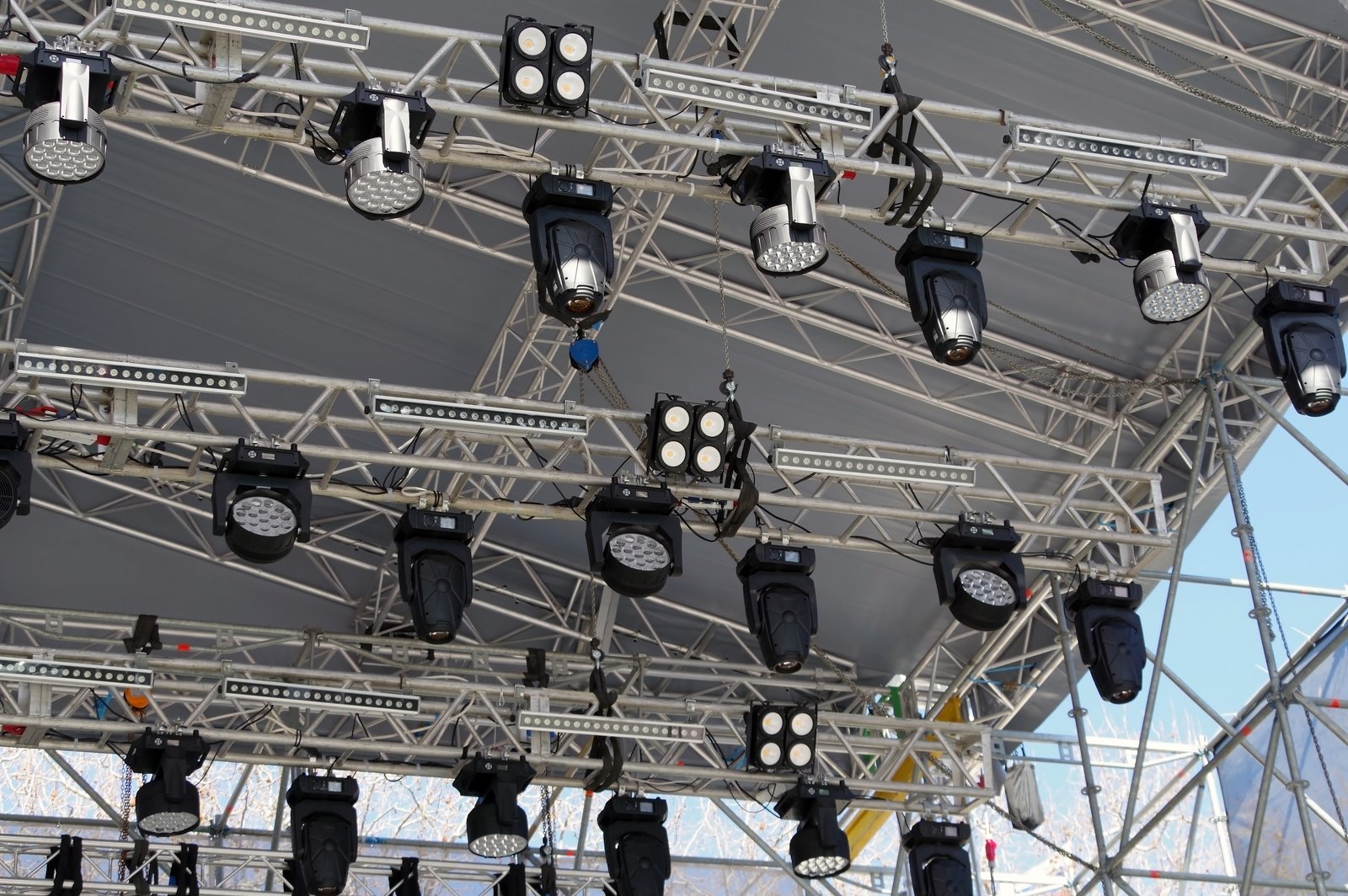
The Evolution of Portable Lighting I’ve watched countless photographers struggle with the same problem: how do you create quality light without dedicating an entire room—or your budget—to a traditional studio? The answer lies in building a thoughtful off-camera flash system that’s genuinely portable. Most photographers start their lighting journey with enthusiasm but little direction. You buy a speedlight, maybe two, add some stands and umbrellas, and suddenly your gear bag weighs as much as a small child.

How to Use Ultraviolet Light to Make White Clothing Pop Against a White Background

How to Use Ultraviolet Light to Make White Clothing Pop Against a White Background

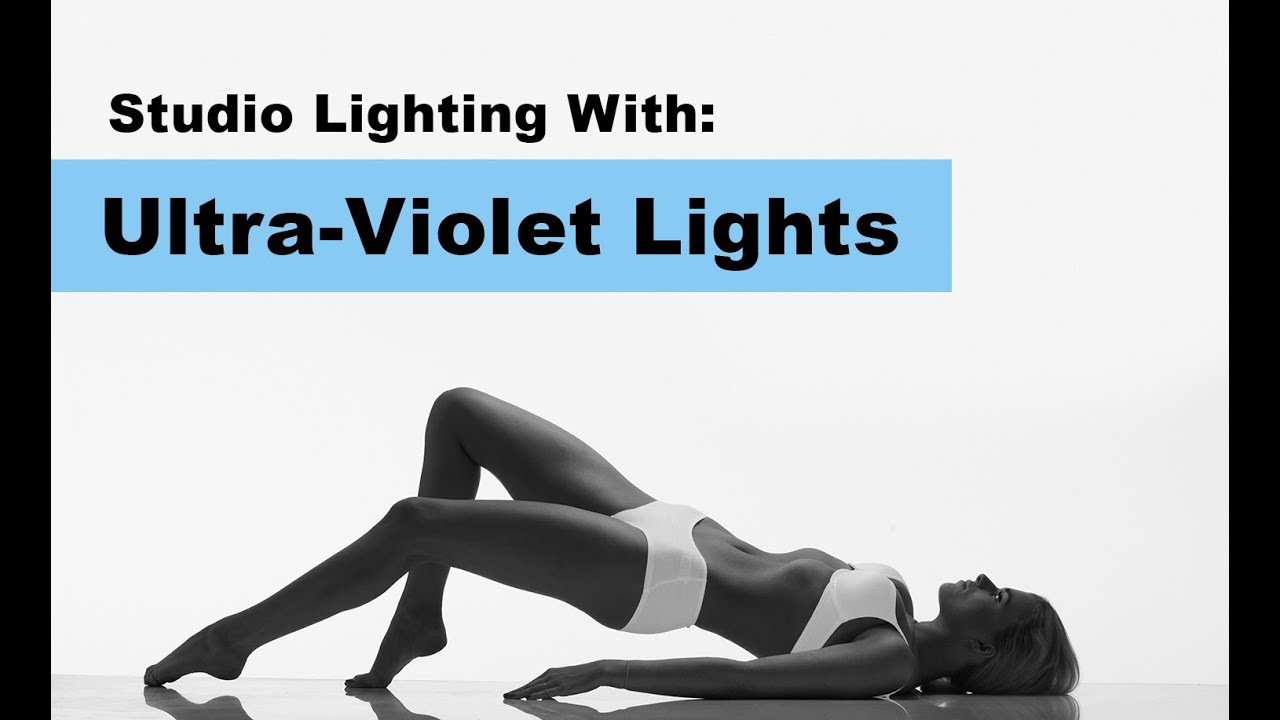
There is a specific kind of frustration that comes from trying to photograph white clothing against a white background. On paper, it sounds elegant and minimal. In practice, you end up with a muddy gray garment that looks like it came out of the wrong laundry cycle. I have run into this problem more times than I care to admit, and for a long time my workaround was to just add more light and hope for the best.

How to Light a Product Shot Like a Pro (Using Scrims, Softboxes, and a Piece of Foil Card)

How to Light a Product Shot Like a Pro (Using Scrims, Softboxes, and a Piece of Foil Card)

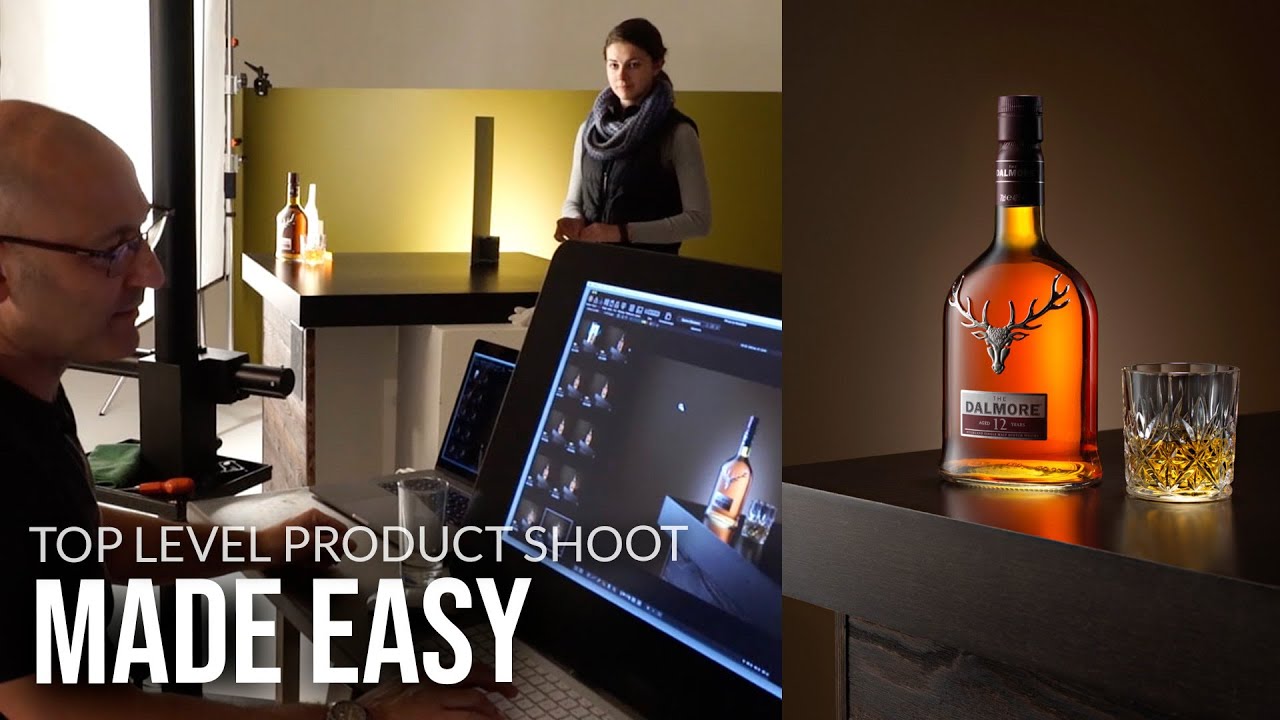
Product photography has a reputation for being intimidating, and honestly, for a long time I avoided it. I’m a lifestyle and travel shooter at heart. Give me golden hour on a mountain trail and I’m happy. But clients don’t always want mountains. Sometimes they want a bottle of whiskey looking like it belongs in a magazine spread, and that used to send me scrambling. What changed things for me was watching how working commercial photographers actually think through a product setup, not just the gear list, but the logic behind every decision.

Stop Avoiding Overcast Days: Why Flat Light Is Perfect for Portrait Photography

Stop Avoiding Overcast Days: Why Flat Light Is Perfect for Portrait Photography

Stop Avoiding Overcast Days: Why Flat Light Is Perfect for Portrait Photography I’ve watched countless photographers pack up their gear the moment clouds roll in, convinced that good light has vanished for the day. I used to do the same thing. But after years of working in various conditions, I’ve learned that this assumption is completely backward. The truth is that overcast skies offer some of the most forgiving and beautiful light available to portrait photographers.

How High-Speed Sync Finally Let Me Shoot Wide-Open Outdoors (And Why You Should Care)

How High-Speed Sync Finally Let Me Shoot Wide-Open Outdoors (And Why You Should Care)

For a long time, outdoor portrait sessions in bright light meant making a choice I hated: get the dramatic, blurry background I wanted, or use flash to light my subject properly. Doing both at the same time felt impossible. The moment I cranked my strobe up to compete with the sun, my camera forced me into a small aperture to stay within sync speed, and suddenly my subject looked like they were standing in a parking lot instead of floating in a dreamy scene.

How to Reverse-Engineer Famous Portrait Lighting (And Actually Shoot It Yourself)

How to Reverse-Engineer Famous Portrait Lighting (And Actually Shoot It Yourself)

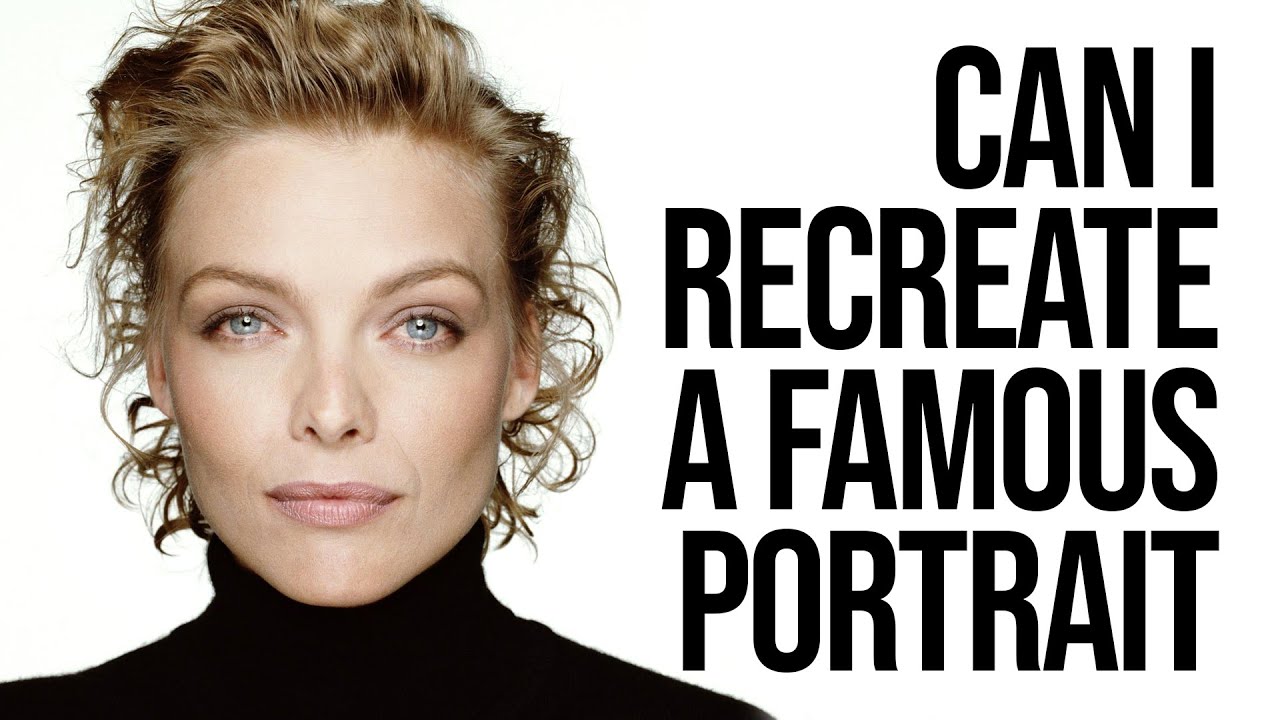
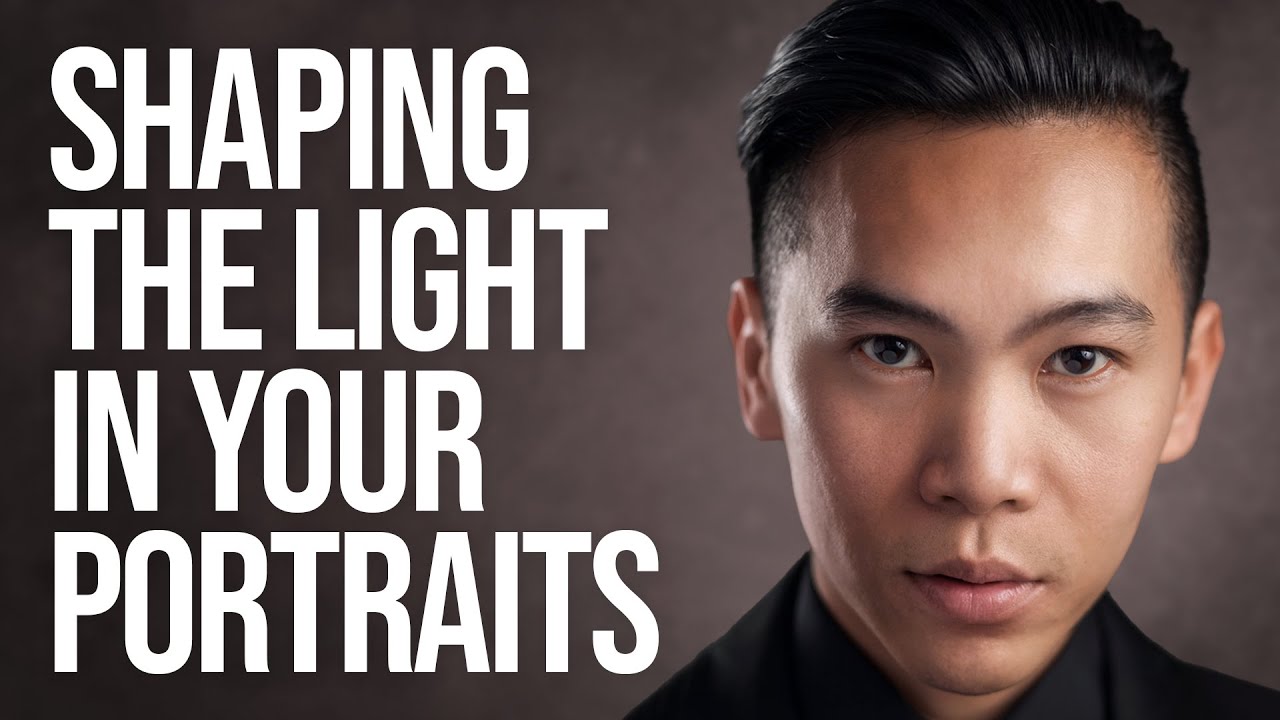
Portrait lighting analysis is one of those skills that separates photographers who keep getting better from ones who plateau. I spent years looking at images I admired and feeling vaguely inspired but having no idea how to translate what I was seeing into something I could actually set up in front of a subject. That changed when I started forcing myself to reverse-engineer lighting setups the way a mechanic would pull apart an engine.

Creating Dramatic Character Photography: Lessons from High-End Visual Production

Creating Dramatic Character Photography: Lessons from High-End Visual Production

Creating Dramatic Character Photography: Lessons from High-End Visual Production When I first learned about the meticulous process behind designing dramatic character visuals for major productions, I realized how many of these principles apply directly to photography. Whether you’re shooting portraits, character studies, or conceptual imagery, the approach used by professional art directors offers valuable lessons for all of us. Understanding the Gritty, Painterly Approach Recently, I discovered how contemporary visual productions are moving toward what I’d call a “tactile aesthetic” — where every element feels real, weathered, and intentional.

Master the Art of Creating Lens Flares with Your Flash

Master the Art of Creating Lens Flares with Your Flash

Master the Art of Creating Lens Flares with Your Flash One of the most coveted effects in photography is that beautiful, ethereal lens flare that seems to dance across your image. You know the one—those luminous orbs and rays of light that add drama and sophistication to a shot. The challenge? They typically require bright sunlight or a strong light source positioned just right, which isn’t always practical when you’re shooting in a studio or on an overcast day.

Lessons in Extreme Photography: What NASA's Spacewalk Images Teach Us

Lessons in Extreme Photography: What NASA's Spacewalk Images Teach Us

Lessons in Extreme Photography: What NASA’s Spacewalk Images Teach Us When I first encountered NASA’s latest collection of spacewalk photographs, I was struck not just by their beauty, but by what they reveal about fundamental photography principles. These images—captured during recent maintenance work outside the International Space Station—demonstrate masterful technique under conditions most of us will never experience. Yet there’s so much we can learn from them. Understanding Composition in the Cosmos What impresses me most about these spacewalk photos is their compositional clarity.

Create a Futuristic Mirrored Lighting Effect with This In-Camera Trick

Create a Futuristic Mirrored Lighting Effect with This In-Camera Trick

I shoot a lot of lifestyle work, which means I spend a lot of time figuring out how to make a photo feel intentional without hauling a truckload of gear to a location. The background problem is real. You can have a perfectly lit subject and a flat, forgettable backdrop, and the whole image just sits there. So when I came across a technique that solves the background problem with three mirrors and a roll of gaff tape, I stopped scrolling immediately.