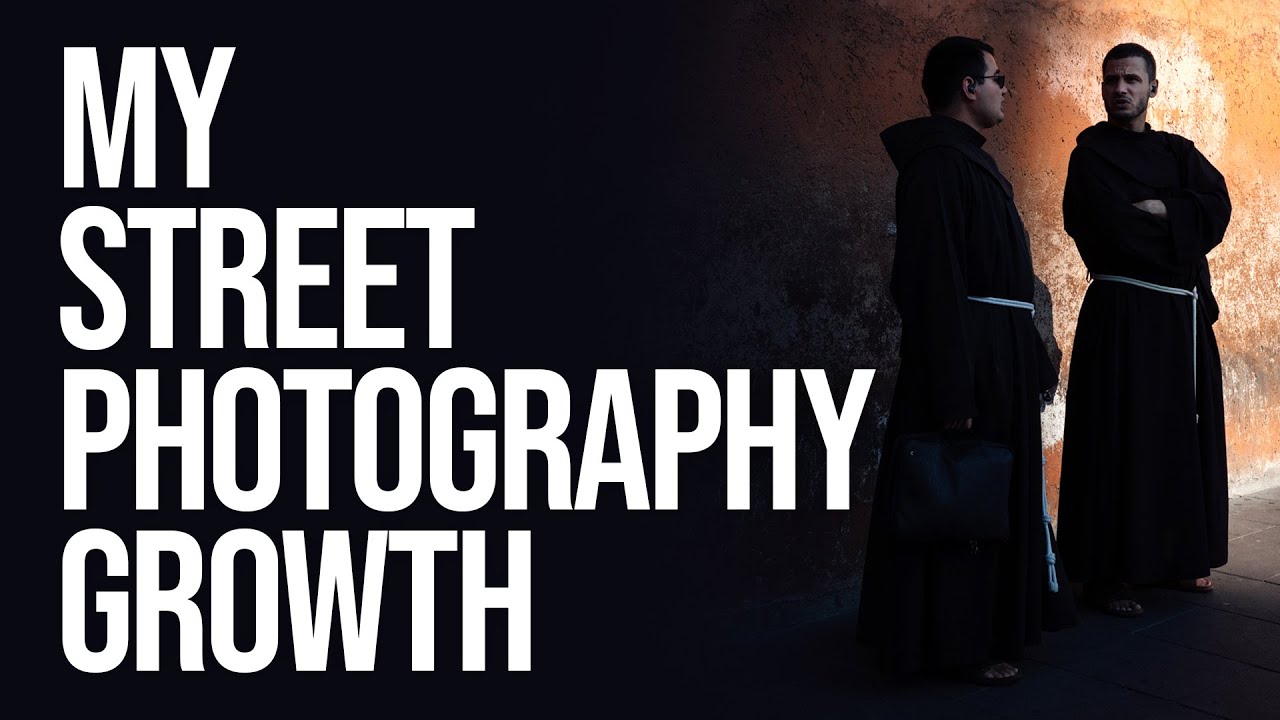
Every photographer I know has hit a wall at some point. Not a gear wall or a technical wall, but the quieter, more frustrating kind: you’ve found something that works, people respond to it, and then you realize you’ve stopped growing. That’s the wall I kept running into last year. My Sunday morning photo walks started feeling like I was just executing the same three compositions over and over. I knew what I was doing, which was exactly the problem.
That’s why this Sean Tucker tutorial landed so hard for me. Watch the full tutorial on YouTube — Tucker returns to Rome five years after making a video about his street photography philosophy, this time armed with a Ricoh GR3X and a lot of honest self-reflection. What he shares isn’t a technique checklist. It’s a working photographer thinking out loud about creative stagnation and how to push through it. If you’ve ever caught yourself making the same image on repeat, this one’s for you.
What I love most is that Tucker doesn’t pretend to have it all figured out. He’s mid-process. And there’s something genuinely useful about watching someone work through a creative problem in real time rather than presenting polished answers after the fact.
Step 1: Redefine What Street Photography Means to You
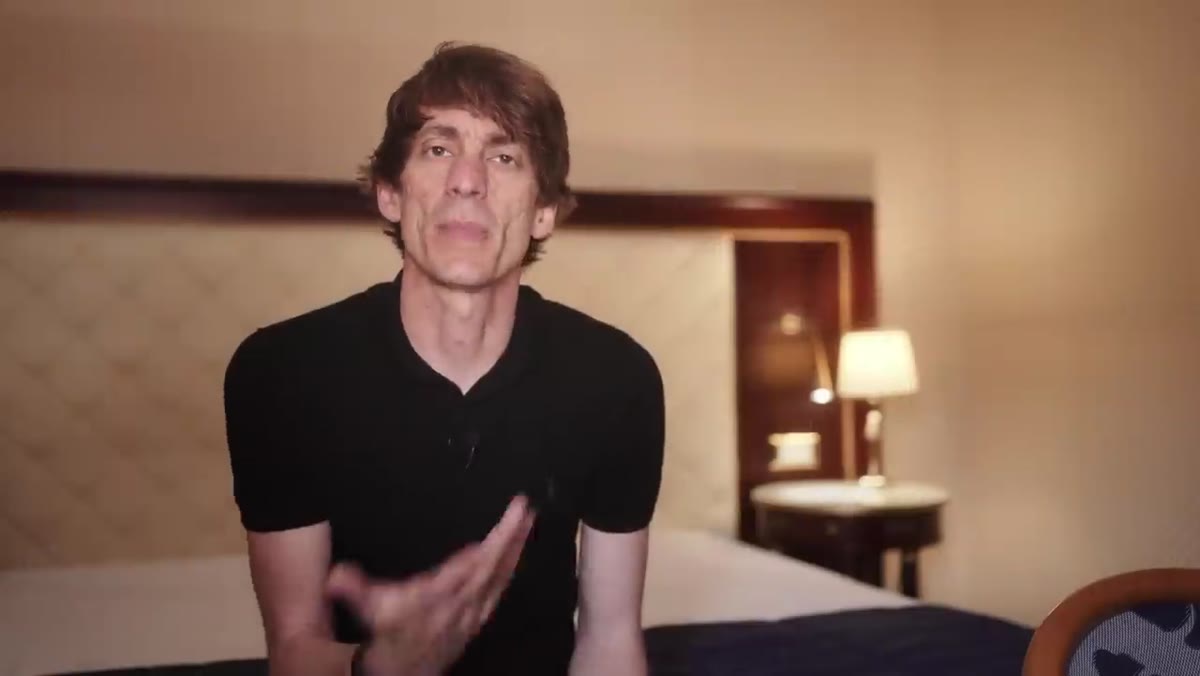 Sean Tucker walking Rome streets reflecting on past work
Tucker opens by revisiting a discomfort he described five years ago: he wasn’t photographing people in recognizable, reportage-style interactions, and he worried that disqualified him from calling himself a street photographer. His resolution is simple and worth adopting. If the image is candid and taken in an urban or public space, it counts. Full stop.
Sean Tucker walking Rome streets reflecting on past work
Tucker opens by revisiting a discomfort he described five years ago: he wasn’t photographing people in recognizable, reportage-style interactions, and he worried that disqualified him from calling himself a street photographer. His resolution is simple and worth adopting. If the image is candid and taken in an urban or public space, it counts. Full stop.
This matters practically because the label you put on your work shapes what you allow yourself to photograph. If you’ve been avoiding subjects or scenes because they don’t feel “official” enough, drop that. Go out this Sunday and photograph whatever genuinely catches your eye, whether that’s a shadow on a wall, a pair of shoes outside a door, or a stranger mid-conversation. The only rule Tucker keeps is candid. No staging, no posing.
Step 2: Embrace Light and Shadow as a Subject, Not Just a Tool
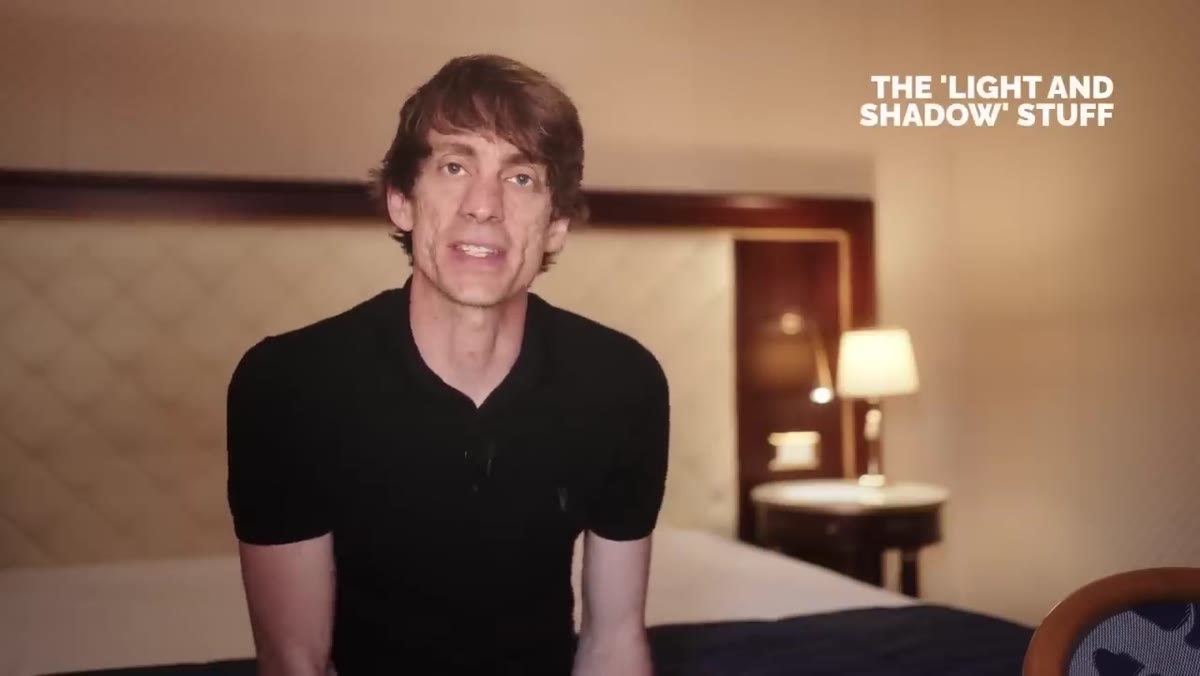 High-contrast shadow patterns on Roman architecture
Tucker’s signature approach is treating light and shadow the way a graphic designer treats shape. He shoots in manual, protects his highlights deliberately, and lets shadows go fully dark. The result is images that feel bold and geometric rather than documentary.
High-contrast shadow patterns on Roman architecture
Tucker’s signature approach is treating light and shadow the way a graphic designer treats shape. He shoots in manual, protects his highlights deliberately, and lets shadows go fully dark. The result is images that feel bold and geometric rather than documentary.
To try this yourself: set your exposure for the brightest important area in the frame, then let everything else fall. In practice, that often means underexposing by one to two stops compared to what your camera meters. Photographers like Fan Ho and Ray Metzger built entire careers around this approach, so you’re working in a legitimate and well-explored tradition. The key insight Tucker offers is that the absence of light can be the subject, not just the backdrop.
Step 3: Recognize When a Technique Has Become a Crutch
 Tucker examining his own repeated compositions critically
This is the step most tutorials skip, and it’s the one I found most useful. Tucker describes the moment he realized he’d “cracked” a technique that consistently produced images he and others liked. That feeling of arrival, he says, is a trap. The inner voice that says “you’ve nailed it, stop developing” is one of the more dangerous things that can happen to a creative practice.
Tucker examining his own repeated compositions critically
This is the step most tutorials skip, and it’s the one I found most useful. Tucker describes the moment he realized he’d “cracked” a technique that consistently produced images he and others liked. That feeling of arrival, he says, is a trap. The inner voice that says “you’ve nailed it, stop developing” is one of the more dangerous things that can happen to a creative practice.
The exercise here isn’t technical, it’s editorial. Pull up your last 50 images and look for patterns. Are you always shooting from the same height? Always drawn to the same quality of light? Always cropping the same way? Noticing the pattern is the first step to deliberately breaking it. Tucker’s goal is to be the kind of photographer you could drop anywhere in the world and they’d find something worth shooting, no matter the conditions. That kind of adaptability only comes from forcing yourself outside your go-to moves.
Step 4: Name the Specific Gaps in Your Work
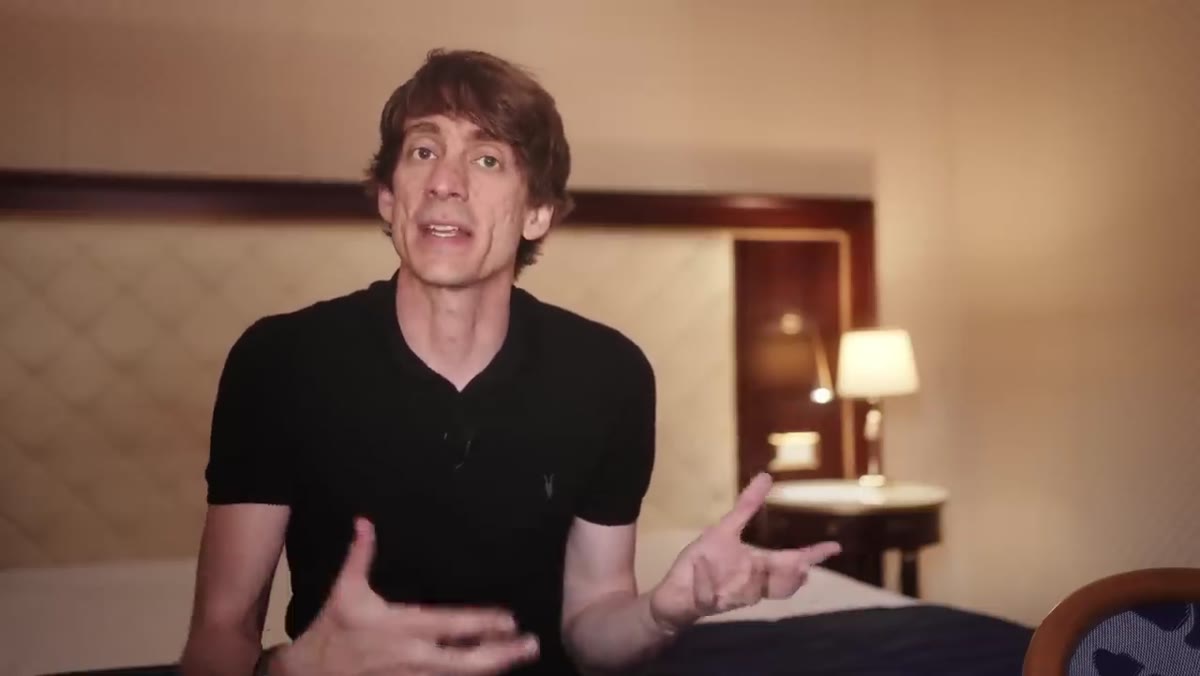 Tucker describing the need for more visual variety
Tucker gets specific about what he feels is missing: visual variety and deeper meaning in individual images. He doesn’t say “I want to be better.” He says he wants more complexity, more nuance, and more narrative weight in the images he makes. That specificity is the whole point.
Tucker describing the need for more visual variety
Tucker gets specific about what he feels is missing: visual variety and deeper meaning in individual images. He doesn’t say “I want to be better.” He says he wants more complexity, more nuance, and more narrative weight in the images he makes. That specificity is the whole point.
Vague goals produce vague improvement. Before your next shoot, write down one concrete thing you want to push on. Not “shoot more interesting subjects” but something like “find one image where the human element and the architectural element carry equal weight” or “make a frame where the shadow tells the story more than the subject does.” Tucker’s approach here is less about a camera setting and more about going into a shoot with a specific creative intention.
Step 5: Use a Compact Camera to Change How You See
 Ricoh GR3X in Tucker’s hand on a Rome street
The Ricoh GR3X Tucker carries throughout this video isn’t just a gear choice, it’s a deliberate creative constraint. A small, quiet, fixed-lens camera changes how people respond to you on the street and changes how you move through a scene. You’re less conspicuous, which means you can get closer and stay longer without altering the environment around you.
Ricoh GR3X in Tucker’s hand on a Rome street
The Ricoh GR3X Tucker carries throughout this video isn’t just a gear choice, it’s a deliberate creative constraint. A small, quiet, fixed-lens camera changes how people respond to you on the street and changes how you move through a scene. You’re less conspicuous, which means you can get closer and stay longer without altering the environment around you.
If you don’t have a compact camera, your phone works for this exact reason. I’ve said it before and I’ll keep saying it: some of my strongest street images came from my phone because I was invisible with it. The point isn’t the specific tool, it’s the philosophy of using something unobtrusive that lets you respond quickly and naturally to what’s happening around you. Shoot with what keeps you present in the scene rather than buried in settings.
Step 6: Treat a Return Visit as a Creative Reset
 Tucker arriving back in Rome after five years
Tucker’s decision to return to Rome specifically because he’d been there five years prior is a smart creative move. Revisiting a familiar place with fresh questions gives you a built-in before-and-after structure. You’re not just shooting; you’re measuring your own growth and identifying what’s changed in how you see.
Tucker arriving back in Rome after five years
Tucker’s decision to return to Rome specifically because he’d been there five years prior is a smart creative move. Revisiting a familiar place with fresh questions gives you a built-in before-and-after structure. You’re not just shooting; you’re measuring your own growth and identifying what’s changed in how you see.
If you can’t travel, you can do this in your own city. Go back to a location where you made an image you were proud of two or three years ago. Try to make a better version of it, or a completely different image of the same subject. The comparison will tell you more about your development than any formal critique.
What I’d Add From My Own Practice
Tucker focuses primarily on the mental and philosophical side of creative stagnation, which is exactly right. But one practical habit that’s helped me break out of repeated patterns is keeping a small notebook specifically for “images I haven’t made yet.” Not post-shoot notes, pre-shoot intentions. I’ll sketch a rough composition or write a phrase like “geometry interrupted by chaos” and then go find it in the real world. It pulls me toward subjects I’d otherwise walk past.
The difference between photographing what’s easy to see and photographing what you set out to find is significant. Both are valid, but alternating between the two keeps your eye from going lazy.
The most important thing Tucker says in this entire tutorial is something like: don’t let mastery of one technique be the ceiling of your development. The work should always be asking more of you than you currently know how to give. That’s uncomfortable, but it’s the only way forward.
Watch the full tutorial on YouTube and spend some time with the images Tucker makes throughout. They’re worth studying on their own, apart from everything he says.
Comments (2)
The tip about feeling stuck in your street p was the missing piece for me. Thank you.
Applied this to my portfolio shots and the improvement is noticeable.
Leave a Comment