Six Reasons Your Photos Look Soft (And How to Fix Every One)

Six Reasons Your Photos Look Soft (And How to Fix Every One)

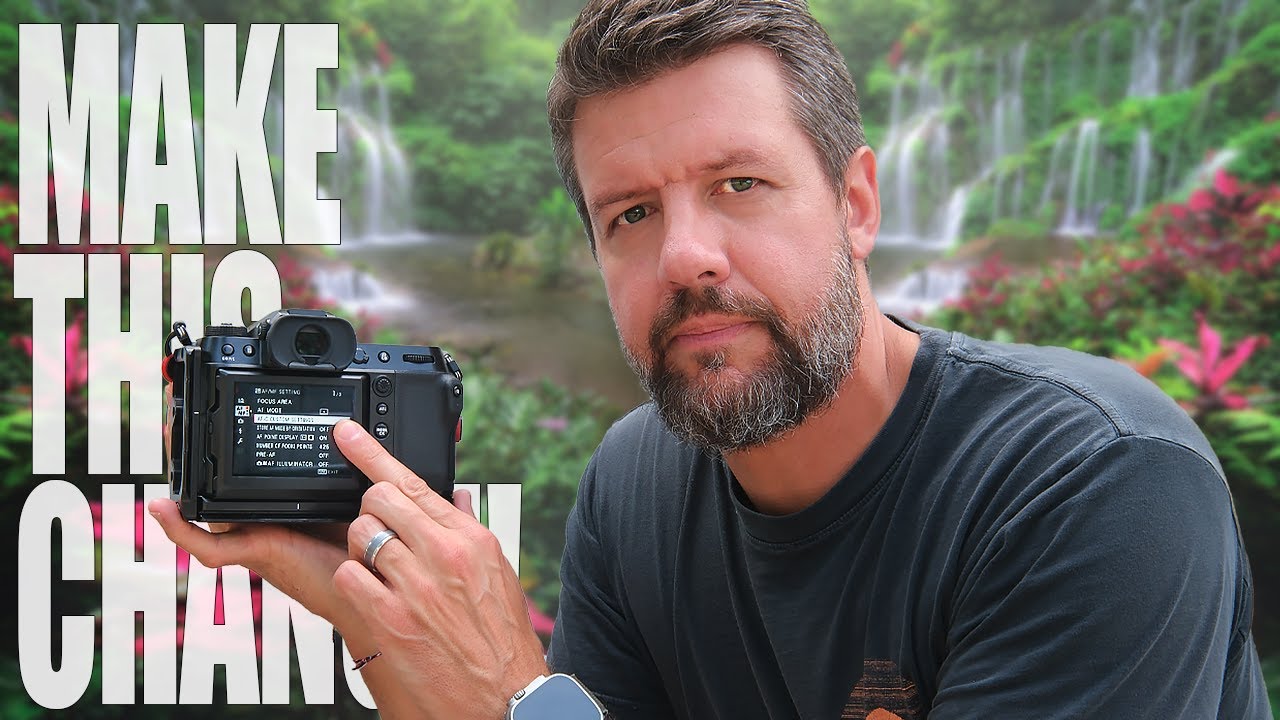
I spent an entire vacation chasing a waterfall shot. Perfect conditions, good light, a composition I’d scouted for two days. I got home, pulled the images up on my monitor, and found soft, mushy details where I expected crisp edges. I blamed the lens. Then I blamed the light. Then I blamed the waterfall. It took me an embarrassing amount of time to realize the problem was entirely within my control, and entirely preventable.
What the Canon EOS R5 Actually Feels Like to Use - A Working Shooter's Breakdown

What the Canon EOS R5 Actually Feels Like to Use - A Working Shooter's Breakdown

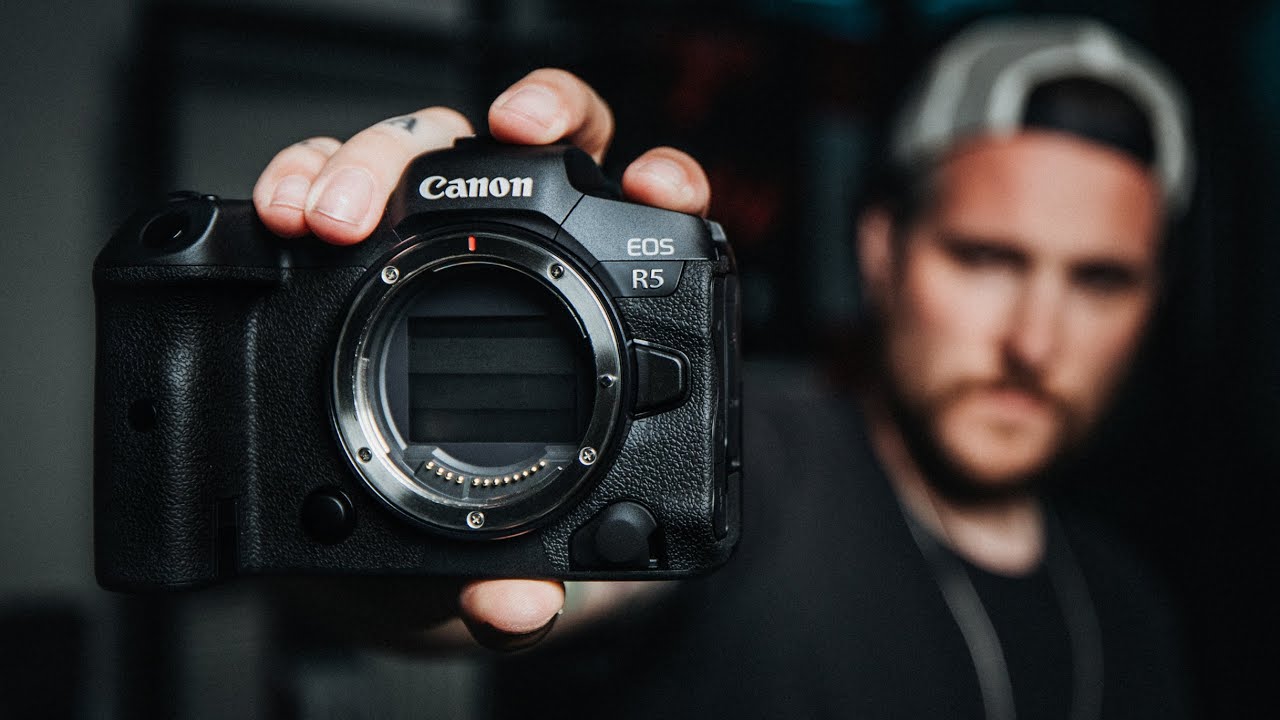
Every few years, a camera comes along that genuinely changes the conversation. I remember where I was when I first started hearing serious chatter about the Canon EOS R5 - sitting in a coffee shop in Capitol Hill, scrolling through forums on my phone, watching the photography community slowly lose its collective mind over specs that seemed almost too good to be true. For those of us who shoot professionally, upgrading bodies is never a casual decision.

5 Landscape Photography Lessons I Took From William Patino's Year-End Breakdown

5 Landscape Photography Lessons I Took From William Patino's Year-End Breakdown

There’s a specific kind of frustration I know well: standing in front of a genuinely beautiful scene, something that makes your chest feel full, and walking away with a flat, disconnected image that doesn’t come close to what your eyes saw. For me it usually happens near water. I’ll be on one of my Sunday morning photo walks here in Seattle, the light is doing something incredible over the sound, and I fumble through my settings trying to hold onto it.

How to Shoot a Year's Worth of Keepers: Lessons from Thomas Heaton's Behind-the-Scenes Calendar Project

How to Shoot a Year's Worth of Keepers: Lessons from Thomas Heaton's Behind-the-Scenes Calendar Project

There’s a particular kind of pressure that comes with committing to a long-term photography project. I felt it when I challenged myself to shoot a “best of the year” collection for the first time - suddenly every outing felt like it either counted or didn’t, and I started second-guessing compositions I would have just shot freely before. What I needed wasn’t more gear advice. I needed to see how a working landscape photographer actually makes decisions in the field, across different locations, different seasons, different light.

Why I Started Intentionally Making My Photos Look Worse (And Why You Should Too)

Why I Started Intentionally Making My Photos Look Worse (And Why You Should Too)

There’s a photo on my Instagram that I’m almost embarrassed about. It was taken on a $200 Android phone, slightly crooked, a little blown out in one corner. It’s also my most liked post by a wide margin. I’ve spent a lot of time thinking about why. So when I came across a Peter McKinnon tutorial where he describes holding his son, spotting incredible light, snapping a quick shot, and then lying in bed that night feeling almost unsettled by how effortlessly beautiful it looked, I felt that immediately.

Your Camera's Default Focus Setting Is Quietly Ruining Your Landscape Photos

Your Camera's Default Focus Setting Is Quietly Ruining Your Landscape Photos

I spent an entire vacation chasing a single waterfall shot. Tripod, my sharpest lens, f/11 like clockwork, and I still came home with soft images that made me want to throw my memory card into the river I’d been photographing. It took me an embarrassingly long time to figure out the problem had nothing to do with my gear or my exposure. It was something I had never thought to question: the autofocus mode my camera shipped with, still active, still making decisions I didn’t know it was making.

Stop Guessing Your Exposure: A Working Photographer's Guide to Manual Mode

Stop Guessing Your Exposure: A Working Photographer's Guide to Manual Mode

Every Sunday morning I take a photo walk through my neighborhood in Seattle, and for the first two years of doing that, I was fighting my camera the whole time. I’d dial in aperture priority, watch the meter, and still come home with a card full of images where the bright sky was blown out or the shadows turned to mud. I kept tweaking exposure compensation, guessing, compensating again. It felt like negotiating with someone who didn’t speak my language.

Stop Guessing Exposure: A Practical Guide to Camera Metering Modes

Stop Guessing Exposure: A Practical Guide to Camera Metering Modes

Every Sunday morning I take a photo walk through Seattle, and I still run into the same exposure problem I had when I first picked up a camera: a bright sky blowing out behind a subject, or a dark foreground turning everything murky. I spent a long time thinking I was doing something wrong with my settings, when the real issue was that I didn’t fully understand what my camera was actually measuring when it tried to set the exposure for me.

Why Most of Your Wildlife Photos Fail (And the Field Habits That Actually Fix It)

Why Most of Your Wildlife Photos Fail (And the Field Habits That Actually Fix It)

Every Sunday morning I do a photo walk around my neighborhood in Seattle, and I cannot tell you how many times I’ve come home with nothing worth keeping. Not because the light was bad or the subject wasn’t there, but because I wasn’t actually ready when the moment showed up. My card was slow, my battery was half dead, or I was so busy thinking about settings that the heron I’d been watching for twenty minutes just… left.

Stop Chasing the Perfect ISO: Two Beginner Mistakes That Are Hurting Your Photos

Stop Chasing the Perfect ISO: Two Beginner Mistakes That Are Hurting Your Photos

Every Sunday morning I take a photo walk around Seattle. No agenda, just me and whatever camera I grab off the shelf. And for the first couple of years I was doing that, I was quietly sabotaging myself with one specific habit: I kept my ISO glued to the lowest possible number, no matter what. I thought that was the disciplined, correct thing to do. Turns out it was actually one of the most common mistakes beginner photographers make, and it was costing me shots I can never get back.

Why I Stopped Obsessing Over Metering Modes (And What I Do Instead)

Why I Stopped Obsessing Over Metering Modes (And What I Do Instead)

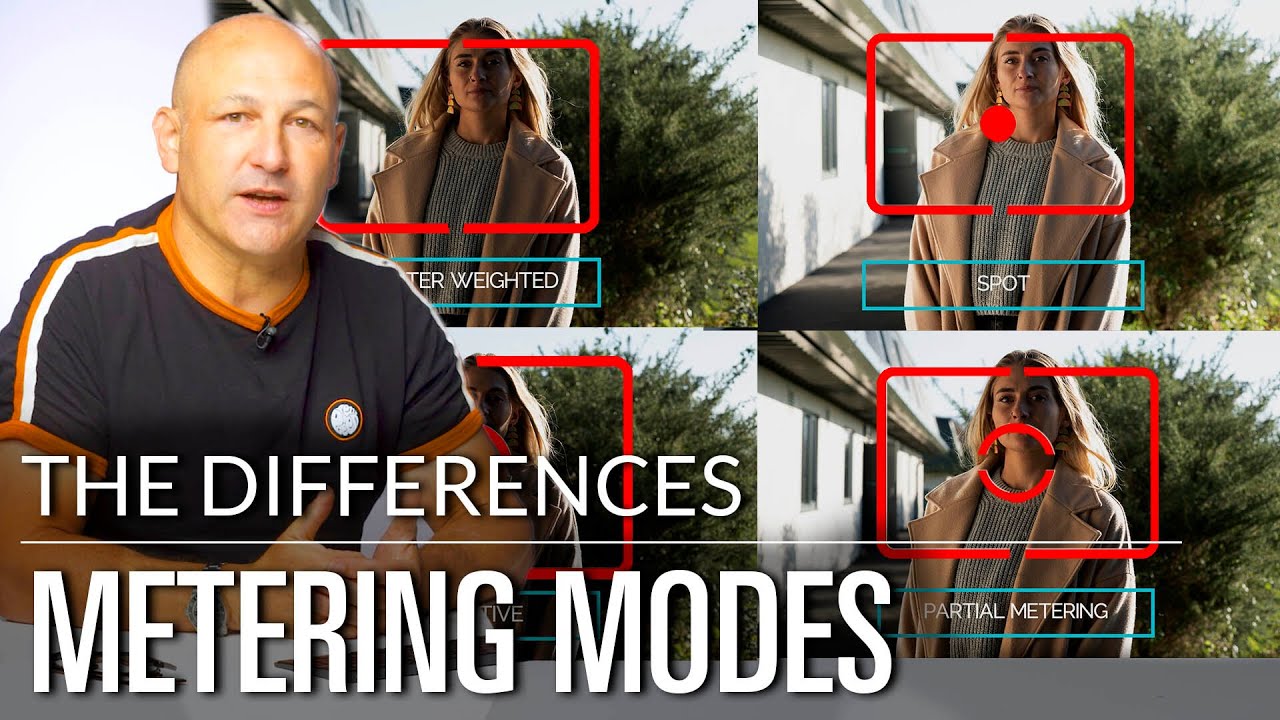
Every Sunday morning I take myself on a photo walk around Seattle. No agenda, no client brief, just me and whatever camera I grab off the shelf. For a long time, I’d find myself standing in a backlit scene or a high-contrast alley, fiddling through menus trying to remember which metering mode was “correct” for the situation. It felt like I was consulting a rulebook instead of just making a picture.

Stop Making These Beginner Photography Mistakes (A Breakdown of Peter McKinnon's Best Advice)

Stop Making These Beginner Photography Mistakes (A Breakdown of Peter McKinnon's Best Advice)

Every Sunday morning I do a photo walk through my neighborhood in Seattle. No agenda, no client, no pressure. Just me and whatever camera I feel like grabbing. And even after years of doing this professionally, I still catch myself making some of the same lazy habits I had when I first started. That’s why when I sat down with Watch the full tutorial on YouTube from Peter McKinnon, I found myself nodding along more than I expected.