Secure Video Conferencing for Creative Professionals: What Photographers Need to Know

Secure Video Conferencing for Creative Professionals: What Photographers Need to Know

Secure Video Conferencing for Creative Professionals: What Photographers Need to Know As a photographer who regularly collaborates with clients, editors, and creative teams across distances, I’ve watched the video conferencing landscape evolve dramatically. Today, I want to discuss an important development that deserves attention from anyone in the visual arts: the growing availability of privacy-focused video conferencing platforms designed with security as a core feature. Why Privacy Matters for Your Creative Work When you’re sharing client images, discussing project details, or reviewing sensitive work with collaborators, the platform you choose matters more than you might think.

The Rule of Thirds and When to Break It

The Rule of Thirds and When to Break It

The rule of thirds is the first composition technique most photographers learn. It’s taught in every beginner photography class and mentioned in every introductory article. And for good reason — it works. But understanding why it works helps you know when to follow it and when to deliberately break it for a stronger image. How the Rule of Thirds Works Imagine dividing your frame into nine equal rectangles with two horizontal and two vertical lines, like a tic-tac-toe grid.

Portrait Photography Tips for Natural-Looking Results

Portrait Photography Tips for Natural-Looking Results

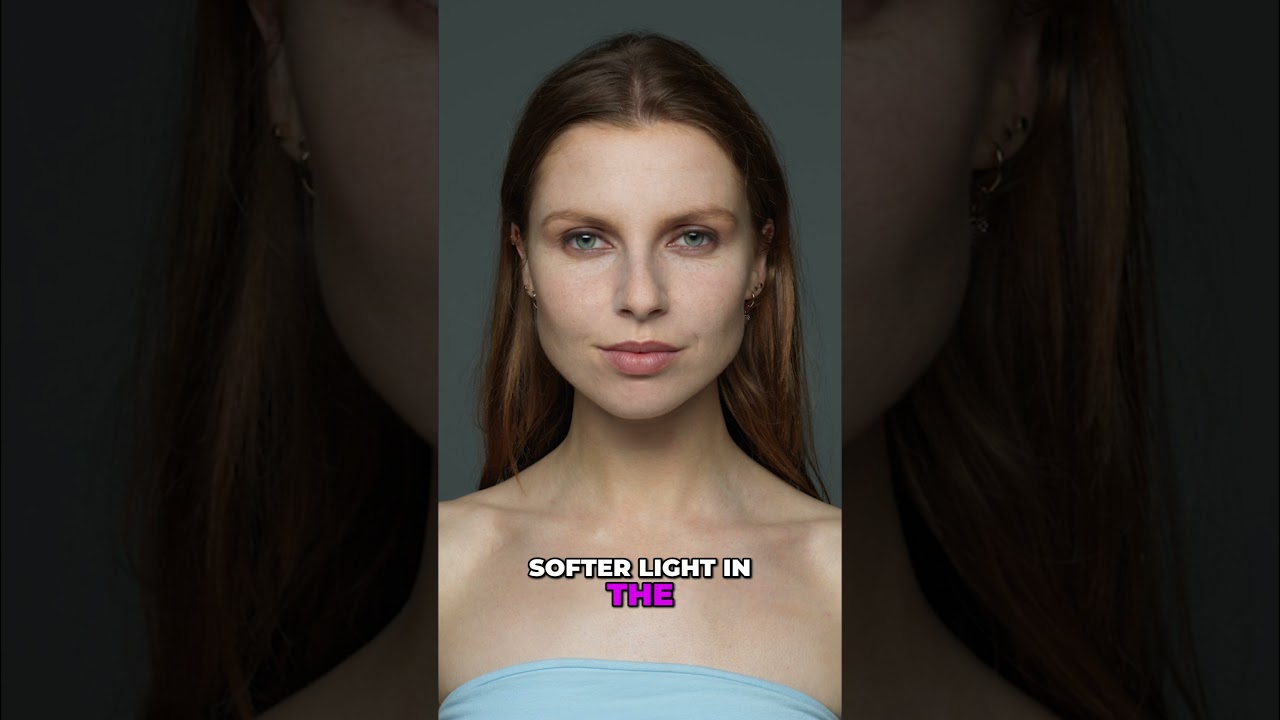
The best portraits don’t look posed. They look like candid moments captured at exactly the right time. But that natural, effortless look is the result of deliberate technique. Here’s how to get portraits that feel genuine. Lighting for Natural Portraits Natural light is your best friend for natural-looking portraits. It creates a quality that’s hard to replicate with flash — soft gradients, gentle shadows, and a warmth that feels organic.

Portrait Photography Essentials: 5 Techniques to Elevate Your People Photos

Portrait Photography Essentials: 5 Techniques to Elevate Your People Photos

Portrait Photography Essentials: 5 Techniques to Elevate Your People Photos I’ve spent years photographing people in countless settings—from bright studios to moody coffee shops—and I’ve learned that great portraits aren’t about expensive gear or luck. They’re about understanding a few core principles and practicing them consistently. Whether you’re photographing friends, family, or building a portrait portfolio, these techniques will help you create images that feel authentic and polished. 1. Master Directional Lighting Lighting is everything in portrait photography, and I can’t stress this enough: the direction of light matters more than its intensity.

Building a Photography Portfolio That Gets You Hired

Building a Photography Portfolio That Gets You Hired

Your portfolio is the single most important factor in getting hired as a photographer. Not your gear, not your social media following, not your years of experience. Clients make hiring decisions based on what they see in your portfolio, and most photographers get this wrong in predictable ways. The Most Common Portfolio Mistake The biggest mistake is showing too much. Photographers stuff their portfolios with every decent image they’ve ever taken — 50, 80, 100+ images across every genre and style.

Photography Lighting for Beginners: Natural vs Artificial

Photography Lighting for Beginners: Natural vs Artificial

Light is the raw material of photography. Understanding how to work with it — whether it comes from the sun or a flash — is the single biggest skill jump most beginners can make. Natural Light Natural light is sunlight, whether direct, reflected, or diffused through clouds. It’s free, abundant, and when used well, produces beautiful results. Advantages: No equipment needed Produces natural-looking skin tones Creates a mood that’s difficult to replicate artificially Constantly changing, which can inspire creative variety Challenges:

Photography Editing Basics: Your Essential Guide to Post-Processing

Photography Editing Basics: Your Essential Guide to Post-Processing

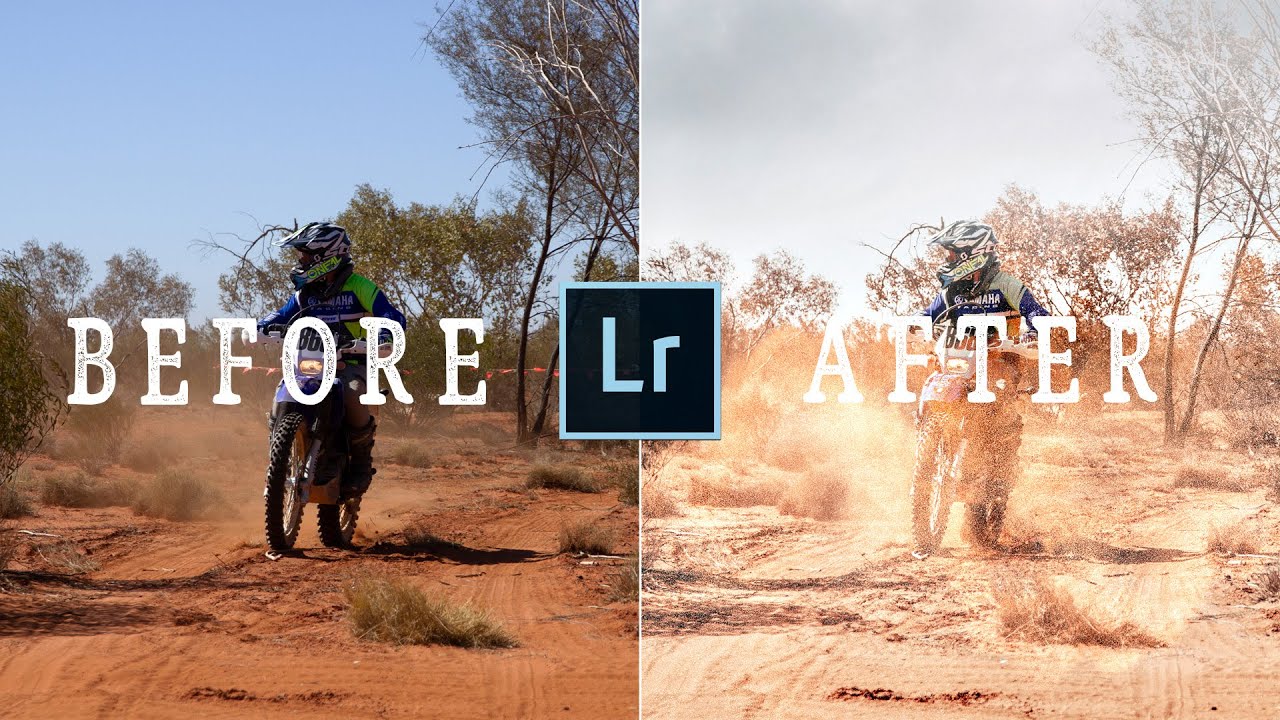
Photography Editing Basics: Your Essential Guide to Post-Processing When I first started editing my photos, I felt overwhelmed by the number of sliders, buttons, and settings available. I worried that editing somehow meant I wasn’t a “real” photographer. But I’ve learned that editing is simply the second half of photography—it’s where your vision truly comes to life. Whether you’re using Lightroom, Capture One, or even smartphone apps, the fundamental principles remain the same.

Photography Editing Basics: Transform Your Images from Good to Great

Photography Editing Basics: Transform Your Images from Good to Great

Photography Editing Basics: Transform Your Images from Good to Great When I first started photography, I thought editing was cheating. I believed “real” photographers got everything right in-camera. I was wrong. Editing isn’t about fakery—it’s about intention. It’s the final step where your creative vision comes to life. Whether you’re using Lightroom, Capture One, or free tools like Darktable, these fundamental editing principles apply across all platforms. Let me walk you through the essentials I wish someone had explained to me clearly from the start.

How to Photograph in Harsh Midday Sun

How to Photograph in Harsh Midday Sun

Most photography advice tells you to avoid shooting at midday. The light is harsh, the shadows are ugly, and everything looks flat and overexposed. But you can’t always schedule life around golden hour. Vacations, events, assignments, and spontaneous moments happen under midday sun. Here’s how to work with it instead of against it. Why Midday Sun Is Difficult At midday, the sun is nearly directly overhead. This creates several problems:

New Opportunities for Video Creators: What Photographers Need to Know

New Opportunities for Video Creators: What Photographers Need to Know

New Opportunities for Video Creators: What Photographers Need to Know I’ve been watching the creator economy evolve, and I’m excited to share some news that could impact many of you reading this. Facebook has launched an initiative to attract video creators by offering monthly payments up to $3,000 for quality video content posted on their platform. What This Means for Visual Storytellers As photographers, many of you are already experimenting with video—whether that’s short-form content, behind-the-scenes reels, or educational tutorials.

Mobile Photography Just Got More Powerful: What DSLR-Style Controls Mean for iPhone Users

Mobile Photography Just Got More Powerful: What DSLR-Style Controls Mean for iPhone Users

Mobile Photography Just Got More Powerful: What DSLR-Style Controls Mean for iPhone Users I’ve watched mobile photography evolve dramatically over the past decade. What started as a convenient snapshot tool has transformed into a legitimate creative medium. The latest development in this evolution deserves your attention. Reeflex Pro Camera has just released its 3.0 update, and it’s bringing something significant to iPhone users: genuine DSLR-style controls. As someone who believes that understanding your camera’s settings matters regardless of the device, I find this development genuinely exciting.

Mastering Reverse Lighting: How to Create Convincing Window Light Portraits in Any Studio

Mastering Reverse Lighting: How to Create Convincing Window Light Portraits in Any Studio

Introduction: Breaking the Rules of Traditional Lighting When I first learned portrait lighting, I was taught the classic approach: key light first, then fill light, then hair light. But what if I told you that the most natural-looking window light portraits often come from doing the exact opposite? In this excellent tutorial, Joel Grimes and photographer Julie Gayler demonstrate a technique called “Reverse Lighting”—and it’s a game-changer for anyone serious about creating believable, cinematic portraits.