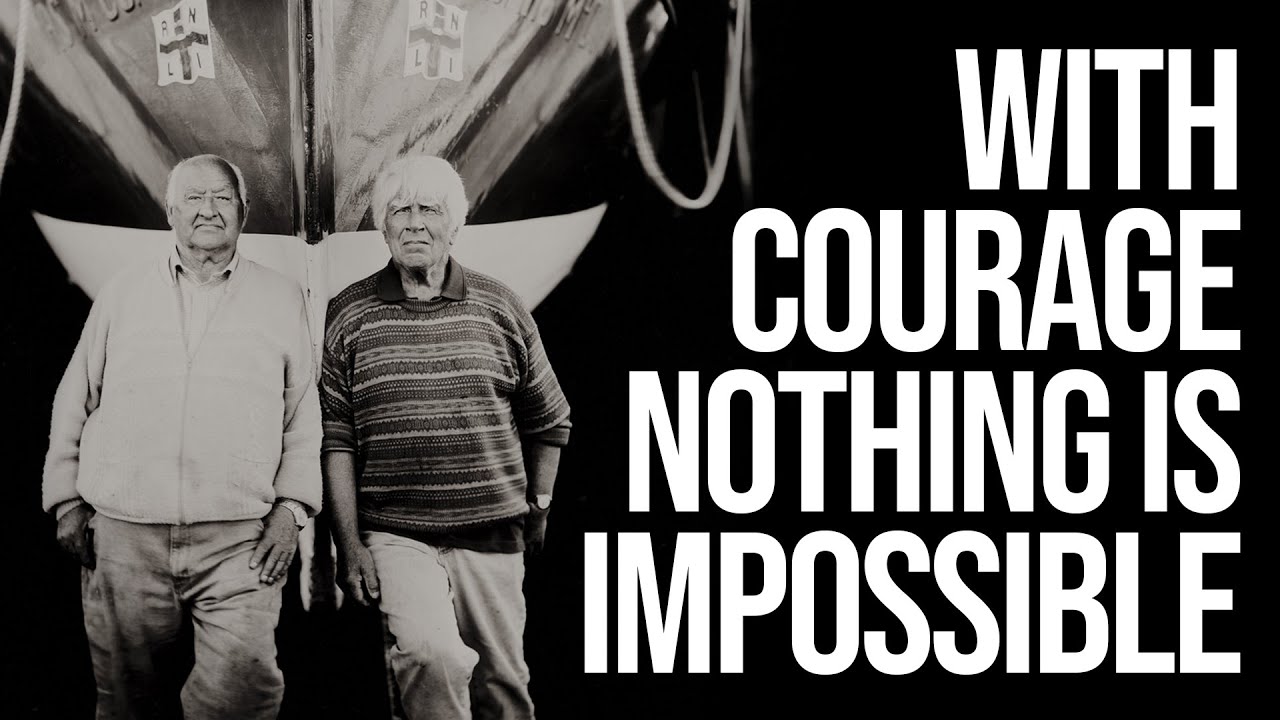
What a 10-Year Wet Plate Photography Project Taught Me About Committing to a Vision

What a 10-Year Wet Plate Photography Project Taught Me About Committing to a Vision

Every Sunday morning I do a photo walk. No agenda, no client, no brief. Just me, a coffee, and whatever lens feels right that day. I started the tradition because I kept noticing that my best personal work happened when I wasn’t trying to impress anyone. But even with that ritual locked in, I’ve struggled with the bigger question: what am I actually building toward? A folder of nice images isn’t a body of work.
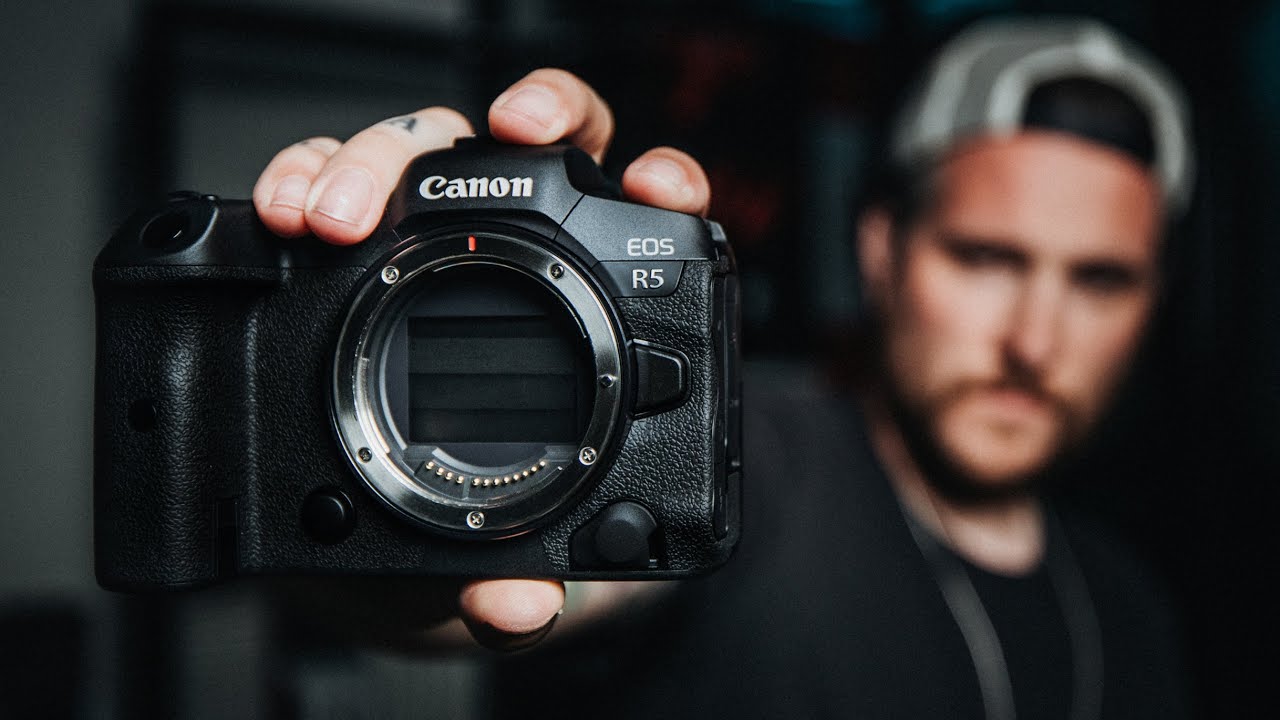
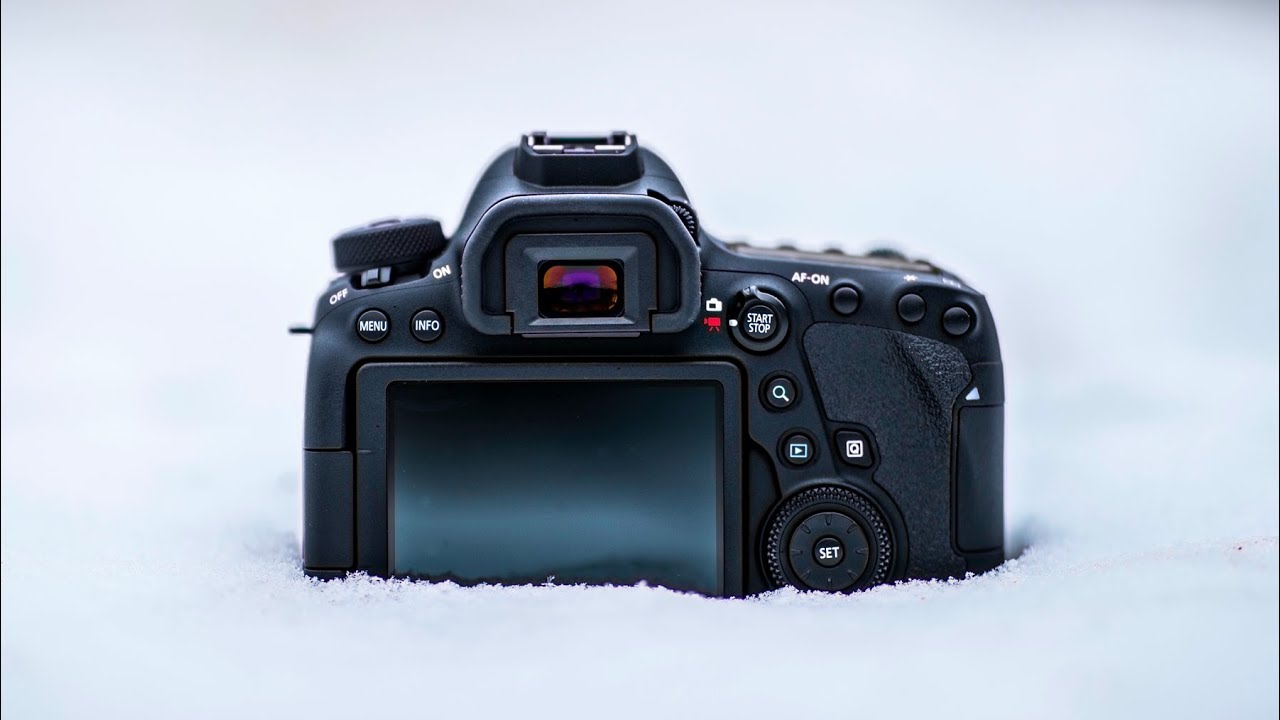
What the Canon EOS R5 Actually Feels Like to Use - A Working Shooter's Breakdown

What the Canon EOS R5 Actually Feels Like to Use - A Working Shooter's Breakdown

Every few years, a camera comes along that genuinely changes the conversation. I remember where I was when I first started hearing serious chatter about the Canon EOS R5 - sitting in a coffee shop in Capitol Hill, scrolling through forums on my phone, watching the photography community slowly lose its collective mind over specs that seemed almost too good to be true. For those of us who shoot professionally, upgrading bodies is never a casual decision.

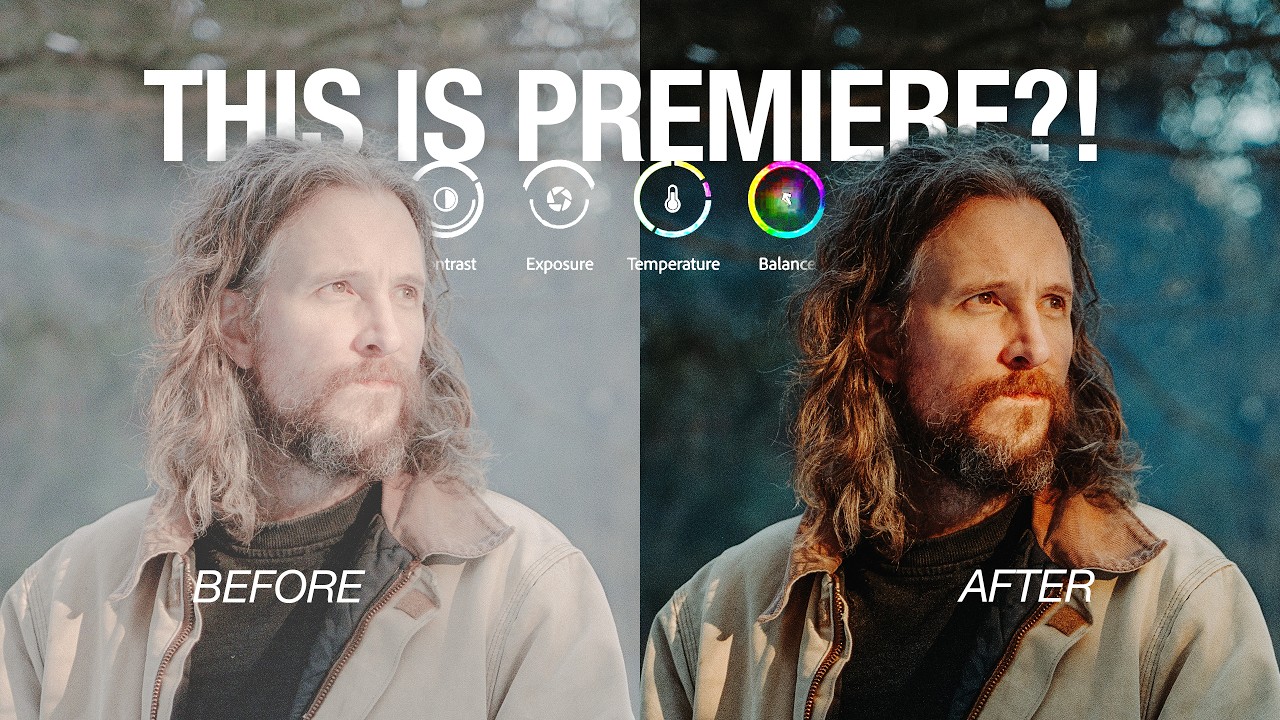
Adobe's New Color Mode in Premiere Pro Changed How I Think About Video Editing

Adobe's New Color Mode in Premiere Pro Changed How I Think About Video Editing

I have a confession that will probably resonate with anyone who edits video in Premiere Pro. My color grading workflow has always been, to put it kindly, a disaster. Adjustment layers stacked on top of adjustment layers, clips mysteriously missing color on export, then hunting through a timeline that looks like it survived an earthquake to figure out which seven clips I forgot. If you shoot travel or lifestyle content and you’re cutting together 40-plus clips from a single shoot day, that chaos compounds fast.

How I Used Claude AI to Turn Raw Footage Into a Polished Video (No Editing Experience Required)

How I Used Claude AI to Turn Raw Footage Into a Polished Video (No Editing Experience Required)

I’ve been putting off video for years. Not because I don’t want to share my work in motion, but because every time I opened a video editor I felt like I’d wandered into someone else’s cockpit. The timelines, the render queues, the color grading panels, all of it. I’m a photographer. I know light. I do not know what a keyframe is, and until recently I didn’t particularly want to.

Should You Switch Cameras? How to Actually Test a New Body Before You Commit

Should You Switch Cameras? How to Actually Test a New Body Before You Commit

There’s a particular kind of camera frustration that sneaks up on you slowly. You don’t notice it all at once. It’s the ache in your wrist after an hour of shooting. It’s the awkward angle you have to hold the camera to see the screen while you’re talking to it. It’s the workflow slowdown that means footage sits on your drive for a week because rendering takes forever. For a long time, I told myself these were just the trade-offs of shooting on serious gear.

How Pro Beverage Photographers Light a Beer Shot (Breaking Down Rob Grimm's Studio Setup)

How Pro Beverage Photographers Light a Beer Shot (Breaking Down Rob Grimm's Studio Setup)

Product photography has humbled me more than once. I shoot lifestyle and travel almost exclusively, so when someone asks me about tabletop product work, I used to quietly change the subject. The lighting logic is different, the margins for error are smaller, and glass and liquid together are basically a nightmare for reflections. So when I came across this Aaron Nace (PHLEARN) tutorial featuring St. Louis beverage photographer Rob Grimm, I watched it three times in a row.

5 Landscape Photography Lessons I Took From William Patino's Year-End Breakdown

5 Landscape Photography Lessons I Took From William Patino's Year-End Breakdown

There’s a specific kind of frustration I know well: standing in front of a genuinely beautiful scene, something that makes your chest feel full, and walking away with a flat, disconnected image that doesn’t come close to what your eyes saw. For me it usually happens near water. I’ll be on one of my Sunday morning photo walks here in Seattle, the light is doing something incredible over the sound, and I fumble through my settings trying to hold onto it.

How to Reverse-Engineer Famous Portrait Lighting (And Actually Learn Something Doing It)

How to Reverse-Engineer Famous Portrait Lighting (And Actually Learn Something Doing It)

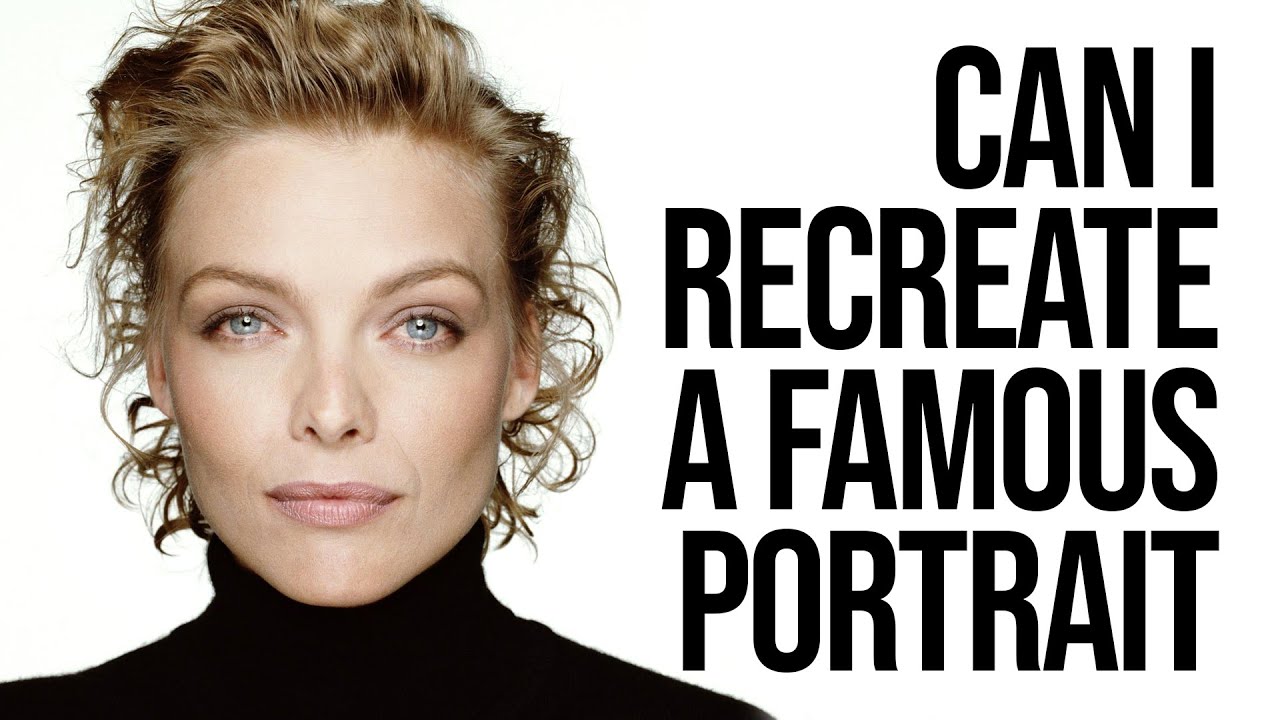
Beauty lighting has always intimidated me a little. I’ll be honest. I came up through travel and lifestyle photography, where “good light” usually meant golden hour and a willingness to wake up at 5am. Controlled studio work felt like a different language, and I kept putting off learning it properly. What finally cracked it open for me was a practice I’d never thought to try: picking apart a famous portrait and working backward from what I could see.

What Hollywood Camera Tricks Actually Teach Us About Thinking Creatively On Set

What Hollywood Camera Tricks Actually Teach Us About Thinking Creatively On Set

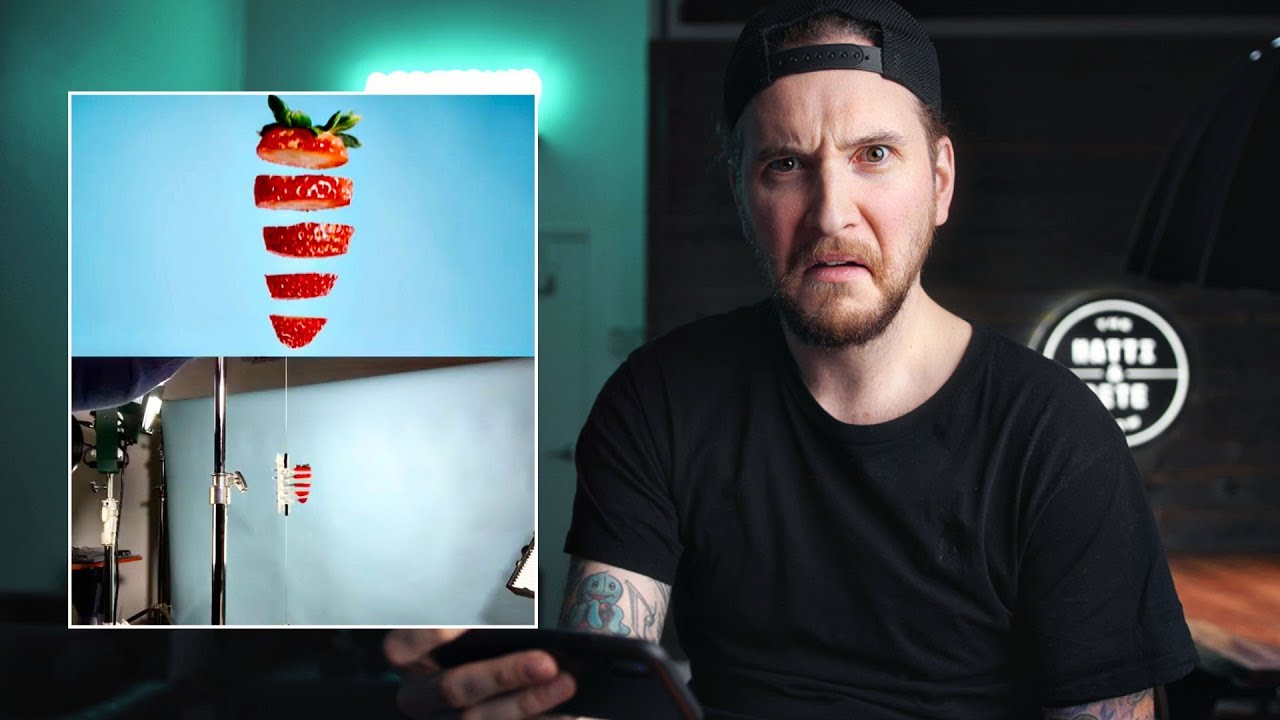
I’ve said it before and I’ll keep saying it: the most useful photography education doesn’t always come from photography. Some of the biggest shifts in how I think about framing, movement, and problem-solving on a shoot have come from watching how filmmakers work. Not because I’m trying to make movies, but because the constraints they deal with, and the creative solutions they invent, are directly transferable to any visual medium.

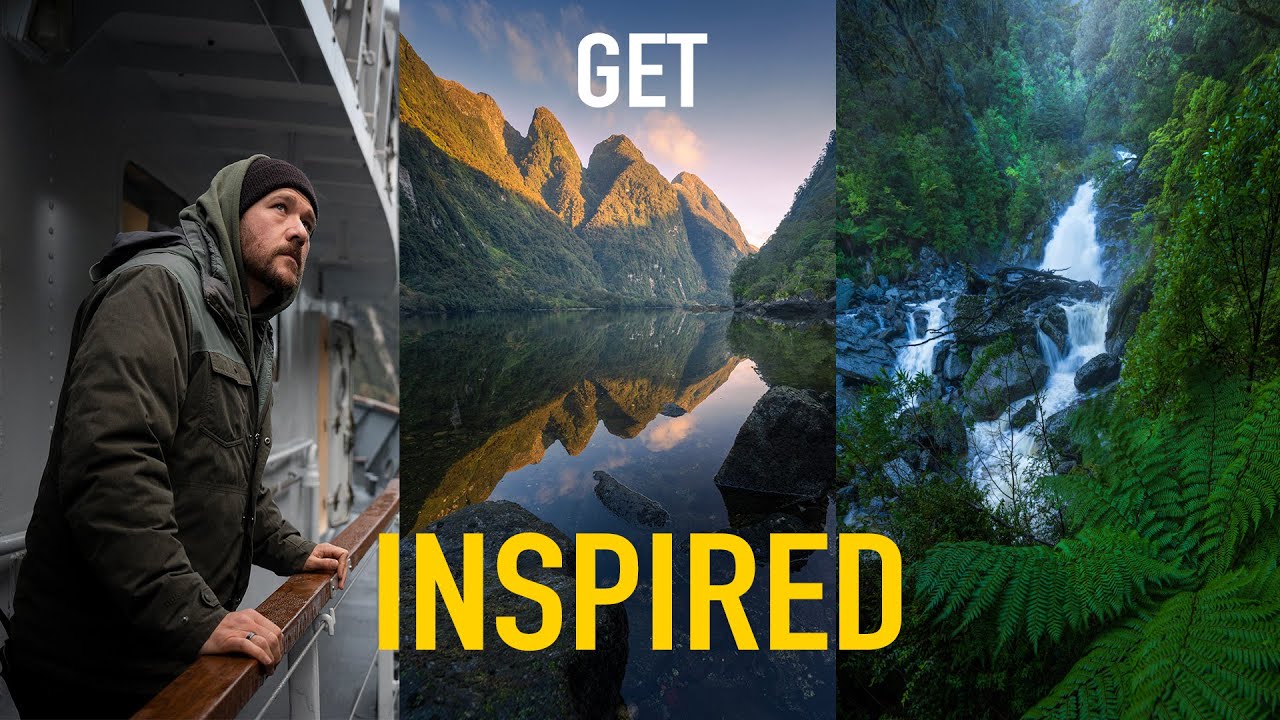
How to Read a Landscape and React to the Light: Lessons from a Fiordland Boat Expedition

How to Read a Landscape and React to the Light: Lessons from a Fiordland Boat Expedition

There’s a trap a lot of photographers fall into on location, myself included: waiting for the “perfect” conditions before picking up the camera. Clear skies, golden hour, no wind. I spent an entire vacation once chasing a single waterfall shot in the Cascades, convinced I needed ideal light. I missed dinner three nights in a row and came home with maybe two frames I actually liked. What I should have been doing was working with whatever the landscape was handing me.

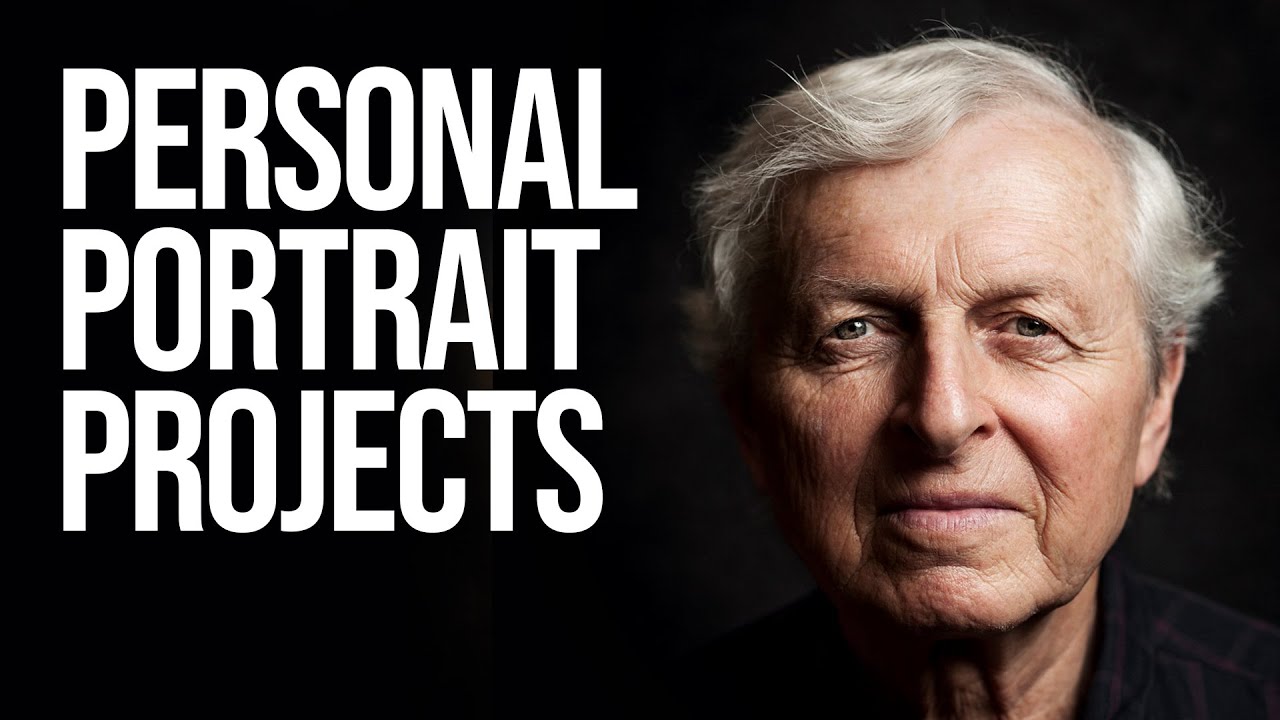
How to Plan and Shoot a Meaningful Portrait Project (Lessons from Sean Tucker's Mentor Series)

How to Plan and Shoot a Meaningful Portrait Project (Lessons from Sean Tucker's Mentor Series)

Portrait projects are where photography gets personal. Not personal in a vague, artistic way — personal in the sense that you’re walking into someone’s home or workspace, pointing a camera at their face, and trying to make something that actually means something. I’ve done enough of those shoots to know that the ones that fall flat almost always come down to one thing: not enough planning before you ever pick up the camera.

You Don't Need a $3,000 Camera to Go Viral: Here's the Proof

You Don't Need a $3,000 Camera to Go Viral: Here's the Proof

I have a confession that will probably surprise exactly zero people who follow my work: my most-liked Instagram photo was taken on a $200 phone. Not my Sony. Not the lens I saved up three months for. A phone. That one post cracked something open for me, and I’ve been chasing that thread ever since, looking for evidence that gear is less of a deciding factor than we’ve been told.