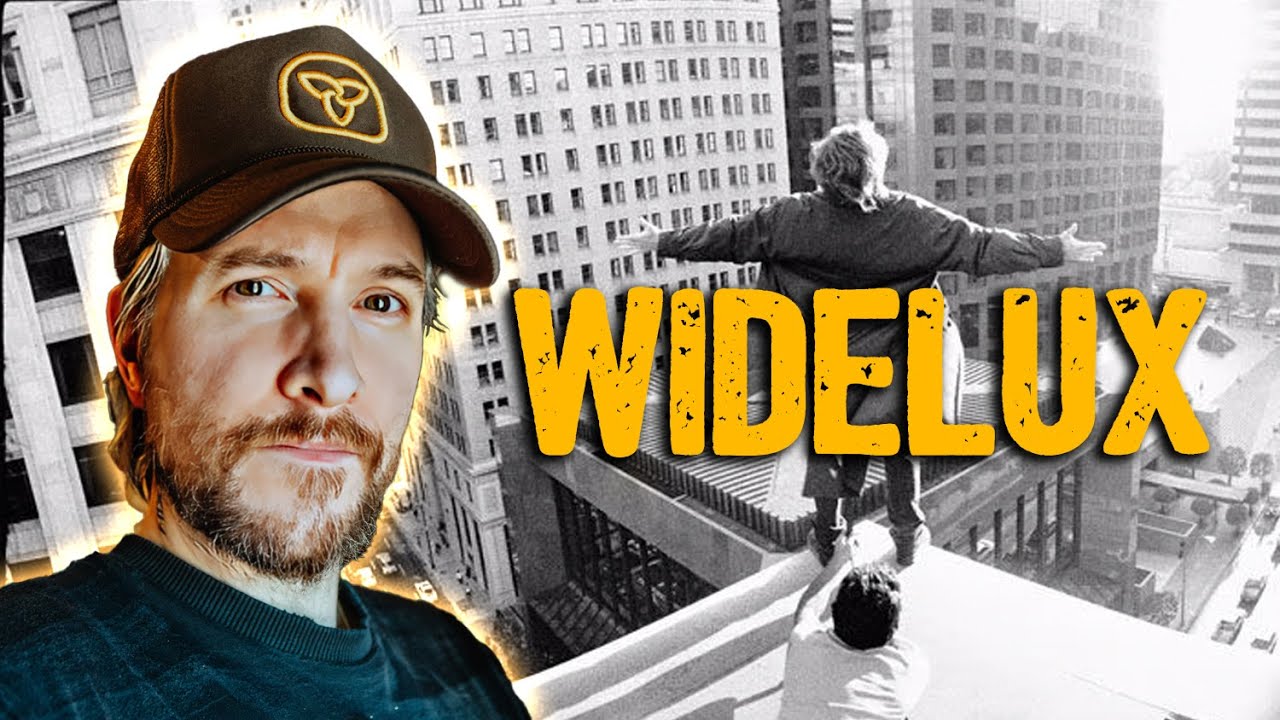
I have a soft spot for cameras that do something mechanically weird. Not digital weird, not software weird, but physically, beautifully, mechanically weird. So when I first stumbled onto Peter McKinnon’s enthusiasm for the Widelux, I completely understood the obsession. Here was a camera that doesn’t just sit still and capture a frame. It moves. The lens actually rotates through a 180-degree arc as you fire the shutter, sweeping across a scene the way your eye naturally scans a horizon. The result is a panoramic image with a subtle curve to it, a slight warp that no crop tool or aspect ratio setting can replicate. That is not a flaw. That is the whole point.
In this Peter McKinnon tutorial, part of his long-running “2-Minute Tuesday” series, he runs through both the classic 35mm Widelux and its much beefier medium format sibling, then closes with news that made a lot of film photographers sit up straight: the camera is coming back. Watch the full tutorial on YouTube. Whether you shoot film regularly or you’ve been curious about it, this one is worth your time.
Step 1: Understand What the Widelux Actually Does
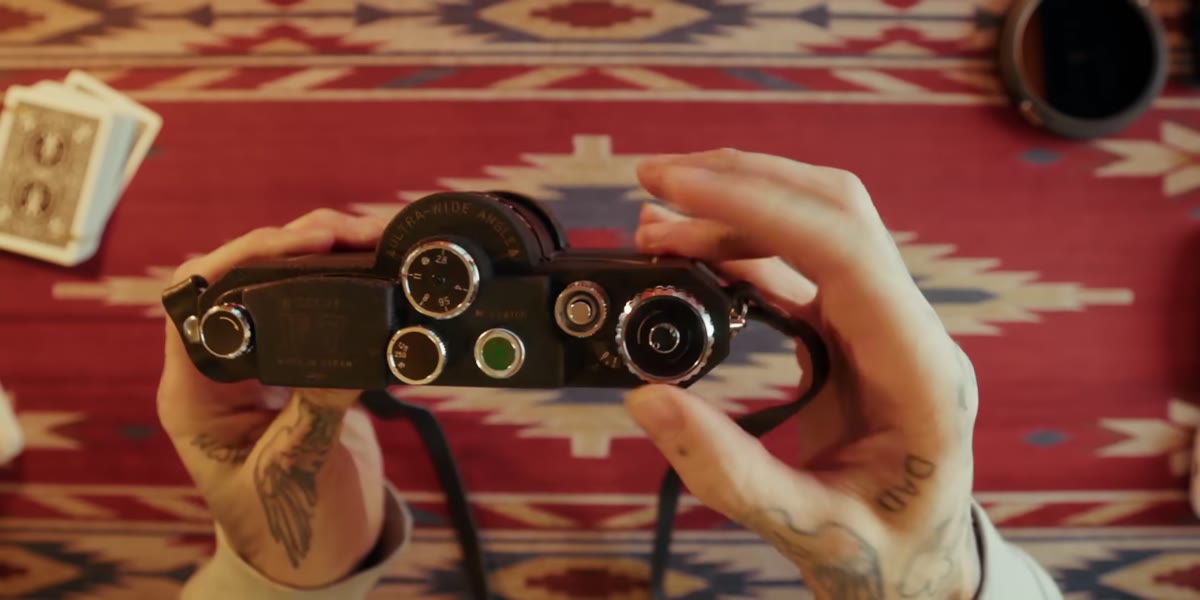 Camera turret mid-pan, sweeping 180 degrees across scene
The Widelux is a 35mm film camera, but it works nothing like a standard point-and-shoot. Instead of a fixed lens capturing a static frame, the lens turret pivots across a full 180-degree arc the moment you press the shutter. Light hits the film continuously as the lens sweeps, which is what produces that wide, curved panoramic look. No stitching. No digital trickery. One mechanical motion, one frame.
Camera turret mid-pan, sweeping 180 degrees across scene
The Widelux is a 35mm film camera, but it works nothing like a standard point-and-shoot. Instead of a fixed lens capturing a static frame, the lens turret pivots across a full 180-degree arc the moment you press the shutter. Light hits the film continuously as the lens sweeps, which is what produces that wide, curved panoramic look. No stitching. No digital trickery. One mechanical motion, one frame.
This matters because the perspective you get is genuinely unlike anything a standard wide-angle lens produces. It feels more like how human vision actually works, sweeping and environmental rather than flat and contained. McKinnon puts it in his top three cameras of all time, which for someone who has shot with a lot of gear, says something real.
Step 2: Load and Wind the 35mm Version
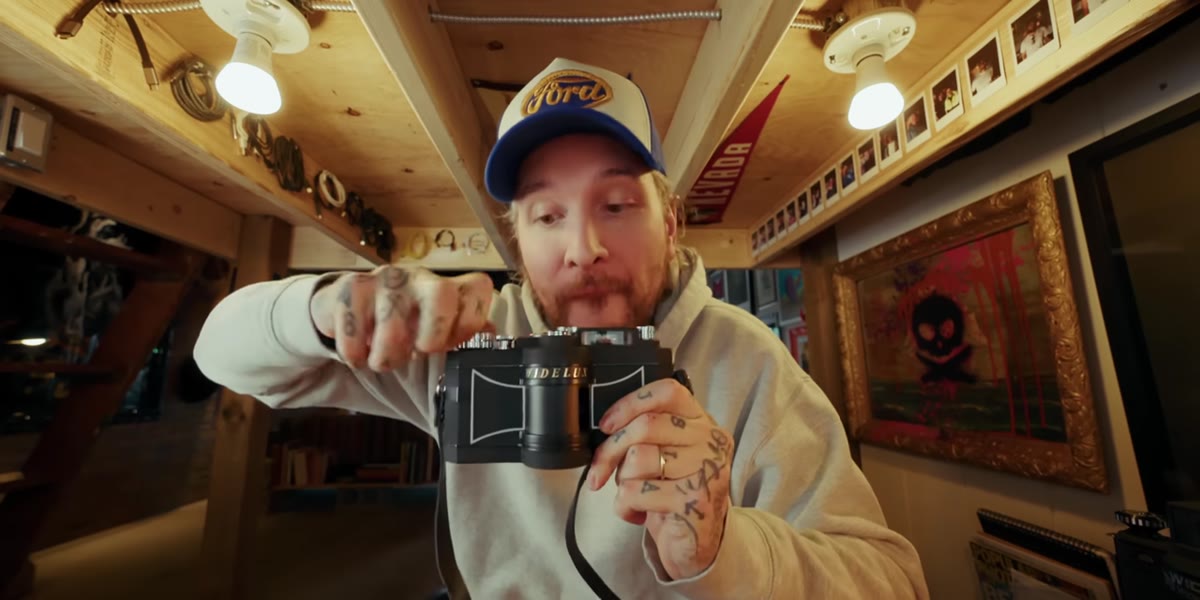 Hands winding 35mm Widelux, preparing to shoot
Operating the standard Widelux is straightforward by film camera standards. You load a roll of 35mm film, wind the camera between shots, and fire. The mechanical simplicity is a big part of the appeal. There are no batteries running the core function. The panning motion is powered by the same spring-wound mechanism that advances the shutter.
Hands winding 35mm Widelux, preparing to shoot
Operating the standard Widelux is straightforward by film camera standards. You load a roll of 35mm film, wind the camera between shots, and fire. The mechanical simplicity is a big part of the appeal. There are no batteries running the core function. The panning motion is powered by the same spring-wound mechanism that advances the shutter.
That simplicity is also what makes vintage Widelux cameras a bit unreliable after decades of use. The timing of the pan mechanism can drift, which affects exposure consistency. McKinnon is upfront about this. If you’re hunting for one on the used market, budget for a CLA (clean, lubricate, adjust) from a technician who knows the camera.
Step 3: Know What You’re Getting Into with the Medium Format Version
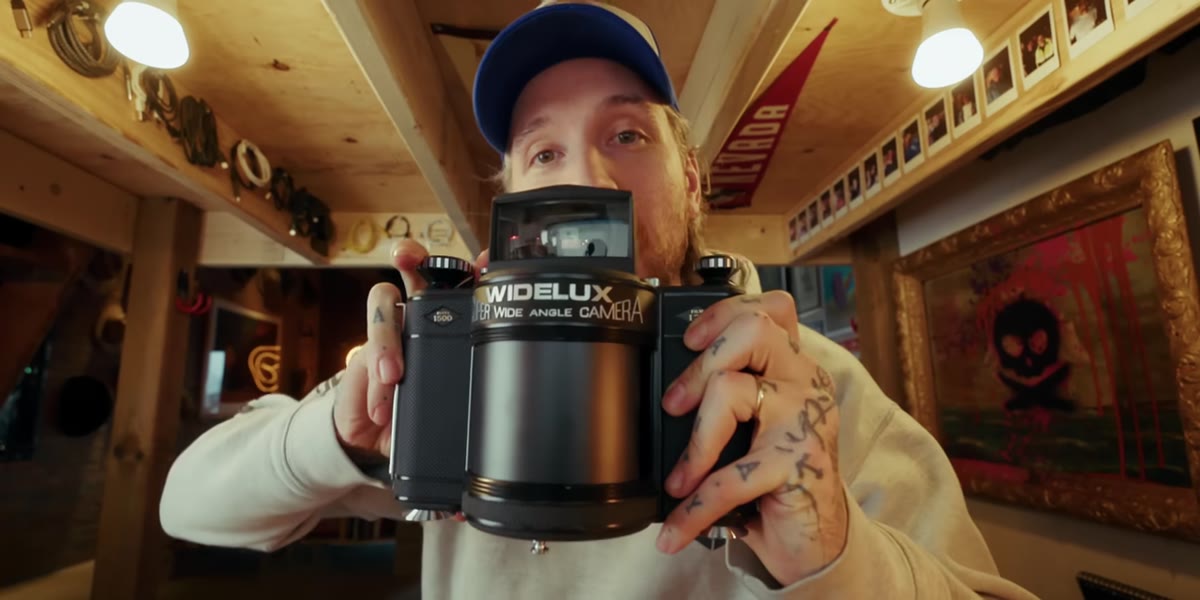 Medium format Widelux on surface, large and heavy body visible
McKinnon also shows off a medium format version of the Widelux, and his reaction to firing it is the most honest gear review moment I’ve seen in a while. He describes actual, physical recoil when the shutter fires. This is not a subtle camera. It takes 120 roll film, which delivers dramatically higher resolution than 35mm, but it comes with serious trade-offs.
Medium format Widelux on surface, large and heavy body visible
McKinnon also shows off a medium format version of the Widelux, and his reaction to firing it is the most honest gear review moment I’ve seen in a while. He describes actual, physical recoil when the shutter fires. This is not a subtle camera. It takes 120 roll film, which delivers dramatically higher resolution than 35mm, but it comes with serious trade-offs.
The body is heavy enough that McKinnon recommends a tripod. The aperture is adjusted via a small dial inside the turret housing, and he admits he’s still working out the finer points of the focusing system. This is a specialist tool. If you’re chasing the Widelux look and want to travel light, the 35mm version is the practical choice. The medium format version is for controlled environments, dedicated shoots, and people who enjoy figuring out complex gear.
Step 4: Use the Bubble Level and Viewfinder Correctly
 Top of camera showing bubble level and panoramic viewfinder bubble
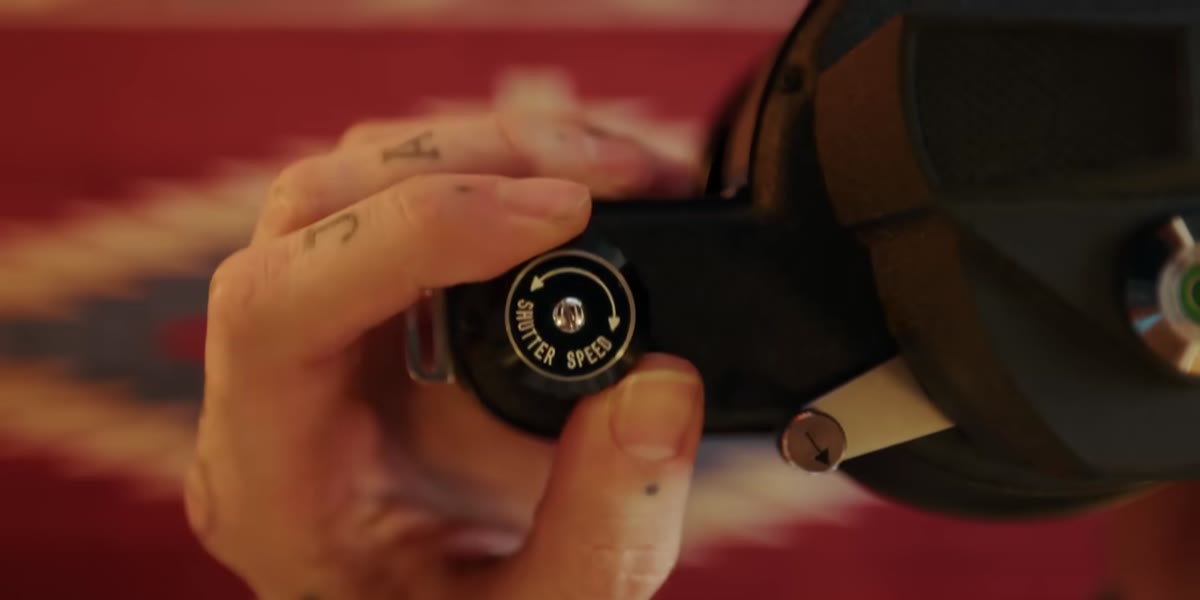
One detail McKinnon highlights that is easy to overlook: the Widelux has a bubble level built into the top of the body, and a wide panoramic viewfinder to help you frame the shot. Both of these are essential rather than optional. Because the lens sweeps such a wide arc, even a slight tilt of the camera introduces a visible horizon lean across the entire frame. With a standard camera you can sometimes correct a horizon in post. With a panning camera, the distortion compounds across the full sweep and becomes much harder to fix cleanly.
Top of camera showing bubble level and panoramic viewfinder bubble
One detail McKinnon highlights that is easy to overlook: the Widelux has a bubble level built into the top of the body, and a wide panoramic viewfinder to help you frame the shot. Both of these are essential rather than optional. Because the lens sweeps such a wide arc, even a slight tilt of the camera introduces a visible horizon lean across the entire frame. With a standard camera you can sometimes correct a horizon in post. With a panning camera, the distortion compounds across the full sweep and becomes much harder to fix cleanly.
Make it a habit to check the bubble before every shot. Frame using the viewfinder, confirm level, then fire. It sounds like extra steps but it becomes second nature quickly, and it saves you from losing frames to a crooked horizon you can’t recover.
Step 5: Follow the Revival - The New Widelux Is Coming
 McKinnon discussing Jeff Bridges and the new Widelux announcement
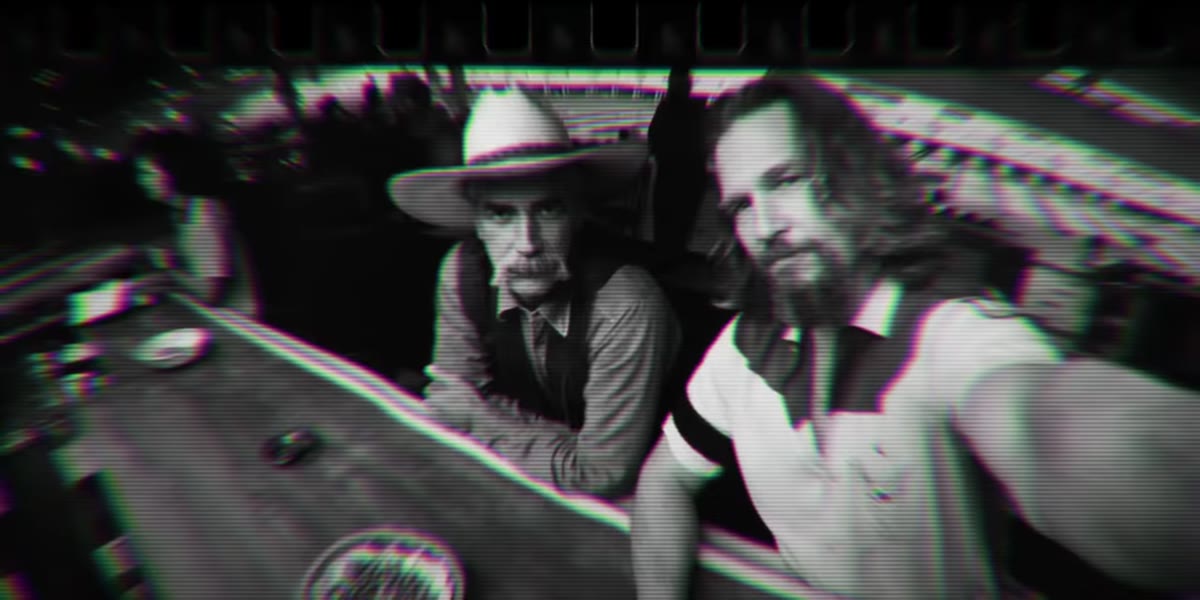
This is the part of the video that stopped me mid-coffee. The Widelux originally came from a Japanese manufacturer called Panon, starting in 1958 and running until the camera was discontinued in 2000. For over two decades it existed only on the used market, aging and increasingly difficult to service. But McKinnon shares that Jeff Bridges, the actor closely associated with the camera, is involved in bringing it back under a new name: the Widelux with two x’s.
McKinnon discussing Jeff Bridges and the new Widelux announcement
This is the part of the video that stopped me mid-coffee. The Widelux originally came from a Japanese manufacturer called Panon, starting in 1958 and running until the camera was discontinued in 2000. For over two decades it existed only on the used market, aging and increasingly difficult to service. But McKinnon shares that Jeff Bridges, the actor closely associated with the camera, is involved in bringing it back under a new name: the Widelux with two x’s.
The revived version will reportedly stay fully mechanical, keeping the spirit of the original intact while being manufactured new. That means a warranty, serviceability, and no anxiety about whether your 40-year-old panning mechanism is going to hold up mid-shoot. McKinnon’s take is direct: a new, warrantied, serviceable version of a camera he loves is an easy yes. The original will always be sentimental, but a reliable modern build solves the biggest practical problem with vintage panoramic cameras.
What I’d Add From My Own Experience Shooting Wide
I’ve never shot a Widelux specifically, but I’ve spent a lot of time with wide and ultrawide lenses chasing that sweeping environmental feel, especially on travel shoots. The lesson I keep relearning is that extreme width demands a strong anchor point. Without something in the foreground or a clear subject pulling focus, wide images can feel empty rather than expansive. That problem is even more pronounced with a 180-degree panning camera, where the sheer volume of scene captured can swallow any sense of intention.
Before you load a roll and start sweeping, take a few minutes to scout the scene with your eyes. Walk the arc. Ask yourself what the viewer should notice first. The Widelux rewards photographers who think compositionally before they shoot, not after. A Sunday morning photo walk, which is how I spend most of mine, is actually perfect practice for exactly this kind of intentional, slow, committed framing.
The single most important thing this video drives home is that optical perspective is a creative tool, not just a technical setting. The Widelux doesn’t just capture more of a scene. It captures it differently, in a way that no focal length or crop factor can replicate in post. If you’ve been curious about film photography and want a reason to actually start, a camera that does something this visually distinct is a genuinely compelling entry point.
Watch the full tutorial on YouTube and see the panning mechanism in action. Seeing it move is the moment it clicks.
Comments
Leave a Comment