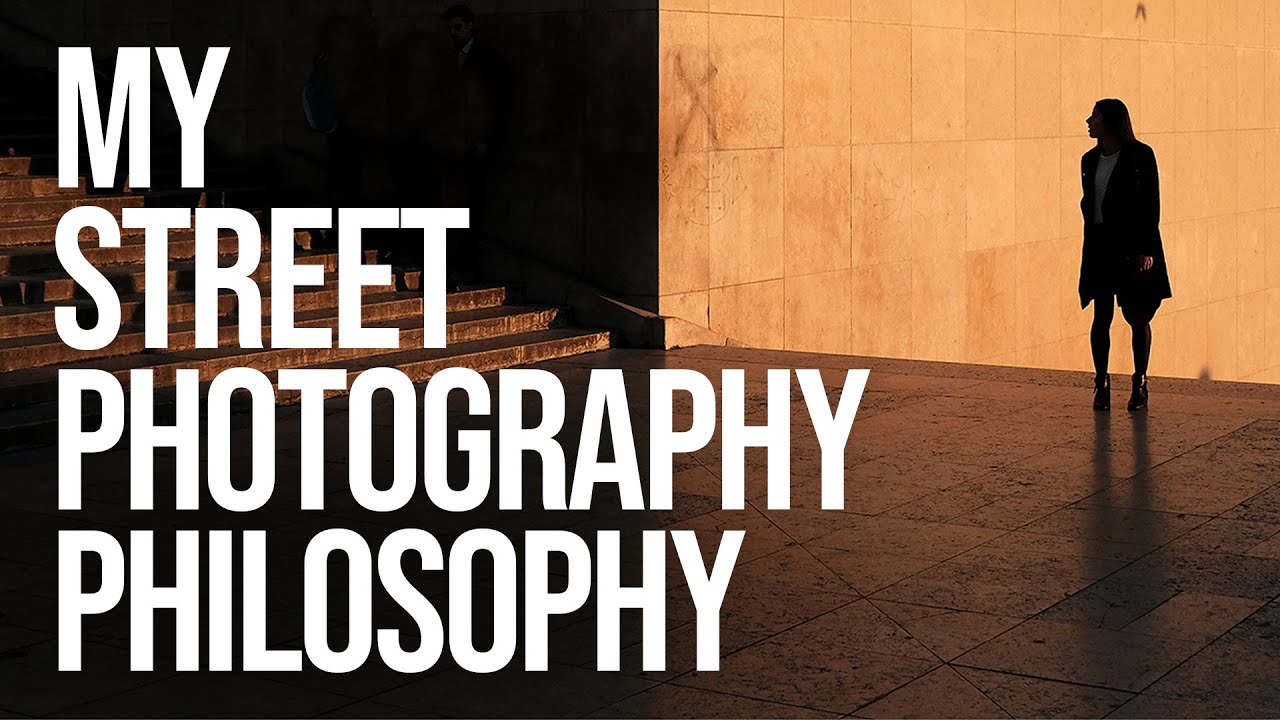
Street photography stopped me cold for years. Not because I lacked gear or technical skill, but because I’d built this rigid picture in my head of what it was supposed to look like. Someone brave and a little confrontational, pointing a lens at strangers on a busy corner, negotiating consent or chaos. That wasn’t me. I do a solo photo walk every Sunday morning in Seattle, and for the longest time I’d walk right past perfectly interesting scenes because they didn’t match the “street photography” label I thought I needed to earn first.
Then I found this Sean Tucker tutorial, filmed during a trip to Rome with the Fujifilm X-T20. Watch the full tutorial on YouTube Tucker isn’t teaching you to chase candid portraits or nail the decisive moment in a crowd. He’s doing something more useful. He’s dismantling the assumptions that keep a lot of us from shooting at all, and replacing them with a personal philosophy you can actually live with. What follows is a breakdown of the core ideas from that video, translated into steps you can apply the next time you head out with a camera.
Step 1: Audit Your Current Stereotype of Street Photography
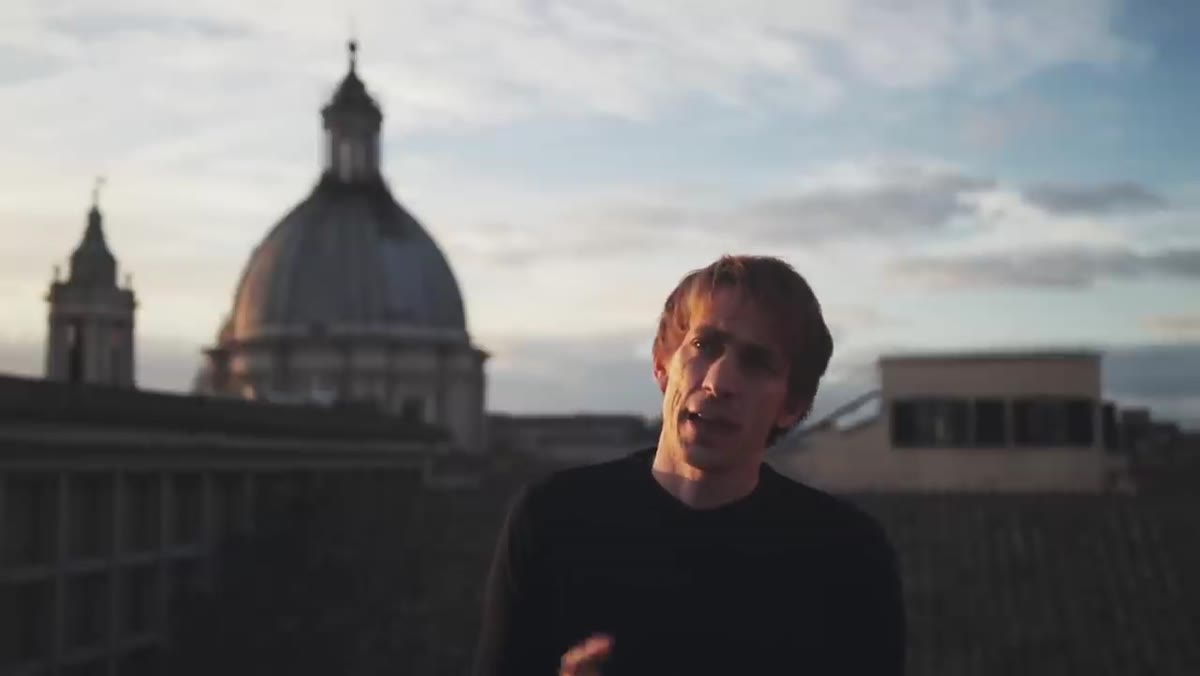 Sean Tucker walking through a Rome street, speaking to camera
Before you touch your camera, get honest about the story you’re telling yourself. Tucker opens the video by naming his own old stereotype head-on. He’d assumed street photography required either asking strangers for portraits (and absorbing constant rejection) or lurking in shadows hoping nobody noticed him. Neither option matched his personality, so he avoided the genre entirely.
Sean Tucker walking through a Rome street, speaking to camera
Before you touch your camera, get honest about the story you’re telling yourself. Tucker opens the video by naming his own old stereotype head-on. He’d assumed street photography required either asking strangers for portraits (and absorbing constant rejection) or lurking in shadows hoping nobody noticed him. Neither option matched his personality, so he avoided the genre entirely.
Write down your version of that assumption. Is it that you need a fast prime and a full-frame camera? That you have to shoot people to make it count? That you need to be in a foreign city? Naming the constraint is the first step to questioning whether it’s actually real.
Step 2: Start Small and Build a Daily Habit
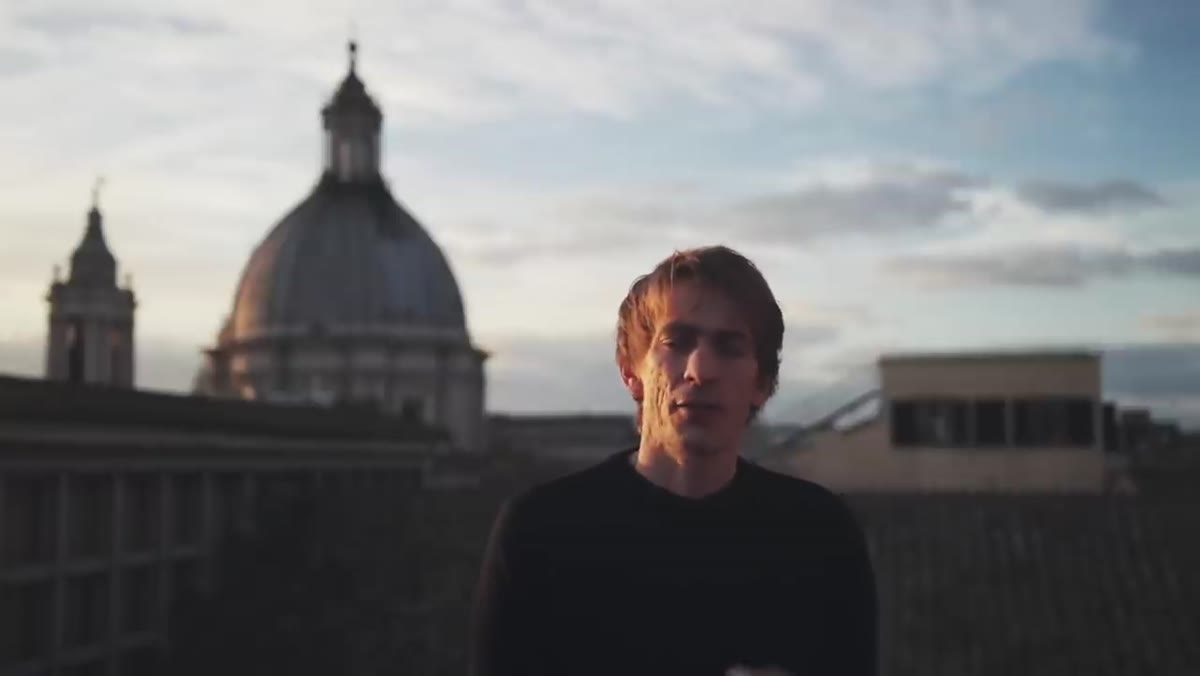 Tucker describing his decision to shoot one photo every day
Tucker’s turning point wasn’t a photography workshop or a gear upgrade. It was a simple rule: shoot and post at least one photo every day. He started on his phone because hauling a full DSLR kit everywhere was impractical. The constraint forced consistency over perfection.
Tucker describing his decision to shoot one photo every day
Tucker’s turning point wasn’t a photography workshop or a gear upgrade. It was a simple rule: shoot and post at least one photo every day. He started on his phone because hauling a full DSLR kit everywhere was impractical. The constraint forced consistency over perfection.
If you’re trying to build a street shooting habit, give yourself a similarly low bar. One image per outing. Phone camera is fine. The goal at this stage is volume and repetition, not portfolio-worthy shots. After six months of this, Tucker looked back at his work and realized he’d already been doing street photography. He just hadn’t called it that yet.
Step 3: Let Your Work Define Your Genre, Not the Other Way Around
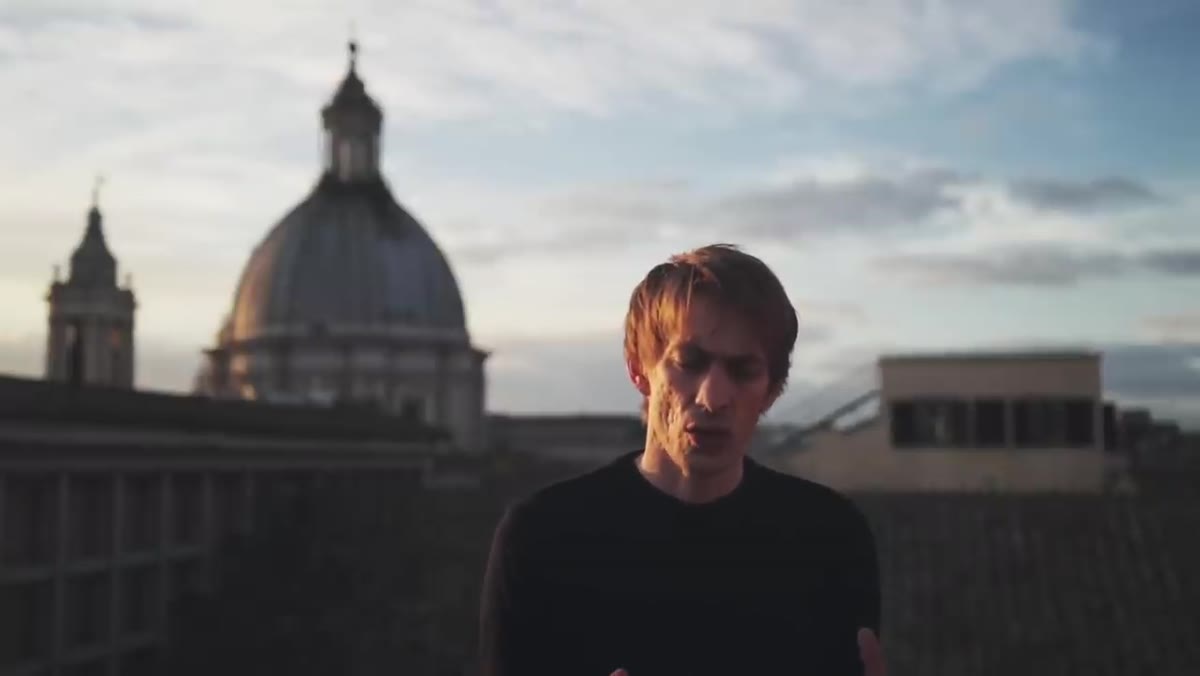 Tucker reviewing a body of work and redefining his approach
After consistently shooting for months, Tucker noticed his images didn’t fit the classic street photography mold. They were street-adjacent, urban, observational. Pieces of the genre were there, but most of it was something more personal. Instead of forcing his work into a box, he let the work redefine the box.
Tucker reviewing a body of work and redefining his approach
After consistently shooting for months, Tucker noticed his images didn’t fit the classic street photography mold. They were street-adjacent, urban, observational. Pieces of the genre were there, but most of it was something more personal. Instead of forcing his work into a box, he let the work redefine the box.
Pull up six months of your own photos and look for patterns. What draws your eye? Geometry? Light? People at a distance? Signs and texture? Your honest instincts, repeated over hundreds of outings, will tell you more about your actual style than any genre label will.
Step 4: Stop Looking for a Trick to Make Discomfort Disappear
 Tucker speaking directly to camera about the reality of photographing strangers
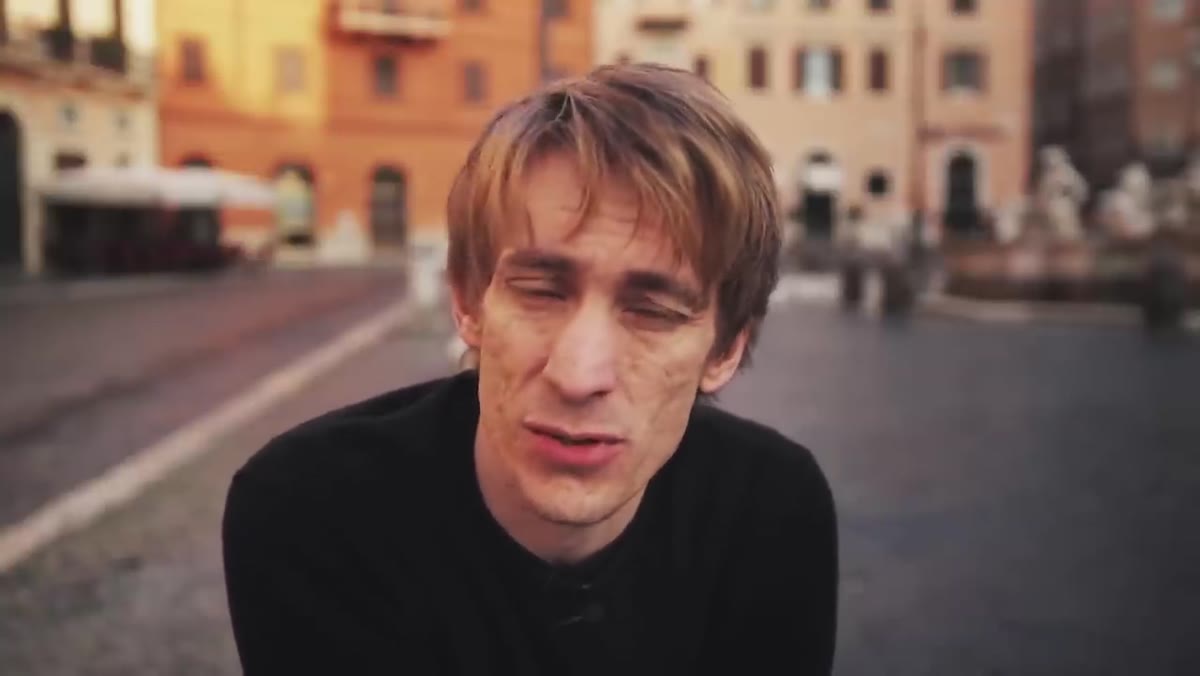
Tucker tells a funny and slightly awkward story about being hustled in Shoreditch by a man who offered to be photographed, then immediately asked for five pounds. Two friends appeared wanting the same deal. Tucker paid, left, and decided that kind of interaction just wasn’t for him. The photo was fine. The experience was not.
Tucker speaking directly to camera about the reality of photographing strangers
Tucker tells a funny and slightly awkward story about being hustled in Shoreditch by a man who offered to be photographed, then immediately asked for five pounds. Two friends appeared wanting the same deal. Tucker paid, left, and decided that kind of interaction just wasn’t for him. The photo was fine. The experience was not.
His takeaway is worth sitting with: there is no trick that makes photographing strangers comfortable. If you want to shoot candid portraits on the street, you have to accept discomfort as part of the job. Rejection will happen. Awkward standoffs will happen. If you’re okay with that, lean into it. If you’re not, that’s valid too. The important thing is to stop waiting for someone to hand you a hack that makes a genuinely difficult social situation easy.
Step 5: Give Yourself Permission to Shoot Anonymously
 Tucker discussing walking around unnoticed with a small camera
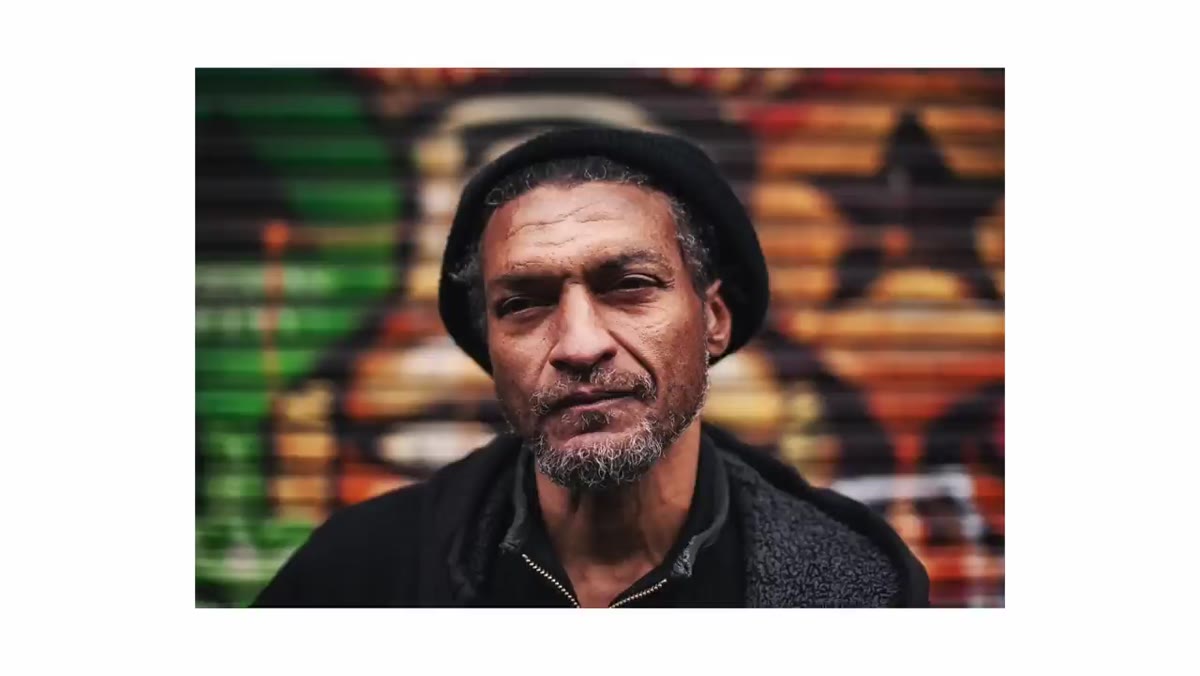
One of Tucker’s key practical choices is the Fujifilm X-T20, a compact mirrorless camera that reads less like a “professional” camera to people on the street. He prefers to move through spaces without drawing attention, shooting what interests him without negotiating for access or permission.
Tucker discussing walking around unnoticed with a small camera
One of Tucker’s key practical choices is the Fujifilm X-T20, a compact mirrorless camera that reads less like a “professional” camera to people on the street. He prefers to move through spaces without drawing attention, shooting what interests him without negotiating for access or permission.
This is an underrated approach for photographers who are introverted or conflict-averse. A smaller camera, dressed-down clothes, and a slow pace make you far less conspicuous than a photographer loaded up with a big DSLR and a long zoom. You don’t have to be invisible to be unobtrusive. You just have to stop signaling that you’re on a mission.
Step 6: Broaden What You Count as “Street”
 Tucker walking through Rome streets with the X-T20
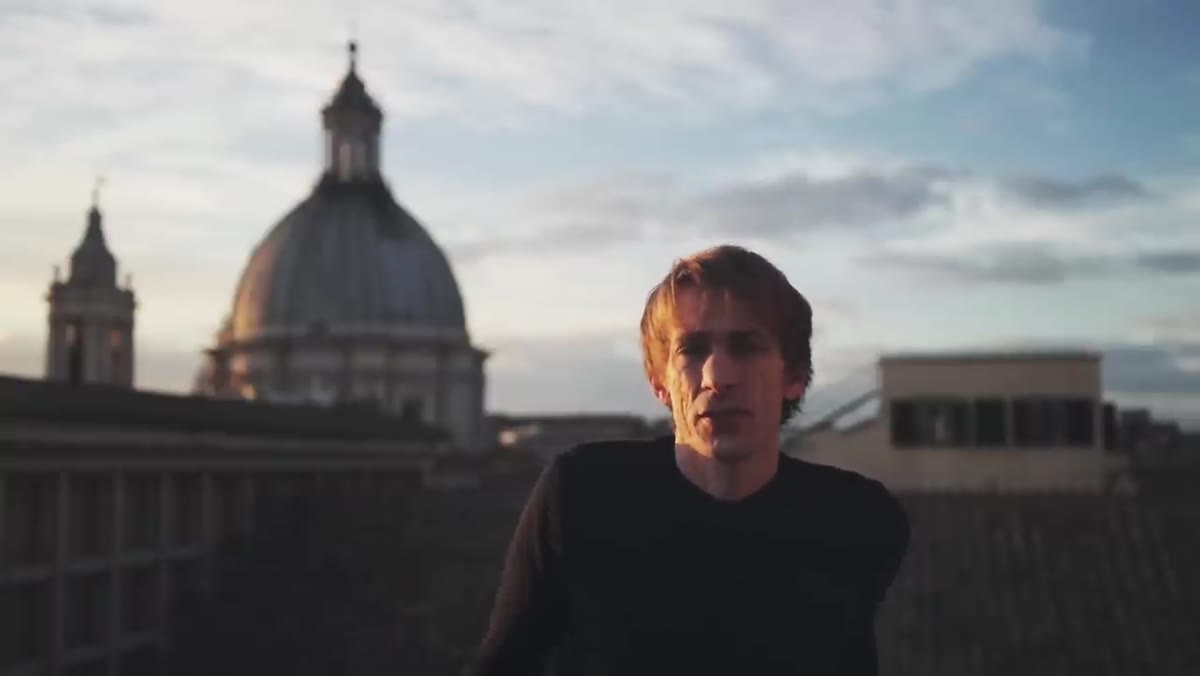
Tucker’s Rome footage isn’t full of the decisive-moment crowd shots you’d see in a Henri Cartier-Bresson retrospective. He’s shooting architecture details, light falling across cobblestones, a doorway, the shape of a shadow. It’s street photography in the sense that it’s life observed in public space.
Tucker walking through Rome streets with the X-T20
Tucker’s Rome footage isn’t full of the decisive-moment crowd shots you’d see in a Henri Cartier-Bresson retrospective. He’s shooting architecture details, light falling across cobblestones, a doorway, the shape of a shadow. It’s street photography in the sense that it’s life observed in public space.
Actively widen your definition. Shoot the menu board outside a restaurant. Shoot the reflection in a shop window. Shoot the pigeon and the tourist and the gap between them. The “street” is just the world outside your door. Once you stop waiting for the perfect human-interest moment, you start seeing that interesting images are everywhere.
What I’d Add: Make the Walk the Point, Not the Outcome
Tucker’s philosophy resonates with me because it centers the practice over the result. My Sunday walks have been most productive when I stop trying to come home with a hero shot. The days I’m just moving through a neighborhood, noticing things, staying curious. Those are the days I come home with something genuinely surprising.
One adjustment I’d suggest is to separate your “shooting walk” from your “editing walk” mentally. Go out with the sole intention of being present and observant. Don’t preview shots obsessively on your screen. Keep moving. The reviewing and culling happens at home. Keeping those two modes separate has helped me stay in a relaxed, receptive state while I’m actually out shooting.
The single biggest idea Tucker leaves you with is this: street photography is not a set of rules you have to follow. It’s a relationship you develop with your immediate world, shaped entirely by who you are and what you notice. You don’t have to photograph strangers. You don’t have to own a Fujifilm. You don’t have to be in Rome.
You just have to go outside and pay attention.
Watch the full tutorial on YouTube and see how Tucker’s approach plays out across the streets of Rome. It’s one of those videos that changes how you think more than it changes what you do.
Comments
Leave a Comment