How to Stop Being Invisible and Start Owning the Street: Body Language Lessons from a Pro

How to Stop Being Invisible and Start Owning the Street: Body Language Lessons from a Pro

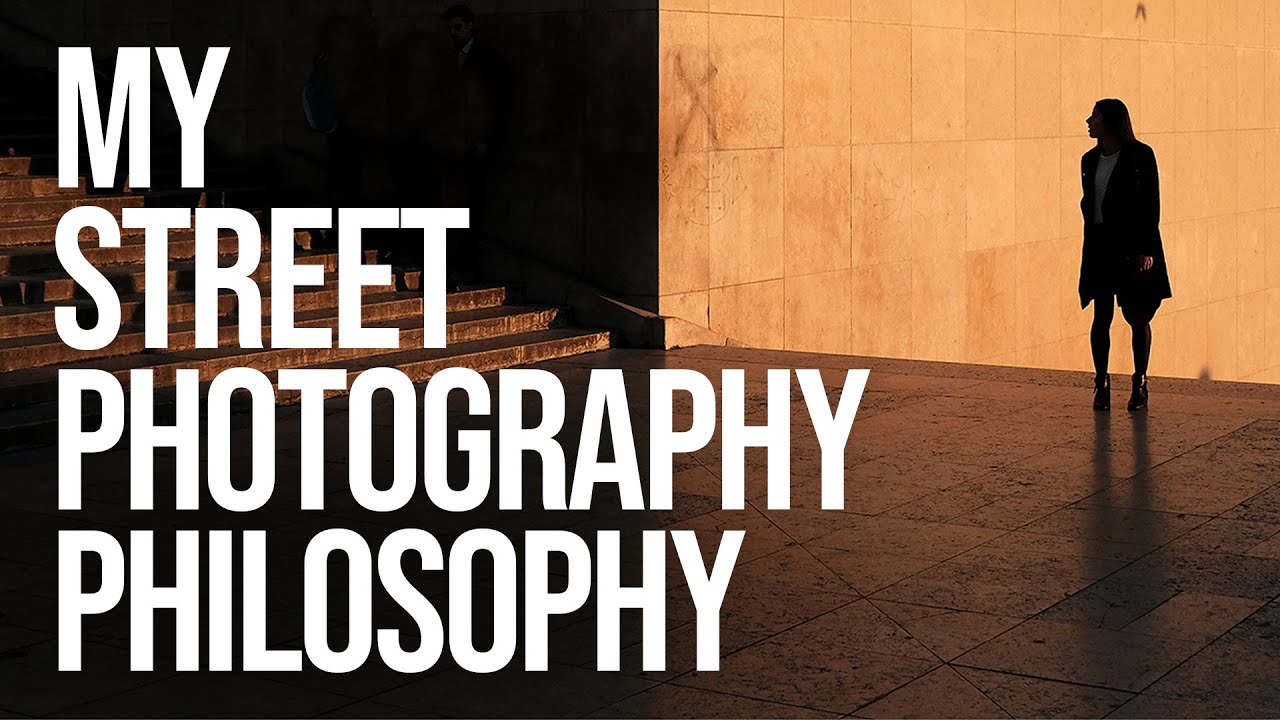
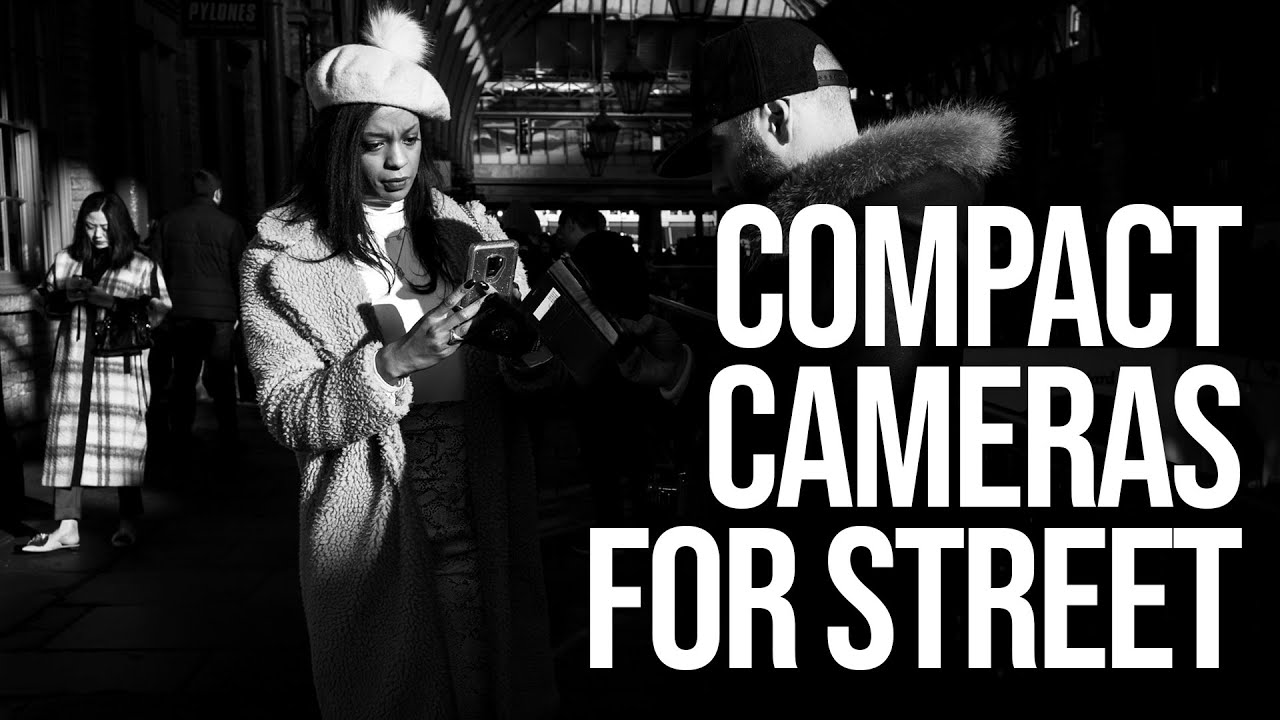
There is a specific kind of photograph I have almost never taken, and for years I told myself it was a style choice. I preferred quiet, graphic, geometry-forward street work. Clean lines, long shadows, anonymous silhouettes. Honestly, some of that is true. But if I’m being real, some of it was also avoidance. Getting close to strangers with a camera strapped around your neck is uncomfortable, and if you can build an aesthetic identity around not doing the scary thing, it’s easy to convince yourself you’re being intentional when you’re actually just being cautious.

Why You're Probably Wrong About Your Best Photos (And What to Do About It)

Why You're Probably Wrong About Your Best Photos (And What to Do About It)

I used to think I was the most qualified person in the room to judge my own photos. They came from my brain, my eye, my instinct on a given morning. Who could possibly understand them better than me? It took a few humbling conversations with other photographers before I started to question that assumption, and I’m still unlearning it. That’s exactly why this particular tutorial hit me so hard.

3 Photography Fundamentals Hidden in a Deck of Cards (And Why They Still Matter)

3 Photography Fundamentals Hidden in a Deck of Cards (And Why They Still Matter)

There’s something I’ve noticed after years of teaching photography: the basics never stop being useful. They just stop feeling exciting. Negative space, golden hour, shooting local characters. These concepts show up in every beginner’s guide, get skimmed over, and then quietly become the foundation of every great shot someone eventually takes. The problem isn’t that photographers don’t know these ideas. It’s that nobody ever slows down long enough to make them feel real and actionable.

How to Edit Street Photography on Your Phone — A Full Mobile Workflow That Actually Works

How to Edit Street Photography on Your Phone — A Full Mobile Workflow That Actually Works

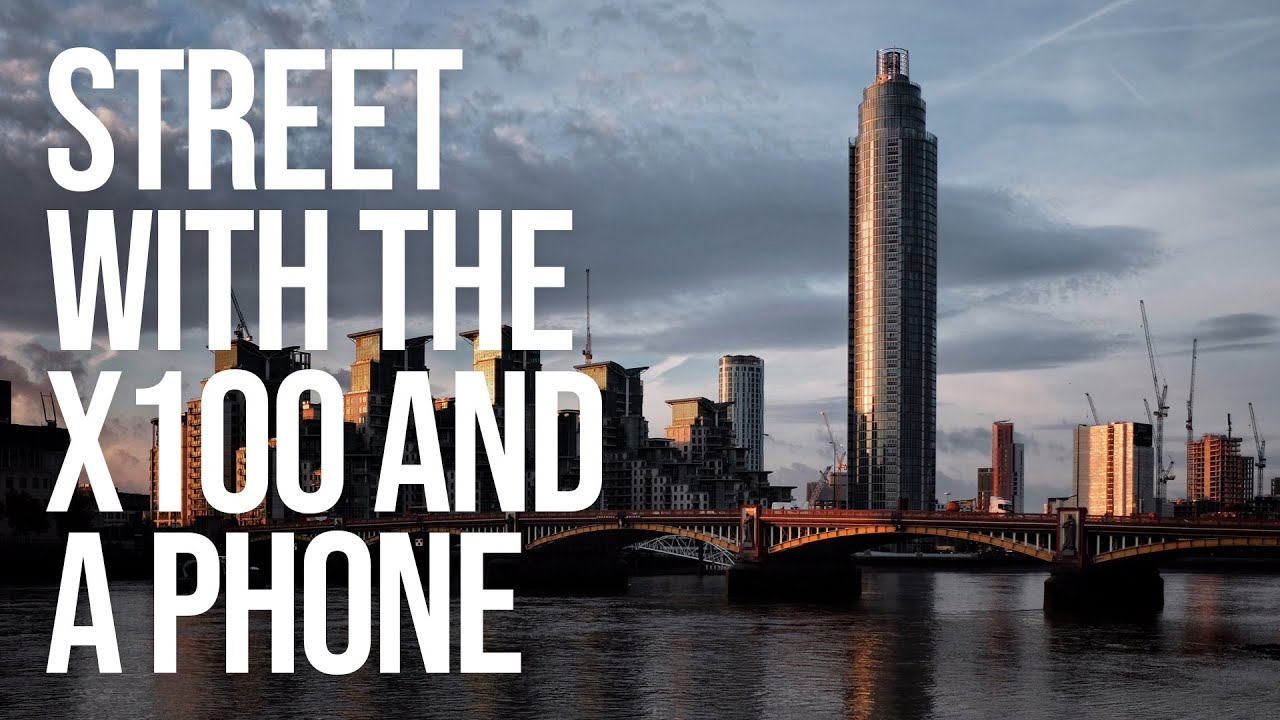
I used to be the person who would shoot all day, come home, dump files onto my laptop, and then stare at Lightroom for two hours wondering why editing felt like a second job. For travel work especially, that lag between capturing something and actually finishing it drives me crazy. So when I came across a tutorial by Sean Tucker specifically about editing raw street photos entirely on a phone, start to finish, I watched it twice in a row.

What Shooting Street Photography on Kodak Tri-X Taught Me About Slowing Down

What Shooting Street Photography on Kodak Tri-X Taught Me About Slowing Down

Every Sunday morning I take a photo walk through my neighborhood in Seattle. No agenda, no client, no assignment. Just me and whatever camera I feel like carrying. For the longest time I treated it as a warm-up, a way to shake the rust off before a “real” shoot. I’d come home with 200 frames and maybe feel good about three of them. Fast and loose, spray and pray. Then I watched Watch the full tutorial on YouTube, where Sean Tucker introduces Hong Kong-based film street photographer Mavis CW and spends time unpacking why her approach to film changes the entire relationship a photographer has with a scene.

How to Shoot Candid Street Portraits That Actually Look Like Portraits

How to Shoot Candid Street Portraits That Actually Look Like Portraits

There’s a specific kind of street photo I used to think was just luck: a single person, sharp against a blurred background, completely unaware of the camera, yet somehow looking like a deliberate portrait. Every time I saw one I’d wonder, “How did they get that without the person posing?” I’d tried the walk-up-and-ask method before and loved it, but the results always had that slight stiffness of someone who knows a lens is pointed at them.

Using Your Camera as a Compass: What Ian Howorth Taught Me About Photographing Places You Don't Fully Understand Yet

Using Your Camera as a Compass: What Ian Howorth Taught Me About Photographing Places You Don't Fully Understand Yet

There’s a specific kind of restlessness I feel when I visit a new city and I can’t quite put my finger on what makes it itself. I’ve been in that situation more times than I can count, standing on a corner in some neighborhood I don’t know, camera in hand, unsure whether I’m seeing something worth capturing or just projecting my own expectations onto ordinary streets. It’s not a technical problem.

How to Hunt Reflected Light for Stronger Street Photos (Lessons from Sean Tucker)

How to Hunt Reflected Light for Stronger Street Photos (Lessons from Sean Tucker)

Every Sunday morning I do a photo walk through Seattle. It doesn’t matter if it’s drizzling (it usually is). What I’m always looking for, more than a good subject or an interesting corner, is light that’s doing something unexpected. For a long time I couldn’t explain why some mornings felt electric and others felt flat, even when the subjects and locations were basically the same. The answer, almost every time, came down to reflected light, and whether I’d trained my eye to see it before I raised the camera.

The Contact Sheet Mindset: What Street Photography Pros Do Between the Shots You Never See

The Contact Sheet Mindset: What Street Photography Pros Do Between the Shots You Never See

Every Sunday morning I take a photo walk through whatever neighborhood I happen to wake up in. I’ve been doing it for years. And for most of those early years, I came home frustrated. I’d shoot for two hours, import everything, and feel like I had nothing. Not because I wasn’t trying hard enough, but because I had this completely wrong idea of what a productive shoot actually looks like. I thought the photographers I admired were just… better at seeing.

What Alex Webb Taught Me About Actually Seeing Color (And Why I Finally Stopped Hiding Behind Black and White)

What Alex Webb Taught Me About Actually Seeing Color (And Why I Finally Stopped Hiding Behind Black and White)

For a long time, I defaulted to black and white whenever I felt unsure. Desaturate the image, lean into contrast and shadow, and suddenly everything looked intentional. It was a crutch I didn’t even know I was holding until I started noticing how many of my color shots felt flat and almost accidental, like color was just something that happened to be there instead of something I was actually working with.

Is the Sony RX1R III Actually Worth It as an Everyday Camera? Here's What One Shoot Taught Me

Is the Sony RX1R III Actually Worth It as an Everyday Camera? Here's What One Shoot Taught Me

Every few months I drag a different camera on my Sunday morning photo walk just to shake up my thinking. Last week I watched Pierre T. Lambert do essentially the same thing on video, except his walk involved a very photogenic dog and a downtown cityscape, and the camera in question was the brand-new Sony RX1R III. The video is bluntly titled “This ’everyday’ camera may be a mistake!” and it delivers exactly the kind of honest, in-the-field assessment I wish more gear coverage would give us.

Street Photography Ethics and Techniques

Street Photography Ethics and Techniques

Street photography sits at a unique intersection of art, documentation, and ethics. You’re capturing real people in real moments, often without their knowledge or consent. Doing it well requires both technical skill and a thoughtful approach to the people you photograph. The Ethical Framework Street photography in public spaces is legal in most countries. But legal and ethical aren’t the same thing. Here’s the framework I use. Respect dignity. Don’t photograph people in moments of vulnerability, distress, or embarrassment for entertainment value.