Scout Like a Pro: Peter McKinnon's Framework for Shooting High-Stakes Live Events

Scout Like a Pro: Peter McKinnon's Framework for Shooting High-Stakes Live Events

There’s a specific kind of pressure that shows up when you’re photographing something that cannot be repeated. A live stunt. A wedding ceremony. A sunrise that’s only happening once. I’ve felt it standing at a waterfall at 6 AM, soaking wet, telling myself I had one shot before the light moved. No reshoot, no “let me just try one more angle.” That pressure either makes your prep airtight or it exposes every shortcut you took.
Stop Hunting for the Shot: Why Emotion Is the Real Key to Stronger Photography

Stop Hunting for the Shot: Why Emotion Is the Real Key to Stronger Photography

I spent an entire vacation chasing a specific waterfall shot. I had the angle mapped out, the forecast bookmarked, the ND filter ready. I missed dinner four nights in a row. And the photo I ended up being most proud of from that trip? A blurry phone snapshot I took of fog rolling over a mountain ridge while I was hiking back to the car, defeated and hungry. I didn’t plan it.

What Australian Wildlife Photography Taught Me About Seizing the Perfect Shot

What Australian Wildlife Photography Taught Me About Seizing the Perfect Shot

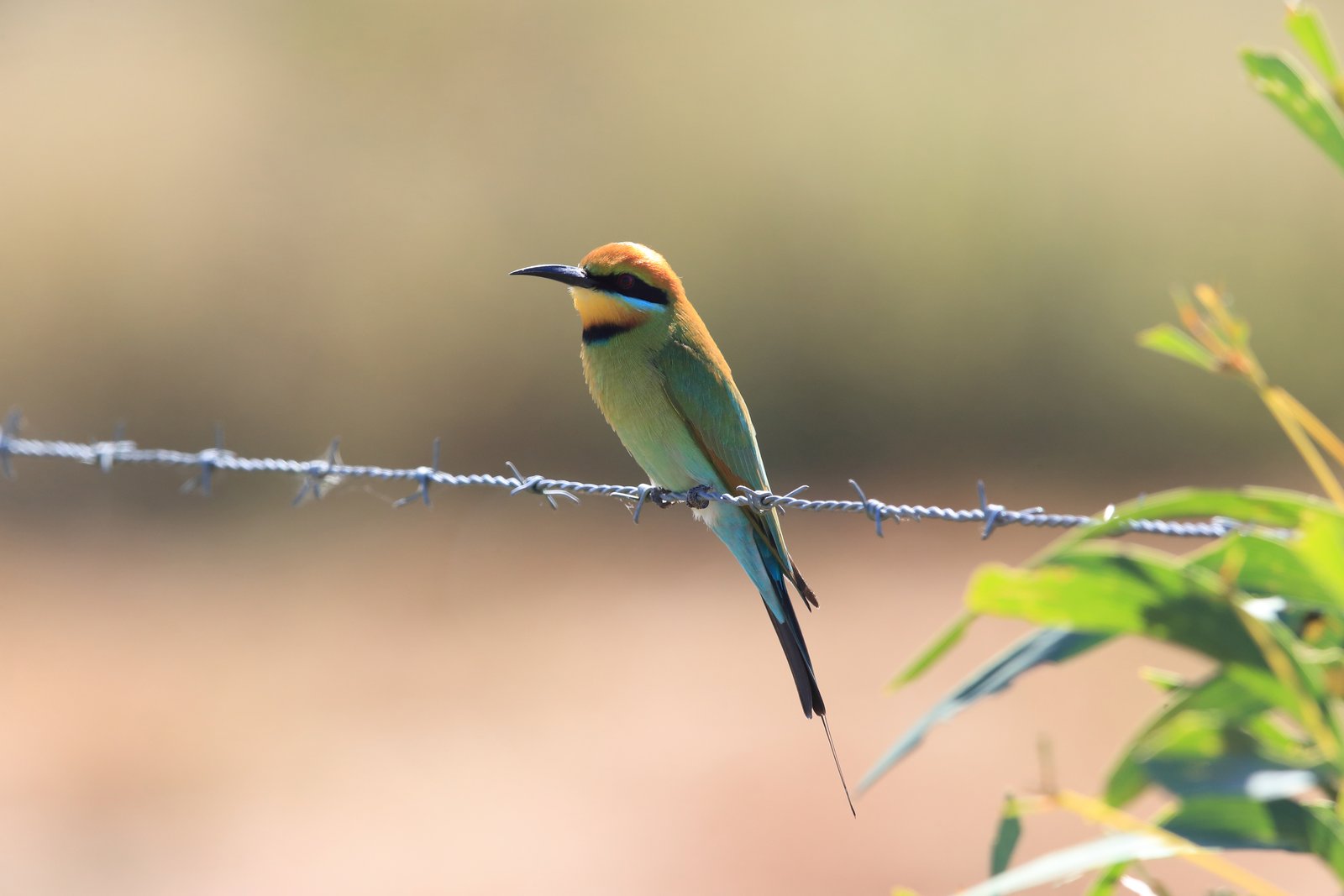
Learning from Nature’s Most Unpredictable Subjects I recently returned from an extended photography expedition across Australia, where I spent weeks documenting the country’s remarkable bird species. While the experience yielded stunning images, the real value came from the unexpected lessons these creatures taught me about fundamental photography principles. Wildlife photography, particularly with birds, forces you to confront one of the hardest truths in our craft: you cannot always control your subject or the moment.

Stop Fighting the Chaos: How to Actually Compose Forest Photographs

Stop Fighting the Chaos: How to Actually Compose Forest Photographs

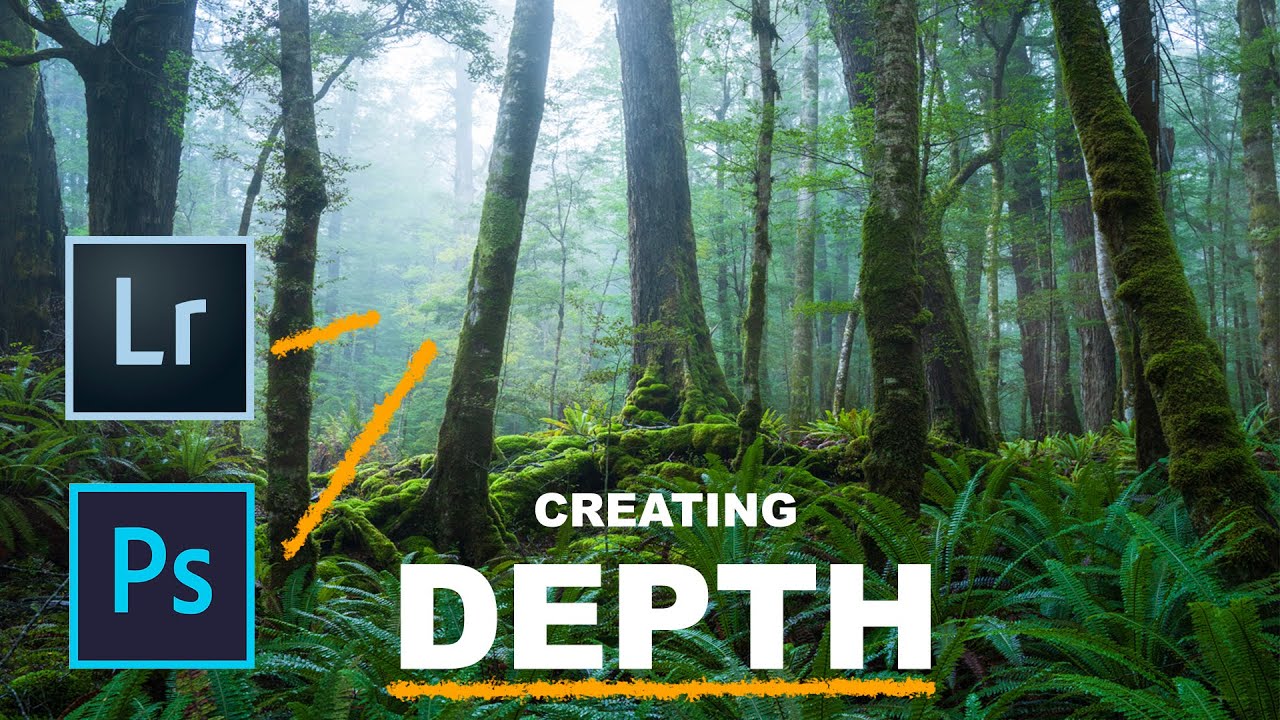
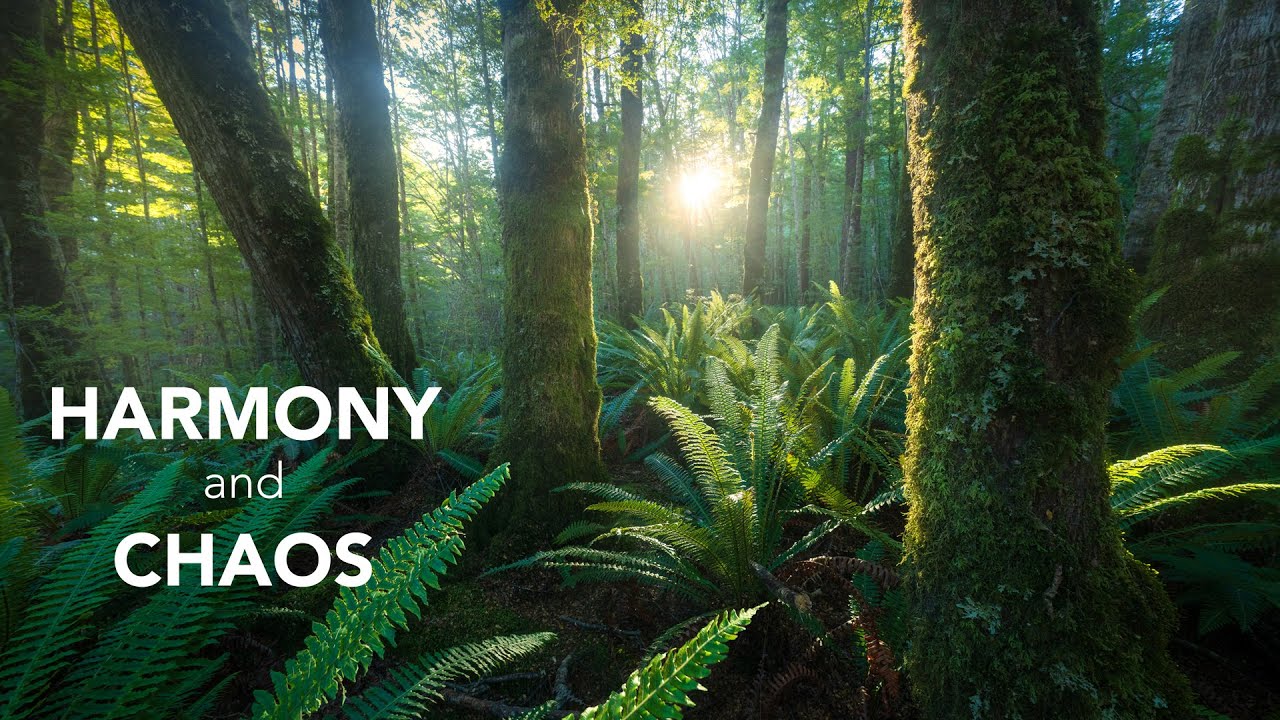
Forest scenes break my brain every single time. I’ve stood at the edge of a dense woodland on my Sunday morning photo walks, looked into that wall of trunks and branches and moss, and felt absolutely paralyzed. It’s not like shooting at the coast, where the lighthouse or the sea stack basically tells you where to point your camera. In the forest, everything is competing for attention, and nothing is obviously “the subject.

Four Things Standing Between Your Phone and Better Landscape Photos

Four Things Standing Between Your Phone and Better Landscape Photos

I still shoot on my phone more than most people expect from someone who makes a living with a camera. Sunday morning photo walks, quick grabs when the light does something unexpected, or just to remind myself that gear is rarely the real problem. What’s usually the problem is not having a clear framework for the decisions that happen before you tap the shutter. That’s exactly what makes this tutorial so useful.

Why Small Framing Decisions Make or Break a Landscape Shot

Why Small Framing Decisions Make or Break a Landscape Shot

Every Sunday morning I take a photo walk through whatever neighborhood I happen to be in. No agenda, no client, no brief. Just me and whatever camera I grabbed on the way out the door. And almost every single time I come home with at least one shot that frustrates me, not because the light was wrong or the gear failed, but because I can tell something is slightly off and I can’t name it fast enough to fix it in the field.

How to Read a Seascape Scene Before You Shoot: Lessons from Bombo Quarry

How to Read a Seascape Scene Before You Shoot: Lessons from Bombo Quarry

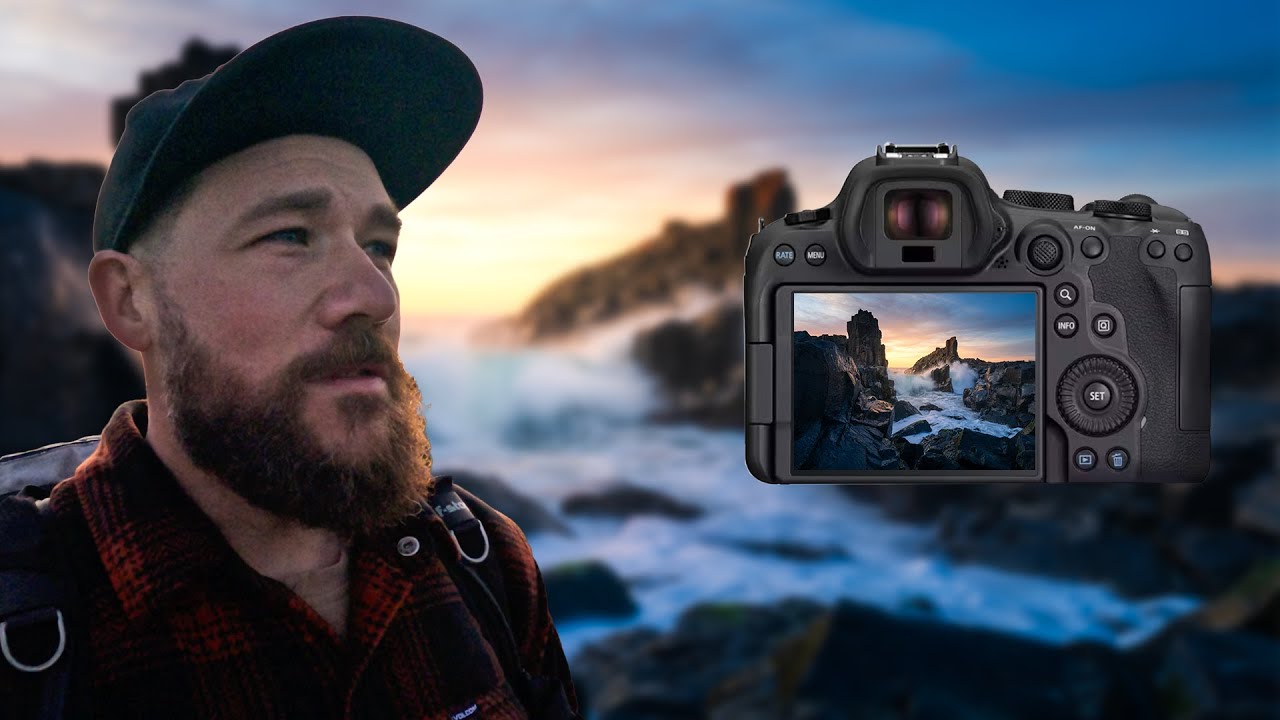
There’s a particular kind of paralysis that hits me at dramatic coastal locations. Too many foreground options, water that won’t stay still, light that’s changing every thirty seconds. I either freeze up and shoot the “obvious” frame everyone else shoots, or I move too fast and miss the moment entirely. What I’ve needed, for a long time, is a reliable process for reading a scene before committing to a shot.

Stop Overcomplicating Your Landscape Shots: Composition Lessons From a Pro Who's Been There

Stop Overcomplicating Your Landscape Shots: Composition Lessons From a Pro Who's Been There

Every Sunday morning I do a photo walk. No agenda, no client brief, just me and whatever light shows up. And for a long time, those walks felt frustrating because my images looked cluttered, busy, like I was trying to say ten things at once. I knew something was off with my compositions but I couldn’t name what. Turns out I was skipping the most fundamental step entirely. That’s exactly what stopped me mid-scroll when I found this tutorial by New Zealand-based landscape photographer and educator William Patino.

How to Photograph a Hidden Waterfall: Depth, Framing, and the Art of Slowing Down

How to Photograph a Hidden Waterfall: Depth, Framing, and the Art of Slowing Down

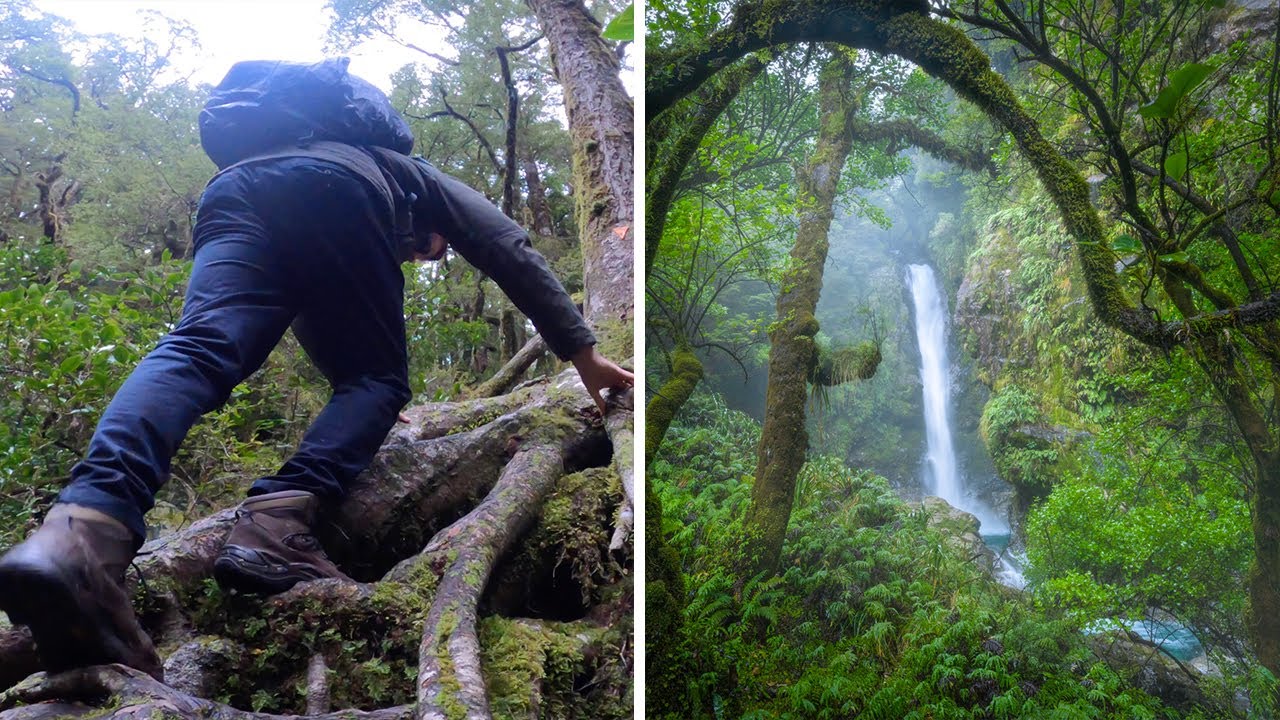
I’ve spent an embarrassing amount of time standing at the base of a waterfall convinced that being right there was the best position. Closer is better, right? More impact? It took me years, a ruined vacation, and a lot of mediocre shots before I understood that proximity is usually the enemy of a great landscape frame. The foreground, midground, and background all have to earn their place in the image, and waterfall photography is where that lesson hits hardest.

How to Photograph Wildflowers in Moody Weather (Lessons from a New Zealand Lupine Shoot)

How to Photograph Wildflowers in Moody Weather (Lessons from a New Zealand Lupine Shoot)

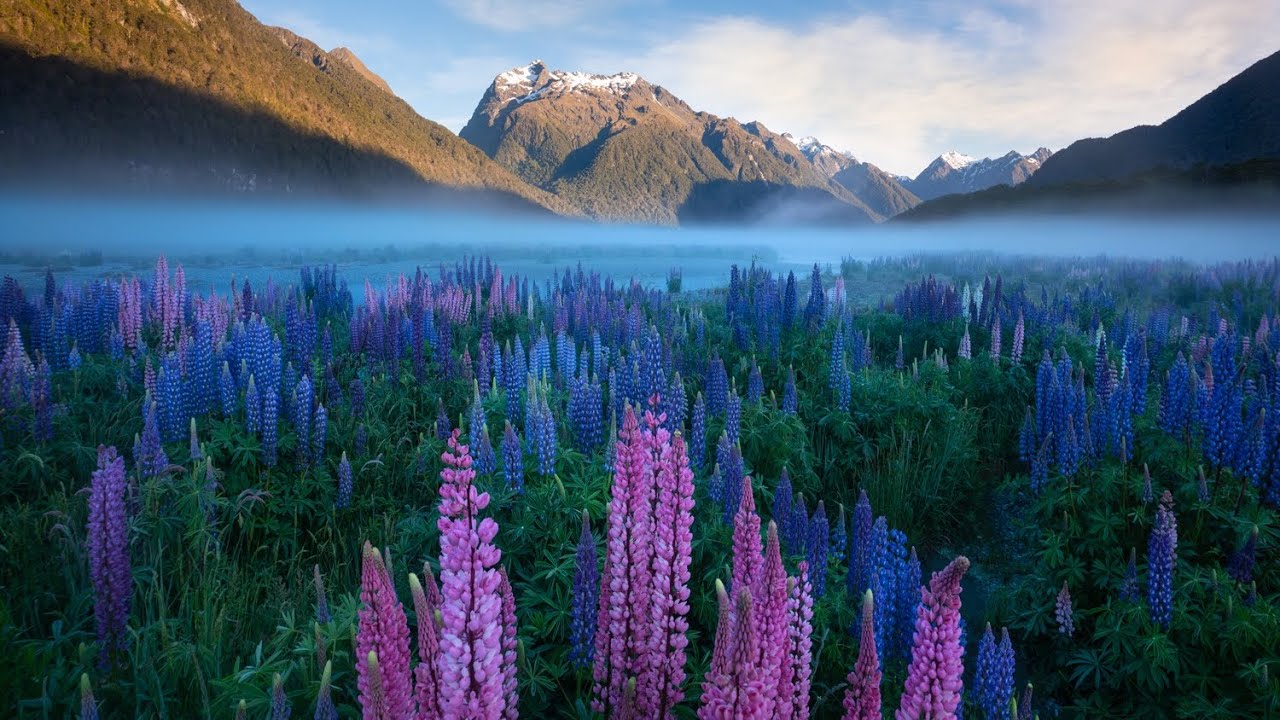
There’s a specific kind of morning I used to talk myself out of. Sky looks rough, the light seems flat, and staying in bed feels like the rational choice. It wasn’t until I started studying how working landscape photographers actually make decisions in the field that I realized how much I was leaving on the table by waiting for “perfect” conditions. In this William Patino tutorial shot in New Zealand’s South Island, he walks through a full lupine photography session that starts in fog and near-darkness and ends with a rainbow hanging over a mountain range.

The Storyboard Method: How to Shoot More Intentionally and Come Home With Images That Actually Tell a Story

The Storyboard Method: How to Shoot More Intentionally and Come Home With Images That Actually Tell a Story

Every Sunday morning I do a photo walk. No agenda, no client brief, just me and whatever lens I feel like carrying. And for years, I would come home from those walks with maybe one image I liked. One. Out of two hours of shooting. I used to chalk it up to the conditions being off, or the light not cooperating, but honestly? The problem was my process. I would find a scene I loved, plant myself in front of it, fire off a bunch of nearly identical frames, and call it done.

How to Actually See the Forest (And Stop Forcing Shots That Aren't There)

How to Actually See the Forest (And Stop Forcing Shots That Aren't There)

Forest photography has a way of humbling you fast. I’ve walked into beautiful woodland scenes with a full bag of gear and walked out with nothing I wanted to keep. The problem was never the forest. It was me, rushing, forcing compositions that looked good in my head but fell flat on the sensor. I’d frame up a shot, decide it wasn’t working, move twenty feet, try again, and repeat until the light was gone.