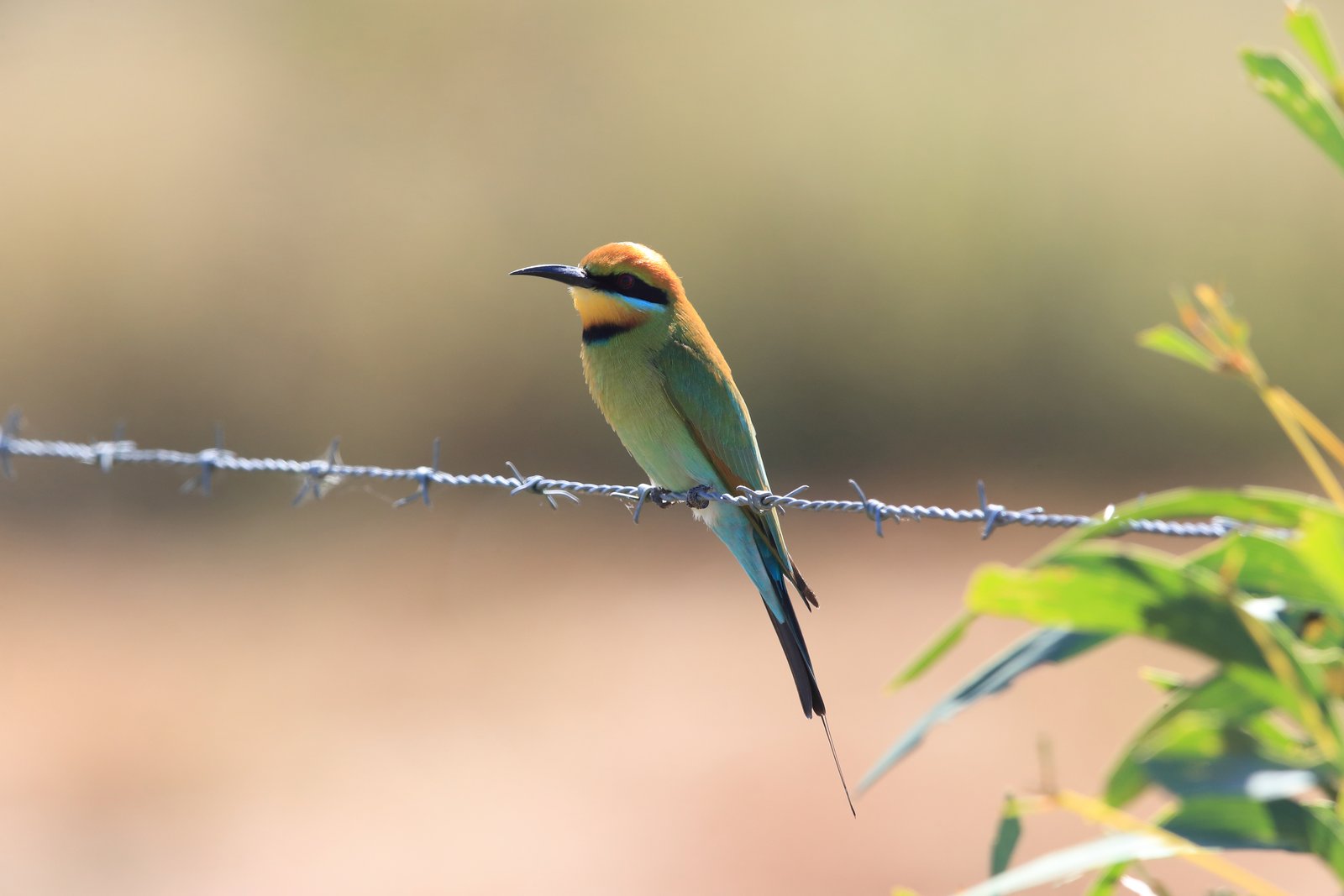
Learning from Nature’s Most Unpredictable Subjects
I recently returned from an extended photography expedition across Australia, where I spent weeks documenting the country’s remarkable bird species. While the experience yielded stunning images, the real value came from the unexpected lessons these creatures taught me about fundamental photography principles.
Wildlife photography, particularly with birds, forces you to confront one of the hardest truths in our craft: you cannot always control your subject or the moment. But within that chaos lies an opportunity to refine your skills and develop a photographer’s mindset that translates across every genre.
The Kookaburra’s Lesson in Readiness
One encounter in particular stood out. I was tracking a Laughing Kookaburra when it suddenly perched in ideal light, perfectly positioned against a clean background. The moment lasted mere seconds before it flew away, but I captured the shot because I was prepared.
This taught me three critical things:
-
Technical preparation matters more than luck. I had already dialed in my camera settings based on the lighting conditions and my subject’s typical behavior. When the moment arrived, I didn’t waste time adjusting aperture or shutter speed.
-
Positioning yourself strategically creates opportunities. Rather than randomly wandering, I positioned myself where light, background, and probable bird behavior intersected. Good composition often requires anticipation, not just reaction.
-
Decisive action beats hesitation. I took multiple frames rapidly without second-guessing myself. In wildlife photography, your window closes fast. That confidence comes from practice and knowing your equipment inside and out.
Beyond Birds: Universal Principles
The kookaburra encounter revealed something applicable to any photography discipline. Whether you’re shooting portraits, landscapes, or street photography, the subjects and moments you’ll treasure most are those you’re ready to capture.
This readiness isn’t mystical talent—it’s preparation. It’s understanding your camera’s capabilities, studying your subject’s behavior patterns, and positioning yourself where opportunity is most likely to occur.
Starting Your Own Journey
If you’re new to wildlife photography, don’t feel intimidated by the unpredictability. Use it as motivation to strengthen your fundamentals. Master your camera’s autofocus system. Study animal behavior. Scout locations during less active hours. Build habits that reduce friction between intention and execution.
The birds won’t wait for you to be perfect. Neither will any meaningful photographic moment. What matters is showing up prepared to recognize and capture excellence when it appears.
Comments (1)
I've been looking for exactly this kind of tutorial. Perfect timing.
Leave a Comment