Stop Making These Beginner Photography Mistakes (A Breakdown of Peter McKinnon's Best Advice)

Stop Making These Beginner Photography Mistakes (A Breakdown of Peter McKinnon's Best Advice)

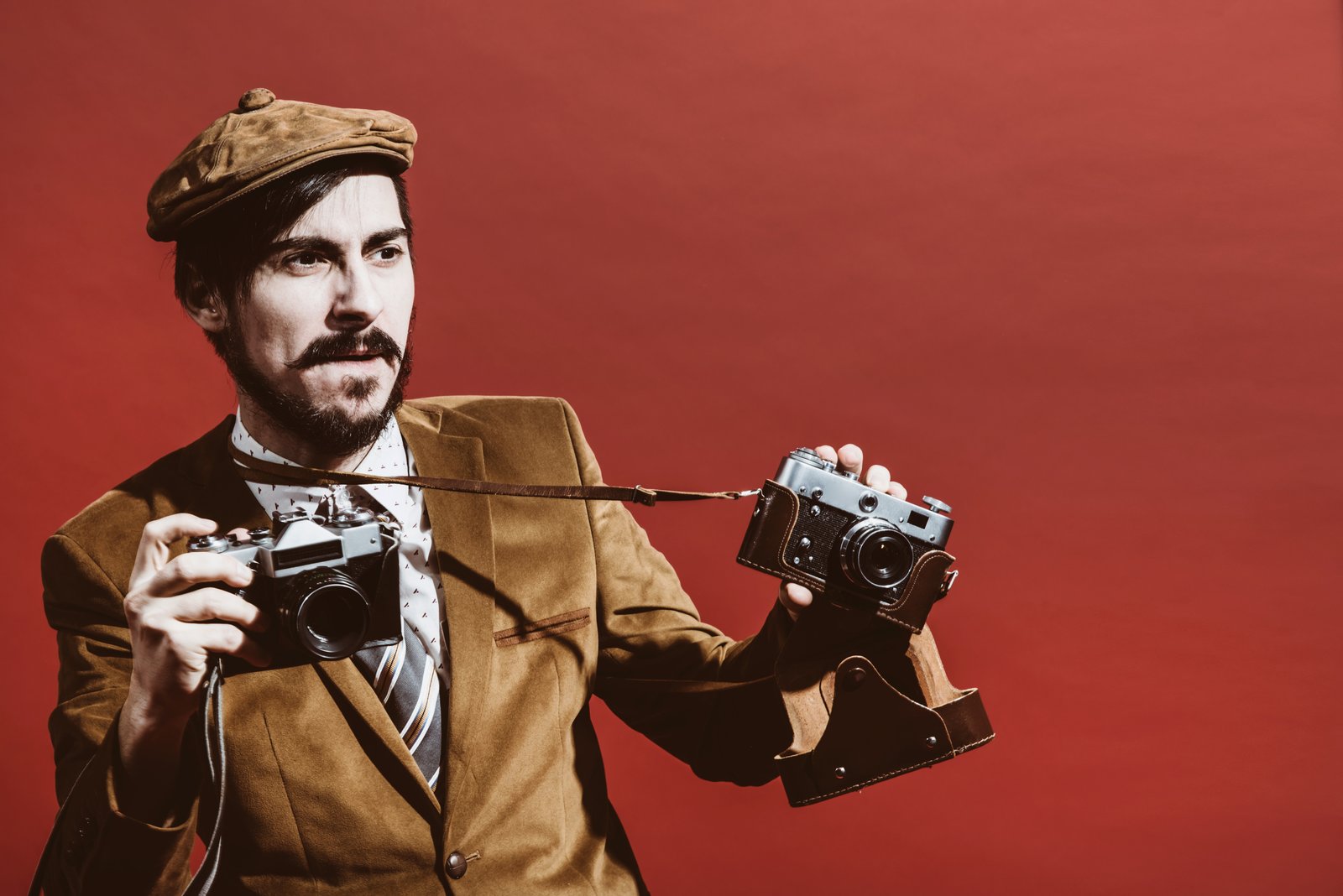
Every Sunday morning I do a photo walk through my neighborhood in Seattle. No agenda, no client, no pressure. Just me and whatever camera I feel like grabbing. And even after years of doing this professionally, I still catch myself making some of the same lazy habits I had when I first started. That’s why when I sat down with Watch the full tutorial on YouTube from Peter McKinnon, I found myself nodding along more than I expected.

Why Persistence Beats Portfolio: A Working Photographer's Breakdown of Joel Grimes' Career Advice

Why Persistence Beats Portfolio: A Working Photographer's Breakdown of Joel Grimes' Career Advice

I used to think that if I just got good enough, the work would come. Shoot more, edit better, post consistently, and clients would eventually find me. It took an embarrassingly long time, and more than a few months of tumbleweeds in my inbox, before I started questioning that assumption. The technical side of photography is learnable. The business side is where most of us quietly struggle and rarely talk about it.

How to Build a Signature Color Style (And Actually Stick to It)

How to Build a Signature Color Style (And Actually Stick to It)

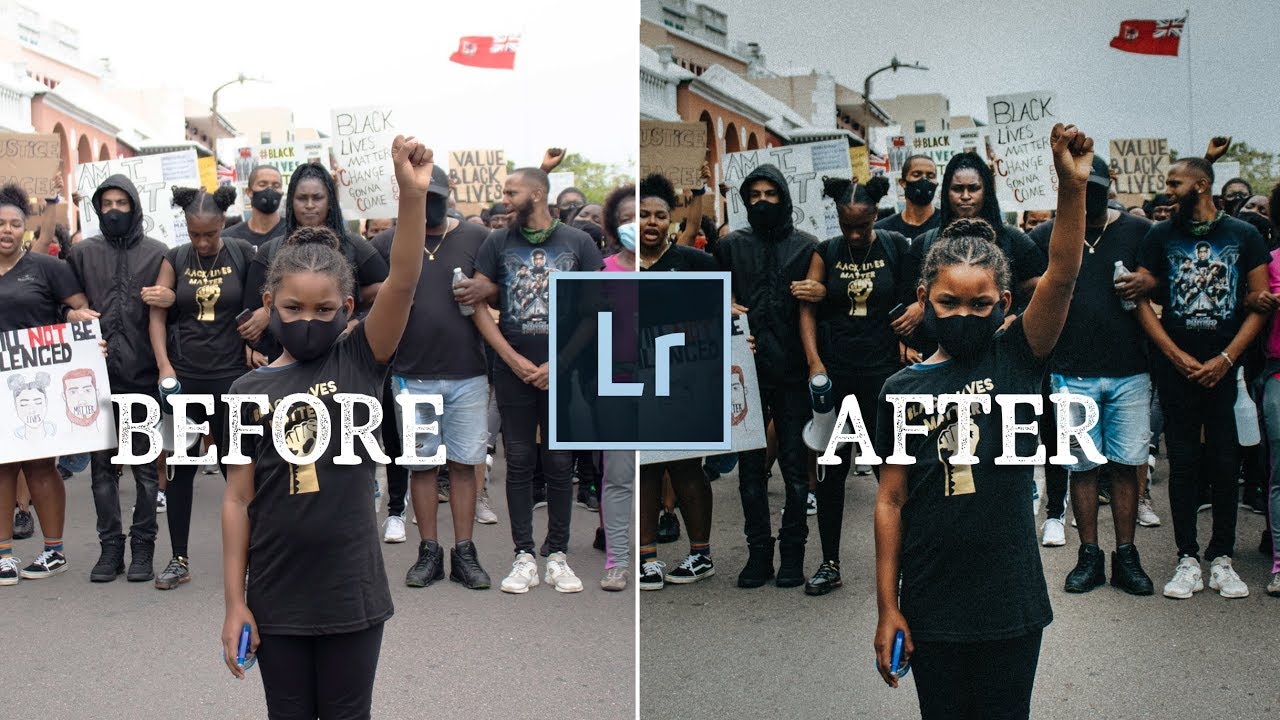
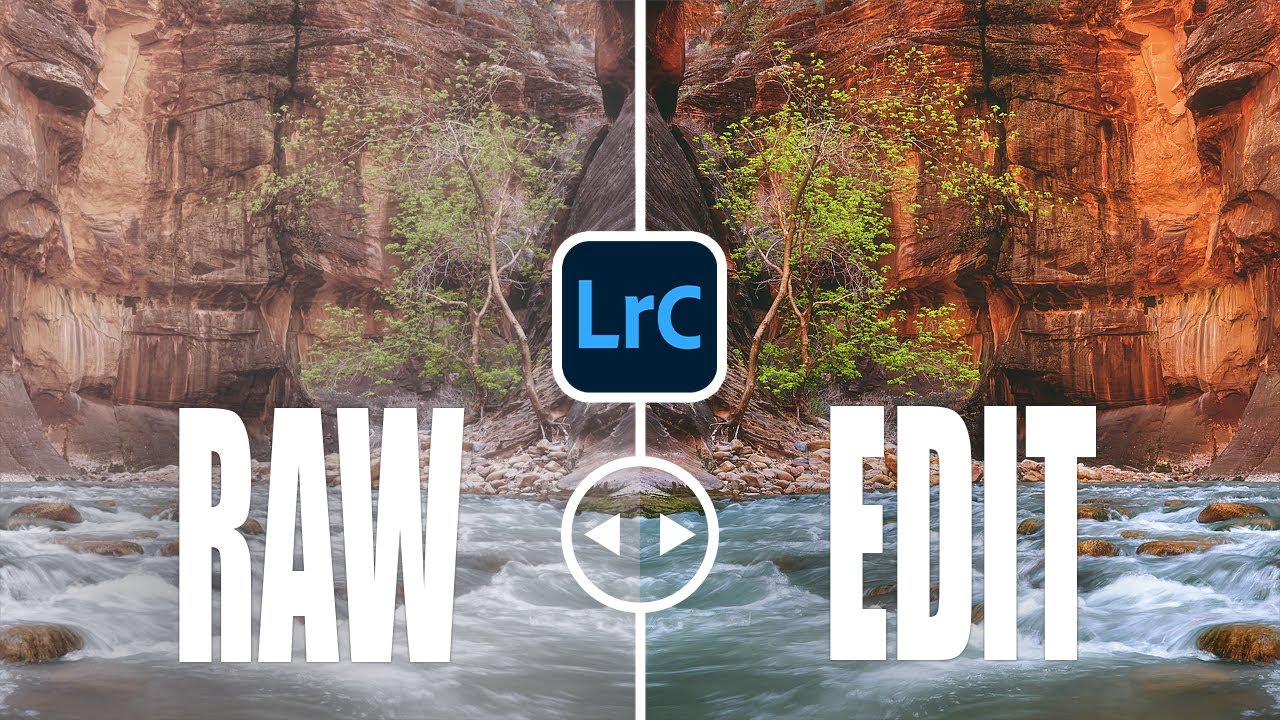
Every Sunday morning I do a photo walk around Seattle. Rain, shine, fog off the water — doesn’t matter. And for years, when I’d come home and open Lightroom, I’d edit each session like it was its own little world. Warm and golden one week, cool and moody the next, high contrast the week after that. Individually, the images looked fine. Together, they looked like four different photographers had taken them.

How to Find Your Photography's Story (What Jeff Bridges' Photo Book Taught Me)

How to Find Your Photography's Story (What Jeff Bridges' Photo Book Taught Me)

I have a confession: I spent about three years chasing the same kind of shot I kept seeing on Instagram. Same compositions, same color grades, same light. I thought I was developing a style. I was actually just borrowing everyone else’s. It wasn’t until I started pulling photography books off shelves, the physical kind, that something shifted in how I thought about making images. That’s exactly why this Peter McKinnon tutorial stopped me mid-scroll and made me want to write about it.

What Irving Penn Can Teach You About Breaking Your Own Photography Rules

What Irving Penn Can Teach You About Breaking Your Own Photography Rules

Every few months I’ll look back at a batch of portraits and feel like something is technically correct but emotionally flat. The exposure is good, the focus is sharp, the background is clean. And yet. There’s a version of this problem I spent years trying to name before I finally landed on it: I was making photographs the way I was taught to make photographs, not the way I actually saw things.

What a Knife Maker's Pockets Taught Me About Intentional Everyday Carry (And Why It Matters for Creatives)

What a Knife Maker's Pockets Taught Me About Intentional Everyday Carry (And Why It Matters for Creatives)

I used to throw whatever I needed into my bag every morning without thinking twice. A lens here, a battery there, my phone stuffed into whatever pocket had room. Then I’d get somewhere beautiful on a Sunday walk and realize I’d forgotten my AirPods, or my backup card, or the one thing I needed to actually enjoy the shoot. It sounds small until it happens enough times that it starts affecting your work.

What a 1977 Ford Truck Taught Me About Shooting with Character (And Why Your Subject's Story Is Half the Photo)

What a 1977 Ford Truck Taught Me About Shooting with Character (And Why Your Subject's Story Is Half the Photo)

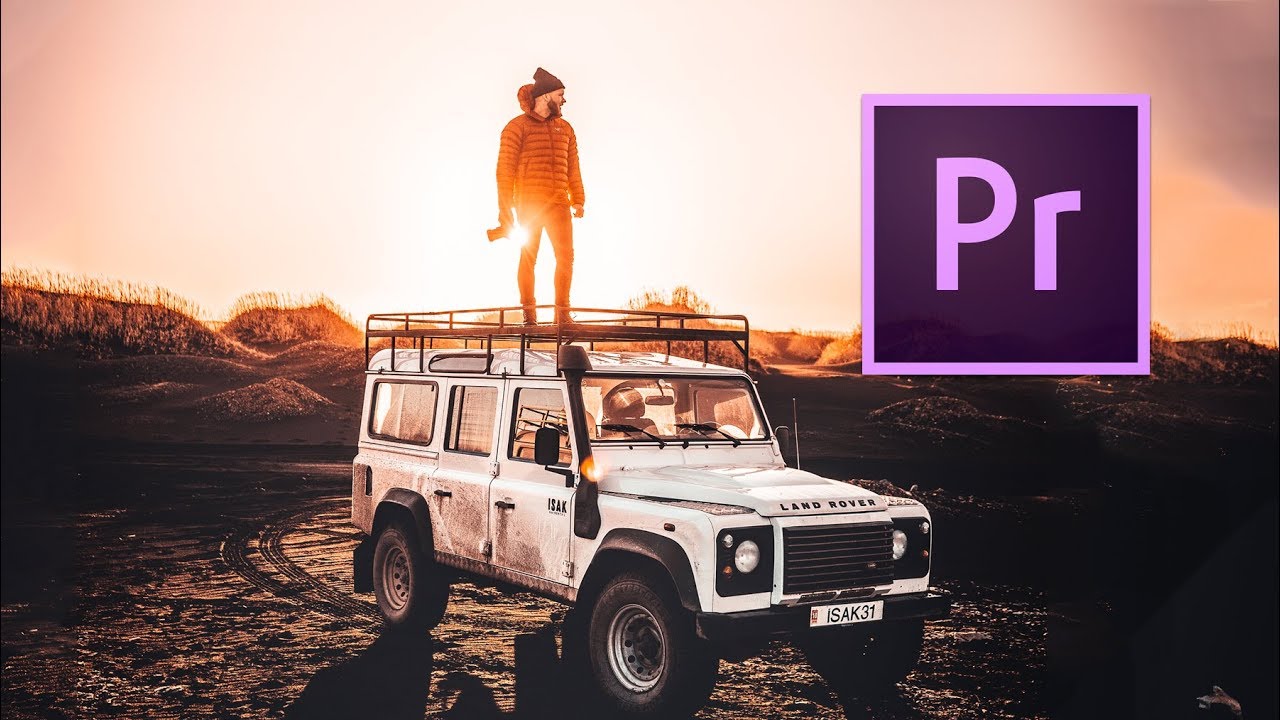
There’s a question I get asked constantly on my Sunday morning photo walks: “How do I make my photos feel like they mean something?” My honest answer is always the same. The feeling usually starts before you ever lift the camera. It starts with what you choose to photograph, and why that thing deserves a frame around it. Watch the full tutorial on YouTube In this Peter McKinnon video, what looks on the surface like a vlog about trading in an old truck is actually a quiet, practical lesson in something photographers struggle with all the time: identifying visual character in a subject, reading light and color under real-world conditions, and letting a subject’s imperfections become the story rather than something to work around.

What a High-Speed Professional APS-C Camera Could Mean for Your Photography

What a High-Speed Professional APS-C Camera Could Mean for Your Photography

What a High-Speed Professional APS-C Camera Could Mean for Your Photography I’ve been following some exciting whispers in the photography world, and I wanted to share what we might be seeing from Nikon very soon. According to reliable reports circulating through the industry, the company is preparing to launch a professional-grade APS-C camera that promises to be a real game-changer—and it could arrive within the next couple of months. The Game-Changing Specs Here’s what’s generating all the buzz: this camera is rumored to feature a 45-megapixel stacked sensor paired with a body engineered specifically for speed.

Shutter Speed for Waterfalls and Seascapes: What I Learned From Mark Denney's Approach

Shutter Speed for Waterfalls and Seascapes: What I Learned From Mark Denney's Approach

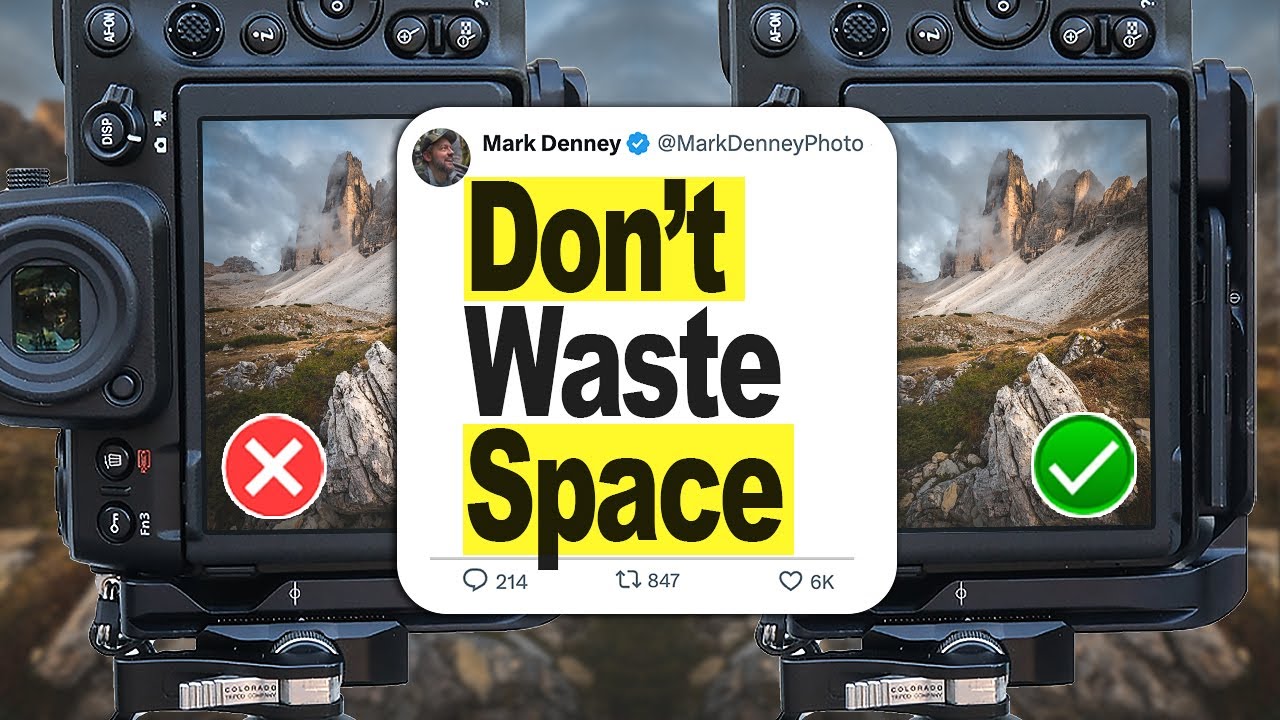
I once spent four consecutive evenings at the same waterfall on a trip to Oregon, missing dinner every night, trying to nail one shot. The water looked either too frozen or too smooth, and I kept second-guessing myself at the dial. The problem wasn’t my gear or even my composition. It was that I hadn’t actually decided what I wanted the water to look like before I pressed the shutter. I was guessing, and it showed.

How to Get Your Lightroom Presets onto Your Phone (And Actually Use Them)

How to Get Your Lightroom Presets onto Your Phone (And Actually Use Them)

I’ll be honest with you: some of my favorite photos I’ve ever taken were shot on my phone. My most-liked Instagram post to this day came from a $200 Android, which started a whole conversation about whether gear actually matters as much as we think. The answer, for the record, is no. But here’s what does matter: consistency in your editing style. And for a long time, that was the one thing I couldn’t carry with me when I left my camera at home.

How to Build a Photography Brand That People Recognize Before They See Your Name

How to Build a Photography Brand That People Recognize Before They See Your Name

There’s a question I get asked at almost every workshop I teach, and it usually comes from someone who’s technically solid but frustrated: “Why does my work all look… different?” They show me a portfolio and I can see the problem immediately. A moody street photo sits next to a bright, airy lifestyle shot, which sits next to a dramatic black-and-white portrait. All technically competent. None of it cohesive. And cohesion, it turns out, is everything when you’re trying to build a photography career or even just a reputation worth having.

Understanding F-Stops vs T-Stops: What Every Photographer Should Know

Understanding F-Stops vs T-Stops: What Every Photographer Should Know

Understanding F-Stops vs T-Stops: What Every Photographer Should Know If you’ve spent time researching lenses, you’ve probably noticed something interesting: your camera lenses are labeled with f-stops (like f/1.4 or f/2.8), while professional cinema lenses are marked with T-stops (like T1.5 or T2.9). At first glance, they seem interchangeable. But I’ve learned through my own exploration that these two measurements actually tell us different stories about how light travels through a lens.