I used to think that if I just got good enough, the work would come. Shoot more, edit better, post consistently, and clients would eventually find me. It took an embarrassingly long time, and more than a few months of tumbleweeds in my inbox, before I started questioning that assumption. The technical side of photography is learnable. The business side is where most of us quietly struggle and rarely talk about it.
That’s exactly why I keep coming back to Joel Grimes’ work. In this Joel Grimes tutorial, the second part of his “10 Steps to Becoming a Successful Photographer” series, he lays out the stuff photography school glosses over: rejection, persistence, and the specific mechanics of getting your name in front of the people who actually hire you. Watch the full tutorial on YouTube before or after reading this. Either way, I want to break down what he covers and add a few things I’ve learned the hard way along the way.
Step 1: Accept That Rejection Is Part of the Daily Job
 Joel Grimes speaking to camera about critics and rejection
Grimes opens with something most educators skip entirely: not everyone is going to like your work, and that is not a reflection of your talent. He frames rejection as an initiation rather than a verdict. Until you’ve been turned down enough times to feel it in your chest, you haven’t fully entered the professional world yet.
Joel Grimes speaking to camera about critics and rejection
Grimes opens with something most educators skip entirely: not everyone is going to like your work, and that is not a reflection of your talent. He frames rejection as an initiation rather than a verdict. Until you’ve been turned down enough times to feel it in your chest, you haven’t fully entered the professional world yet.
The practical takeaway here is to stop treating rejection as an event and start treating it as a rate. If you’re pitching work, sending cold emails, or approaching potential clients, expect a “no” at least once a day. That’s not pessimism. That’s a realistic baseline that protects you from interpreting normal market behavior as personal failure. The second rejection is easier than the first. The tenth is almost routine. Getting your first handful of hard “no’s” out of the way early is genuinely useful.
Step 2: Stop Treating Rejection as a Mismatch of Taste, Not Quality
 Joel discussing how not everyone wants the same style of photography
Here’s the reframe Grimes offers that I wish someone had handed me at the start: when a potential client passes on your work, it usually isn’t that your work is bad. It’s that your style, your pricing, or your availability doesn’t match what they need right now. He compares it to music. Not everyone likes the same genre, and that’s not an insult to the artist.
Joel discussing how not everyone wants the same style of photography
Here’s the reframe Grimes offers that I wish someone had handed me at the start: when a potential client passes on your work, it usually isn’t that your work is bad. It’s that your style, your pricing, or your availability doesn’t match what they need right now. He compares it to music. Not everyone likes the same genre, and that’s not an insult to the artist.
What this means practically is that you don’t need everyone to love what you do. You need a small slice of the market to connect with your work strongly enough to hire you. That changes how you handle a rejection email. Instead of spiraling, you move on to the next name on your list. Your job isn’t to convince people to want your style. Your job is to find the people who already do.
Step 3: Understand That Persistence Outperforms Portfolio
 Joel Grimes explaining persistence versus having a great portfolio
This is the one that stopped me cold the first time I heard it. Grimes argues, and backs it up with decades of experience, that persistence will win you more clients than a great portfolio will. He’s watched photographers with average work land major campaigns simply because they stayed visible and kept showing up. Meanwhile, technically gifted photographers sit waiting to be discovered.
Joel Grimes explaining persistence versus having a great portfolio
This is the one that stopped me cold the first time I heard it. Grimes argues, and backs it up with decades of experience, that persistence will win you more clients than a great portfolio will. He’s watched photographers with average work land major campaigns simply because they stayed visible and kept showing up. Meanwhile, technically gifted photographers sit waiting to be discovered.
The goal isn’t a prize or an award. The goal is to get hired, to pay your rent, to keep doing the work you love. That reframe changes everything about how you spend your time. Instead of obsessing over one more portfolio piece, you should be asking: who needs to see my work, and how do I make sure they see it more than once?
Step 4: Learn the Power of Eight Contacts
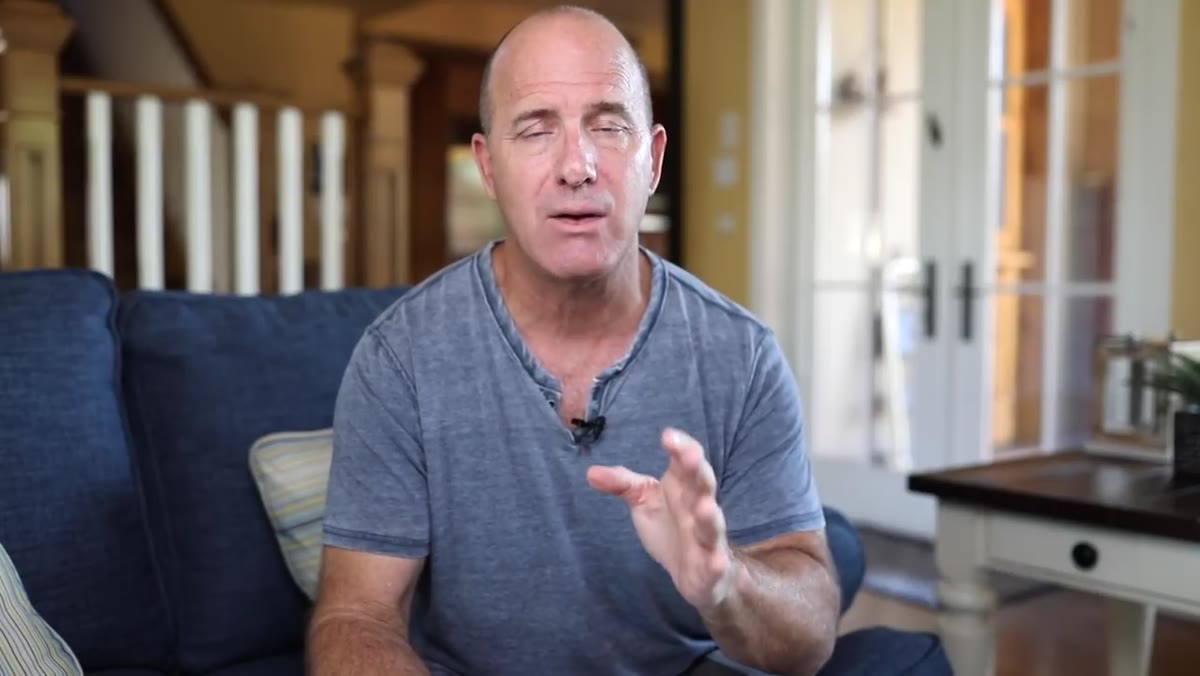 Joel explaining the eight-contact rule and its success rate
This is the most concrete and actionable thing in the entire tutorial. Grimes calls it the “power of eight.” Research and his own career history backs this up: if you reach out to a potential client twice and hear nothing, you’re likely to give up and assume they’re not interested. But two attempts give you less than a 10 percent chance of being hired. Push that contact count to eight, meaning phone calls, mailers, emails, follow-ups, and repeat touchpoints over time, and your odds of getting a response climb above 80 percent.
Joel explaining the eight-contact rule and its success rate
This is the most concrete and actionable thing in the entire tutorial. Grimes calls it the “power of eight.” Research and his own career history backs this up: if you reach out to a potential client twice and hear nothing, you’re likely to give up and assume they’re not interested. But two attempts give you less than a 10 percent chance of being hired. Push that contact count to eight, meaning phone calls, mailers, emails, follow-ups, and repeat touchpoints over time, and your odds of getting a response climb above 80 percent.
That’s not a small difference. That’s the gap between a struggling freelancer and a working professional. The mechanics are simple: make contact, follow up, send something physical if you can, call, follow up again. Space the touchpoints out so you’re persistent without being pushy, and keep your name showing up in their world. Grimes has used this approach for close to four decades. It’s not flashy, but it works.
Step 5: Build the Habit of Consistent Outreach
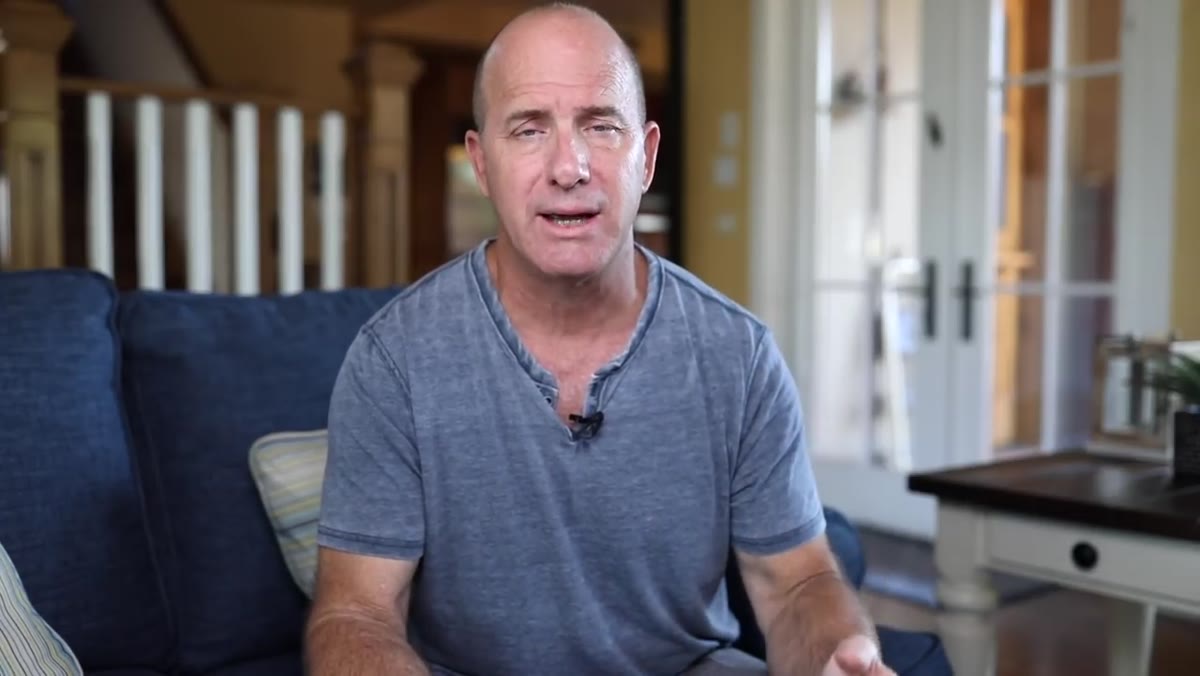 Joel talking about marketing as a teachable ongoing discipline
Grimes makes the point that marketing isn’t a one-time event or something you do when work dries up. It’s a discipline, the same way technique is a discipline. You practice it consistently, you refine it, and you build systems around it. He frames it as something he would put at the center of any photography curriculum, right alongside learning to expose an image correctly.
Joel talking about marketing as a teachable ongoing discipline
Grimes makes the point that marketing isn’t a one-time event or something you do when work dries up. It’s a discipline, the same way technique is a discipline. You practice it consistently, you refine it, and you build systems around it. He frames it as something he would put at the center of any photography curriculum, right alongside learning to expose an image correctly.
The practical version of this is to set aside dedicated time each week, not each month, to do outreach. Research contacts, send follow-up emails, update your portfolio site, and track who you’ve reached out to and when. Treat it like a shoot. Block the time. Show up for it. The photographers who get steady work aren’t always the most talented ones in the room. They’re the ones who never stopped knocking.
What I’d Add From My Own Experience
Grimes focuses on the professional commercial side of things, which makes sense given his career. But the power of eight principle applies just as much if you’re building an audience or pitching editorial work or reaching out to brands for collaboration. I’ve used a version of this in my own outreach, and the pattern holds. The people who eventually hired me or partnered with me rarely responded to the first email. Sometimes the fourth or fifth touchpoint is what finally lines up with the right moment in their calendar.
The emotional side of this is real too. Staying persistent requires believing your work has value even when the external feedback is silence. That’s a practice in itself. I still take a photo walk every Sunday morning partly because it keeps me connected to why I do this before the week gets loud with logistics and follow-up emails.
The single most important thing Grimes communicates in this tutorial is that the business of photography is a learnable skill, not a personality trait you either have or don’t. Rejection and persistence aren’t just mindset topics. They’re mechanical inputs with measurable outputs. If you stay in long enough and show up consistently, the math starts working in your favor.
Watch the full tutorial on YouTube and check out the rest of the Joel Grimes series if you’re serious about building a photography career that actually sustains itself.
Comments (2)
I've watched a dozen tutorials on this and yours is the clearest by far.
Great article! I actually covered something related on my site — the color grading angle is really complementary to this.
Leave a Comment