From Flat to Dramatic: How Joel Grimes Edits Black & White Portraits in Lightroom and Photoshop

From Flat to Dramatic: How Joel Grimes Edits Black & White Portraits in Lightroom and Photoshop

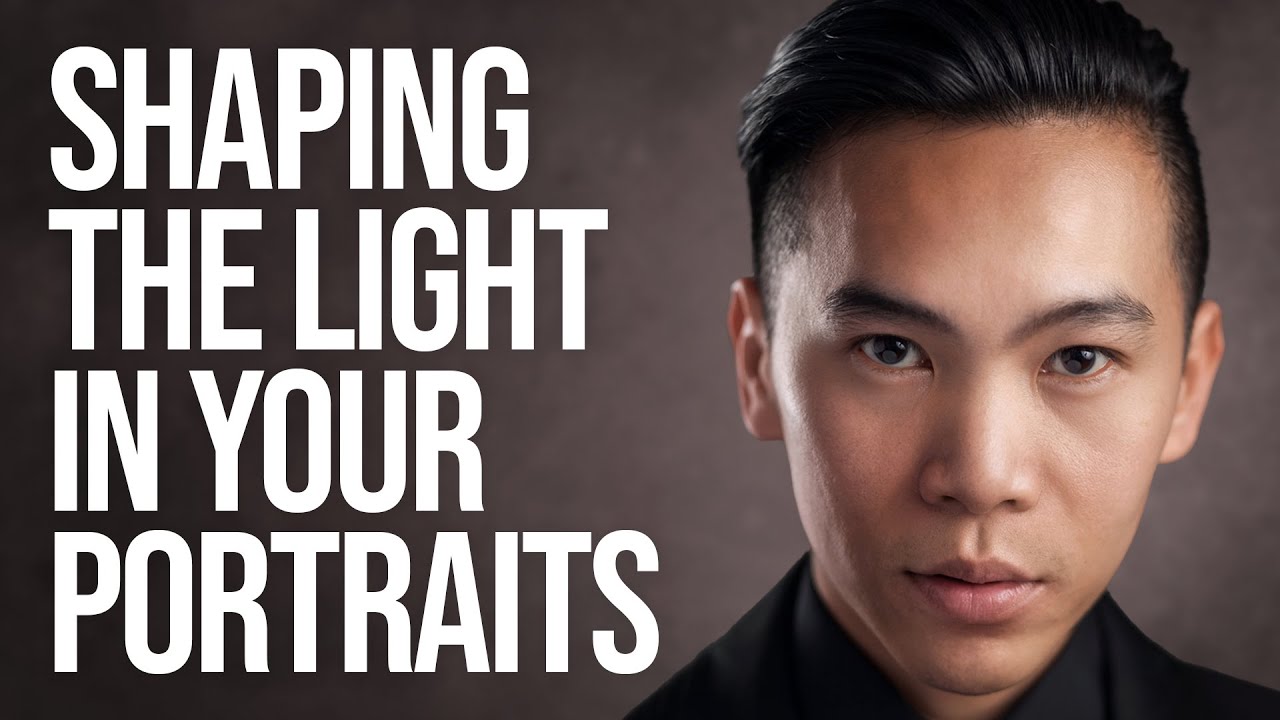
There’s a specific frustration I know well: you nail the lighting on a portrait, the subject’s expression is exactly right, and then you open the raw file and it just… sits there. Flat. Unimpressive. Nothing like what you saw in your head when you pressed the shutter. For a long time, my answer was to throw a high-contrast black and white preset at it and call it a day. The results were fine.

Stop Chasing the Perfect ISO: Two Beginner Mistakes That Are Hurting Your Photos

Stop Chasing the Perfect ISO: Two Beginner Mistakes That Are Hurting Your Photos

Every Sunday morning I take a photo walk around Seattle. No agenda, just me and whatever camera I grab off the shelf. And for the first couple of years I was doing that, I was quietly sabotaging myself with one specific habit: I kept my ISO glued to the lowest possible number, no matter what. I thought that was the disciplined, correct thing to do. Turns out it was actually one of the most common mistakes beginner photographers make, and it was costing me shots I can never get back.

Wildlife Photography Success: How Camera Traps Reveal India's Elusive Cats

Wildlife Photography Success: How Camera Traps Reveal India's Elusive Cats

Wildlife Photography Success: How Camera Traps Reveal India’s Elusive Cats I’ve always found that some of the most rewarding moments in photography come from waiting—and sometimes, from not being there at all. That’s exactly what happened recently in Madhya Pradesh, where wildlife researchers deployed camera traps in Kuno National Park and captured something extraordinary: a caracal, one of India’s most elusive wild cats. What Makes This Sighting Special The caracal is a lean, long-legged feline with distinctive black-tufted ears—a truly striking subject when caught on film.

How to Choose a Camera Bag That Actually Works for Your Style of Shooting

How to Choose a Camera Bag That Actually Works for Your Style of Shooting

I have a complicated relationship with camera bags. I’ve bought at least six in the last four years, and every single one of them was purchased because it looked good in a product photo rather than because it solved an actual problem I had. One bag was too heavy before I even put a lens in it. Another had no water bottle holder, which sounds minor until you’re on a three-hour photo walk and your hydration is rattling loose in the main compartment.

How to Shoot 70 Corporate Headshots in Two Hours (Without Losing Your Mind)

How to Shoot 70 Corporate Headshots in Two Hours (Without Losing Your Mind)

Corporate headshot work isn’t glamorous. Nobody’s going to pin your LinkedIn profile photos on their mood board. But here’s the thing I’ve learned over the years: it pays reliably, it fills the calendar gaps that kill your cash flow, and if you can do it well under pressure, it builds a reputation that keeps companies calling you back. The problem is most portrait photographers, myself included when I started, approach these jobs with a single-session mindset.

How to Shoot Stunning Sunrise Seascapes: A Field Guide to Timing, Composition, and Water Movement

How to Shoot Stunning Sunrise Seascapes: A Field Guide to Timing, Composition, and Water Movement

There’s a particular kind of frustration that comes with standing in front of a gorgeous coastline and walking away with nothing but flat, underwhelming frames. I’ve done it. You drag yourself out of bed before sunrise, haul your gear to the water’s edge, and somehow the photos just don’t match what your eyes were seeing. For a long time I chalked it up to “needing better light.” Turns out, I was just missing a few fundamentals.

Master Your Monochrome Portraits: The Essential Guide to Background Selection

Master Your Monochrome Portraits: The Essential Guide to Background Selection

Master Your Monochrome Portraits: The Essential Guide to Background Selection When you remove color from a photograph, something magical happens. The viewer’s attention sharpens, emotion intensifies, and the image takes on a timeless quality that feels both nostalgic and contemporary. I’ve discovered that this transformation places significantly more responsibility on us as photographers—especially when it comes to background selection. Creating a striking black and white portrait isn’t simply about desaturating a color image.

What Shooting Street Photography on Kodak Tri-X Taught Me About Slowing Down

What Shooting Street Photography on Kodak Tri-X Taught Me About Slowing Down

Every Sunday morning I take a photo walk through my neighborhood in Seattle. No agenda, no client, no assignment. Just me and whatever camera I feel like carrying. For the longest time I treated it as a warm-up, a way to shake the rust off before a “real” shoot. I’d come home with 200 frames and maybe feel good about three of them. Fast and loose, spray and pray. Then I watched Watch the full tutorial on YouTube, where Sean Tucker introduces Hong Kong-based film street photographer Mavis CW and spends time unpacking why her approach to film changes the entire relationship a photographer has with a scene.

How to Shoot Fine Art Photos of Everyday Objects Using Focus Stacking

How to Shoot Fine Art Photos of Everyday Objects Using Focus Stacking

I have a confession: one of my most-shared photos ever is a close-up of a half-eaten granola bar sitting on my kitchen counter. Shot on my phone, terrible lighting, zero planning. People went wild for it. That experience taught me something I’ve been chewing on ever since – the subject almost never matters as much as the perspective you bring to it. That’s the core idea behind this Peter McKinnon tutorial, where he photographs a five-cent gummy bear alongside a $50,000 Phase One IQ4 camera system and makes the case that fine art isn’t about the subject.

How Joel Grimes Shot 100 Days of Harley Riders (And What It Teaches You About Building a Real Body of Work)

How Joel Grimes Shot 100 Days of Harley Riders (And What It Teaches You About Building a Real Body of Work)

There’s a question I get asked constantly in my Sunday morning photo walks, usually from someone who’s been shooting for a year or two and feels like their portfolio is just… scattered. They’ve got landscapes, some street shots, a few portraits from a friend’s birthday, maybe a pet photo. Good individual images. No cohesive story. I never had a clean answer for that until I watched this tutorial from Joel Grimes.

How to Shoot Candid Street Portraits That Actually Look Like Portraits

How to Shoot Candid Street Portraits That Actually Look Like Portraits

There’s a specific kind of street photo I used to think was just luck: a single person, sharp against a blurred background, completely unaware of the camera, yet somehow looking like a deliberate portrait. Every time I saw one I’d wonder, “How did they get that without the person posing?” I’d tried the walk-up-and-ask method before and loved it, but the results always had that slight stiffness of someone who knows a lens is pointed at them.

Run-and-Gun Documentary Shooting: Gear Choices and On-Location Product Photography Tips from Peter McKinnon

Run-and-Gun Documentary Shooting: Gear Choices and On-Location Product Photography Tips from Peter McKinnon

There’s a specific kind of shooting panic I know well. You’re on location, you have limited time, and you need footage or photos that feel cinematic without a full crew or a trunk full of gear. I’ve been there on travel assignments where I had one bag, one camera, and a client expecting polished results. The question is never really “what’s the best gear?” It’s “what’s the right gear for this job?