Building Beer Spirals in Photoshop: A Step-by-Step Compositing Walkthrough

Building Beer Spirals in Photoshop: A Step-by-Step Compositing Walkthrough

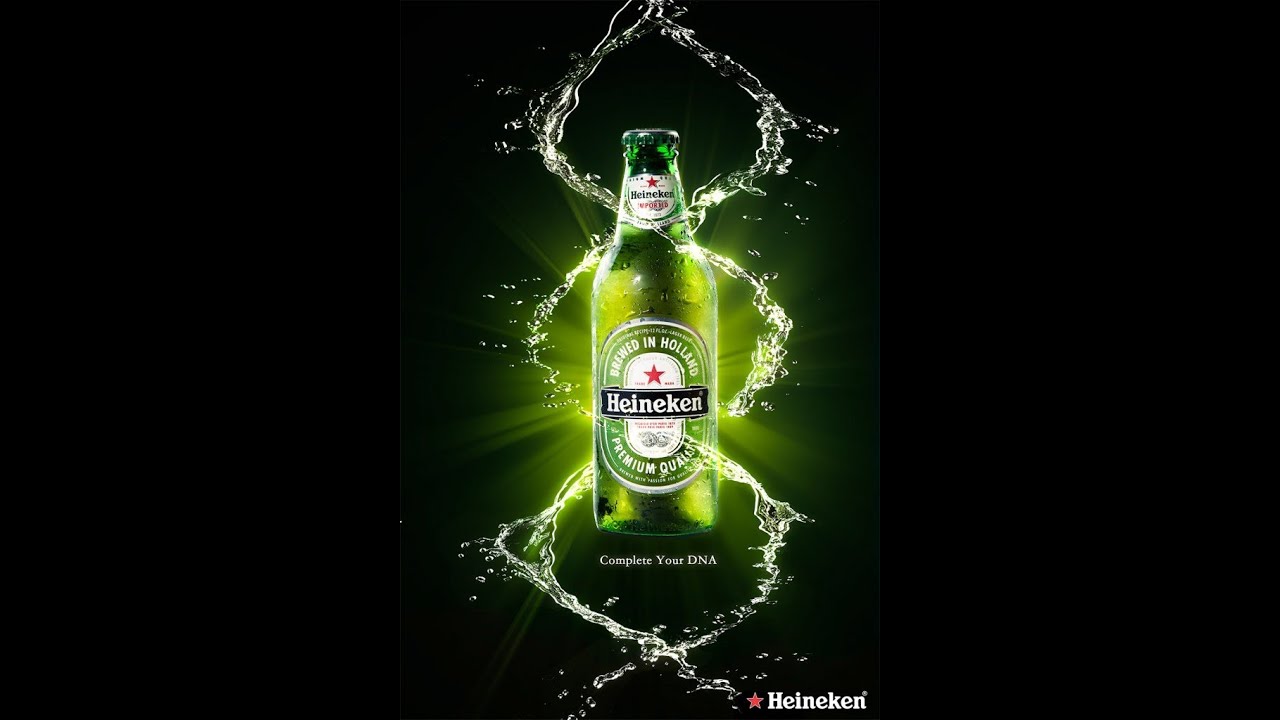
There’s a category of product photography that sits somewhere between photography and illustration, where the camera is really just one tool in a much longer pipeline. Liquid composites live firmly in that category. I first bumped into this style shooting travel and lifestyle work, trying to add kinetic energy to otherwise static bottle shots, and quickly realized that getting great liquid movement in a single frame is almost impossible. The real magic happens in post, when you layer dozens of individual splash photos into something that looks choreographed.


How to Light Bottles and Glass Like a Pro (Without a Pro Budget)

How to Light Bottles and Glass Like a Pro (Without a Pro Budget)

Product and bottle photography has a reputation for being the kind of specialty that requires years of training, expensive gear, and a team. I believed that for longer than I should have. The first time a client asked me to shoot a whiskey bottle for a small spirits brand, I faked confidence and then went home and panicked. Glass, liquid, reflections — each one is its own puzzle, and when you combine all three in one frame, everything that can go wrong usually does.

What Should Your Product Actually Say? How to Build a Visual Message Before You Shoot

What Should Your Product Actually Say? How to Build a Visual Message Before You Shoot

There’s a question I used to skip entirely when I first started doing product work: What is this photo supposed to feel like? I’d set up my flat lay, adjust my lighting, fire off a hundred frames, and then wonder why the results looked technically fine but completely flat. Something was missing, and it took me an embarrassingly long time to figure out that the missing piece wasn’t in my camera settings at all.

How to Build a Portable Overhead Camera Rig for Flat Lay and Product Shots

How to Build a Portable Overhead Camera Rig for Flat Lay and Product Shots

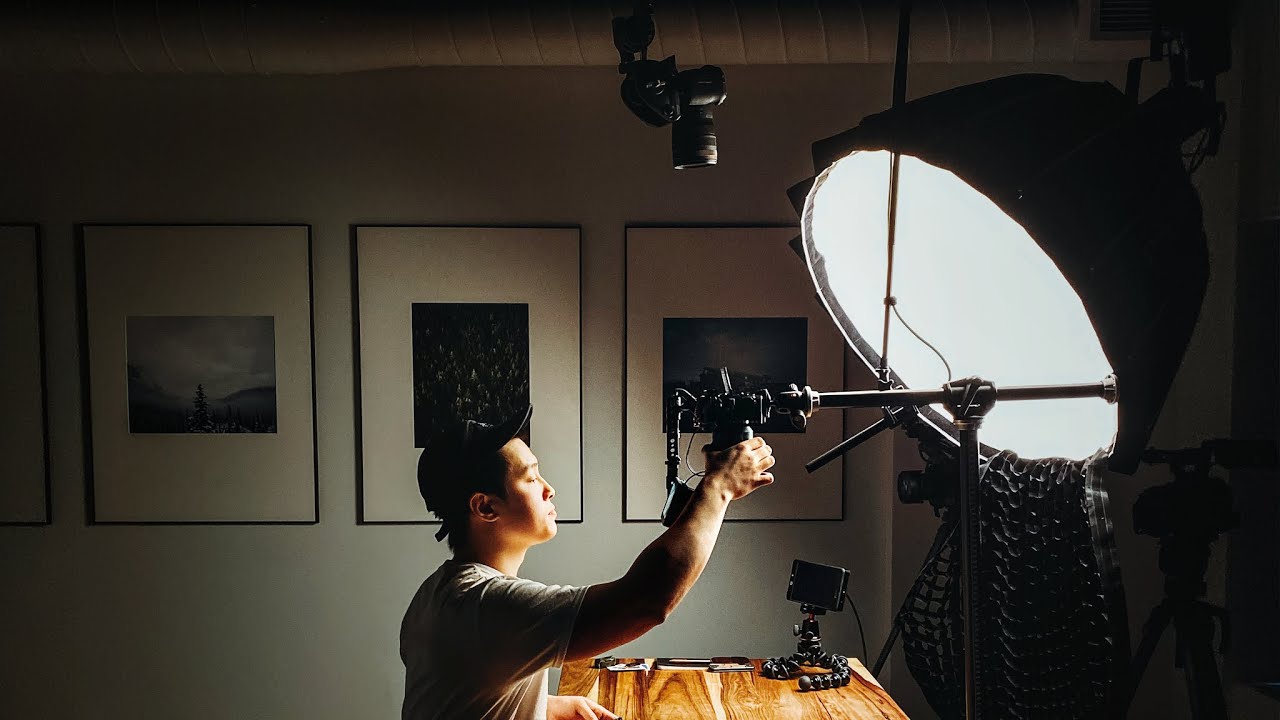
Flat lay photography has a reputation for being fussy. You need a sturdy surface, a camera that can point straight down, a way to keep everything perfectly still, and ideally another set of hands. For the longest time, my workaround was propping my camera on a stack of books and hoping the angle was close enough. It wasn’t a great system. The moment I saw someone actually solving this problem with a minimal, travel-friendly rig, I paid close attention.

Inside Karl Taylor's Photography Studio: What a World-Class Workshop Space Can Teach You About Learning Photography

Inside Karl Taylor's Photography Studio: What a World-Class Workshop Space Can Teach You About Learning Photography

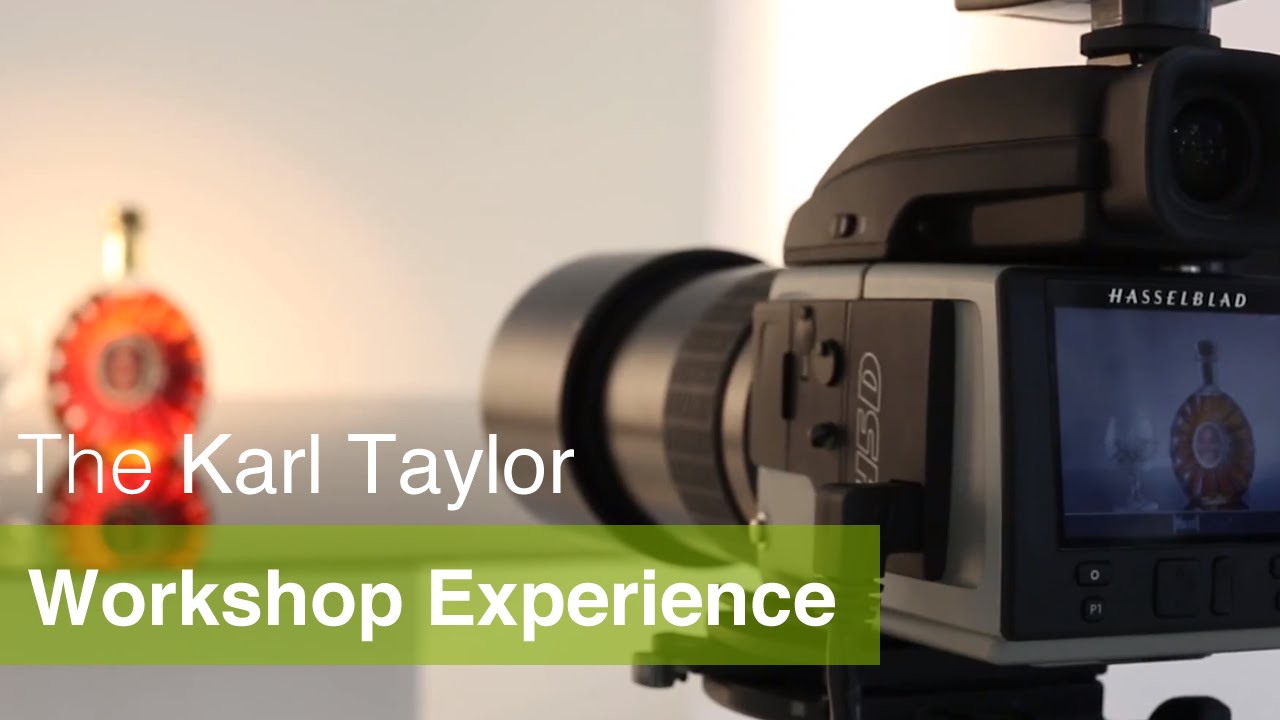
There’s a specific kind of frustration that comes from learning photography in isolation. You watch tutorials, you read forums, you practice in your living room with a lamp and a fruit bowl, and you still feel like something isn’t clicking. For me, the missing piece was almost always environment: the right equipment to experiment with, someone experienced in the room to catch your mistakes, and the ability to see your own images at scale and talk through what’s working and what isn’t.

You Don't Need Expensive Gear — But You Do Need the Right Surfaces (Here's How to Build Your Photo Board Kit)

You Don't Need Expensive Gear — But You Do Need the Right Surfaces (Here's How to Build Your Photo Board Kit)

Every few months, someone slides into my DMs asking why their coffee shots or product flat-lays look a little off. The camera is fine. The lighting is decent. But the image still feels hollow. Nine times out of ten, the problem isn’t what’s in the frame. It’s what’s underneath it. I kept running into the same wall myself. Textured surfaces that actually photograph well are surprisingly hard to find. Marble contact paper looks like marble contact paper.

How a Custom Hat Maker's Product Photos Went From Kitchen Snapshots to Magazine-Worthy Shots

How a Custom Hat Maker's Product Photos Went From Kitchen Snapshots to Magazine-Worthy Shots

There’s a particular kind of frustration that comes with knowing your product is excellent but your photos don’t show it. I’ve seen this with so many small business owners I’ve met over the years — talented makers, bakers, and craftspeople who undersell themselves because their photography looks like an afterthought. The good news is that the gap between “embarrassing snapshot” and “wait, is that from a magazine?” is usually a handful of intentional decisions, not a $5,000 camera body.

Peter Lippmann Is the Product Photographer You Should Be Studying Right Now

Peter Lippmann Is the Product Photographer You Should Be Studying Right Now

There is a particular kind of photographer whose work stops you mid-scroll. Not because the image is loud or chaotic, but because something in your brain quietly registers that what you are looking at required a level of intention you have not quite seen before. I had that experience the first time I came across Peter Lippmann’s portfolio, and I have gone back to it more times than I can count.

You Don't Need a $7,000 Camera to Shoot Great Product Photos — Here's How to Use Your iPhone 17 Pro Like a Pro

You Don't Need a $7,000 Camera to Shoot Great Product Photos — Here's How to Use Your iPhone 17 Pro Like a Pro

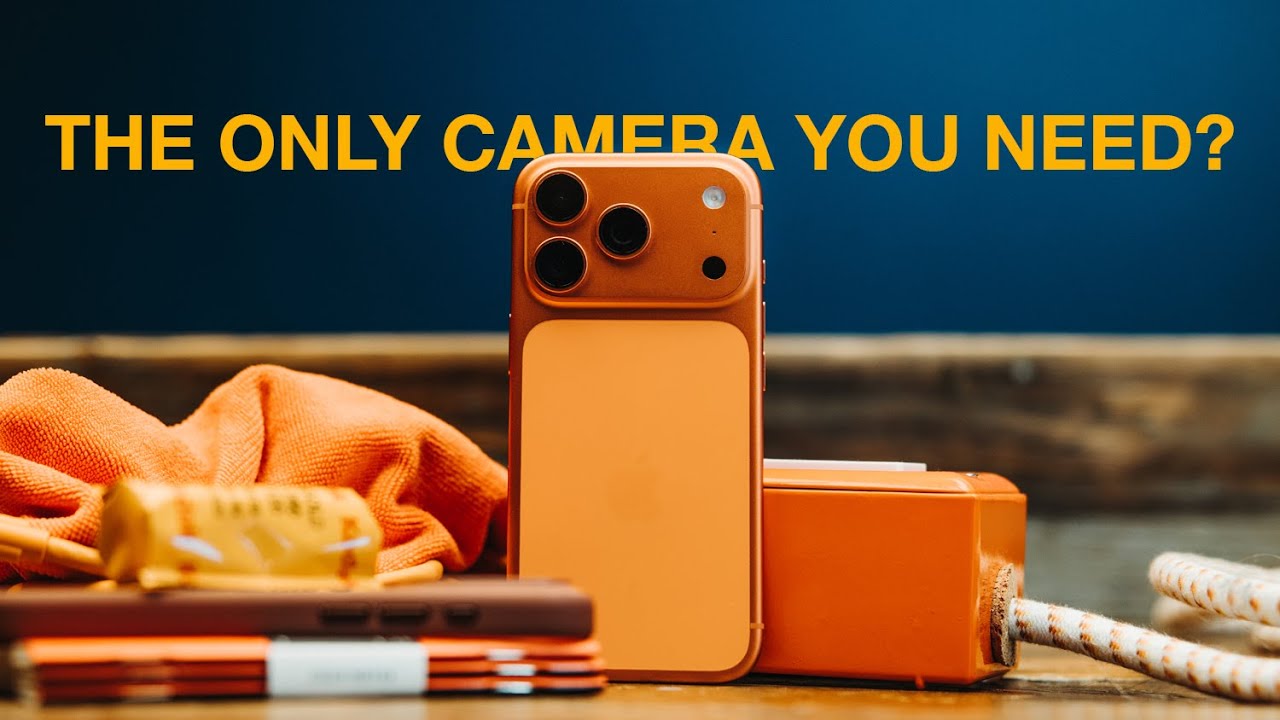
My most-liked Instagram photo was taken on a $200 phone. I used to be almost embarrassed to admit that, but it ended up launching a whole series of articles about what gear actually matters versus what we just think matters. So when I saw Peter McKinnon sit down with the new iPhone 17 Pro and a $7,000 Canon R5 to shoot the same products side by side, I had to pay close attention.

How to Light and Shoot Large Furniture Products (Without a Full Studio Setup)

How to Light and Shoot Large Furniture Products (Without a Full Studio Setup)

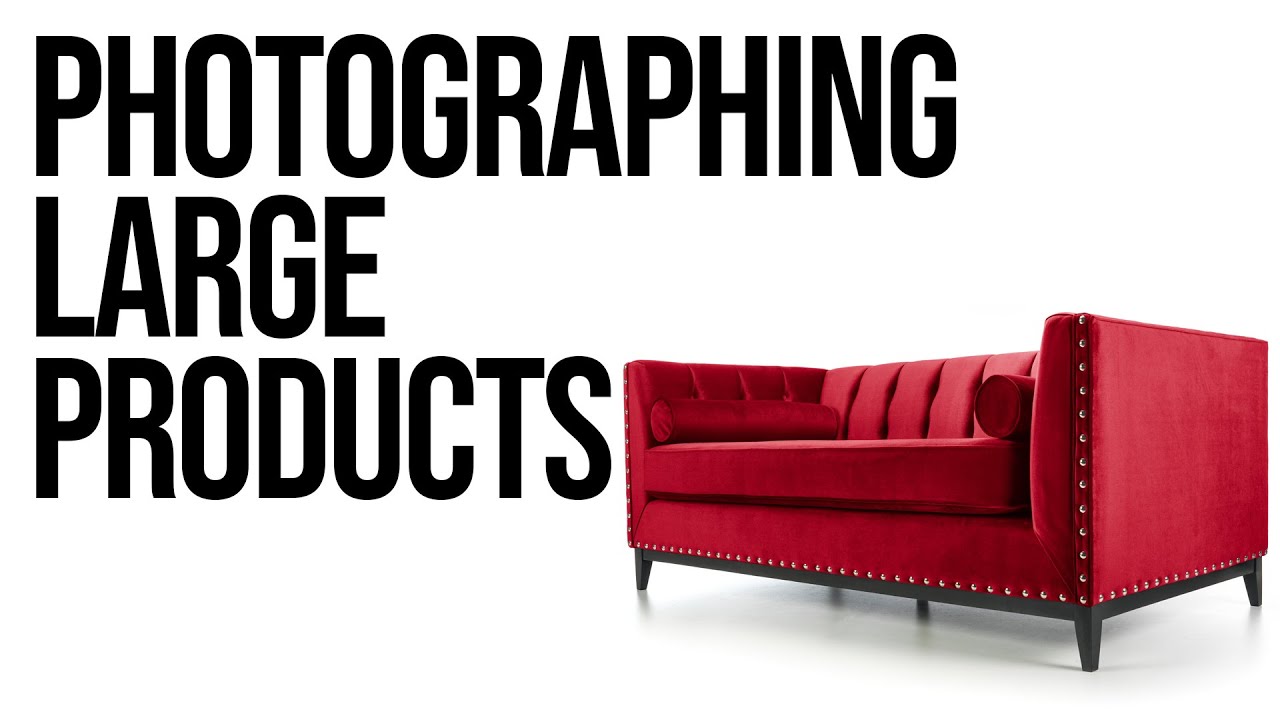
Every time someone in one of my workshops asks about product photography, the conversation lands in the same place: tabletop setups, white seamless paper, and a couple of speedlights pointed at a coffee mug. That’s genuinely useful to know. But what happens when the product is a sofa? A dining table? A chair that’s taller than your lighting stand? I ran into this exact wall a few years back when a small furniture brand reached out asking if I could shoot their line for a product catalog.

How to Cut Out Large Product Photos and Place Them on White Backgrounds in Lightroom

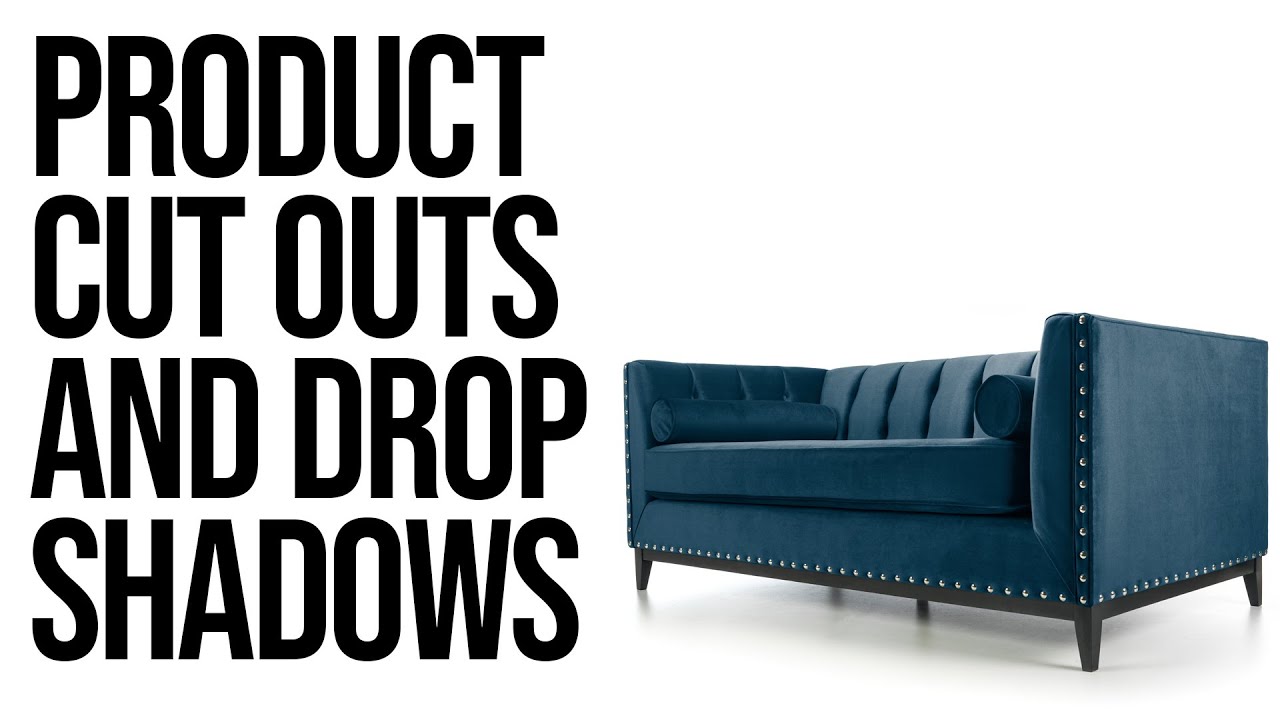
How to Cut Out Large Product Photos and Place Them on White Backgrounds in Lightroom

If you’ve ever had to shoot something bigger than a cereal box for a client, you already know the tutorials aren’t exactly lining up to help you. Most of the product photography content out there covers small objects on a tabletop with a couple of speedlights. Clean, tidy, easy to find. But the moment a client asks you to photograph a sofa, a dining set, or a king-sized bed frame, you’re mostly on your own.

How to Photograph Clear Liquid Bottles Without the Mess (A Pro's Step-by-Step Breakdown)

How to Photograph Clear Liquid Bottles Without the Mess (A Pro's Step-by-Step Breakdown)

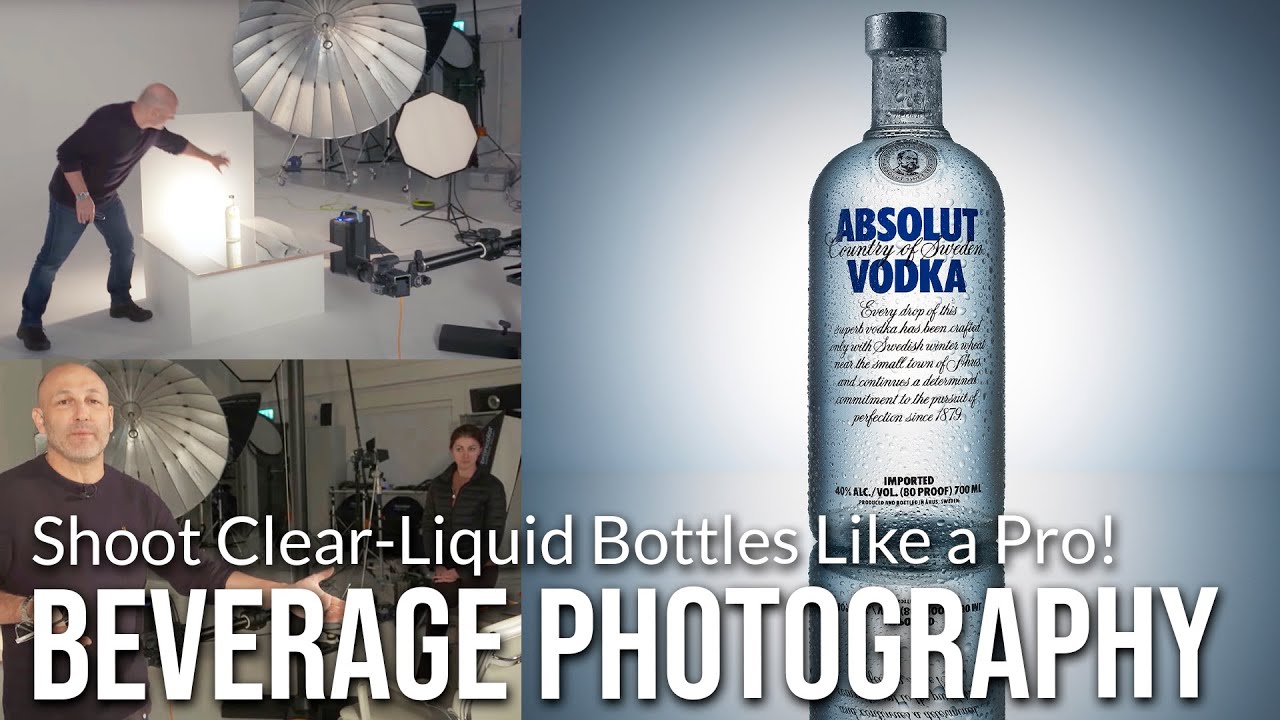
Product photography has a way of humbling you fast. I learned this the hard way the first time a friend asked me to shoot a few spirits bottles for their small-batch gin label. I figured: clean background, good light, done. What I got instead was streaky water droplets sliding down the glass, a label that looked flat and washed out, and a reflection so doubled-up it looked like the bottle had a twin.