When the Light Fails You: How to Use Long Exposure to Rescue a Flat, Lifeless Scene

When the Light Fails You: How to Use Long Exposure to Rescue a Flat, Lifeless Scene

There’s a specific kind of frustration I know well: you’ve scouted the location, set the alarm, driven out in the dark, and then stood there watching a flat gray sky deliver absolutely nothing. No color, no drama, choppy water, moving subjects. I’ve packed up and gone home on mornings like that more times than I’d like to admit. What I’ve been working on lately is reframing that moment. Instead of treating bad conditions as a dead end, treating them as a constraint that forces a creative solution.

The Science Behind Long Exposure Photography: Making Crowds Disappear

The Science Behind Long Exposure Photography: Making Crowds Disappear

The Science Behind Long Exposure Photography: Making Crowds Disappear I’ve always been fascinated by those haunting photographs of crowded public spaces that appear completely empty. You know the ones—a busy city plaza at midday with not a single person visible, even though thousands walked through during the shot. It turns out there’s elegant mathematical reasoning behind this photographic illusion, and understanding it can help you master this striking technique. The Numbers Behind the Magic The secret lies in a simple equation: the relationship between pixel size, subject movement speed, and exposure duration.

How to Use Intentional Camera Movement (ICM) to Turn a Boring Shoot Into Something Beautiful

How to Use Intentional Camera Movement (ICM) to Turn a Boring Shoot Into Something Beautiful

There’s a specific kind of disappointment that hits when you drag yourself out of bed before sunrise, drive to the coast, set up your gear, and then watch the sky do absolutely nothing. No clouds. No color. Just pale, flat light and the quiet sound of your creative motivation leaving the building. I’ve been there more times than I’d like to admit, and for a long time my response was to pack up and go home empty-handed.

Chasing the Southern Lights: A Practical Guide to Photographing the Aurora

Chasing the Southern Lights: A Practical Guide to Photographing the Aurora

There are photographs you plan for months and still miss, and then there are the ones that find you at 3 a.m. when you were supposed to be asleep. Aurora photography lives entirely in that second category. It rewards the prepared and punishes anyone who decides to call it a night too early. I’ve spent enough sleepless hours chasing the northern lights from the Pacific Northwest that I’ve built up opinions about what actually works out in the field, and when I came across this William Patino tutorial shot in Fiordland, New Zealand, I kept pausing it to take notes.

How to Shoot a Year's Worth of Keepers: Lessons from Thomas Heaton's Behind-the-Scenes Calendar Project

How to Shoot a Year's Worth of Keepers: Lessons from Thomas Heaton's Behind-the-Scenes Calendar Project

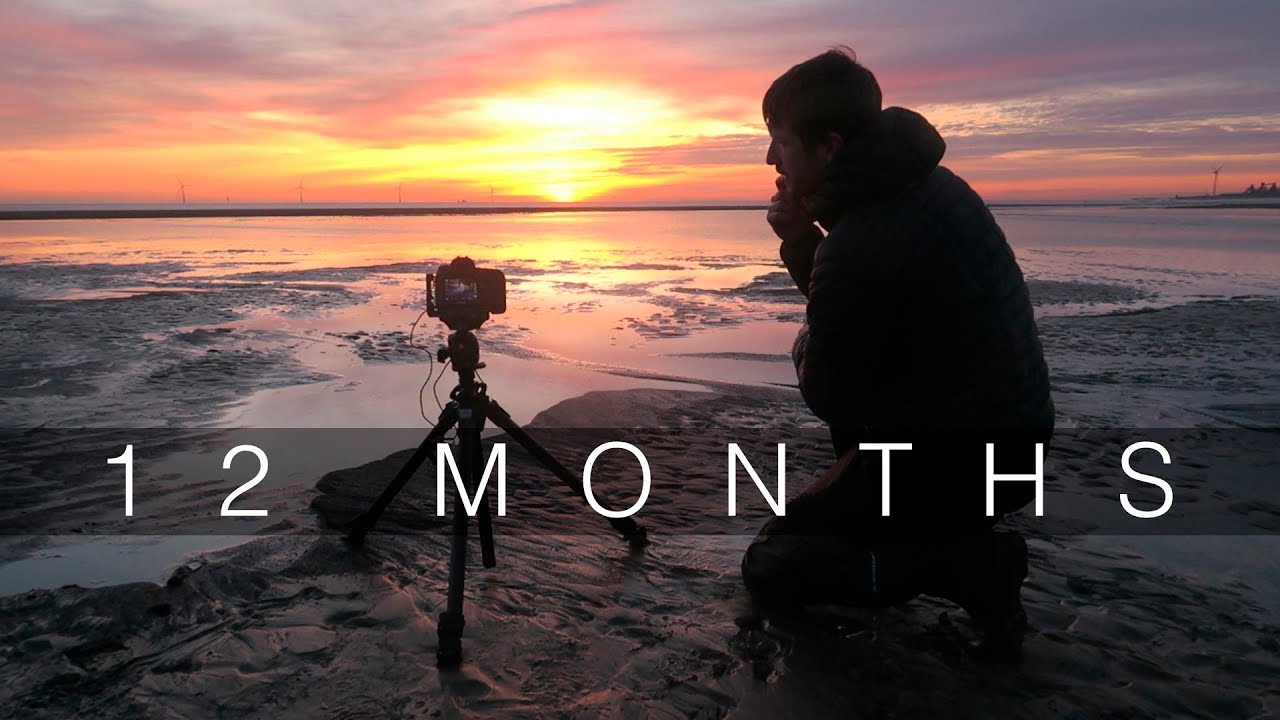
There’s a particular kind of pressure that comes with committing to a long-term photography project. I felt it when I challenged myself to shoot a “best of the year” collection for the first time - suddenly every outing felt like it either counted or didn’t, and I started second-guessing compositions I would have just shot freely before. What I needed wasn’t more gear advice. I needed to see how a working landscape photographer actually makes decisions in the field, across different locations, different seasons, different light.

Shutter Speed for Waterfalls and Seascapes: What I Learned From Mark Denney's Approach

Shutter Speed for Waterfalls and Seascapes: What I Learned From Mark Denney's Approach

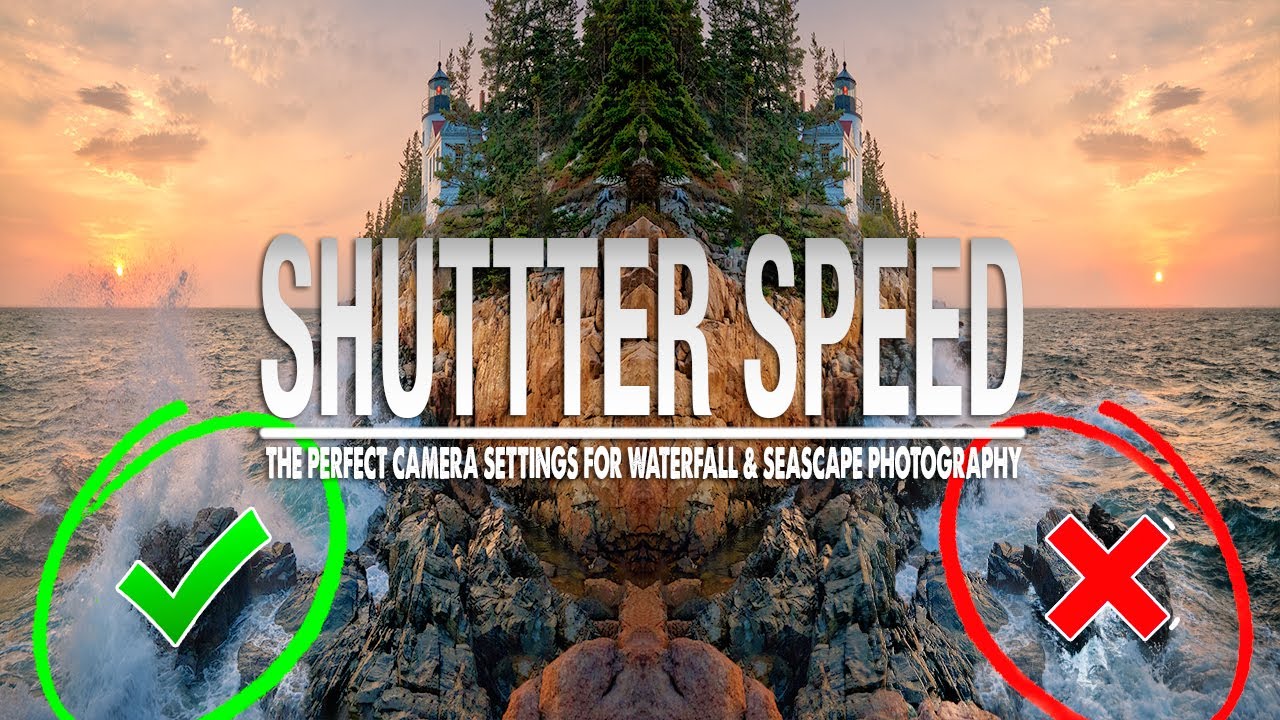
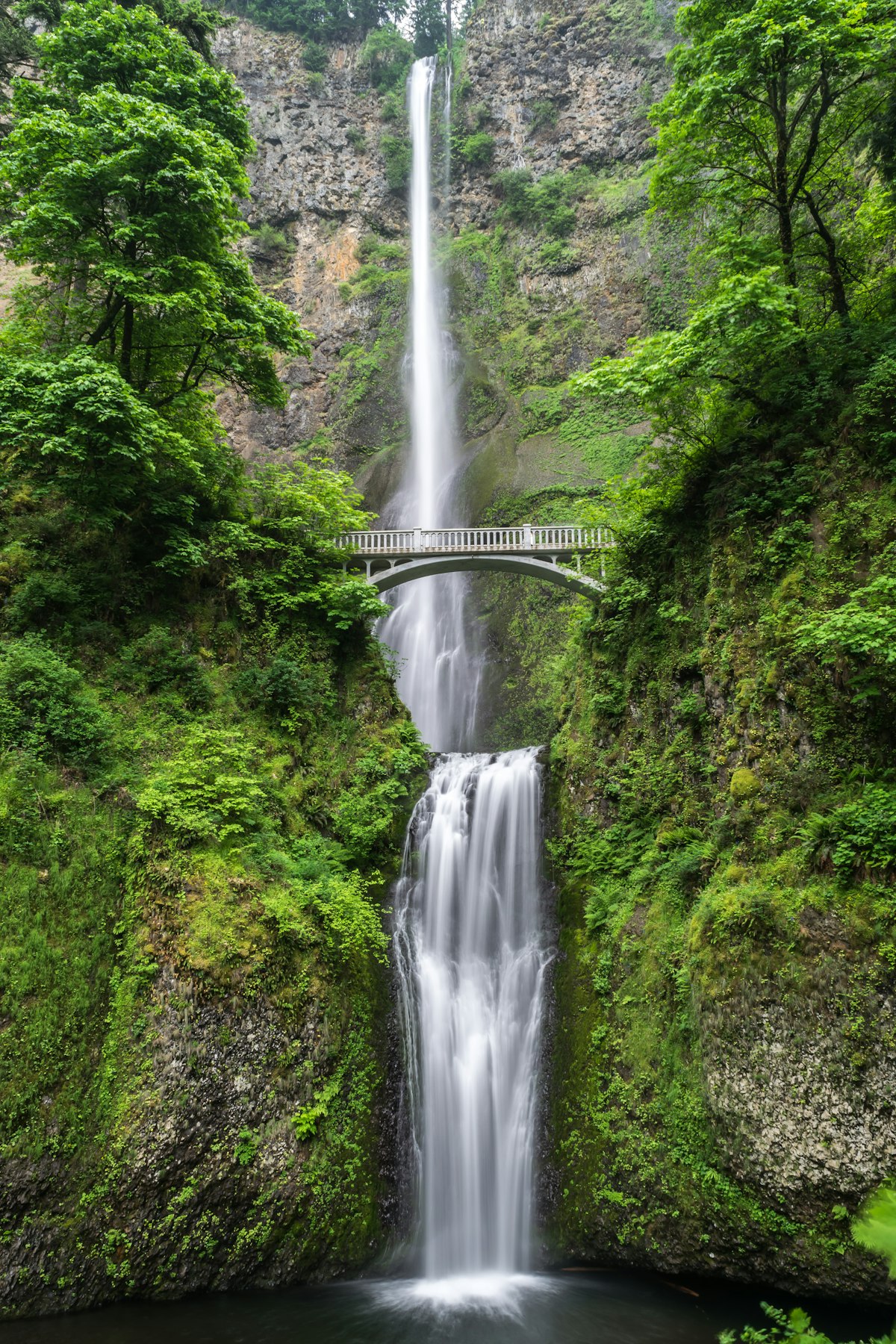
I once spent four consecutive evenings at the same waterfall on a trip to Oregon, missing dinner every night, trying to nail one shot. The water looked either too frozen or too smooth, and I kept second-guessing myself at the dial. The problem wasn’t my gear or even my composition. It was that I hadn’t actually decided what I wanted the water to look like before I pressed the shutter. I was guessing, and it showed.

Blue Hour Photography: Why I'm Done Packing Up at Sunset

Blue Hour Photography: Why I'm Done Packing Up at Sunset

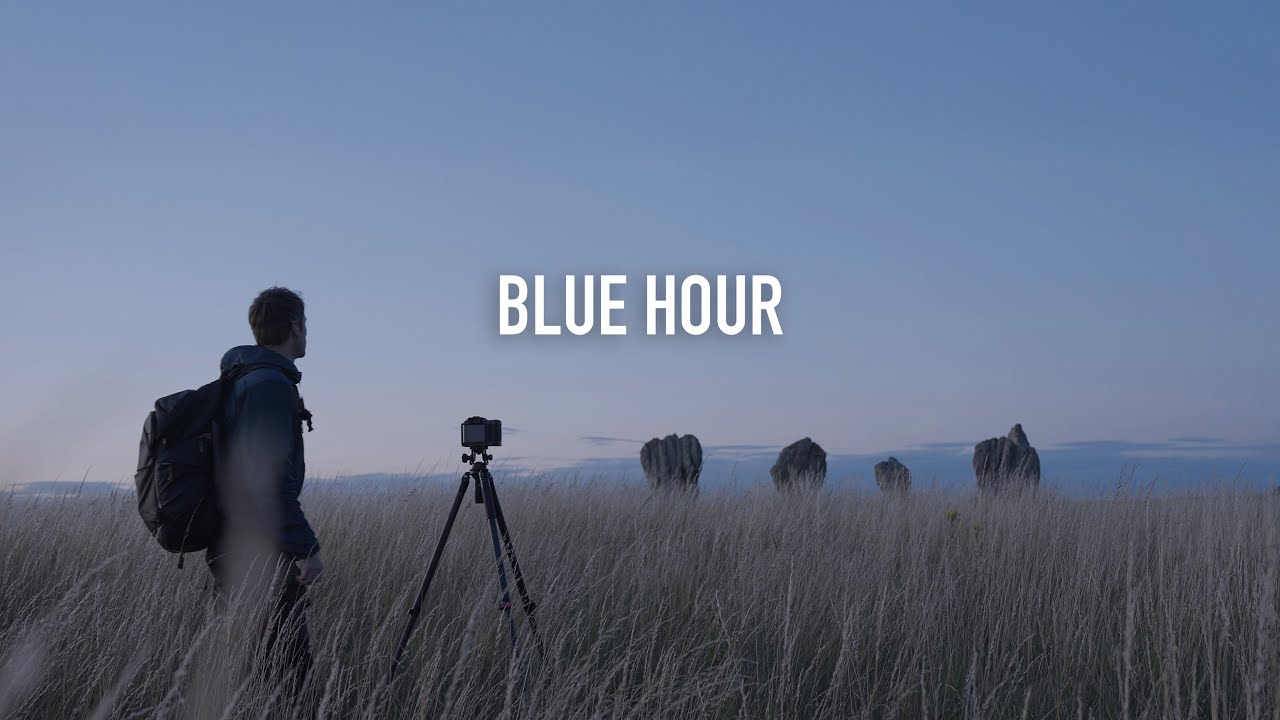
My Sunday photo walks used to follow the same script every week. Arrive before sunrise or stay through sunset, chase the color, pack up the second the sky went gray. I treated everything after golden hour like dead time, like the light had clocked out and there was nothing left worth shooting. I was wrong, and it took watching someone else deliberately stay out past sunset to finally shake that habit.

Long Exposure Photography Without a Tripod

Long Exposure Photography Without a Tripod

Long exposure photography — those silky waterfalls, light trails, and dreamy motion blurs — typically requires a tripod. But what if you don’t have one with you? You can still get surprisingly good results with some technique and creative problem-solving. How Slow Can You Go Handheld? The traditional rule of thumb: your shutter speed should be at least 1/(focal length) to avoid camera shake. At 50mm, that means 1/50 second minimum.