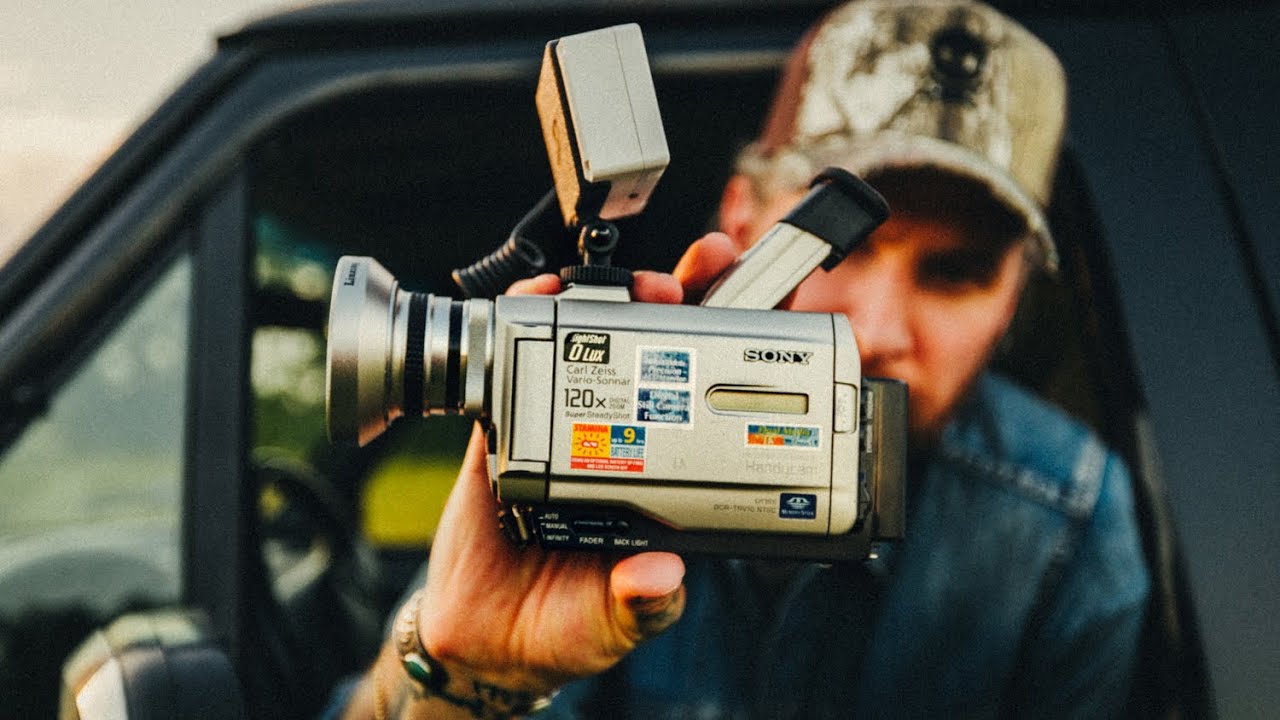
Why I'm Telling Intermediate Photographers to Put Down Their Mirrorless Camera (At Least for a Weekend)

Why I'm Telling Intermediate Photographers to Put Down Their Mirrorless Camera (At Least for a Weekend)

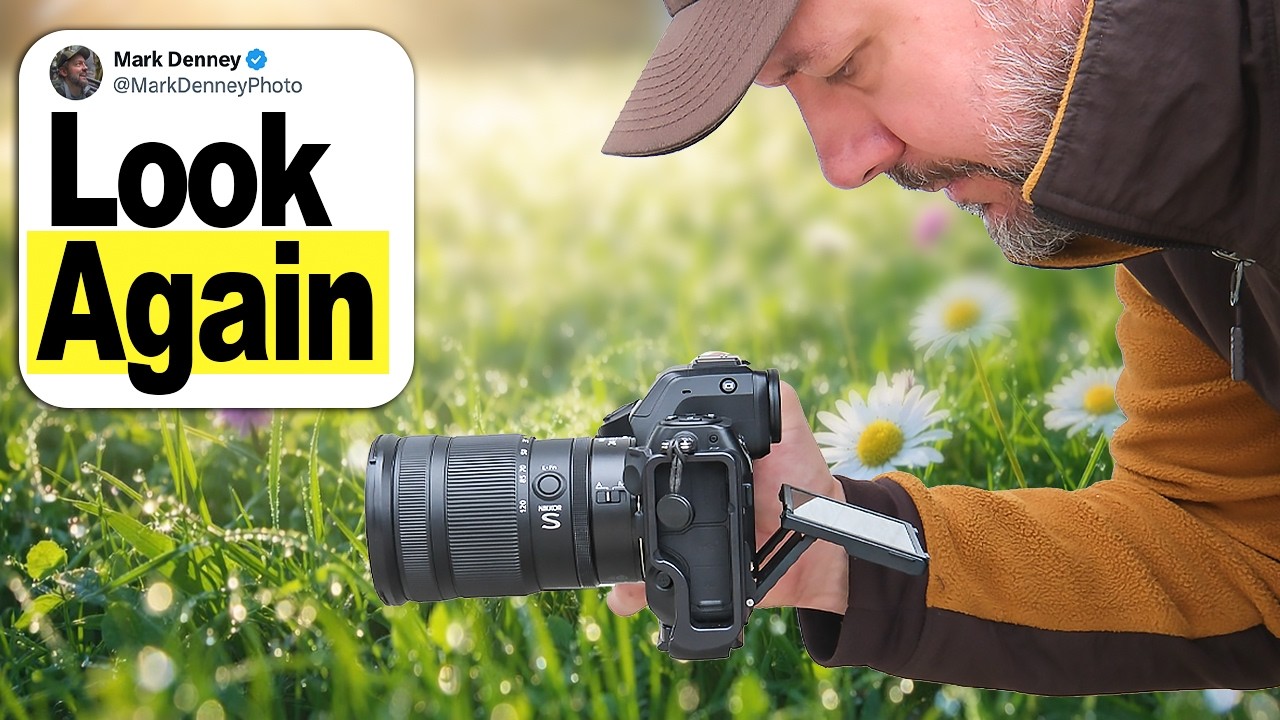
There’s a specific kind of creative rut I’ve noticed in my own work and in the students I teach: you stop seeing and start capturing. Your camera becomes a machine you point at things, and the magic of actually choosing a frame quietly disappears. I hit that wall a couple of years ago during a trip to Iceland. I came home with 1,400 raw files and felt nothing looking at them.
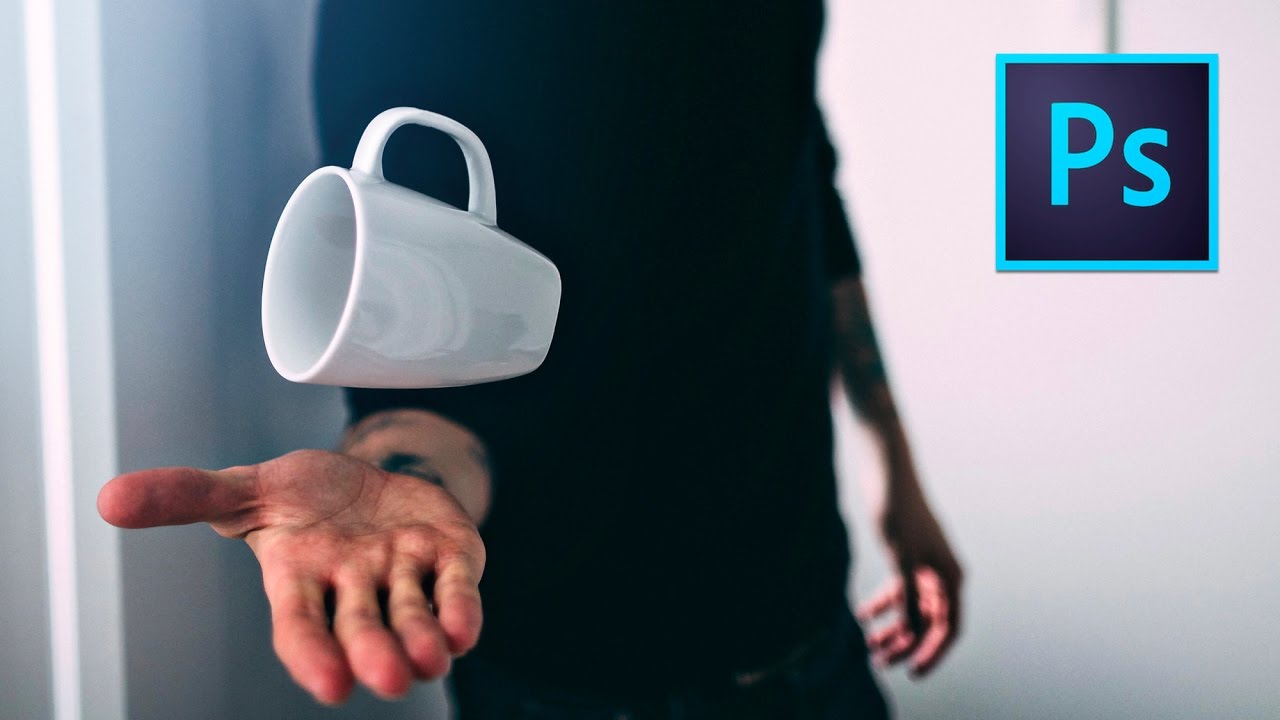
The Floating Object Photo Trick: A Complete Beginner's Guide (No Magic Needed)

The Floating Object Photo Trick: A Complete Beginner's Guide (No Magic Needed)

There’s a category of photo that stops thumbs mid-scroll. You’ve seen them: a coffee mug hovering in mid-air, a book suspended at a perfect angle, a jacket floating like its owner just vanished. I used to assume those shots required a full studio setup, an assistant, and some proprietary knowledge I hadn’t earned yet. Turns out the whole trick fits in a grocery bag and takes about an hour from setup to finished file.

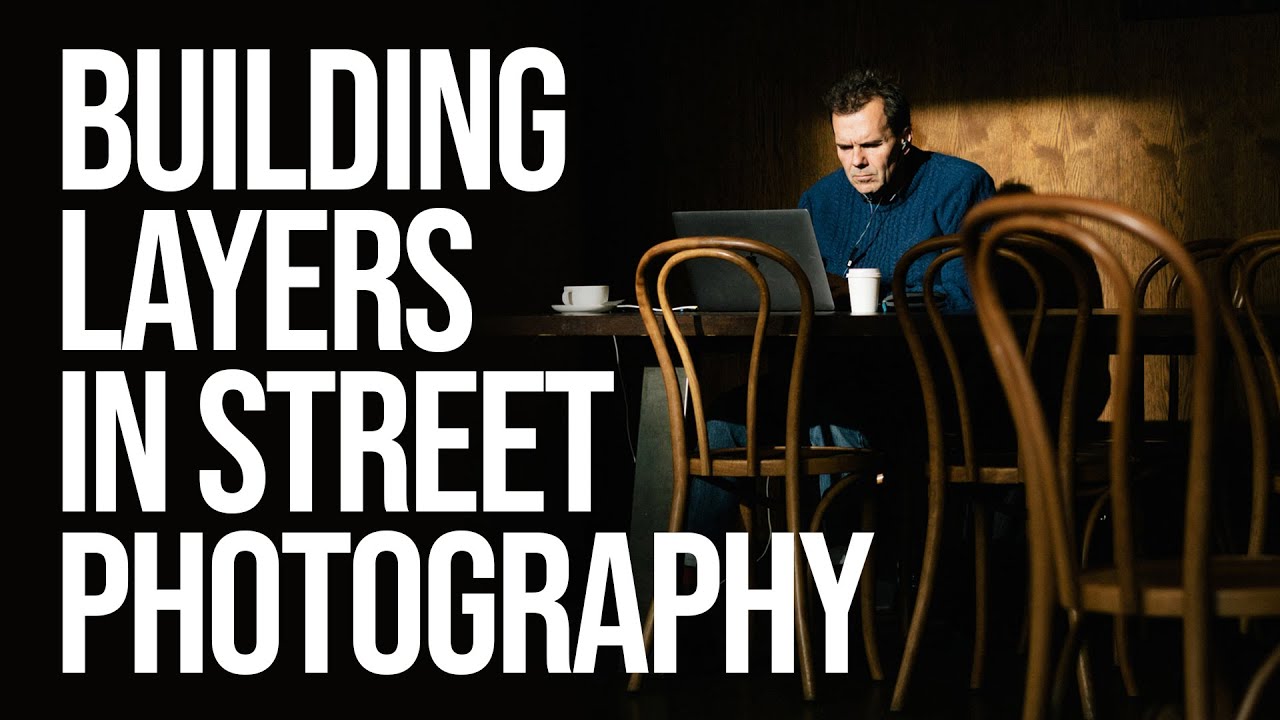
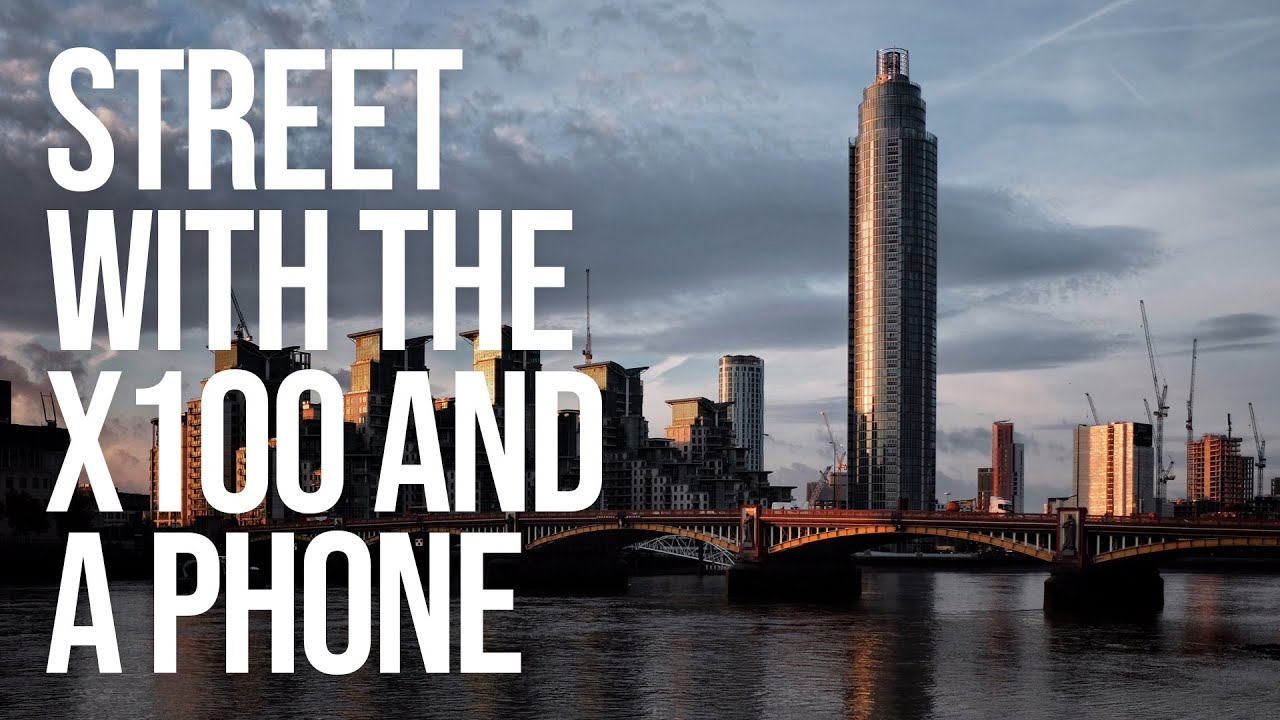
Shoot Lighter, See Fresher: Street Photography Lessons from Sean Tucker's X100 Workflow

Shoot Lighter, See Fresher: Street Photography Lessons from Sean Tucker's X100 Workflow

Every Sunday morning I take a photo walk around Seattle. No agenda, no shot list. Just me, a camera, and whatever the city decides to show up as that week. It sounds idyllic, and mostly it is, but for a long time I kept making the same mistake: I’d haul my full kit, second-guess every shot because the stakes felt too high, and come home with technically fine images that felt completely lifeless.

How to Edit Travel Photos That Already Look Good (Without Wrecking Them)

How to Edit Travel Photos That Already Look Good (Without Wrecking Them)

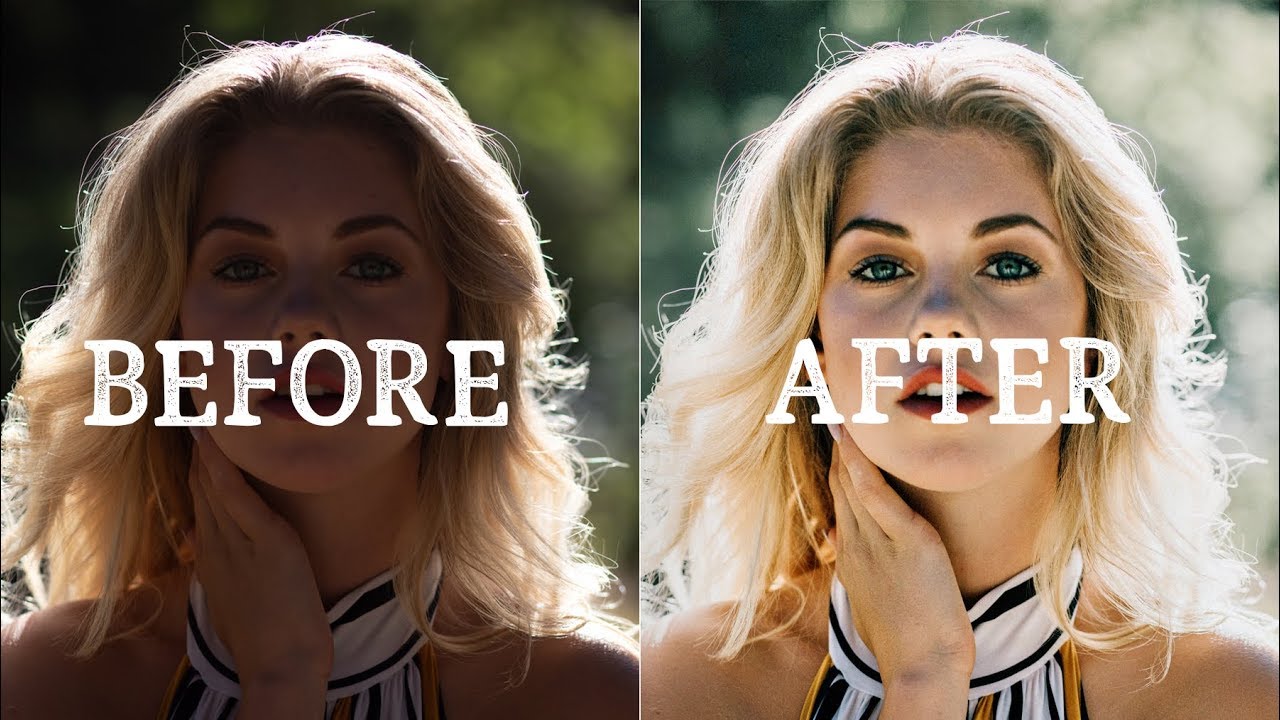
Every Sunday morning I take a photo walk through whatever neighborhood I end up in, and I come home with a card full of shots that are already pretty decent. That’s where I always used to get stuck. The photos that need a lot of work are easy to approach because anything you do is an improvement. But the ones that are already good? I’d over-edit them every single time, chasing some imaginary better version until the light felt fake and the colors looked like a video game.

Stop Setting Up Your Tripod So Fast — Three Physical Shifts That Transform Your Compositions

Stop Setting Up Your Tripod So Fast — Three Physical Shifts That Transform Your Compositions

Every Sunday morning I take a photo walk around Seattle, and for an embarrassing stretch of time, I came home with the same kinds of shots week after week. Same angles, same horizon placement, same feeling of “this is fine, but it’s not exciting.” I wasn’t doing anything wrong technically. The exposures were solid, the focus was clean. But something was missing, and I couldn’t name it until I watched a tutorial that finally put words to the problem.

How Shooting for the Crop Changed the Way I Think About Composition

How Shooting for the Crop Changed the Way I Think About Composition

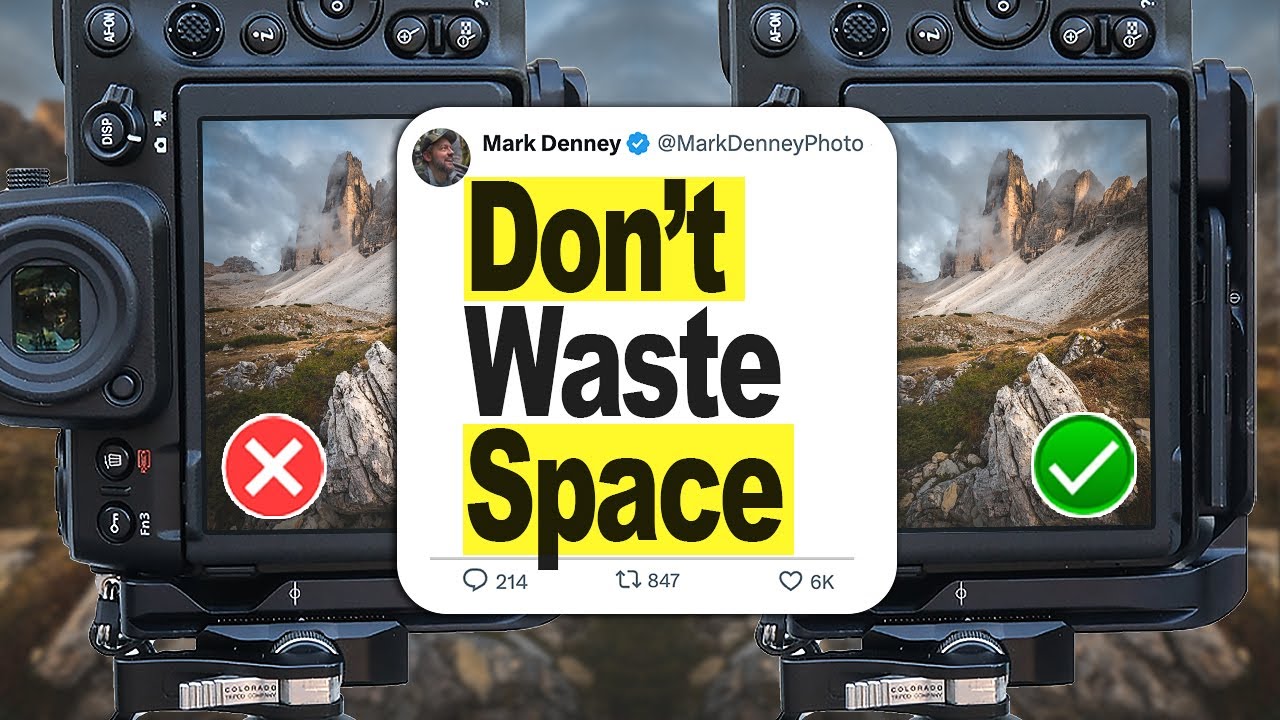
For a long time, composition felt like the part of photography where the rules multiplied faster than I could memorize them. Rule of thirds, leading lines, negative space, golden ratio — all useful, all valid, and yet somehow none of it answered the most practical question I kept running into in the field: what do I actually do when I’m not sure if I have the shot? I’d come home from a shoot, pull up my files, and realize the thing that was bothering me about an image was something I could have fixed right there on location if I’d only given myself a little room to work.

Why I Always Have a Compact Camera in My Pocket (And How Sean Tucker Convinced Me to Stop Making Excuses)

Why I Always Have a Compact Camera in My Pocket (And How Sean Tucker Convinced Me to Stop Making Excuses)

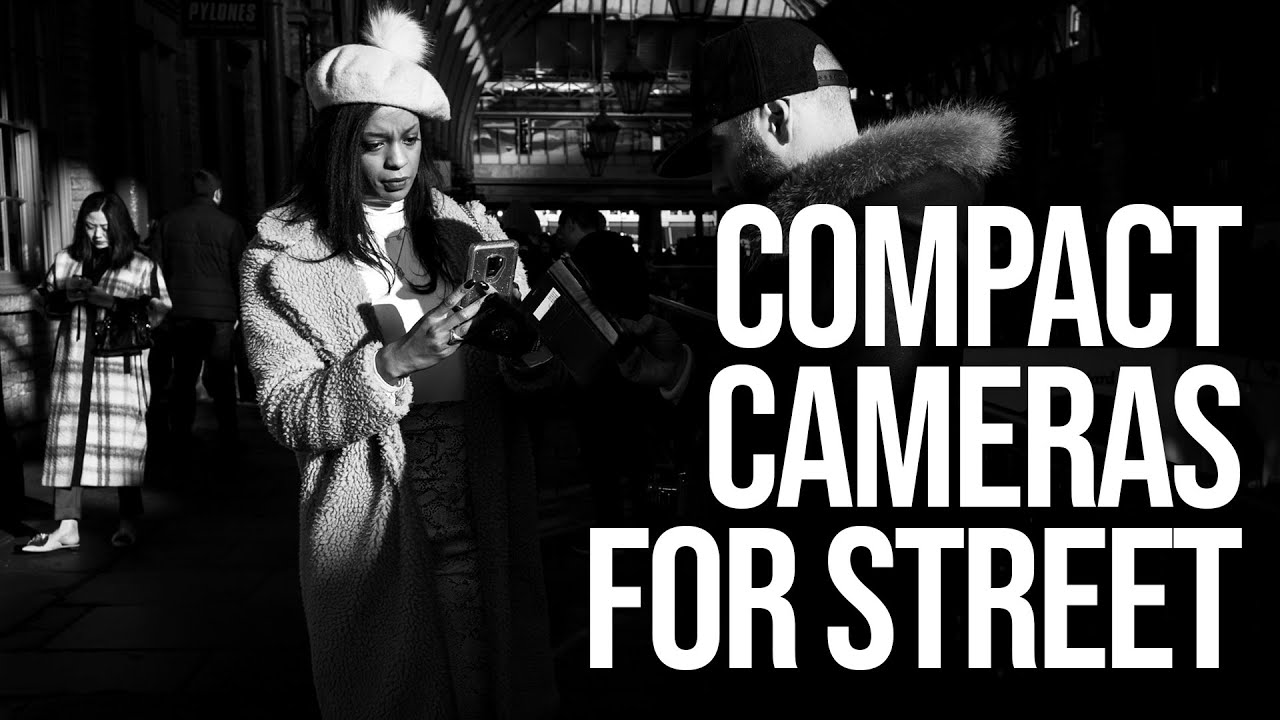
Every Sunday morning I do a photo walk. Rain, shine, or the kind of Seattle gray that makes you question your life choices. The ritual is the point. But I’ll be honest with you — there have been plenty of Sundays where I nearly talked myself out of going because I didn’t feel like hauling my whole kit. And on those days, the camera that saves the walk is always the small one stuffed into my jacket pocket.

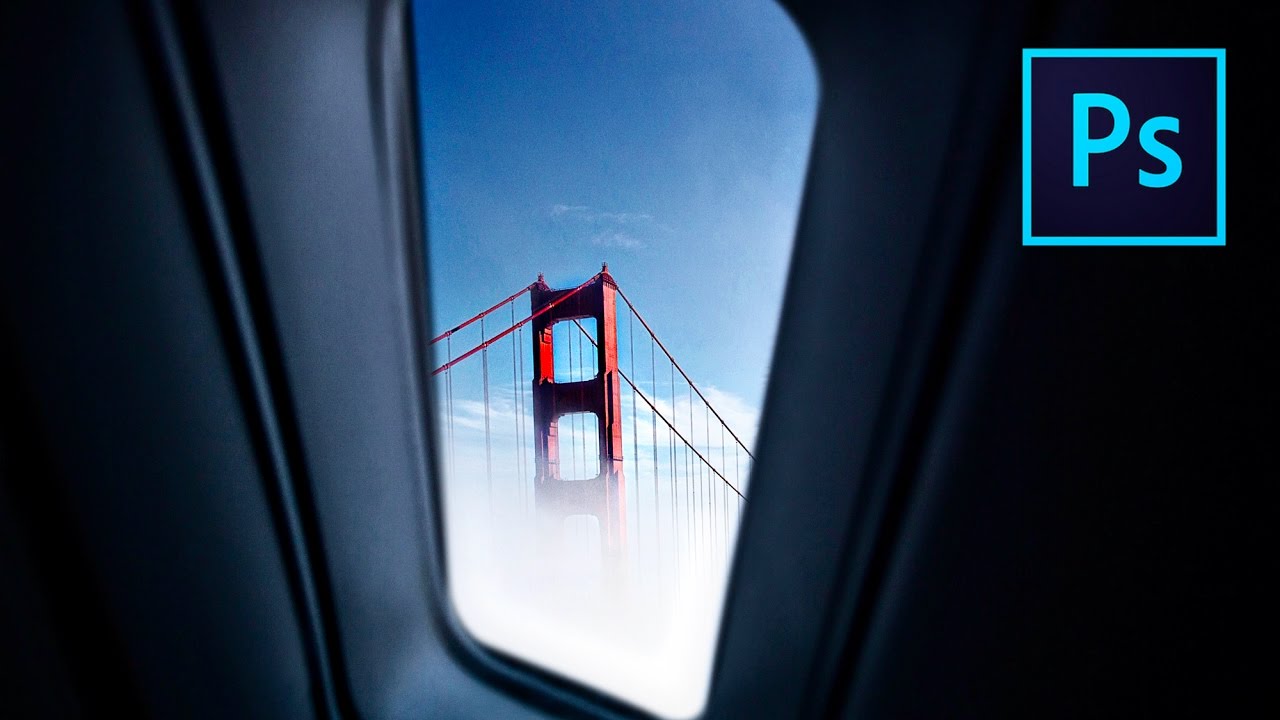
How to Composite Fake Backgrounds Into Your Photos Using Photoshop (And Why You Shouldn't Feel Guilty About It)

How to Composite Fake Backgrounds Into Your Photos Using Photoshop (And Why You Shouldn't Feel Guilty About It)

Every Sunday morning I do a photo walk around Seattle, and I come back with about two hundred shots. Maybe ten of them are genuinely interesting. A handful have great light but a cluttered background. A few have a compelling subject and a completely dead sky. For years I either published the mediocre version or deleted the file entirely. It took watching other photographers talk openly about compositing for me to realize there was a third option.

How Many Great Photos Should You Actually Expect? Sean Tucker's Layering Method Explained

How Many Great Photos Should You Actually Expect? Sean Tucker's Layering Method Explained

Every Sunday morning I do a photo walk. Rain, shine, Seattle gray — doesn’t matter. I’m out the door with coffee and a camera. And for years, I’d come home frustrated if I didn’t have at least one image I felt proud of. I’d scroll through 200 frames, find maybe three that were decent, and wonder what I was doing wrong. It took me a long time to realize that frustration wasn’t a skill problem.

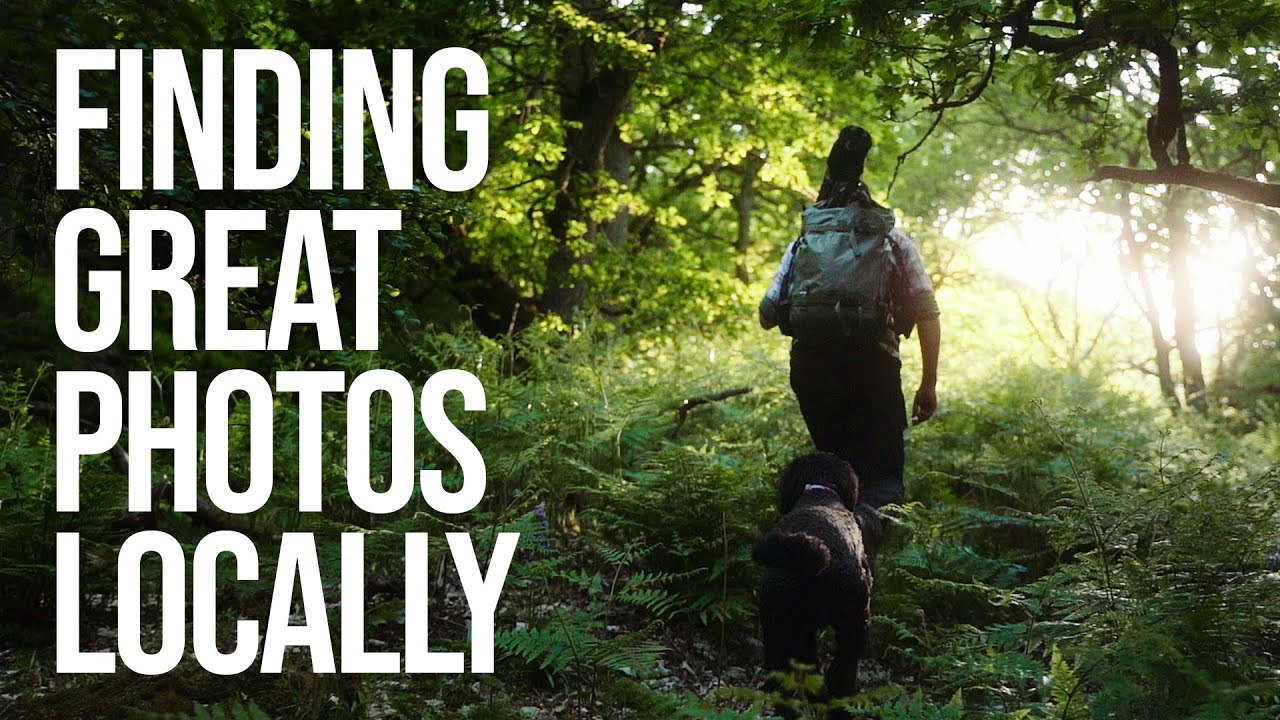
Stop Chasing Distant Locations: How to Find Your Best Photos Right Outside Your Door

Stop Chasing Distant Locations: How to Find Your Best Photos Right Outside Your Door

Every Sunday morning, I grab my camera and walk the same few blocks around my Seattle neighborhood. Same streets. Same coffee shop on the corner. Same stretch of waterfront. People have asked me why I don’t drive somewhere more interesting, and honestly, I used to wonder the same thing myself. For a long time, I operated under this quiet assumption that great photography required great effort to get somewhere new. I once spent an entire vacation fixating on one waterfall shot, missing dinner every single night trying to get the light right.

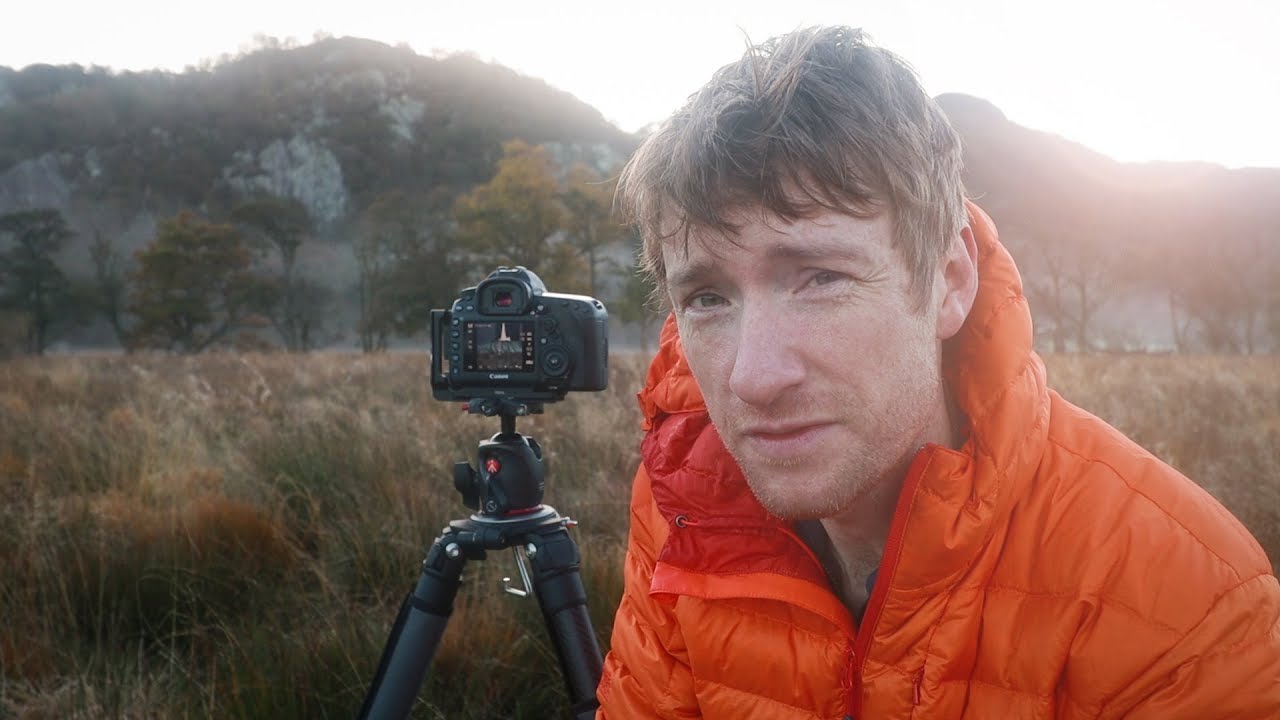
How to Read Light in the Field: Lessons from a Day of Autumn Landscape Photography

How to Read Light in the Field: Lessons from a Day of Autumn Landscape Photography

Every Sunday morning I do a photo walk. It started as a way to stay sharp between paid shoots, but it’s turned into the single best thing I do for my photography. The problem I kept running into, especially in the early days, was showing up to a beautiful location and coming home with nothing. The light was fine, the scenery was there, but I had no framework for how to find a shot when one wasn’t obviously presenting itself.

You Don't Need a $3,000 Camera to Go Viral: Here's the Proof

You Don't Need a $3,000 Camera to Go Viral: Here's the Proof

I have a confession that will probably surprise exactly zero people who follow my work: my most-liked Instagram photo was taken on a $200 phone. Not my Sony. Not the lens I saved up three months for. A phone. That one post cracked something open for me, and I’ve been chasing that thread ever since, looking for evidence that gear is less of a deciding factor than we’ve been told.