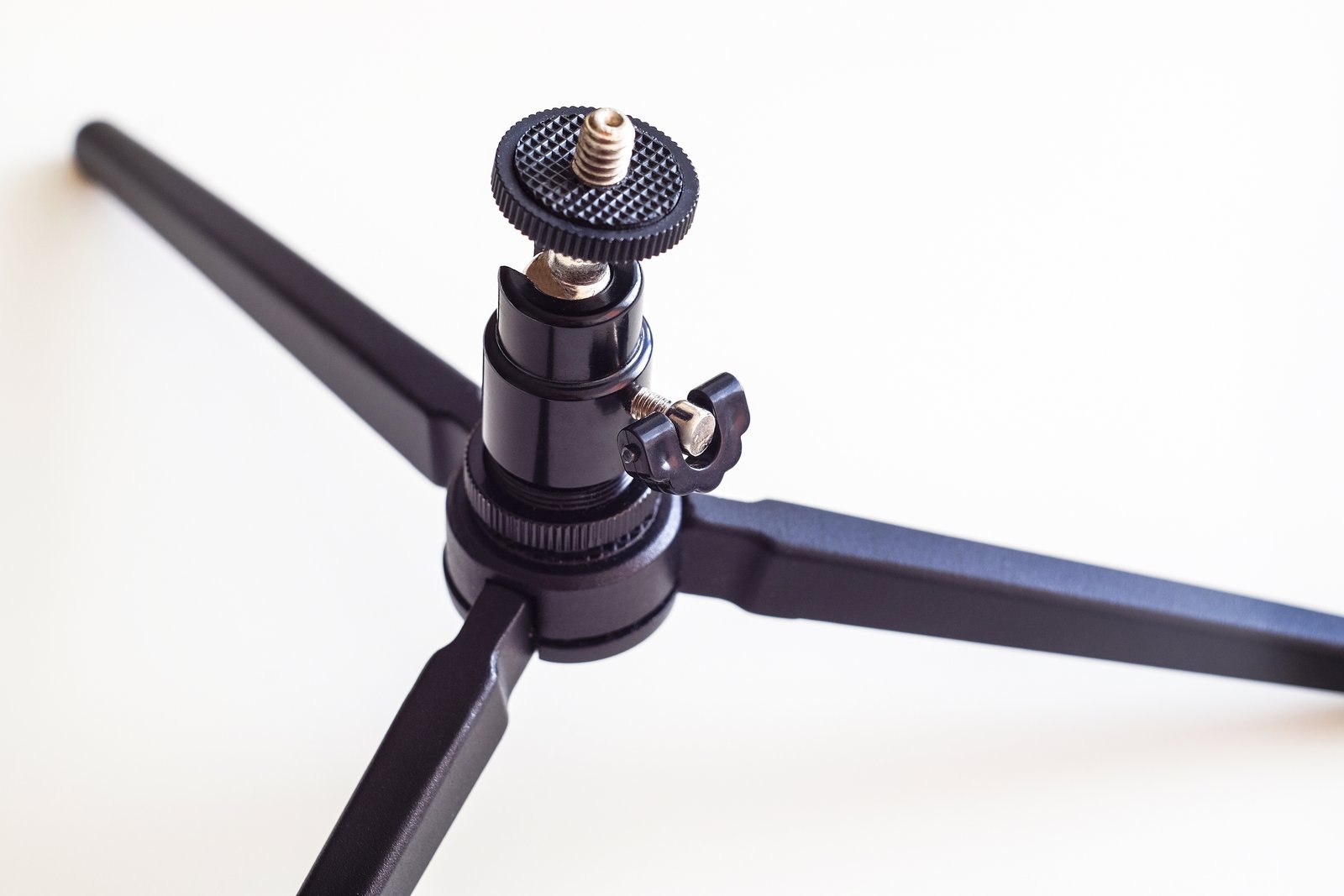
Breaking Free From My Tripod Resistance
Let me be honest: I’ve spent years actively avoiding tripods. I viewed them as cumbersome obstacles that slowed down my creative process and cluttered my shooting experience. Many photographers share this sentiment, and I never thought I’d change my mind. But recently, my perspective shifted entirely, and I’m here to share what I learned.
Understanding the Resistance
Before diving into my change of heart, let’s acknowledge why so many photographers resist tripods:
- Perceived bulkiness — They take up valuable space in your camera bag
- Setup time — Every minute spent positioning feels like lost shooting opportunities
- Decreased mobility — Tripods anchor you to one location
- Learning curve — There’s a technique to using them effectively
I understood all these objections because I lived them. However, what I didn’t fully appreciate was what I was sacrificing by avoiding them.
The Game-Changer
Everything shifted when I invested in a genuinely well-designed tripod that addressed my specific pain points. The experience revealed something crucial: the right gear can fundamentally improve your photography, not through magic, but through enabling better technique.
Here’s what actually changed:
- Sharper images — Eliminating camera shake revealed detail I didn’t know I was missing
- Better composition — Taking time to frame shots properly forced me to think more intentionally
- Hands-free operation — Self-portraits and group photos suddenly became feasible
- Consistent results — Repeatability in testing exposure and settings became possible
Rethinking the Investment
What I initially saw as a limitation actually became a tool for growth. A quality tripod isn’t about restricting your creativity—it’s about supporting it. Whether you’re exploring long-exposure photography, improving your technical skills, or simply wanting sharper daytime images, the stability foundation matters.
Moving Forward
If you’ve been hesitant about tripods like I was, I encourage you to reconsider with fresh eyes. The specific model matters less than finding one that matches your style and needs. What works for a studio photographer differs from what a travel photographer requires.
The real lesson isn’t about the gear itself—it’s about staying open to tools that might enhance your craft, even when you’ve previously dismissed them. Sometimes our greatest growth comes from challenging our own assumptions.
Comments (2)
I tried this on a client project yesterday and the results were way better than expected.
The tip about why even tripod skeptics shoul was the missing piece for me. Thank you.
Leave a Comment