What a Hasselblad on the Coast Taught Me About Shooting Film Without a Safety Net

What a Hasselblad on the Coast Taught Me About Shooting Film Without a Safety Net

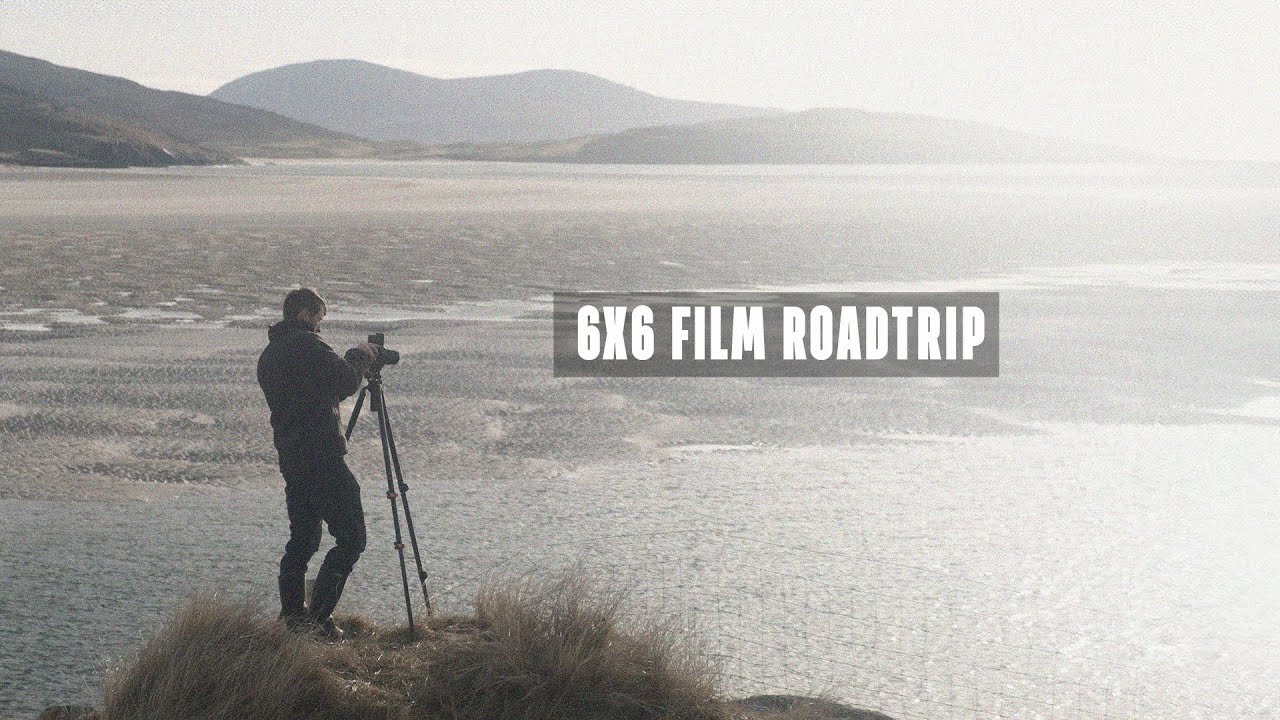
Every film photographer I know has a version of the same story: you drive an hour to a location, set up your camera, and realize you forgot something important. A filter adapter. A cable release. The prism viewfinder you were absolutely certain you packed. What makes the difference between a ruined shoot and a great one isn’t perfect preparation. It’s knowing how to adapt your technique on the fly while still protecting the exposures you only get twelve of per roll.
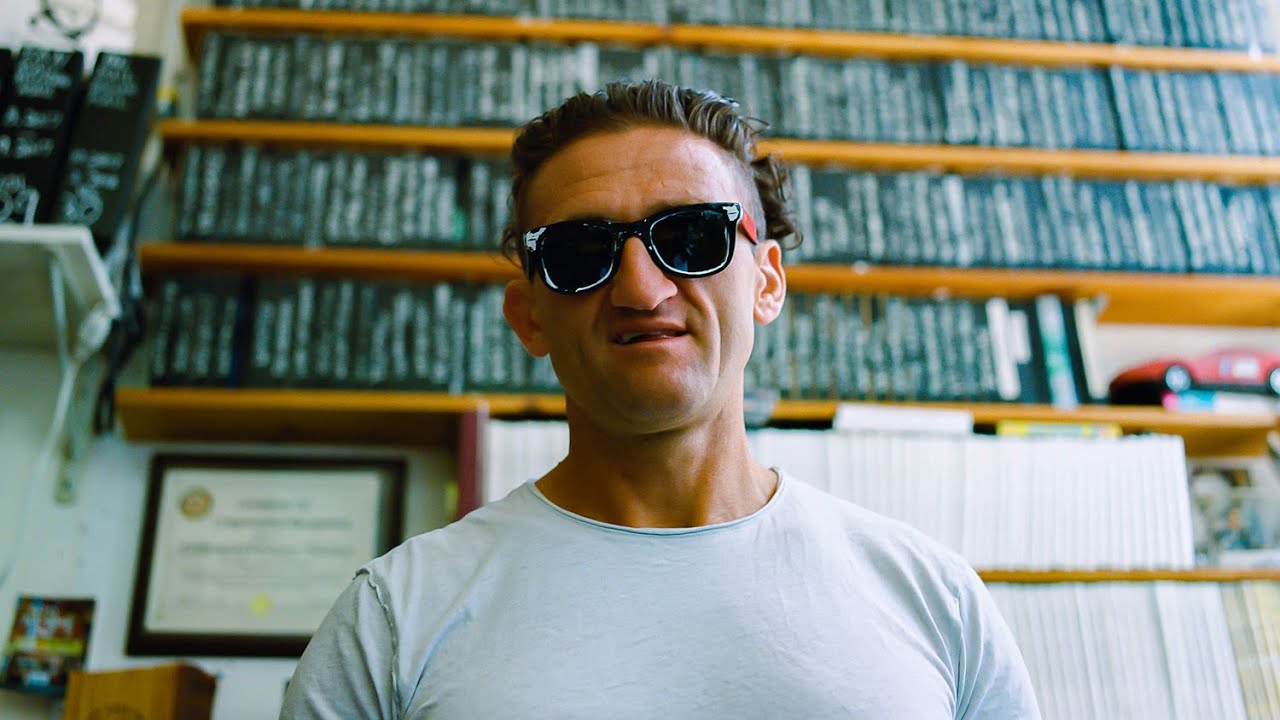
Zone Focus, Film Burns, and Honest Editing: What Peter McKinnon's NYC Street Shoot Taught Me

Zone Focus, Film Burns, and Honest Editing: What Peter McKinnon's NYC Street Shoot Taught Me

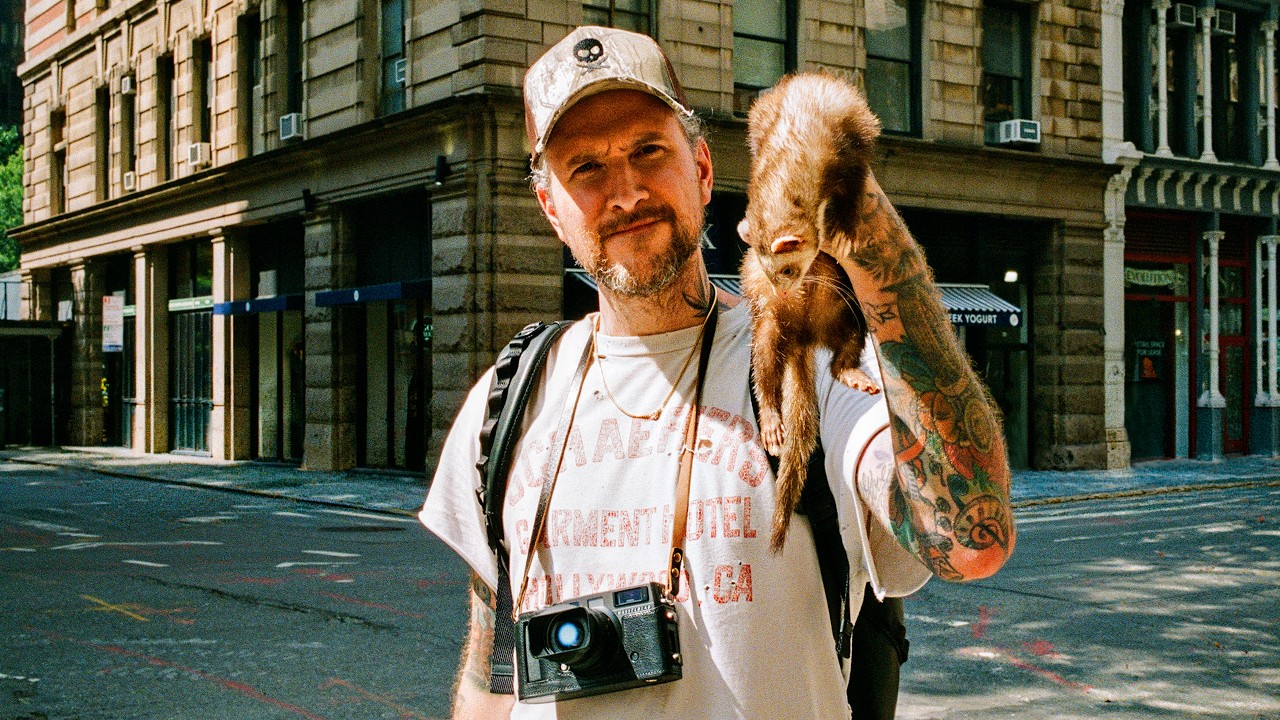
Every Sunday morning I take a photo walk. No client, no brief, just me and whatever camera I grab off the shelf. For a long time, those walks felt like practice without a destination because I was still thinking like a studio shooter. I’d wait for perfect light, fuss over focus, and come home with twelve technically fine images and zero soul. What I was missing was the street shooter’s mindset: decide your settings, commit to your zone, and let the city do the rest.

Affordable Instant Photography Just Got More Accessible: What You Need to Know About Budget-Friendly Instant Cameras

Affordable Instant Photography Just Got More Accessible: What You Need to Know About Budget-Friendly Instant Cameras

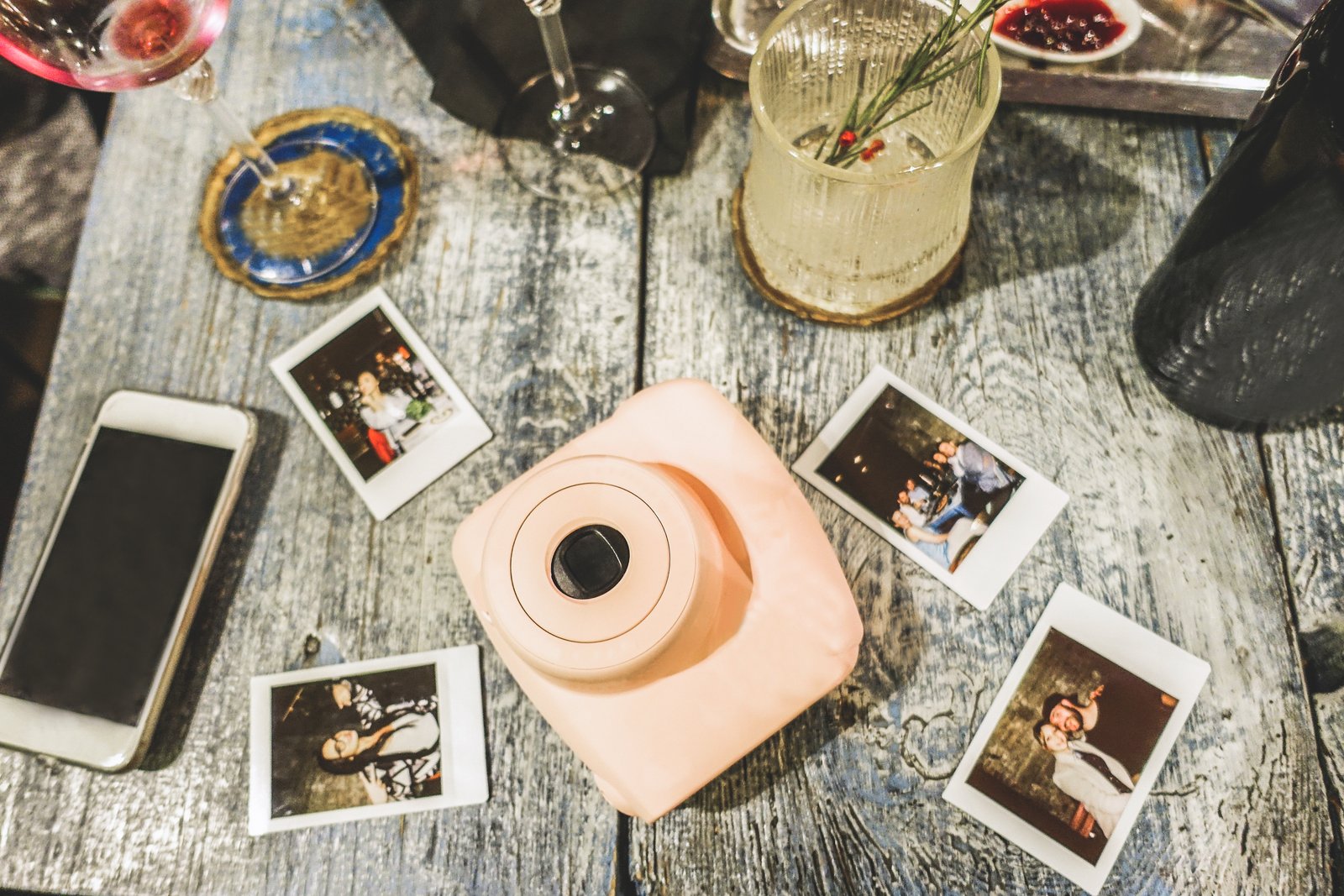
Making Instant Photography Accessible to Everyone I’ve watched instant film photography make a remarkable comeback over the past decade, and I’m thrilled to see manufacturers responding to demand by creating genuinely affordable options. Recently, I came across some exciting news that reinforces this trend: compact instant cameras are now available at price points that won’t intimidate beginners or drain your budget. Why This Matters for New Photographers When I started mentoring beginner photographers, cost was always a barrier to trying instant film.

10 Film Photographers You Should Be Following Right Now (And What They Taught Me About Shooting Film)

10 Film Photographers You Should Be Following Right Now (And What They Taught Me About Shooting Film)

I’ve been shooting digital for years, and somewhere along the way I convinced myself that film was this intimidating, gatekept world I wasn’t ready for. Too many settings I didn’t understand. Too much money wasted on bad exposures. Too many things I couldn’t just fix in Lightroom later. What finally cracked that wall open for me wasn’t a manual or a course. It was watching other photographers who were further down the road share exactly who had taught them and why.

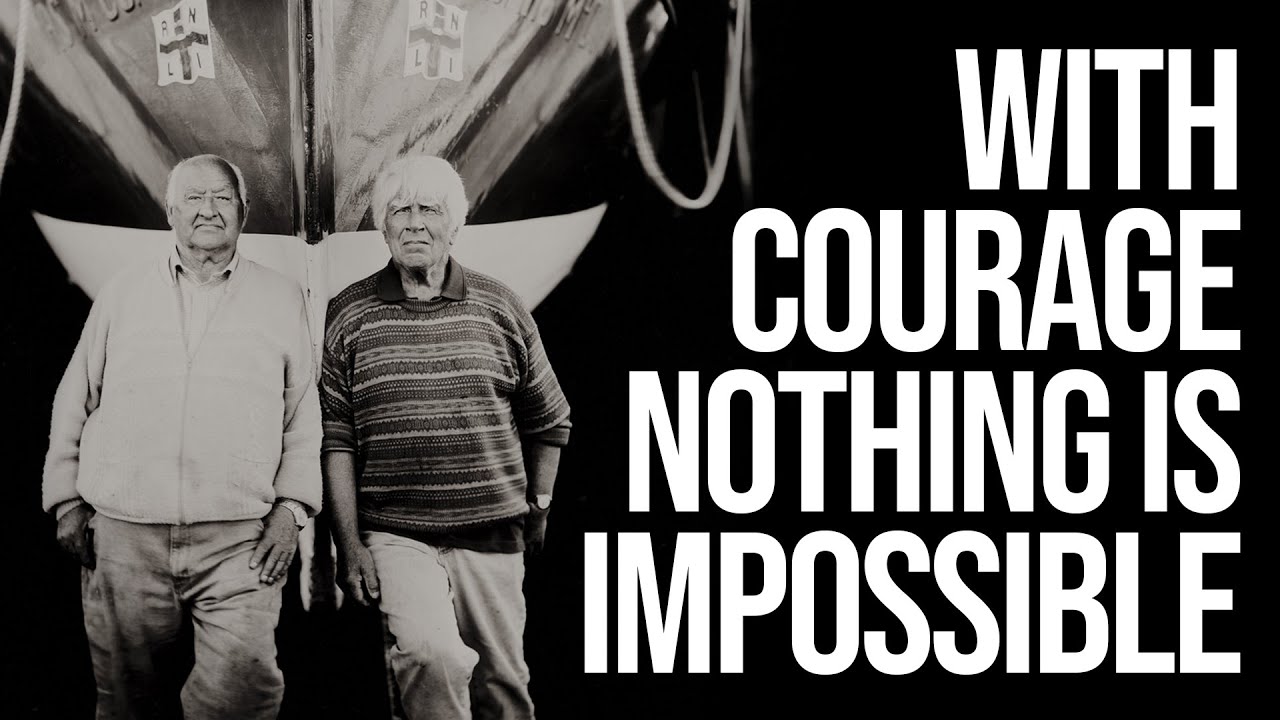
What a 10-Year Wet Plate Photography Project Taught Me About Committing to a Vision

What a 10-Year Wet Plate Photography Project Taught Me About Committing to a Vision

Every Sunday morning I do a photo walk. No agenda, no client, no brief. Just me, a coffee, and whatever lens feels right that day. I started the tradition because I kept noticing that my best personal work happened when I wasn’t trying to impress anyone. But even with that ritual locked in, I’ve struggled with the bigger question: what am I actually building toward? A folder of nice images isn’t a body of work.

How to Edit Film Scans in Lightroom (and Why Less Is Almost Always More)

How to Edit Film Scans in Lightroom (and Why Less Is Almost Always More)

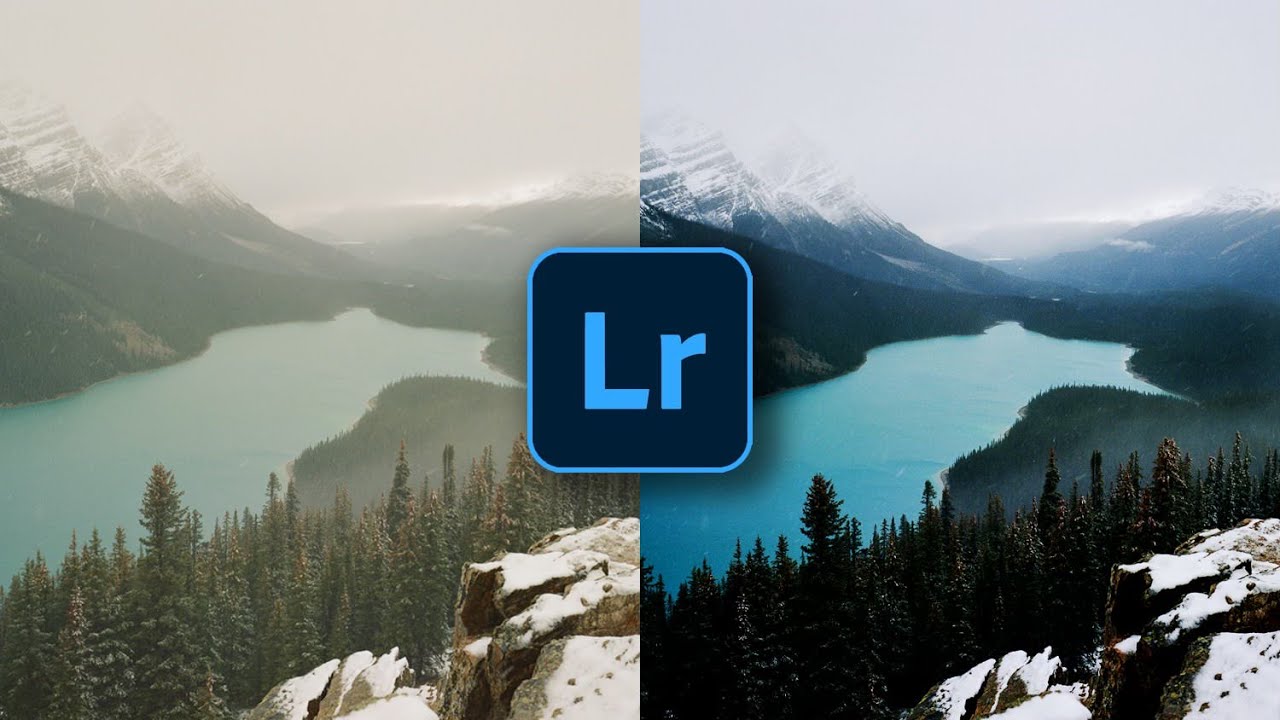
Film photography has been sneaking back into my life lately, and honestly, I wasn’t prepared for the editing side of it. I assumed shooting film meant skipping the computer entirely. Wasn’t that the whole point? Then I started getting my scans back from the lab and realized: flat profiles are the default for a reason. The lab is giving you latitude, not a finished image. You still have to show up in Lightroom.

Why I Started Intentionally Making My Photos Look Worse (And Why You Should Too)

Why I Started Intentionally Making My Photos Look Worse (And Why You Should Too)

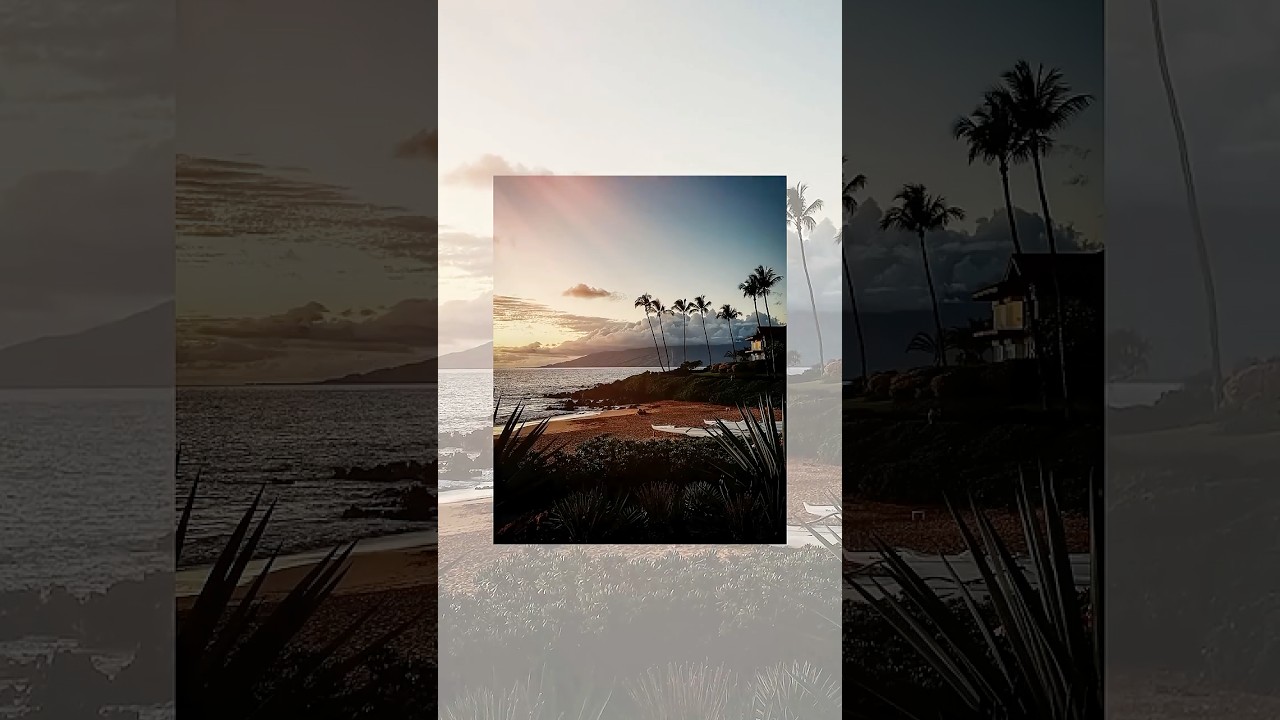
There’s a photo on my Instagram that I’m almost embarrassed about. It was taken on a $200 Android phone, slightly crooked, a little blown out in one corner. It’s also my most liked post by a wide margin. I’ve spent a lot of time thinking about why. So when I came across a Peter McKinnon tutorial where he describes holding his son, spotting incredible light, snapping a quick shot, and then lying in bed that night feeling almost unsettled by how effortlessly beautiful it looked, I felt that immediately.

What Shooting Street Photography on Kodak Tri-X Taught Me About Slowing Down

What Shooting Street Photography on Kodak Tri-X Taught Me About Slowing Down

Every Sunday morning I take a photo walk through my neighborhood in Seattle. No agenda, no client, no assignment. Just me and whatever camera I feel like carrying. For the longest time I treated it as a warm-up, a way to shake the rust off before a “real” shoot. I’d come home with 200 frames and maybe feel good about three of them. Fast and loose, spray and pray. Then I watched Watch the full tutorial on YouTube, where Sean Tucker introduces Hong Kong-based film street photographer Mavis CW and spends time unpacking why her approach to film changes the entire relationship a photographer has with a scene.

Using Your Camera as a Compass: What Ian Howorth Taught Me About Photographing Places You Don't Fully Understand Yet

Using Your Camera as a Compass: What Ian Howorth Taught Me About Photographing Places You Don't Fully Understand Yet

There’s a specific kind of restlessness I feel when I visit a new city and I can’t quite put my finger on what makes it itself. I’ve been in that situation more times than I can count, standing on a corner in some neighborhood I don’t know, camera in hand, unsure whether I’m seeing something worth capturing or just projecting my own expectations onto ordinary streets. It’s not a technical problem.

What Joel Grimes and a 4x5 Camera Taught Me About Obsessing Over Focus

What Joel Grimes and a 4x5 Camera Taught Me About Obsessing Over Focus

I’ve been thinking a lot lately about what it actually means to commit to a shot. Not in the motivational-poster sense. I mean the physical, logistical, you-burned-your-dinner kind of commitment. Last month I was out on my Sunday morning photo walk and I kept chimping, checking the back of my camera every thirty seconds, second-guessing my focus point, re-shooting the same frame six or seven times. I got home with 200 photos and maybe two that felt intentional.

How to Never Miss Focus on a Large Format Portrait (The Dual Focusing Method Explained)

How to Never Miss Focus on a Large Format Portrait (The Dual Focusing Method Explained)

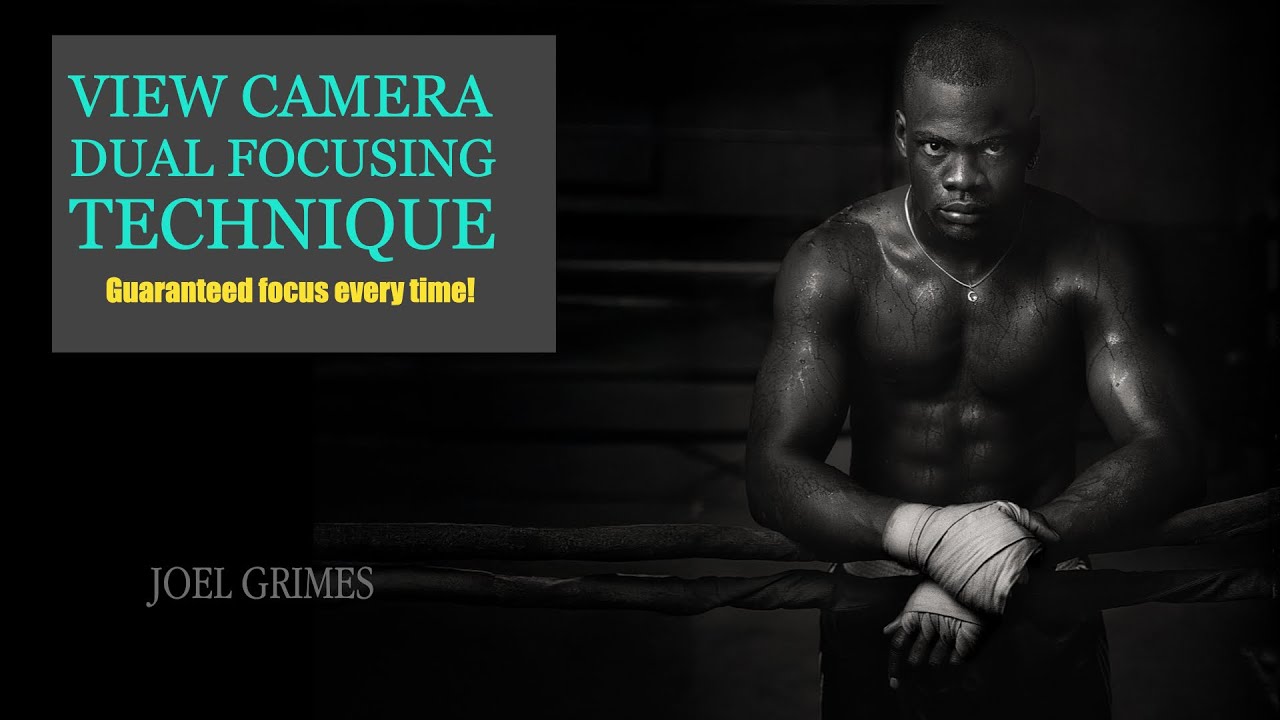
There is a specific kind of dread that comes from getting film back and realizing your shot is soft. Not artistically soft. Out of focus. I’ve felt a version of that with digital files, staring at a portrait at 100% zoom and watching the eyes dissolve into mush. Now multiply that by the cost, the rarity, and the sheer ceremony of shooting 4x5 film, and you start to understand the problem Joel Grimes was facing when he set out to photograph portraits on a large format view camera for major ad campaigns.

Why a New Vintage Lens Mount Still Matters to Modern Photographers

Why a New Vintage Lens Mount Still Matters to Modern Photographers

Why a New Vintage Lens Mount Still Matters to Modern Photographers I was genuinely surprised to learn that 7Artisans recently released a fresh 35mm f/2.8 lens for the Leica Thread Mount system. Here we are, well into the digital era, and manufacturers are still creating glass for a mounting system that’s over a century old. But the more I thought about it, the more this decision made perfect sense—and it speaks to something important about how we approach photography as a craft.