Every Sunday morning I do a photo walk. No agenda, no client, no brief. Just me, a coffee, and whatever lens feels right that day. I started the tradition because I kept noticing that my best personal work happened when I wasn’t trying to impress anyone. But even with that ritual locked in, I’ve struggled with the bigger question: what am I actually building toward? A folder of nice images isn’t a body of work. That distinction started to feel urgent once I passed my late twenties and realized I’d been shooting reactively for years.
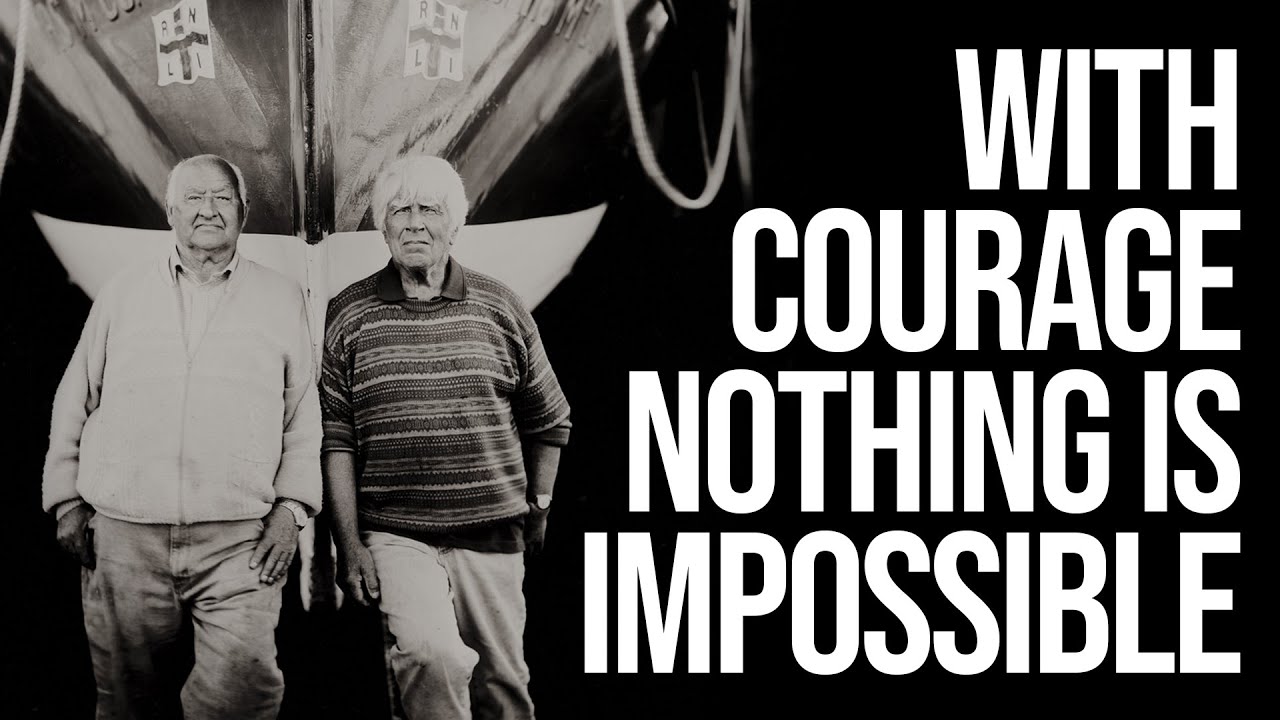
That’s why this tutorial stopped me cold. In this Sean Tucker interview, photographer Jack Lowe walks through the origin and execution of the Lifeboat Station Project, a decade-long commitment to document all 238 Royal National Lifeboat Institution stations around the UK coastline, using wet plate collodion photography on glass. Tucker caught up with Lowe in year eight of the project, and what came out of their conversation is less a technical how-to and more a blueprint for how a working photographer finds a vision worth spending a decade on. Watch the full tutorial on YouTube
If you’ve ever felt stuck between loving photography and not knowing what to do with it, this one is for you.
Step 1: Stop Optimizing and Start Asking What You Actually Want
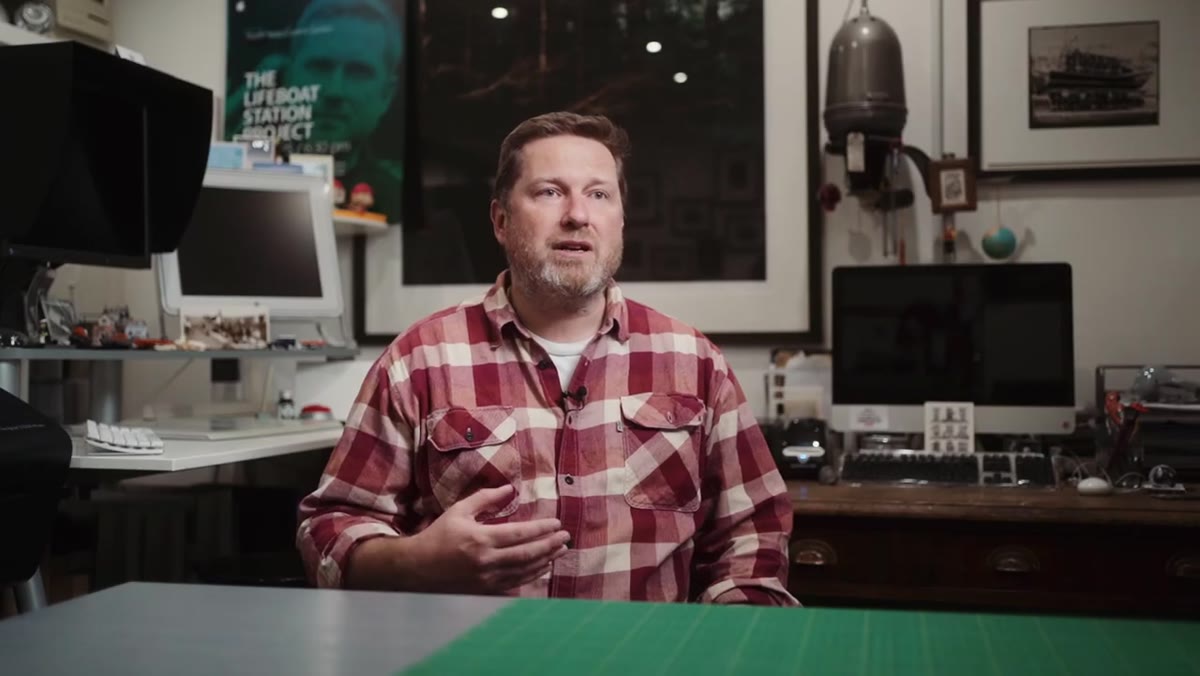
 Jack Lowe speaking candidly about searching for a meaningful project
Lowe describes a moment of honesty with himself that most photographers avoid: he acknowledged that what he was doing day-to-day, digital retouching and print work for other photographers and agencies, had nothing to do with where he intended to be. The computer had taken over the print table he’d imagined as his own creative space.
Jack Lowe speaking candidly about searching for a meaningful project
Lowe describes a moment of honesty with himself that most photographers avoid: he acknowledged that what he was doing day-to-day, digital retouching and print work for other photographers and agencies, had nothing to do with where he intended to be. The computer had taken over the print table he’d imagined as his own creative space.
His advice is disarmingly simple but genuinely difficult. Sit down and write, in no more than one short paragraph, what you want from your life as a photographer. Not what you’re good at. Not what pays. What you want. He notes that this exercise moves people to tears when they realize the gap between what they’ve written and what they’re actually doing. That gap is data. Use it.
Step 2: Follow the Threads From Your Own History
 Lowe describing the three words that shaped the project’s direction
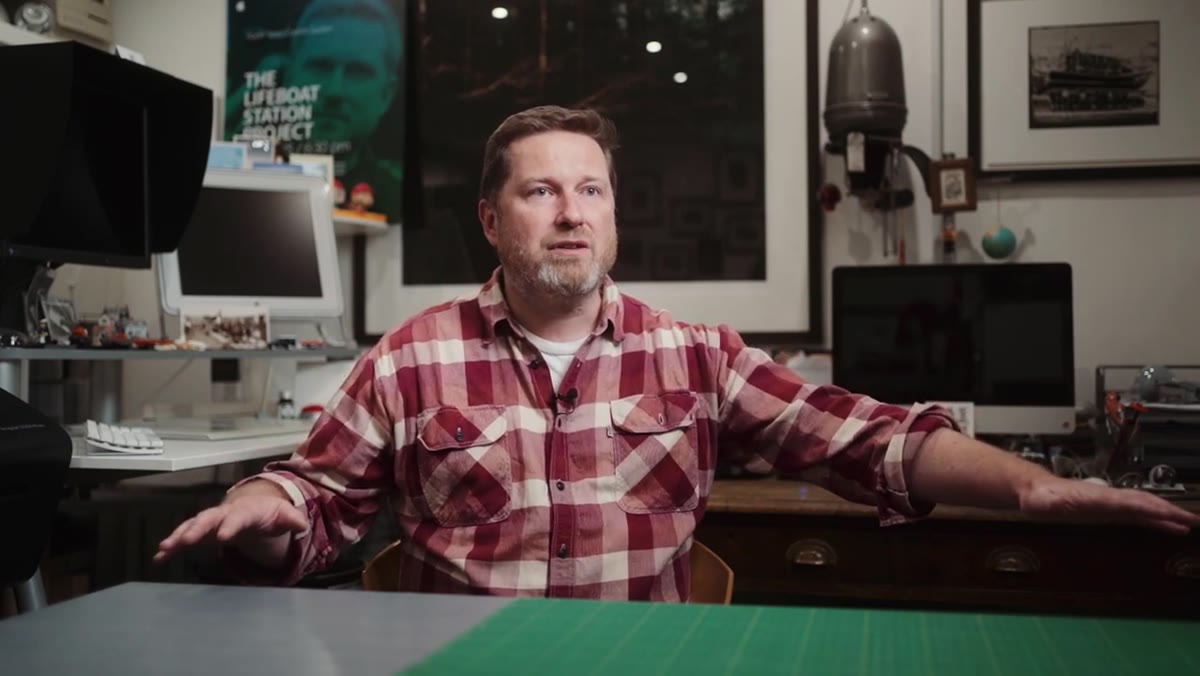
Once Lowe gave himself permission to be honest, he went looking in the right place: childhood. He made a list of things that had genuinely excited him when he was young, before career pressure shaped his tastes. Three words surfaced: photography, lifeboats, and the sea.
Lowe describing the three words that shaped the project’s direction
Once Lowe gave himself permission to be honest, he went looking in the right place: childhood. He made a list of things that had genuinely excited him when he was young, before career pressure shaped his tastes. Three words surfaced: photography, lifeboats, and the sea.
This isn’t nostalgia for its own sake. Those early obsessions tend to be durable in a way that trend-chasing never is. For working photographers, the practical takeaway is this: your long-term project should sit at the intersection of multiple genuine interests, not just one. A single passion can run dry. Overlapping passions reinforce each other and keep you returning to the work through the hard stretches.
Step 3: Let the Specific Subject Find You
 Lowe recounting the Sunday morning kitchen table moment with the map
The specific shape of Lowe’s project came to him unexpectedly, on a quiet Sunday morning over a cup of tea. He looked up at an RNLI map printed on a tea towel that had been hanging in his kitchen for years, and the question landed: had anyone ever visited every single station and made a unified body of work from it?
Lowe recounting the Sunday morning kitchen table moment with the map
The specific shape of Lowe’s project came to him unexpectedly, on a quiet Sunday morning over a cup of tea. He looked up at an RNLI map printed on a tea towel that had been hanging in his kitchen for years, and the question landed: had anyone ever visited every single station and made a unified body of work from it?
Notice the structure of that question. He wasn’t asking “what’s a cool project?” He was asking whether something necessary had been done. The best long-term photography projects tend to fill a gap. They document something that would otherwise go unrecorded. If your project idea passes the test of “this needs to exist and no one else has done it quite this way,” you’re onto something real.
Step 4: Choose a Process That Matches the Weight of the Subject
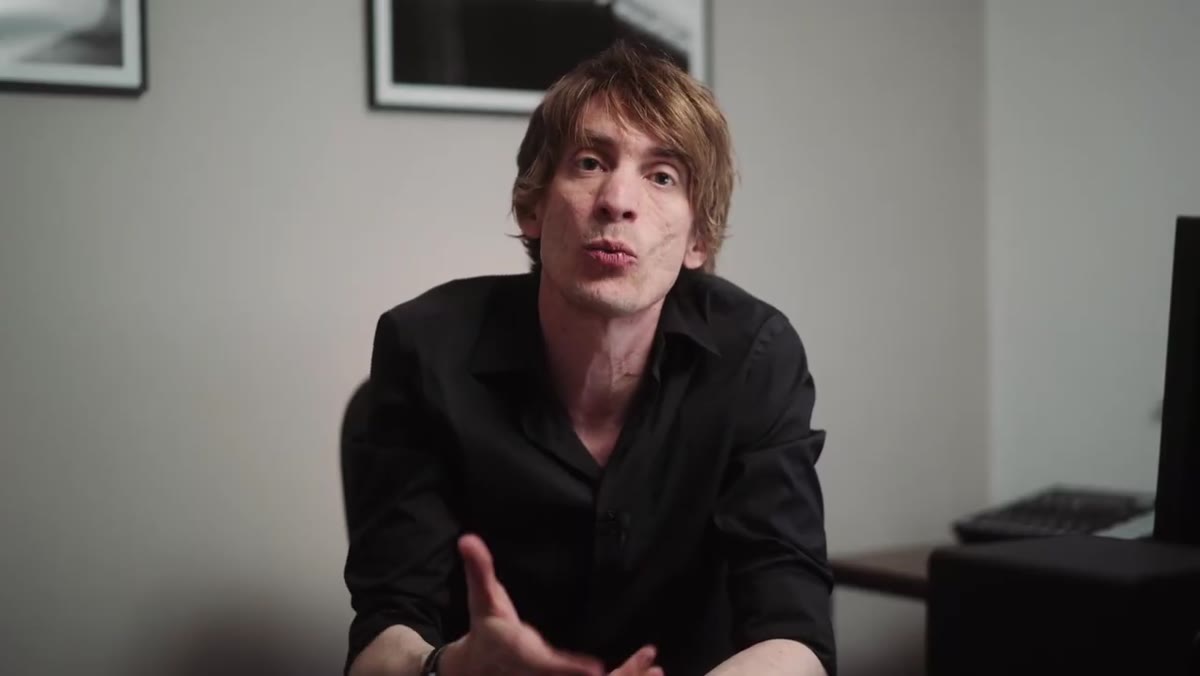 Sean Tucker describing the wet plate collodion process on glass plates
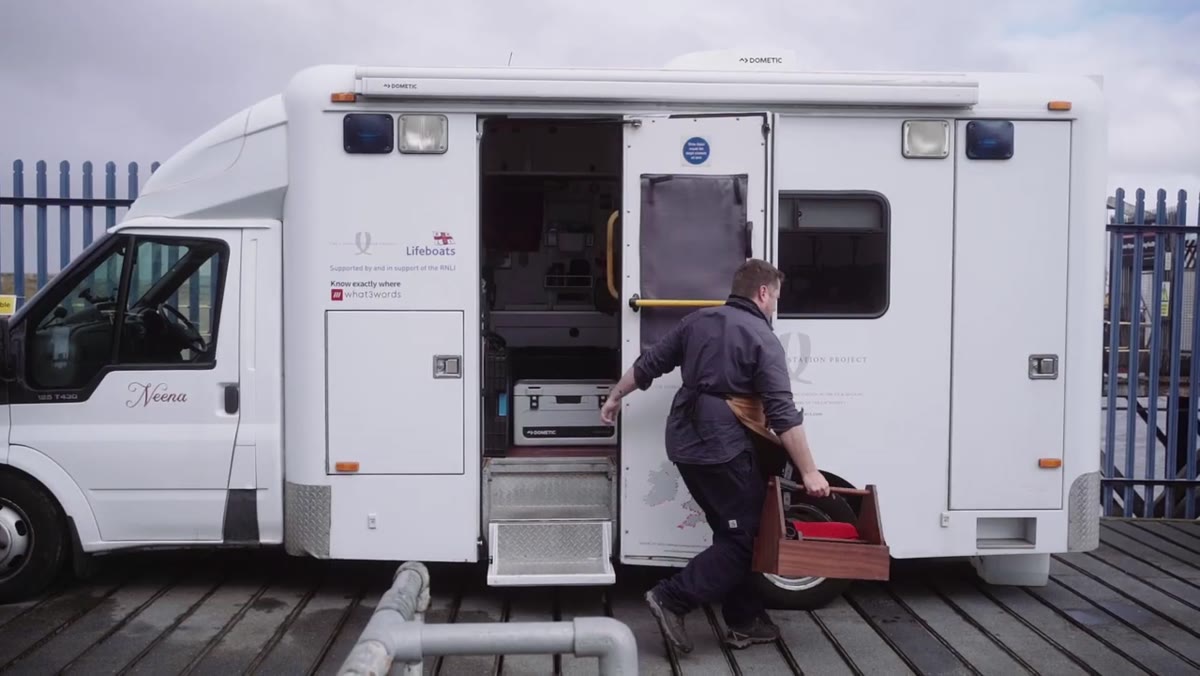
Lowe didn’t reach for a digital camera or even a modern film camera. He chose wet plate collodion photography, a process developed around 170 years ago that involves coating glass plates with light-sensitive chemicals, exposing them in-camera within minutes before they dry, and developing them immediately on location. It’s slow, demanding, and completely analog.
Sean Tucker describing the wet plate collodion process on glass plates
Lowe didn’t reach for a digital camera or even a modern film camera. He chose wet plate collodion photography, a process developed around 170 years ago that involves coating glass plates with light-sensitive chemicals, exposing them in-camera within minutes before they dry, and developing them immediately on location. It’s slow, demanding, and completely analog.
That choice wasn’t arbitrary. The subjects, volunteer lifeboat crews who risk their lives for strangers, carry a sense of history and weight that a quick digital snap wouldn’t honor. The process mirrors the commitment of the people being photographed. When you’re choosing how to shoot a project, ask whether the medium is doing expressive work or just getting out of the way. Sometimes the harder, slower process is the right one precisely because it costs something.
Step 5: Build in the Audience Response as Part of the Work
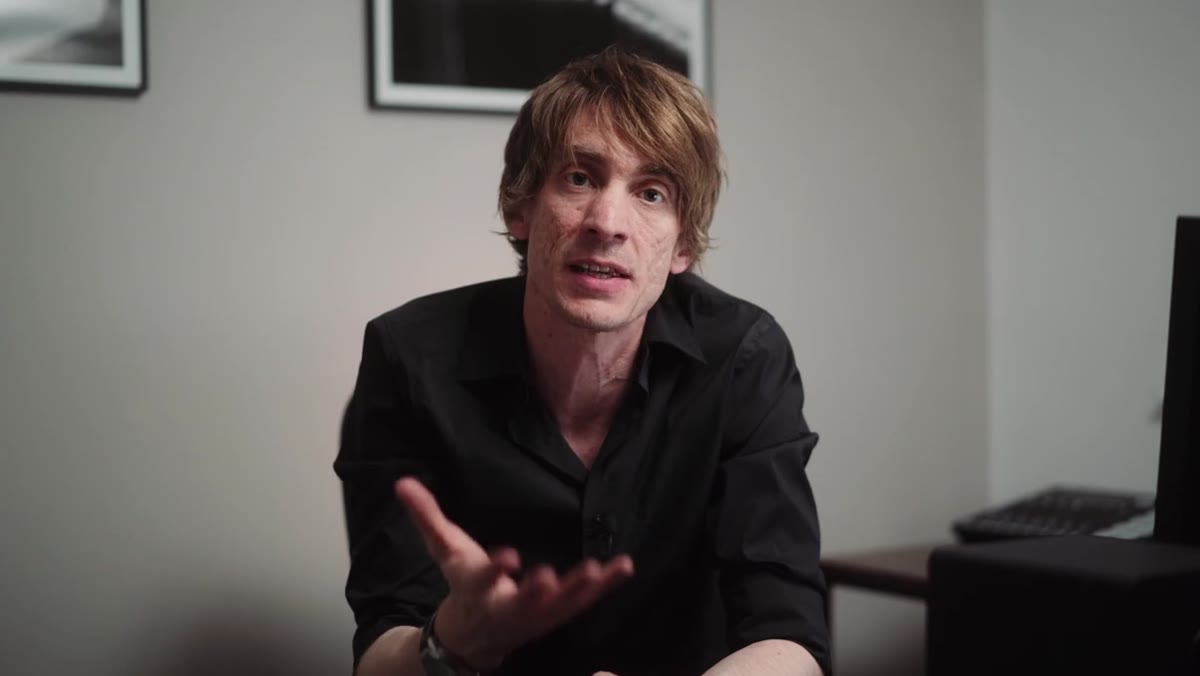 Tucker describing subjects watching images revealed on glass plates
One of the most compelling details Tucker raises is what happens when Lowe’s subjects watch their image emerge on a glass plate right in front of them. There’s no screen preview, no chimping, no immediate feedback loop. The image reveals itself slowly, in the developer, and the person in front of the camera gets to witness it.
Tucker describing subjects watching images revealed on glass plates
One of the most compelling details Tucker raises is what happens when Lowe’s subjects watch their image emerge on a glass plate right in front of them. There’s no screen preview, no chimping, no immediate feedback loop. The image reveals itself slowly, in the developer, and the person in front of the camera gets to witness it.
For photographers used to digital workflows, this is easy to dismiss as a gimmick. It isn’t. The moment of revelation becomes part of the photograph’s meaning. It creates a connection between the subject and their own image that is almost impossible to replicate with a digital file shown on a camera’s LCD. If you’re shooting documentary or portrait work, think carefully about how and when your subjects encounter their images. That moment shapes how they feel about the work, and how they talk about it to others.
Step 6: Accept That a Real Project Has a Real Timeline
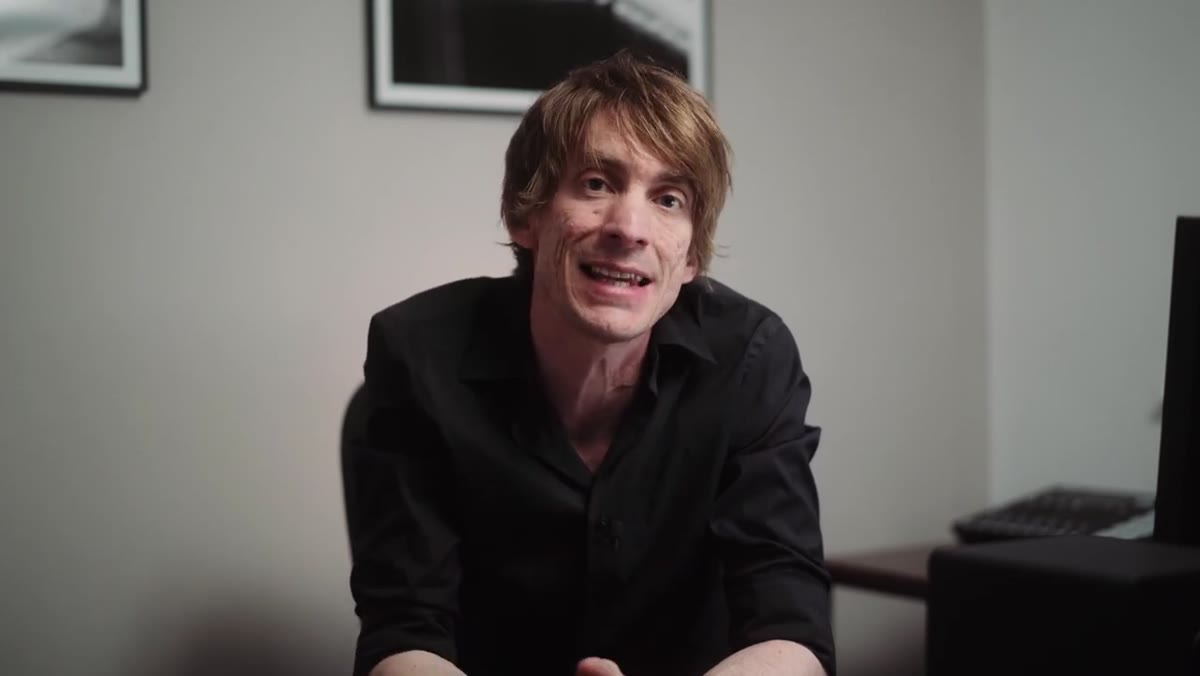 Tucker noting that Lowe knew the project would take ten years
Lowe knew before he started that this project would take approximately ten years. He left a stable career anyway. That’s not recklessness, it’s the recognition that meaningful, complete bodies of work don’t fit between weekends. This is the part that most photography advice skips entirely: the infrastructure question. How do you fund a decade-long project? How do you stay motivated in year four? Lowe committed publicly, which created accountability.
Tucker noting that Lowe knew the project would take ten years
Lowe knew before he started that this project would take approximately ten years. He left a stable career anyway. That’s not recklessness, it’s the recognition that meaningful, complete bodies of work don’t fit between weekends. This is the part that most photography advice skips entirely: the infrastructure question. How do you fund a decade-long project? How do you stay motivated in year four? Lowe committed publicly, which created accountability.
The practical move here is to decide upfront whether your project is a sprint or a marathon, and build accordingly. A project you’ll finish in six months needs different pacing than one you’ll carry for years. If it’s long-term, build in milestones, ways to share partial progress, and a community around the work so you don’t lose steam in the middle.
What I’d Add From My Own Experience
I’ve started and abandoned more personal projects than I’ll ever admit publicly. The pattern I always fall into is starting with the gear or the aesthetic before I’ve figured out why the thing needs to exist. Lowe’s approach inverts that entirely. The why came first. The process came second. The gear was almost incidental.
If you’re earlier in your photography journey and a decade-long project sounds impossible, start smaller but use the same logic. A one-year commitment to a single neighborhood, a single community, a single subject. The discipline of finishing something intentional, on your own terms, changes how you work at everything else.
The single most important thing I took from this tutorial is that purpose-driven photography isn’t about finding the perfect idea. It’s about being honest enough with yourself to write down what you actually want, brave enough to follow it, and patient enough to see it through. Jack Lowe did all three, and the work shows it.
Watch the full tutorial on YouTube and then go check out the Lifeboat Station Project directly. The images on glass are something you need to see for yourself.
Comments (3)
The before and after really sells it. Incredible difference.
This is the kind of content that keeps me coming back.
Couldn't agree more. I've seen this make a huge difference in color grading work specifically.
Leave a Comment