How to Actually Learn Photography Faster: Tony Northrup's Mentoring and Workshop Options Explained

How to Actually Learn Photography Faster: Tony Northrup's Mentoring and Workshop Options Explained

One of the questions I get most often from readers is some version of: “I’ve watched hundreds of tutorials, but I still feel stuck. What’s missing?” I know exactly what they mean, because I felt it too. Generic advice gets you only so far. At some point, you need someone to look at your photos, spot your specific habits, and tell you what to fix. That gap between consuming information and actually improving is real, and it’s the reason personalized photography instruction matters more than people give it credit for.
How to Make Your Wildlife Subject Pop: The Flip the Scene Editing Trick

How to Make Your Wildlife Subject Pop: The Flip the Scene Editing Trick

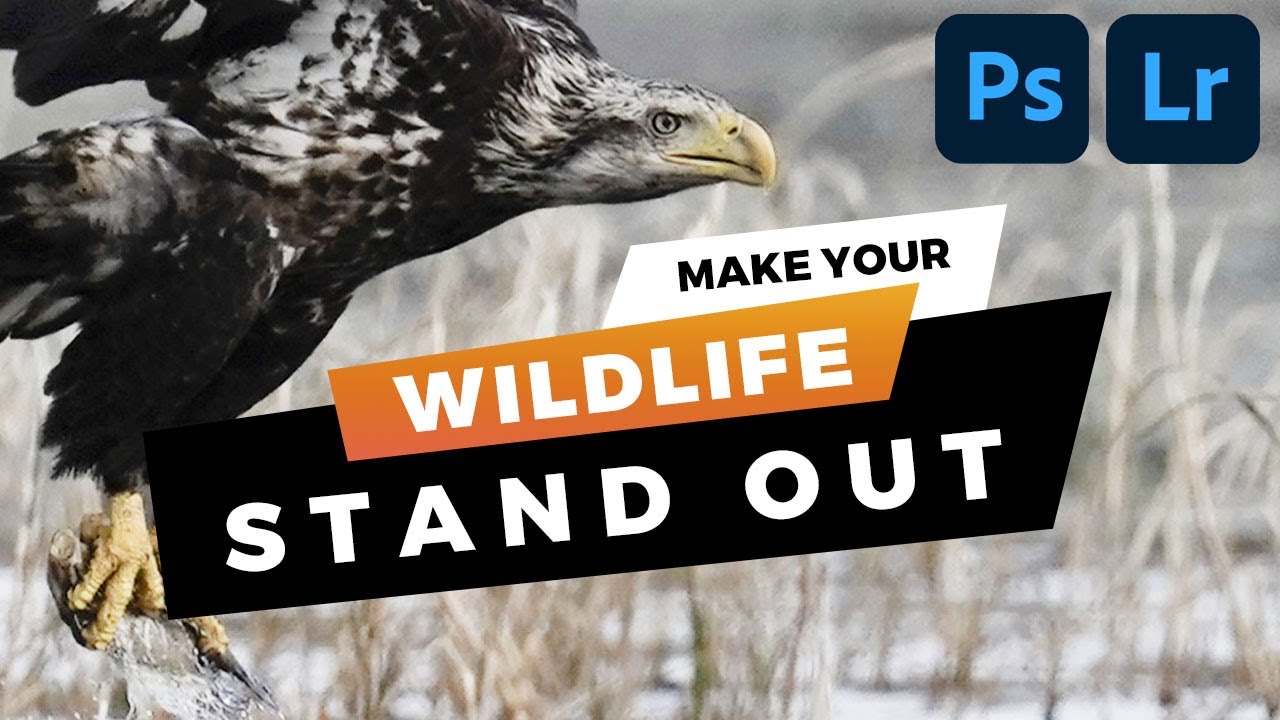
Every Sunday morning I take a photo walk around whatever corner of Seattle I land in, and if there’s one problem I’ve carried with me from shoot to shoot over the years, it’s this: I come home with a wildlife shot where the bird or animal looks muddy and flat against a background that’s somehow brighter and busier than the subject itself. It’s frustrating because you know the moment was good.

What a 9-Year-Old Award-Winning Wildlife Photographer Can Teach You About Seeing

What a 9-Year-Old Award-Winning Wildlife Photographer Can Teach You About Seeing

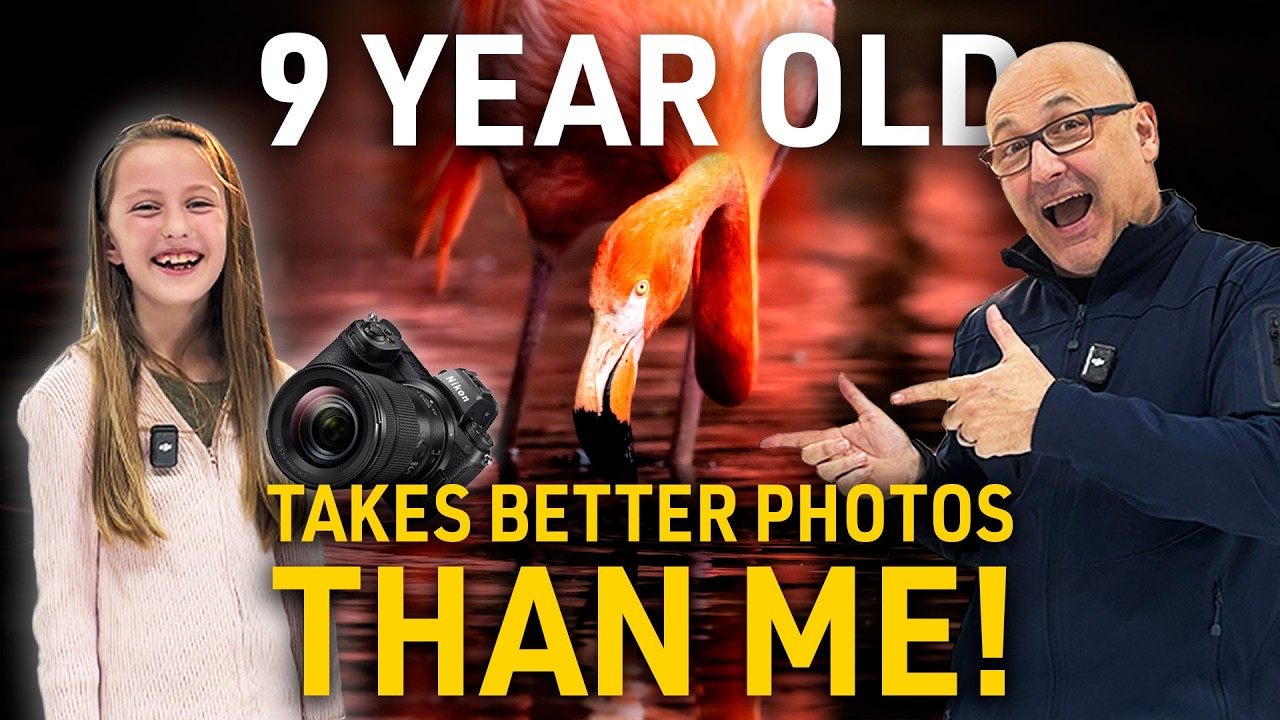
Every now and then I come across someone who reminds me why I fell in love with photography in the first place. Not a gear review, not a Lightroom preset drop. Just someone who actually sees. I was doing my Sunday morning photo walk when I fell down a rabbit hole and found this Visual Education tutorial with host Kyle Taylor interviewing Jamie Smart, a nine-year-old who had just won the 2025 Young British Wildlife Photographer of the Year.

When a Landscape Specialist Takes On Wildlife Photography: What I Learned

When a Landscape Specialist Takes On Wildlife Photography: What I Learned

Stepping Outside My Comfort Zone For years, I’ve built my reputation as a landscape photographer. Mountains, coastlines, dramatic skies—these are the subjects that make my heart race and my camera come alive. But recently, I decided to do something terrifying: I booked a safari trip to pursue wildlife photography, a genre I’ve largely avoided. The irony? Wildlife photography is what drew me to photography in the first place. As a kid, I was mesmerized by safari documentaries and dreamed of capturing those powerful moments myself.

How to Shoot and Edit a Bird Photo From Start to Finish (What I Learned From a Real-Time Walkthrough)

How to Shoot and Edit a Bird Photo From Start to Finish (What I Learned From a Real-Time Walkthrough)

Bird photography has a way of humbling you fast. You set up, you wait, the bird does something incredible, and you come home with a card full of motion blur and missed focus. For a long time I thought I was just unlucky. Turns out, I was underprepared. What helped me most wasn’t another article about focal lengths. It was watching a working photographer actually shoot in real time, with their screen visible and their decision-making narrated out loud.

What Australian Wildlife Photography Taught Me About Seizing the Perfect Shot

What Australian Wildlife Photography Taught Me About Seizing the Perfect Shot

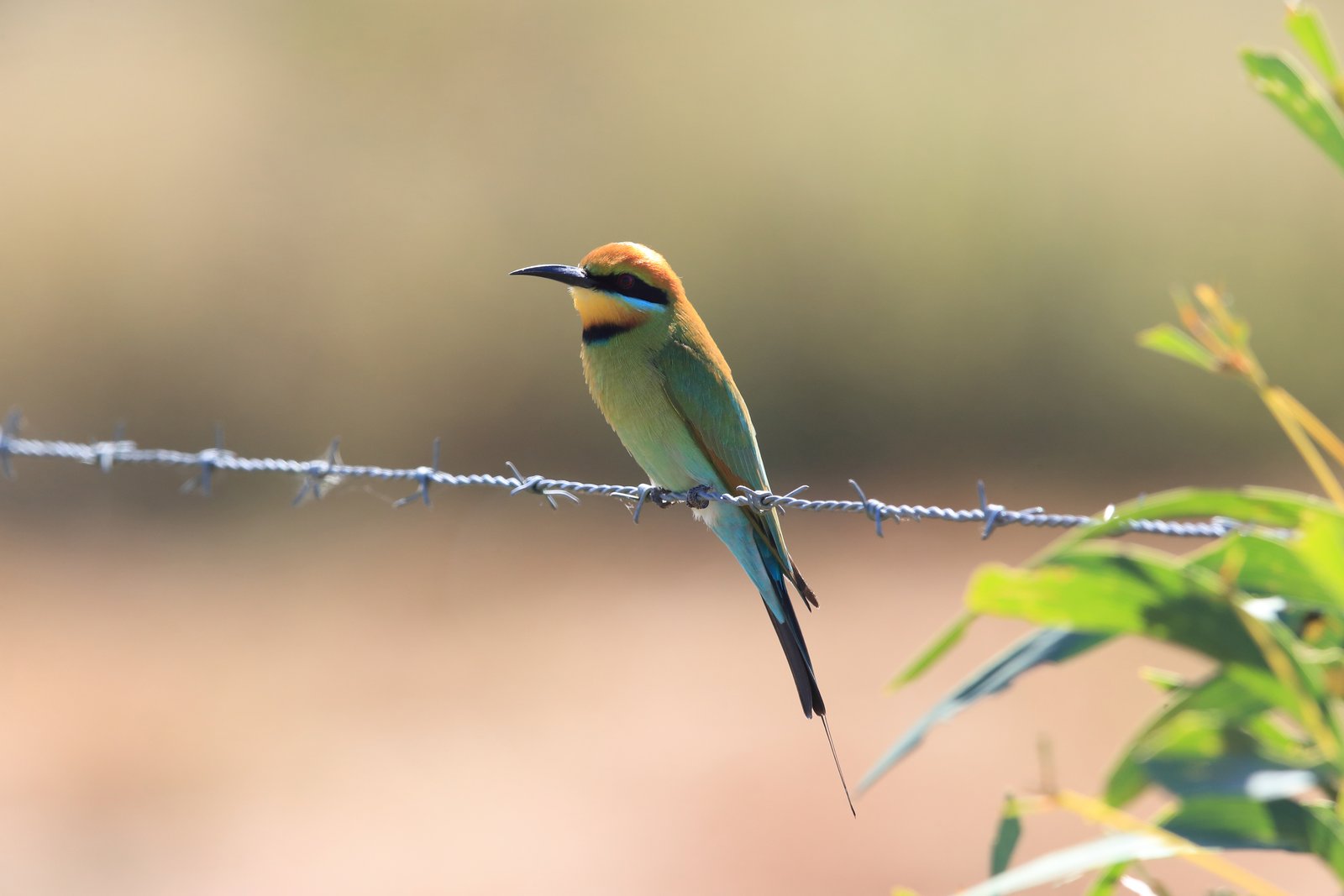
Learning from Nature’s Most Unpredictable Subjects I recently returned from an extended photography expedition across Australia, where I spent weeks documenting the country’s remarkable bird species. While the experience yielded stunning images, the real value came from the unexpected lessons these creatures taught me about fundamental photography principles. Wildlife photography, particularly with birds, forces you to confront one of the hardest truths in our craft: you cannot always control your subject or the moment.

How to Photograph Wildlife in a Landscape (Without Sacrificing Either)

How to Photograph Wildlife in a Landscape (Without Sacrificing Either)

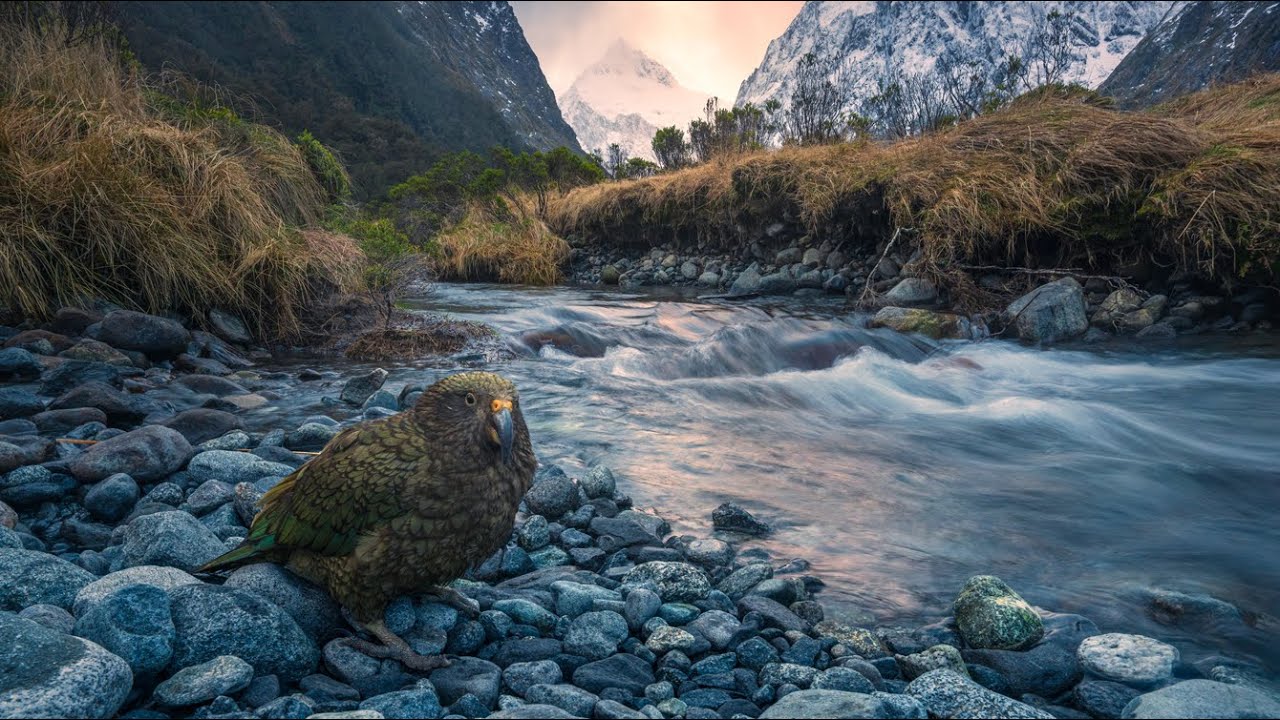
Every landscape photographer eventually faces this problem: you spend an hour composing the perfect shot, and then something living walks into the frame and ruins your plan. Or, if you’re lucky, it makes your plan ten times better. The difference between those two outcomes usually comes down to whether you’ve thought about wildlife as a compositional element before the animal shows up, not after. That’s the core lesson I took from this William Patino tutorial filmed during his encounters with kea, the world’s only alpine parrot, in the New Zealand mountains.

Balancing Convenience and Quality: What Trail Camera Buyers Really Need to Know

Balancing Convenience and Quality: What Trail Camera Buyers Really Need to Know

Balancing Convenience and Quality: What Trail Camera Buyers Really Need to Know When I first started experimenting with trail cameras for wildlife photography, I quickly realized that the most convenient features don’t always deliver the best results. This tension became especially clear to me recently as I evaluated modern trail cameras that combine solar charging and cellular connectivity—two features that sound perfect on paper but require some careful consideration in practice.

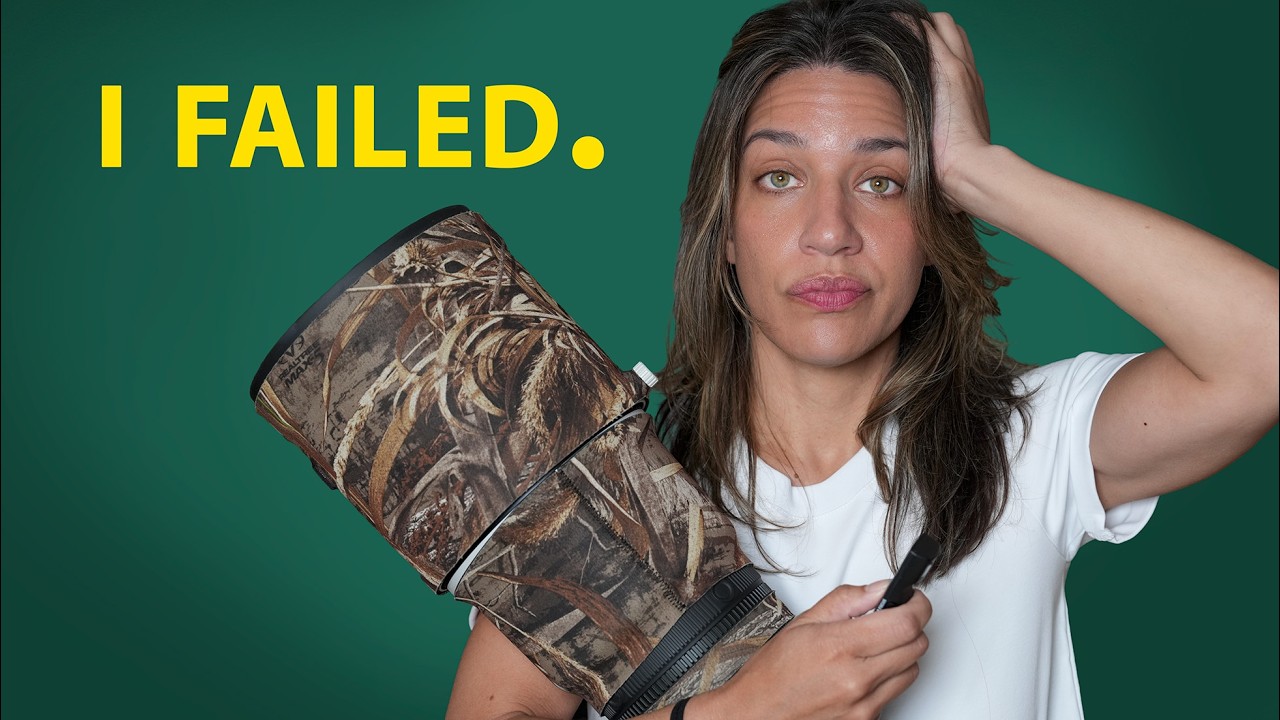
Why Fujifilm's New Super Telephoto Lens is a Game-Changer for Long-Distance Photography

Why Fujifilm's New Super Telephoto Lens is a Game-Changer for Long-Distance Photography

A Long Lens Worth Your Attention When a major camera manufacturer releases a new super telephoto lens, it’s worth paying attention—especially when it fills a gap in their lineup that photographers have been waiting to see addressed. Fujifilm just did exactly that, and I’m genuinely impressed by what they’ve brought to the table. The Reality of Telephoto Lens Shopping Let me be honest about something upfront: choosing the right telephoto lens isn’t just about focal length or even sharpness.

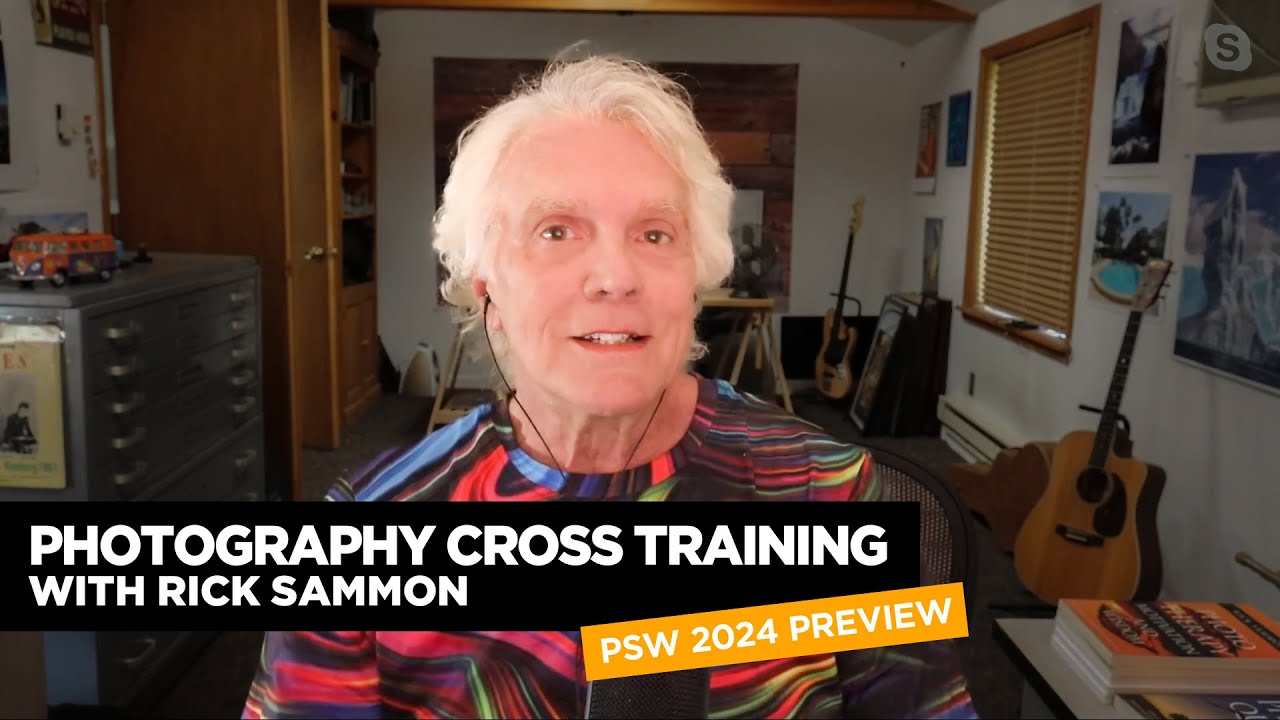
Photography Cross Training: How Skills From One Genre Make You Sharper in All of Them

Photography Cross Training: How Skills From One Genre Make You Sharper in All of Them

Every Sunday morning I take a photo walk around Seattle. No agenda, no client, no shot list. I bring whatever camera feels right that week, sometimes my mirrorless kit, sometimes just my phone. What I’ve noticed over the years is that the weeks I’ve been shooting a lot of food or product work, my street portraits get sharper. Not technically sharper, sharper in the sense that I’m reading light faster, thinking about gesture more deliberately, framing with more intention.

Why Most of Your Wildlife Photos Fail (And the Field Habits That Actually Fix It)

Why Most of Your Wildlife Photos Fail (And the Field Habits That Actually Fix It)

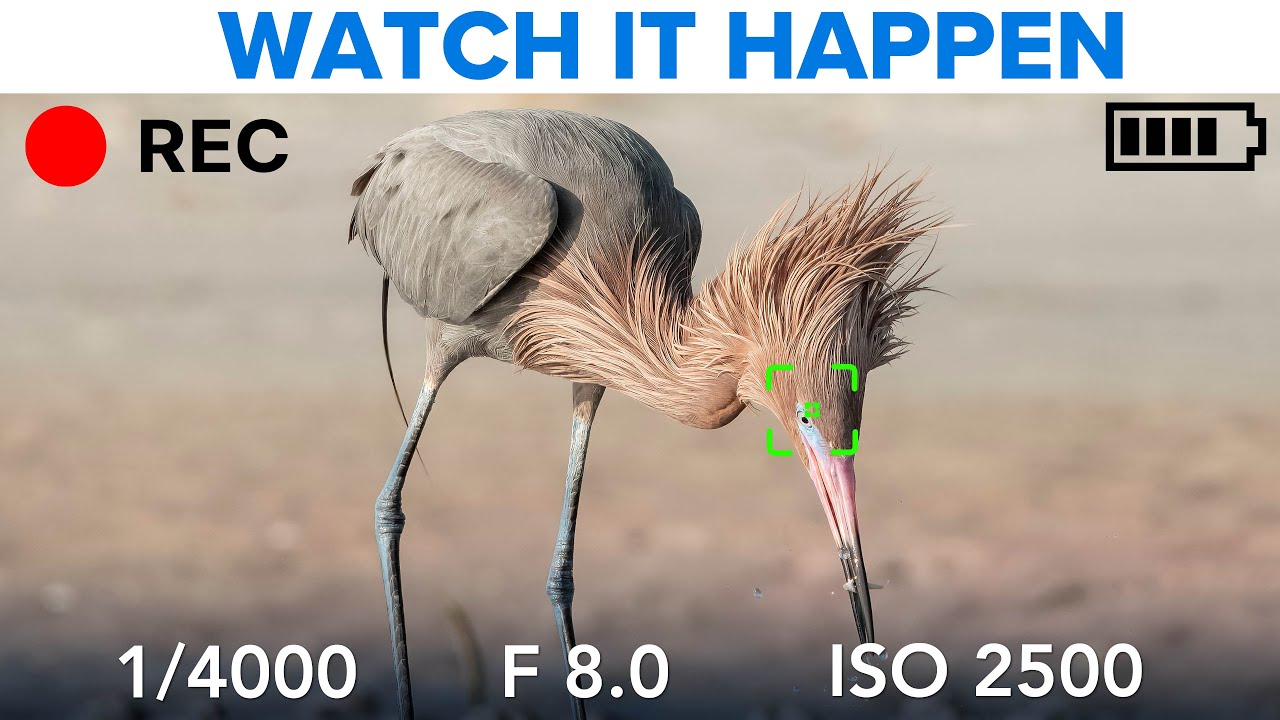
Every Sunday morning I do a photo walk around my neighborhood in Seattle, and I cannot tell you how many times I’ve come home with nothing worth keeping. Not because the light was bad or the subject wasn’t there, but because I wasn’t actually ready when the moment showed up. My card was slow, my battery was half dead, or I was so busy thinking about settings that the heron I’d been watching for twenty minutes just… left.

Wildlife Photography Success: How Camera Traps Reveal India's Elusive Cats

Wildlife Photography Success: How Camera Traps Reveal India's Elusive Cats

Wildlife Photography Success: How Camera Traps Reveal India’s Elusive Cats I’ve always found that some of the most rewarding moments in photography come from waiting—and sometimes, from not being there at all. That’s exactly what happened recently in Madhya Pradesh, where wildlife researchers deployed camera traps in Kuno National Park and captured something extraordinary: a caracal, one of India’s most elusive wild cats. What Makes This Sighting Special The caracal is a lean, long-legged feline with distinctive black-tufted ears—a truly striking subject when caught on film.