How to Build a Professional Infinity Cove (And Why It Changed How I Think About Studio Backgrounds)

How to Build a Professional Infinity Cove (And Why It Changed How I Think About Studio Backgrounds)

There is a specific frustration that comes with shooting products or full-body portraits against a regular wall. No matter how carefully you light the scene, you get a shadow line where the wall meets the floor, a hard edge that breaks the illusion of infinite space. You can fix it in post, sure, but that adds hours to a job that should feel clean from the start. I have spent more editing sessions than I care to admit painting out that corner crease, and every time I think: there has to be a better way to just build the thing right.
Why a Golf Ball Might Be the Best Lighting Teacher You've Never Used

Why a Golf Ball Might Be the Best Lighting Teacher You've Never Used

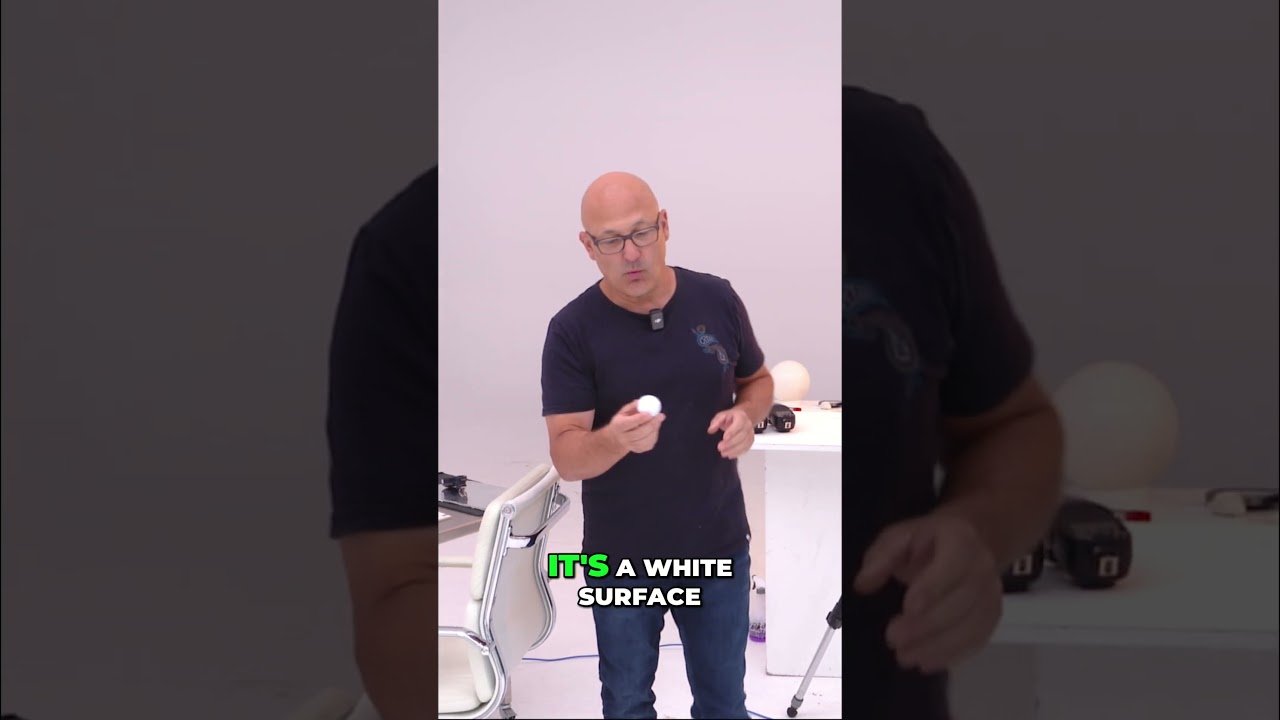
I’ve been photographing products on and off for years, mostly to supplement travel work during slow seasons. And the thing that tripped me up the longest wasn’t gear or editing. It was learning to read light before I set anything up. I’d arrange my softbox, place the subject, take a test shot, and then spend twenty minutes moving things two inches at a time wondering why it still looked flat. What I was missing was a simple, unforgiving subject that would show me exactly what the light was doing.

How the Distance Between Your Light and Subject Changes Everything (And Not Just Brightness)

How the Distance Between Your Light and Subject Changes Everything (And Not Just Brightness)

I’ve been shooting long enough to know that most lighting problems aren’t actually exposure problems. But I had to relearn that lesson recently when I was working on some indoor lifestyle shots and couldn’t figure out why two setups that looked identical on my histogram felt completely different in the final image. Same subject, same aperture, same shutter speed. One had this beautiful, sculpted quality to the shadows. The other looked flat in a way I couldn’t immediately explain.

Karl Taylor's 5 Portrait Photography Tips (And What I'd Add From the Field)

Karl Taylor's 5 Portrait Photography Tips (And What I'd Add From the Field)

Portrait sessions used to make me genuinely nervous — not because of the camera settings, but because of everything happening on the other side of the lens. I’d spend so much mental energy on my lighting ratios that by the time my subject arrived, I was distracted and they could feel it. The photos showed it too. Stiff expressions, guarded eyes, that unmistakable look of someone who just wants to get it over with.

The Portrait Photographer's Real Job (And Why Your Subject Is Working Against You)

The Portrait Photographer's Real Job (And Why Your Subject Is Working Against You)

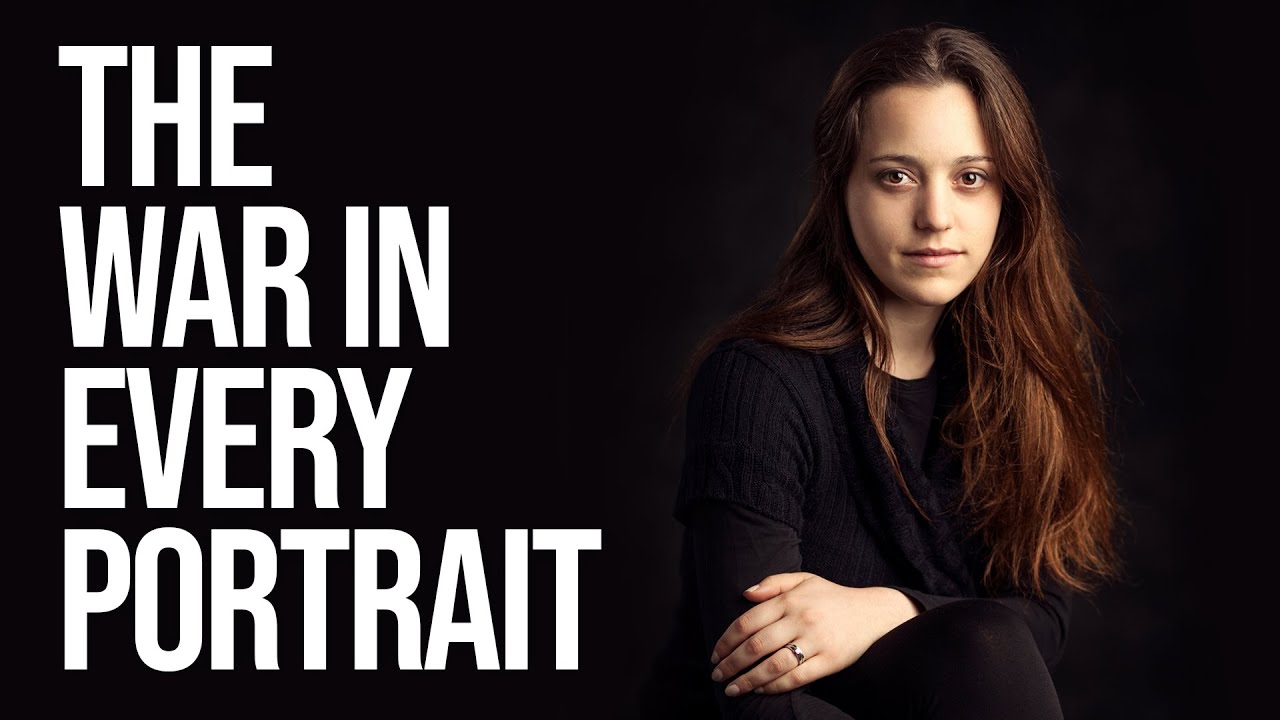
Portrait sessions make me nervous in a way that landscape work never does. A mountain doesn’t care how it looks. A person absolutely does. And for the longest time, I couldn’t quite name what was actually happening in those first few awkward minutes of a shoot, when my subject is smiling too hard or standing too stiff, and I’m firing off frames that look technically fine but feel completely hollow.

How to Shoot Fine Art Photos of Everyday Objects Using Focus Stacking

How to Shoot Fine Art Photos of Everyday Objects Using Focus Stacking

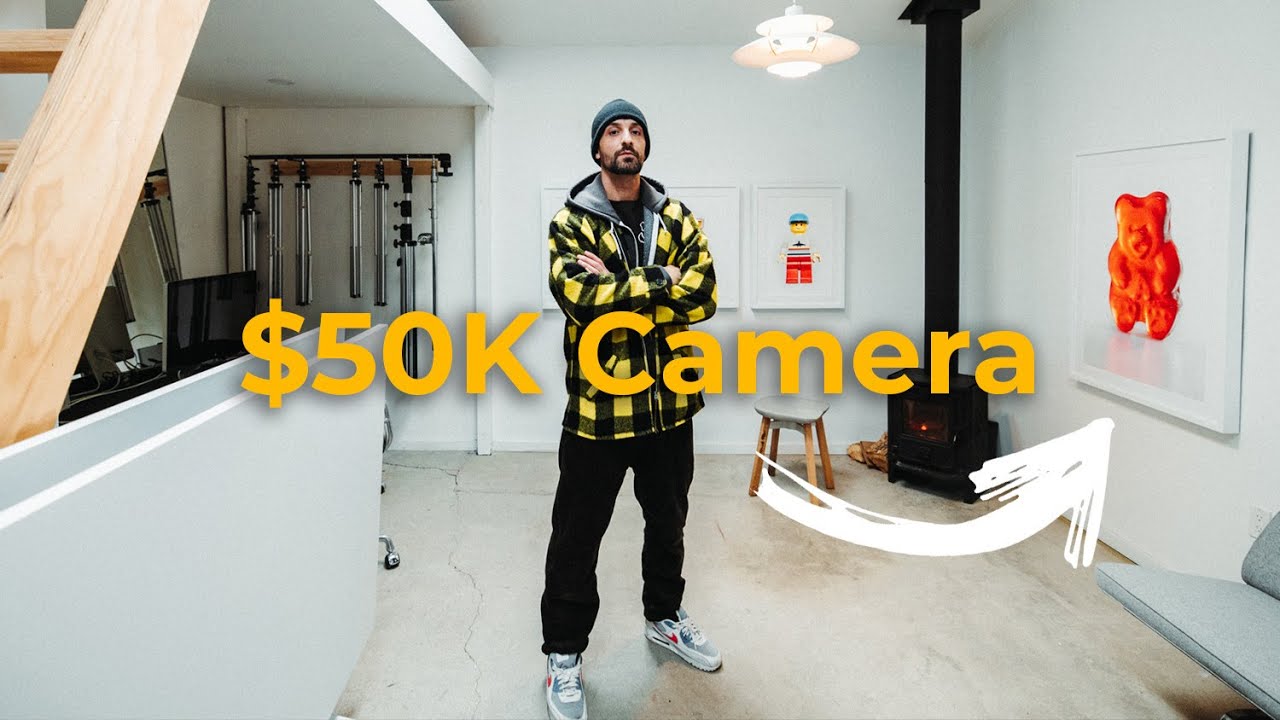
I have a confession: one of my most-shared photos ever is a close-up of a half-eaten granola bar sitting on my kitchen counter. Shot on my phone, terrible lighting, zero planning. People went wild for it. That experience taught me something I’ve been chewing on ever since – the subject almost never matters as much as the perspective you bring to it. That’s the core idea behind this Peter McKinnon tutorial, where he photographs a five-cent gummy bear alongside a $50,000 Phase One IQ4 camera system and makes the case that fine art isn’t about the subject.

Why Your Softbox Isn't Actually Soft (And What Joel Grimes Taught Me About Modifiers)

Why Your Softbox Isn't Actually Soft (And What Joel Grimes Taught Me About Modifiers)

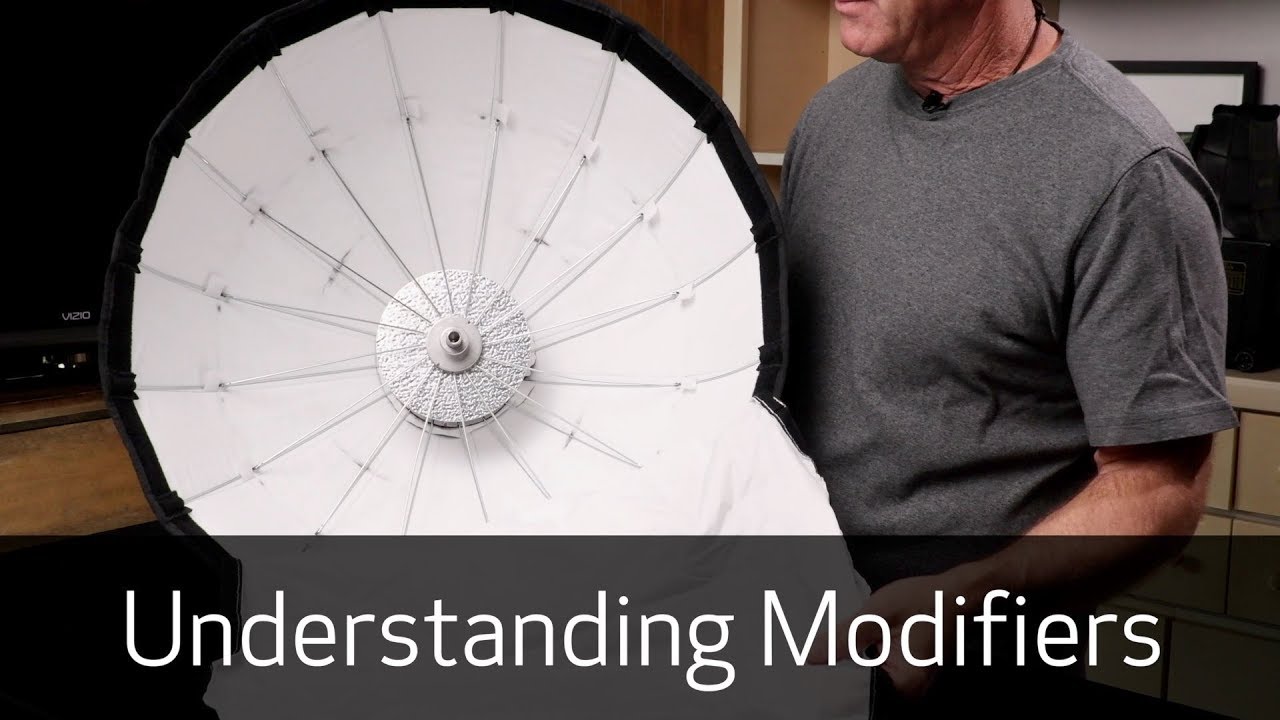
I spent an embarrassing amount of time blaming my gear for light that looked flat, harsh, or just plain unflattering. I’d drop money on a new softbox, get excited, and then wonder why my portraits still looked like I’d pointed a flashlight at someone’s face. It wasn’t until I started digging into how modifiers actually work — not just what they look like in an unboxing video — that things started clicking.