Five Small Edits That Turn a Flat Landscape Photo Into Something Worth Printing

Five Small Edits That Turn a Flat Landscape Photo Into Something Worth Printing

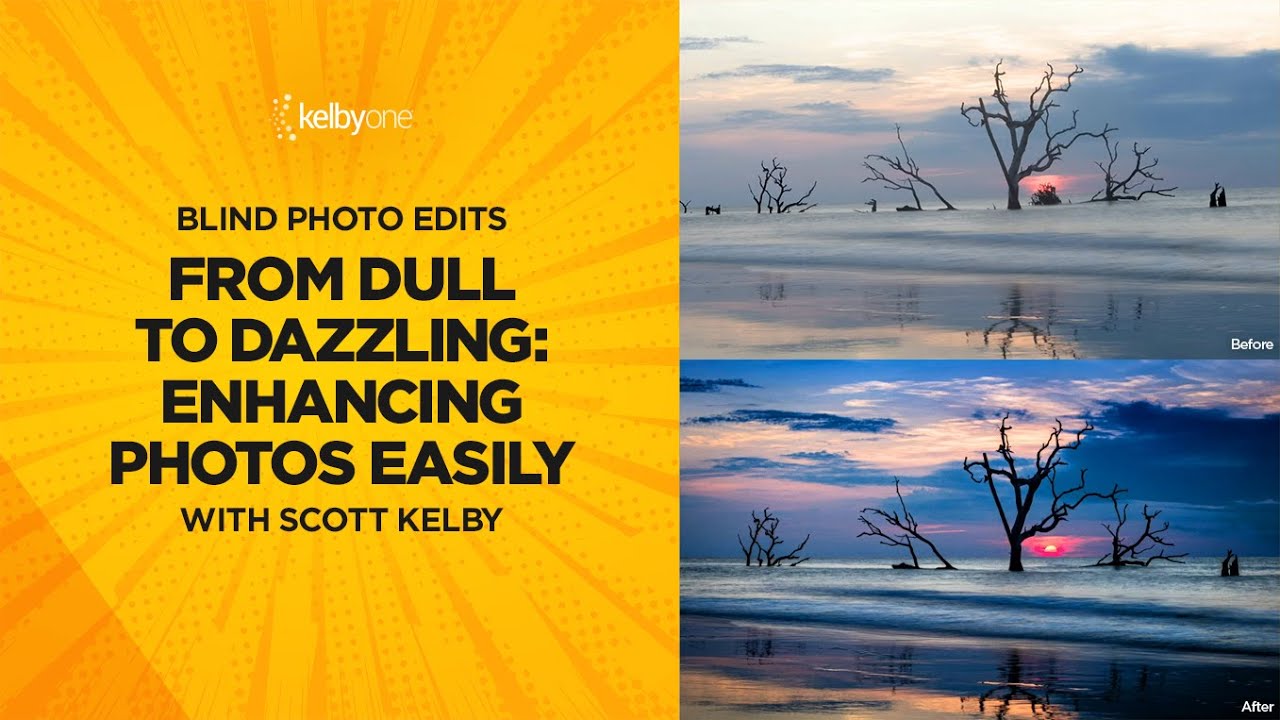
There’s a particular kind of frustration I know well: standing at a gorgeous location, nailing the shot in the moment, and then opening Lightroom to find the image looks… flat. The sky is washed out, the horizon tilts just enough to be annoying, and the whole thing lacks the punch you felt when you pressed the shutter. That gap between what you saw and what the file shows is exactly the problem this tutorial addresses head-on.
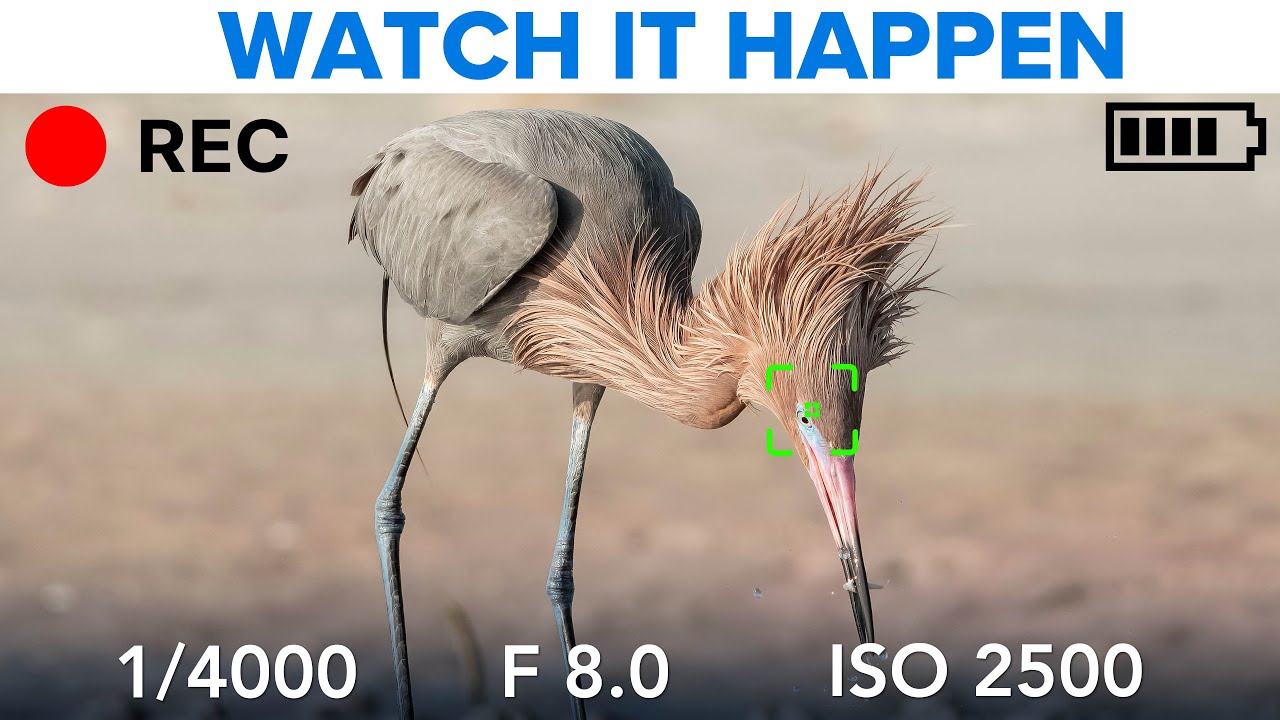
How to Shoot and Edit a Bird Photo From Start to Finish (What I Learned From a Real-Time Walkthrough)

How to Shoot and Edit a Bird Photo From Start to Finish (What I Learned From a Real-Time Walkthrough)

Bird photography has a way of humbling you fast. You set up, you wait, the bird does something incredible, and you come home with a card full of motion blur and missed focus. For a long time I thought I was just unlucky. Turns out, I was underprepared. What helped me most wasn’t another article about focal lengths. It was watching a working photographer actually shoot in real time, with their screen visible and their decision-making narrated out loud.

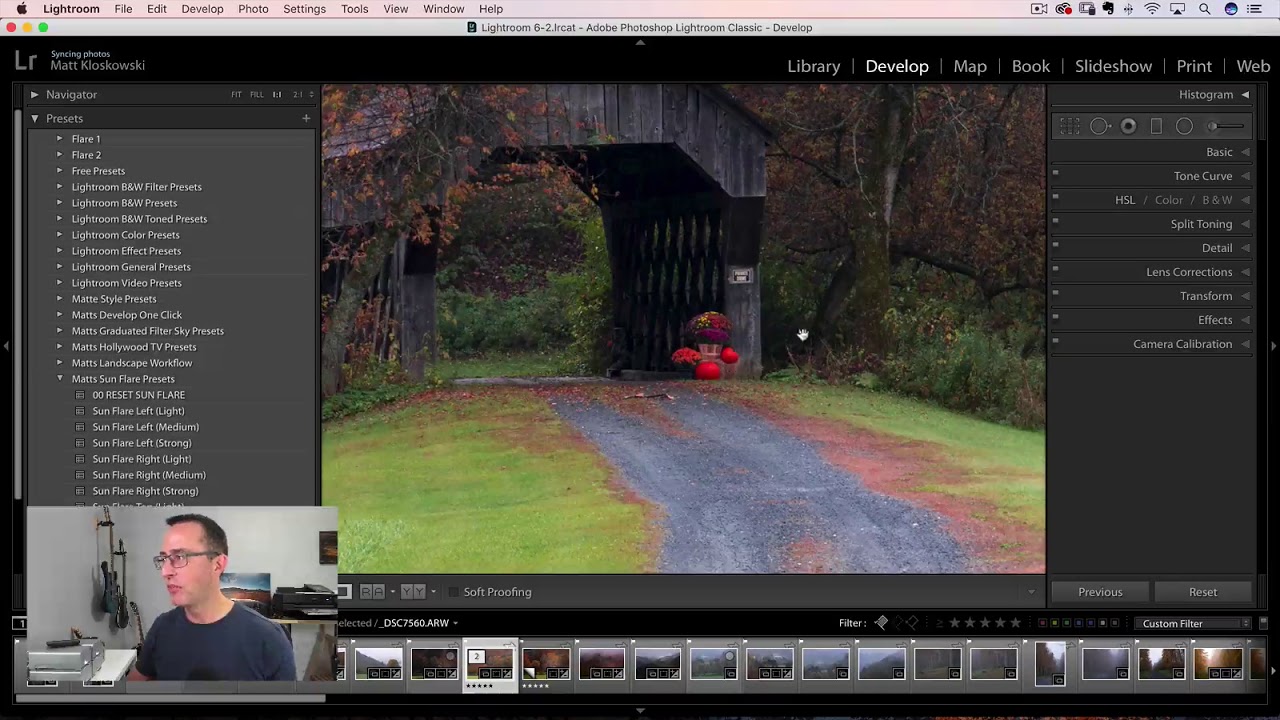
How to Rescue Dull Fall Colors in Lightroom: A Start-to-Finish Editing Walkthrough

How to Rescue Dull Fall Colors in Lightroom: A Start-to-Finish Editing Walkthrough

Every October I tell myself the same thing: I’ll drive out to the Cascades, the light will be perfect, and I’ll come home with a memory card full of golden-hour magic. And every October I come home with a card full of “almost.” The sky is too white, the yellows look more like tired green, and the warm glow I saw with my own eyes just isn’t there in the raw file.

Why Your Portrait Lighting Looks Flat at Home (And How to Fix It in Post)

Why Your Portrait Lighting Looks Flat at Home (And How to Fix It in Post)

You know that sinking feeling when you load a portrait onto your computer and the light that looked so gorgeous on location just… disappears? I’ve been there more times than I’d like to admit. You place your subject perfectly, the shadows are sculpting the face exactly right, you’re almost giddy pressing the shutter. Then you get home, open the raw file, and the whole thing looks like a flat, lifeless scan of a bad print.

Zone Focus, Film Burns, and Honest Editing: What Peter McKinnon's NYC Street Shoot Taught Me

Zone Focus, Film Burns, and Honest Editing: What Peter McKinnon's NYC Street Shoot Taught Me

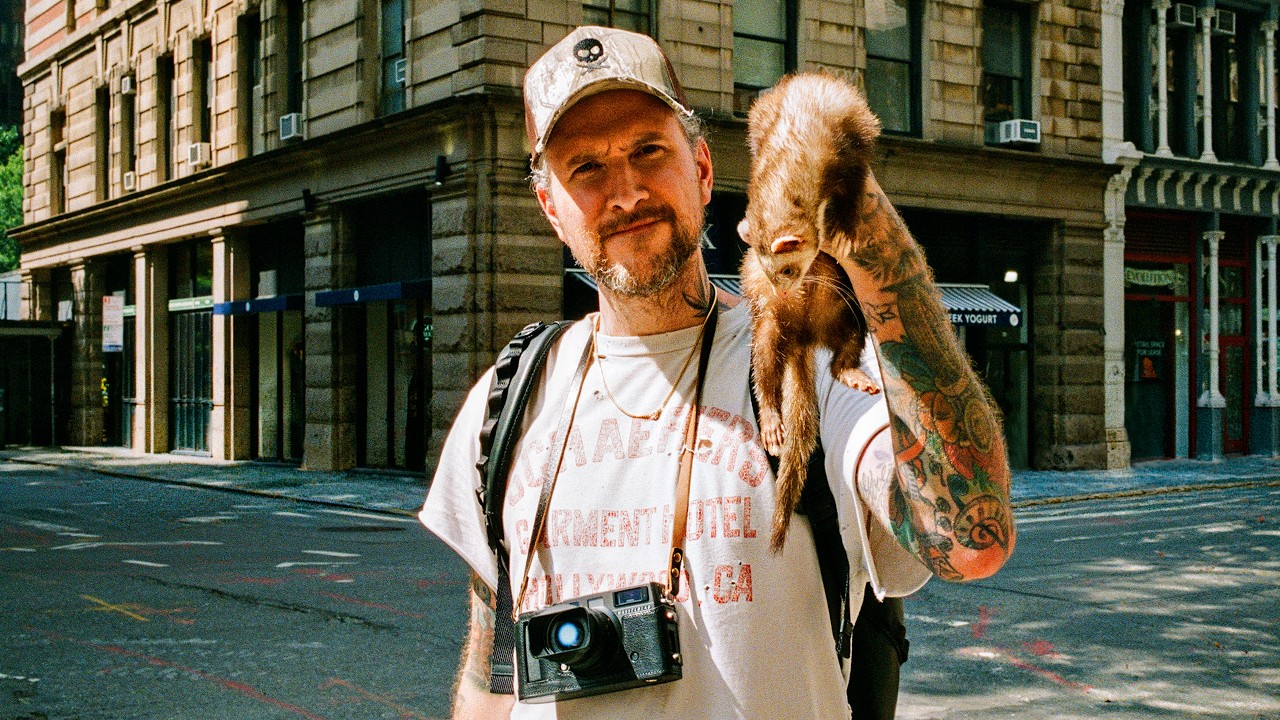
Every Sunday morning I take a photo walk. No client, no brief, just me and whatever camera I grab off the shelf. For a long time, those walks felt like practice without a destination because I was still thinking like a studio shooter. I’d wait for perfect light, fuss over focus, and come home with twelve technically fine images and zero soul. What I was missing was the street shooter’s mindset: decide your settings, commit to your zone, and let the city do the rest.

How to Edit Film Scans in Lightroom (and Why Less Is Almost Always More)

How to Edit Film Scans in Lightroom (and Why Less Is Almost Always More)

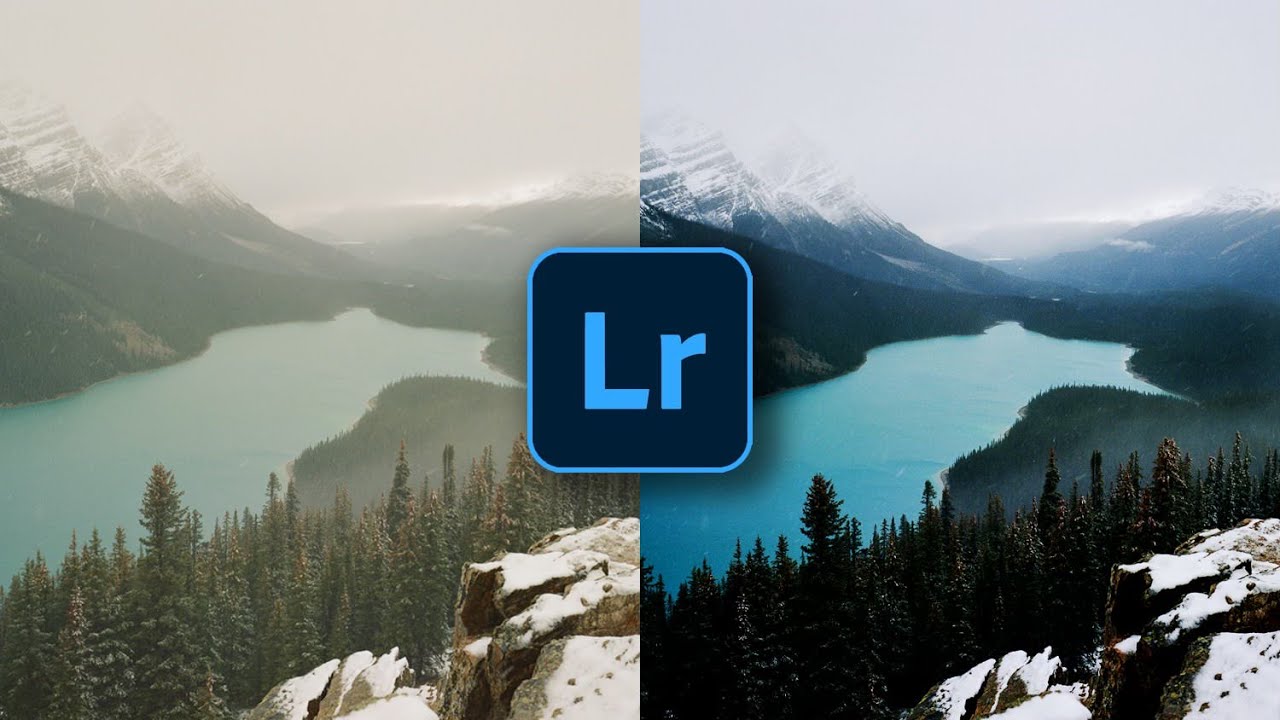
Film photography has been sneaking back into my life lately, and honestly, I wasn’t prepared for the editing side of it. I assumed shooting film meant skipping the computer entirely. Wasn’t that the whole point? Then I started getting my scans back from the lab and realized: flat profiles are the default for a reason. The lab is giving you latitude, not a finished image. You still have to show up in Lightroom.

Three Photography Habits That Feel Like Progress (But Are Quietly Keeping You Stuck)

Three Photography Habits That Feel Like Progress (But Are Quietly Keeping You Stuck)

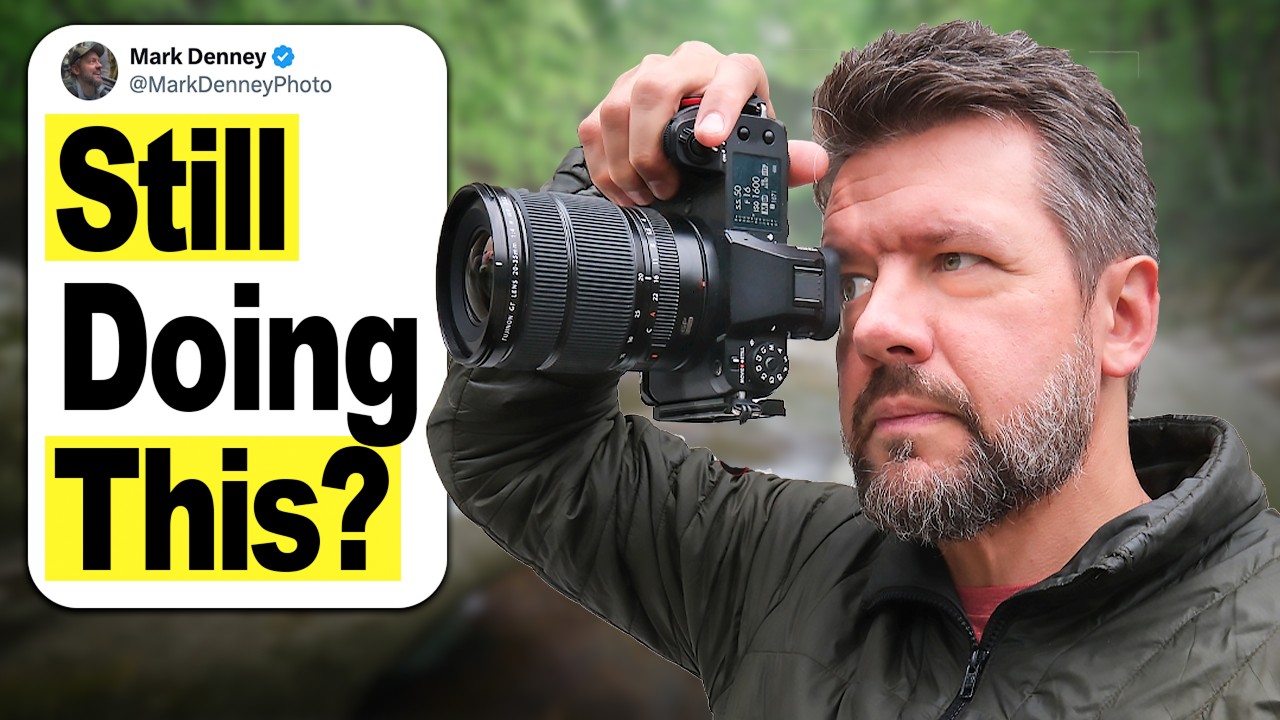
I used to think that putting in the hours was enough. Show up, shoot, repeat. And for a while, that belief carried me. But there’s a particular kind of frustration that sets in when you’ve been shooting for years and your photos still feel like they’re circling the same drain. You’re not a beginner anymore, but you’re not where you want to be either. That middle space is uncomfortable, and it’s sneaky, because the habits keeping you there are usually the same ones that helped you get started.