Why Your Cheap Camera Might Be Better Than You Think

Why Your Cheap Camera Might Be Better Than You Think

Why Your “Cheap” Camera Might Be Better Than You Think I’ve spent years experimenting with cameras across every price point imaginable. What started as necessity—I couldn’t always afford the latest equipment—became one of my most valuable learning experiences. Today, I want to share what I’ve discovered about shooting with budget-friendly gear and why these “limitations” might actually accelerate your growth as a photographer. The Unexpected Benefits of Budget Gear When you remove the expectation that expensive equipment guarantees great photos, something shifts.
How to Edit Other People's Photos (And What It Actually Teaches You About Your Own)

How to Edit Other People's Photos (And What It Actually Teaches You About Your Own)

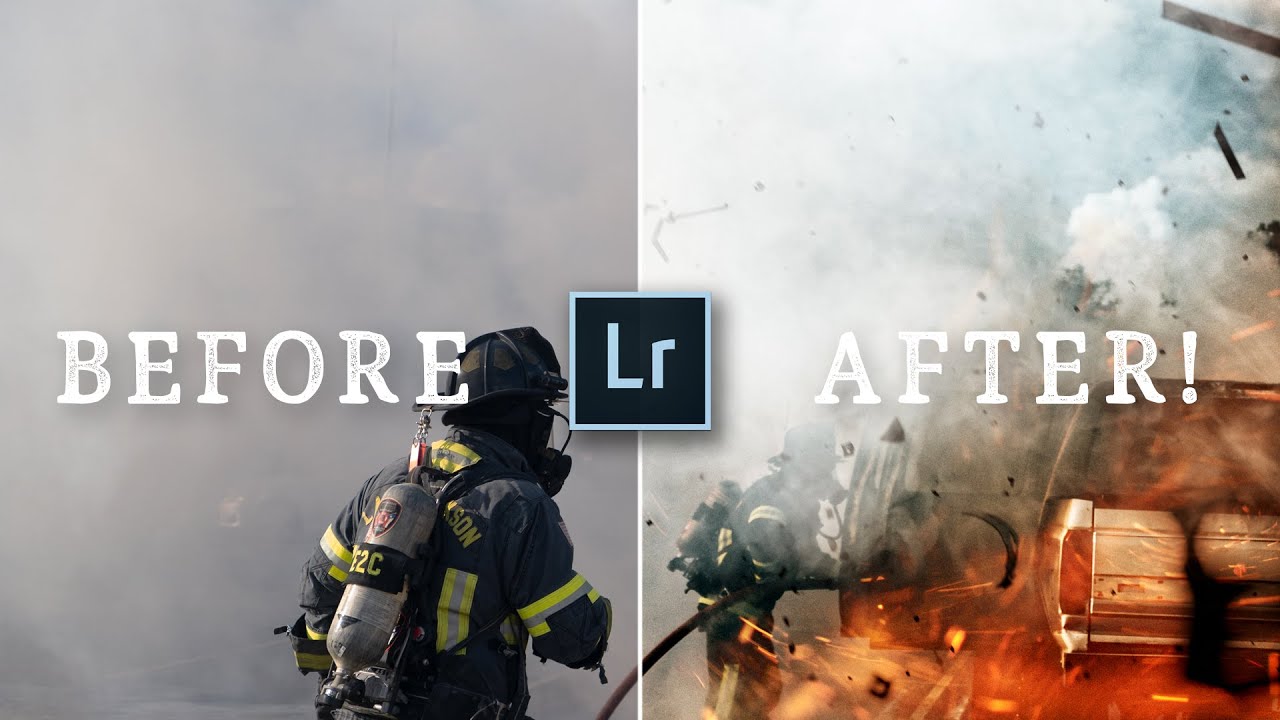
Every Sunday morning I take a photo walk through my Seattle neighborhood, and I almost always come home with a card full of raw files I’m not entirely sure what to do with. The composition feels right, the light was good, but somewhere between capture and export the image loses the energy I felt when I pressed the shutter. That gap between what you saw and what the edit delivers is the thing I kept hearing photographers describe when I first started teaching, and it’s exactly the problem that editing tutorials built around real submitted photos solve so well.

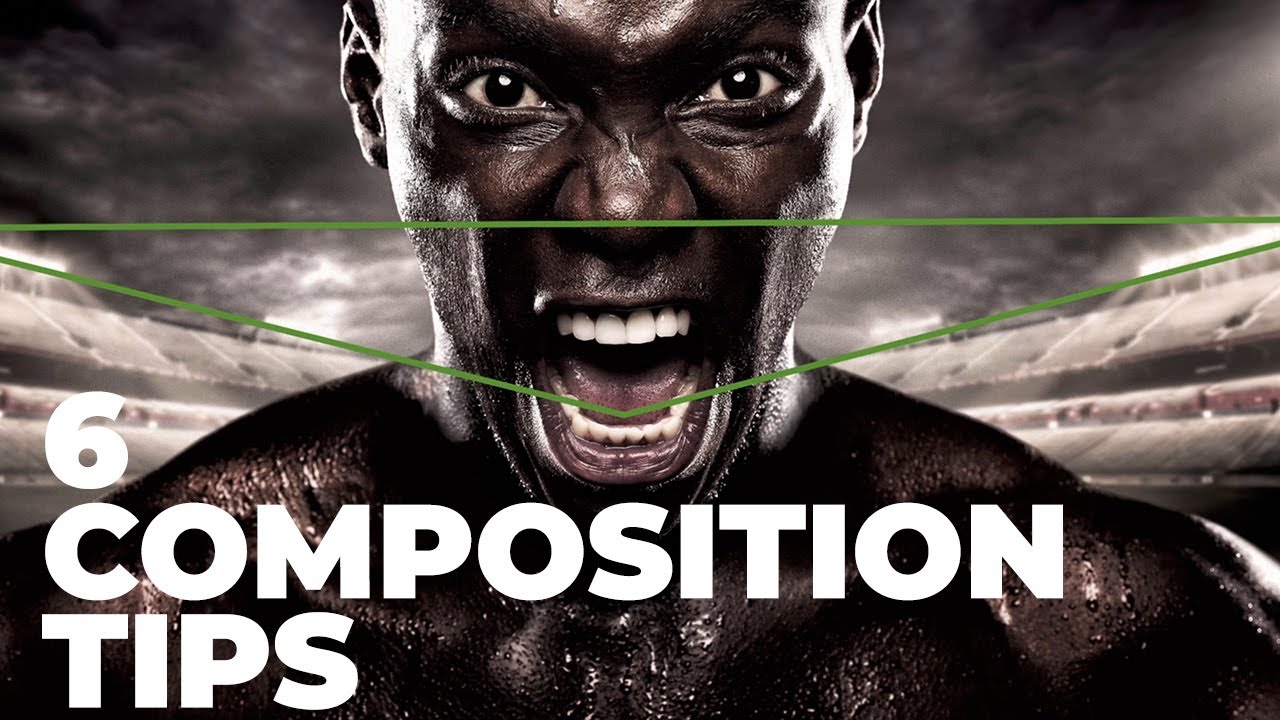
6 Composition Rules That Actually Stick (A Breakdown of Joel Grimes' Best Advice)

6 Composition Rules That Actually Stick (A Breakdown of Joel Grimes' Best Advice)

Every Sunday morning I’m out on a photo walk, and I can’t tell you how many times I’ve come home with a memory card full of shots that just… don’t land. The light was good. The subject was interesting. But something felt off, and I couldn’t explain why. That vague, frustrating feeling is almost always a composition problem. That’s what pulled me into Watch the full tutorial on YouTube by Joel Grimes, a commercial advertising photographer with over 35 years of experience.

Shoot Epic Product Photos at Home Using Everyday Objects (Peter McKinnon's Method, Broken Down)

Shoot Epic Product Photos at Home Using Everyday Objects (Peter McKinnon's Method, Broken Down)

Every few months I get a message from someone asking how brands get those rich, moody product shots that look like they required a full studio crew. Nine times out of ten, the answer is simpler than you’d expect. I started thinking about this more seriously when I realized I was turning down small product photography requests because I assumed I didn’t have the “right” setup. Spoiler: I was wrong, and a Peter McKinnon tutorial on shooting playing cards changed how I approach the whole thing.

Ten Things Beginner Photographers Get Wrong (And How to Fix Them Fast)

Ten Things Beginner Photographers Get Wrong (And How to Fix Them Fast)

There’s a specific kind of frustration that hits when you get home from a shoot, pull up your images, and realize that technically everything went wrong. The shot is slightly blurry. The foreground is sharp but the background is mush. There are strangers walking through your otherwise perfect frame. I spent my first two years as a photographer chalking those problems up to bad luck. Turns out, they’re all fixable, and the fixes aren’t complicated.

Beyond the Specs: Making Your Camera Feel Like an Extension of Your Creativity

Beyond the Specs: Making Your Camera Feel Like an Extension of Your Creativity

I’ve witnessed something fascinating in my years covering photography: photographers with six-figure camera setups sometimes feel less connected to their work than those shooting with entry-level gear. The problem isn’t the equipment itself—it’s how we approach using it. The Disconnect Between Specs and Satisfaction We live in an era where camera specifications have become almost absurdly good. Auto-focus systems that track moving subjects with uncanny precision, frame rates that capture dozens of images per second, processors that anticipate the decisive moment before it happens.

How to Finally Stop Being Afraid of Manual Mode (And Actually Use It)

How to Finally Stop Being Afraid of Manual Mode (And Actually Use It)

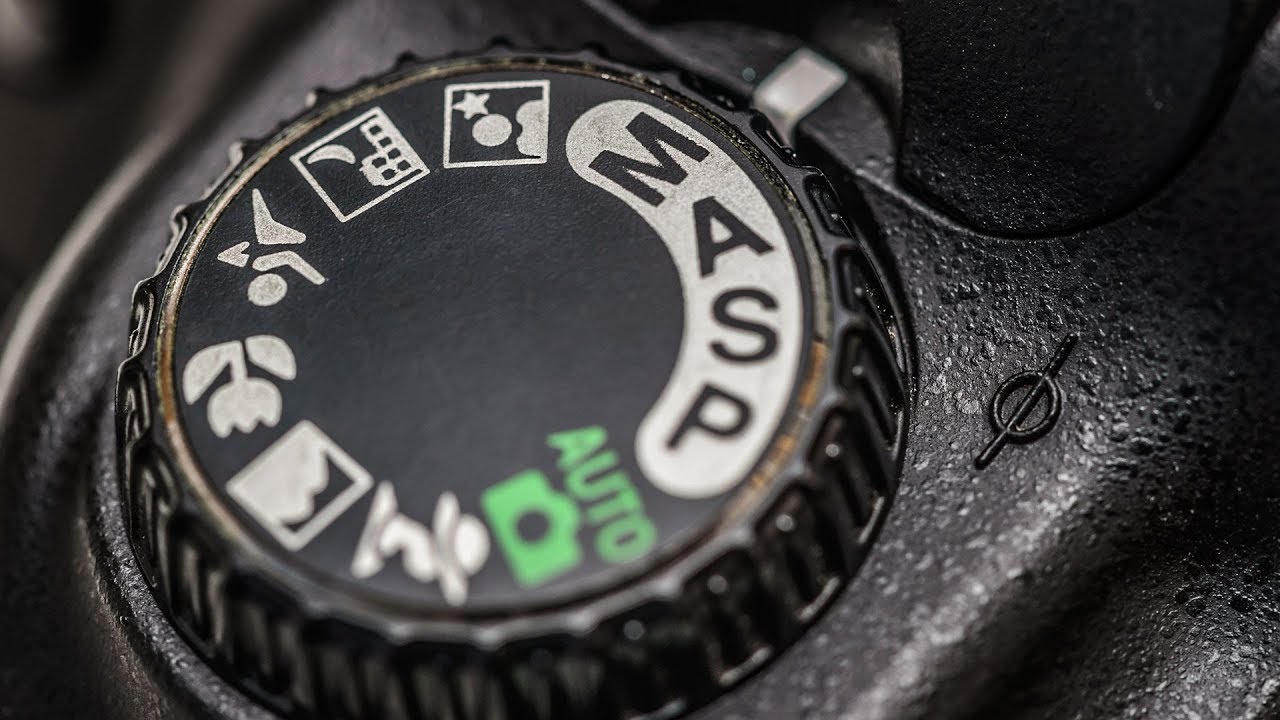
I still remember the stranger at the coffee shop who pointed at my camera and asked, “How do you get your photos to look like that?” I had to stop and think about how to explain it without overwhelming her. The honest answer was: manual mode. Not magic, not expensive gear. Just learning to tell the camera what to do instead of letting it guess. That is exactly what this tutorial tackles.

What John Greengo's Canon R6 Mark III Tutorial Taught Me About My Own Bad Habits

What John Greengo's Canon R6 Mark III Tutorial Taught Me About My Own Bad Habits

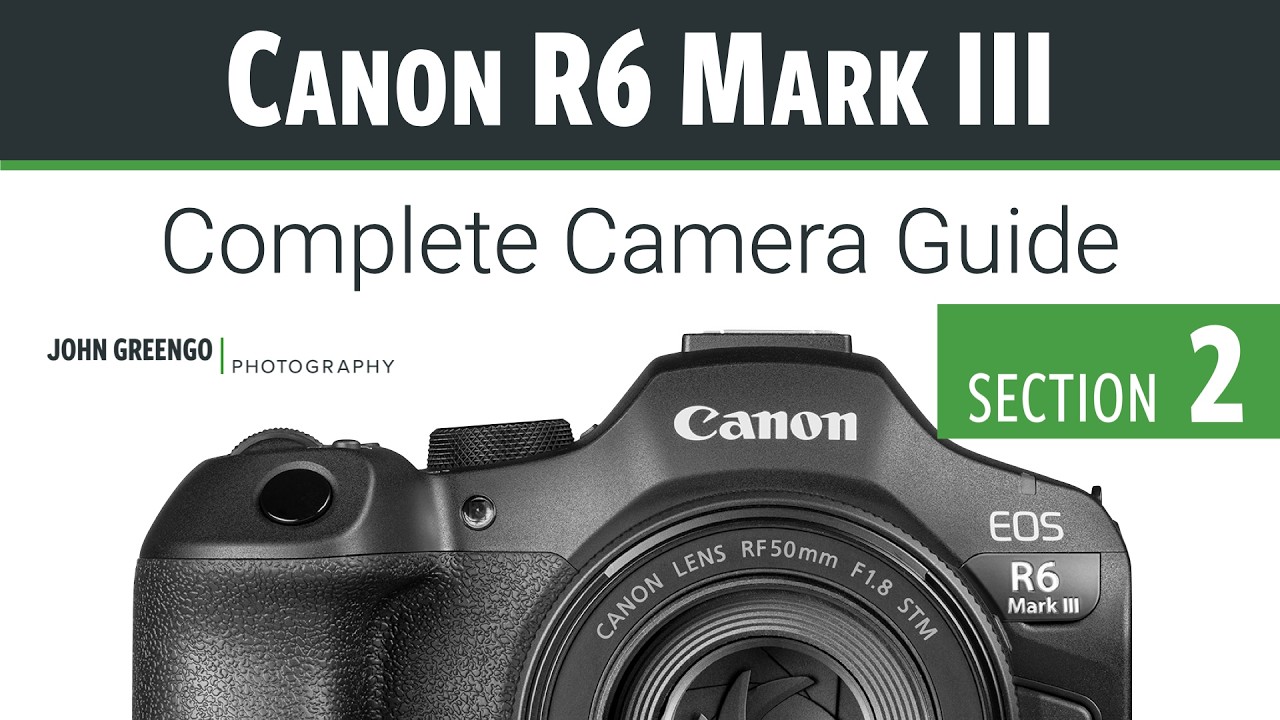
I have a confession to make. I spent the better part of last spring shooting on my Canon mirrorless setup without ever stopping to confirm I had the right file format selected. Just assumed it was fine. It was not fine. A whole weekend of lifestyle content, slightly wrong, because I trusted a setting I hadn’t actually checked. That experience sent me back to basics in a way I hadn’t bothered with in years, and honestly, it was humbling in the best possible way.

The Portrait Lighting Ratio That Stopped Me From Overcomplicating My Setups

The Portrait Lighting Ratio That Stopped Me From Overcomplicating My Setups

There’s a moment on almost every portrait shoot where the light is technically correct but the image still feels flat. The exposure is fine, the background works, the subject looks comfortable, and yet something is missing. For a long time I chalked that up to “the shot just wasn’t there.” Turns out, I was letting light land wherever it wanted and wondering why my portraits lacked dimension. The fix wasn’t another light or a bigger softbox.

How Joel Grimes Thinks About Composition (And Why It Changed How I Frame Every Shot)

How Joel Grimes Thinks About Composition (And Why It Changed How I Frame Every Shot)

I’ve been teaching photography long enough to know that most beginners think composition is about rules. The rule of thirds. Leading lines. The golden ratio. They memorize the list, they tick the boxes, and then they wonder why their photos still feel flat. That’s the problem I kept running into with students who came to my Sunday morning photo walks. They’d do everything “right” and still produce images that didn’t have any pull to them.

Spec Sheets Don't Tell the Whole Story: What New Camera Buyers Really Need to Know

Spec Sheets Don't Tell the Whole Story: What New Camera Buyers Really Need to Know

Spec Sheets Don’t Tell the Whole Story: What New Camera Buyers Really Need to Know When you’re ready to invest in your first serious camera, it’s tempting to get caught up in the numbers. More autofocus points must mean better performance, right? A faster burst rate sounds more professional. Bigger specs equal a better camera. At least, that’s what I thought when I was starting out. The Spec Sheet Trap I once purchased a camera based almost entirely on its technical specifications—choosing a model with impressive autofocus capabilities and rapid-fire shooting speeds over another option.

Why AI Photography Advice Can Look Right But Fail You In The Field

Why AI Photography Advice Can Look Right But Fail You In The Field

Why AI Photography Advice Can Look Right But Fail You In The Field I’ve been teaching photography for fifteen years, and I’ve watched something shift in the questions my students ask. More and more often, they arrive at lessons having already consulted an AI chatbot about exposure, composition, or lens selection. What concerns me isn’t that they’re seeking information—it’s that they’re confidently following advice that sounds authoritative but will fail them when they step into actual shooting conditions.