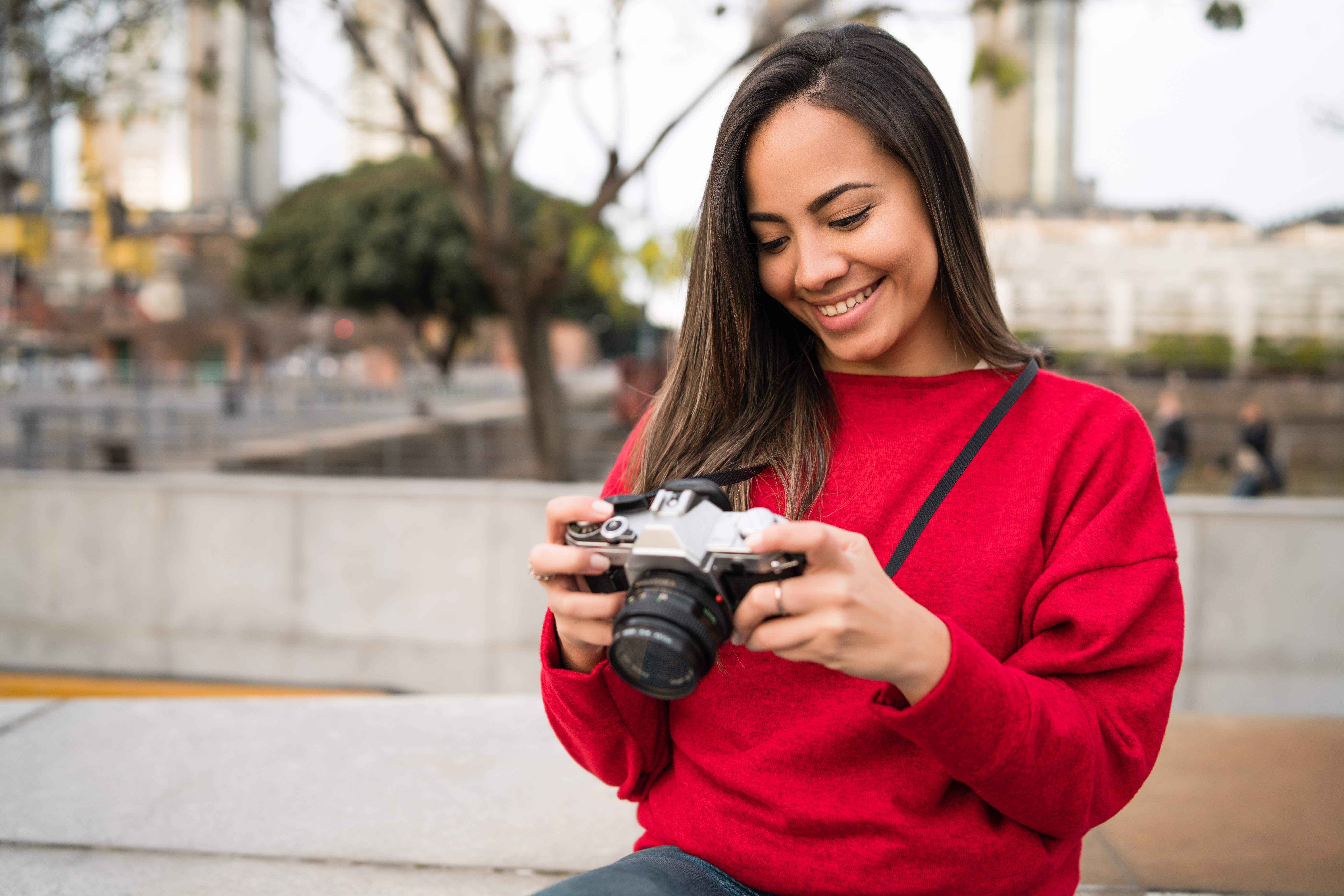
Spec Sheets Don’t Tell the Whole Story: What New Camera Buyers Really Need to Know
When you’re ready to invest in your first serious camera, it’s tempting to get caught up in the numbers. More autofocus points must mean better performance, right? A faster burst rate sounds more professional. Bigger specs equal a better camera.
At least, that’s what I thought when I was starting out.
The Spec Sheet Trap
I once purchased a camera based almost entirely on its technical specifications—choosing a model with impressive autofocus capabilities and rapid-fire shooting speeds over another option. On paper, my choice looked superior. In practice, I quickly discovered that the camera wasn’t well-suited to the work I actually wanted to create.
What I hadn’t considered was that my primary interests—portrait photography and shooting in challenging lighting conditions—demanded different technical strengths than what I’d optimized for.
What Actually Matters for Your Work
This experience taught me something crucial: camera specifications only matter in the context of your actual creative goals.
The features that would have served my work better include:
- Sensor size and quality – This directly impacts how your images look in low light and how much creative control you have with depth of field
- Dynamic range capabilities – This affects your flexibility during post-processing and your ability to recover detail in shadows and highlights
- Color science and image rendering – How the camera interprets color significantly influences your final results
- Ergonomics and handling – A camera you enjoy using will get used more often
Matching Gear to Your Vision
Before your next camera purchase, spend time honestly assessing your photography. What subjects excite you? What conditions will you shoot in most frequently? What creative outcomes do you want to achieve?
These questions matter far more than comparing spec sheets side-by-side.
Moving Forward
The good news is that many excellent cameras exist at various price points, and most modern options can produce outstanding images in capable hands. Your camera body is just one tool in your creative toolkit.
Do your research thoughtfully. Read reviews from photographers who shoot similar subjects to you. Rent or borrow equipment before buying if possible. And remember: the best camera is ultimately the one that inspires you to create, not the one with the longest list of features.
Your photography journey will benefit far more from understanding your own creative needs than from chasing specifications.
Comments (4)
The tip about spec sheets dont tell the whol was the missing piece for me. Thank you.
Love this. I referenced a similar technique in one of my recent posts. Always good to see other perspectives.
Applied this to my portfolio shots and the improvement is noticeable.
Wow, I had no idea you could do this. Mind blown.
Leave a Comment