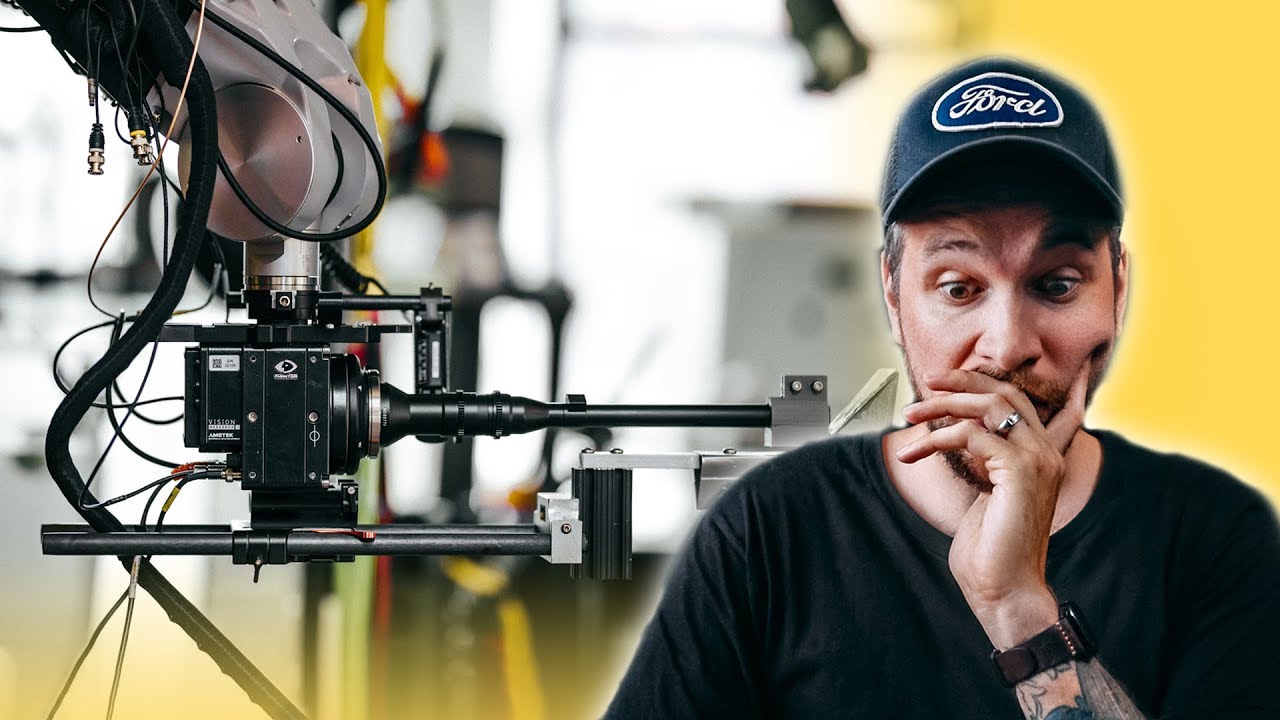
What Robot Cameras Taught Me About Precision, Repeatability, and Thinking Like a Commercial Shooter

What Robot Cameras Taught Me About Precision, Repeatability, and Thinking Like a Commercial Shooter

There’s a category of commercial photography work I used to scroll past thinking, “I have no idea how they did that.” A hamburger disassembled mid-air, every component suspended in perfect chaos, then somehow reassembled on landing. A sewing machine needle frozen at the exact moment thread loops through fabric. These aren’t happy accidents. They’re the result of a completely different way of thinking about camera movement and timing, and once you understand the system behind them, your own approach to controlled shooting changes permanently.
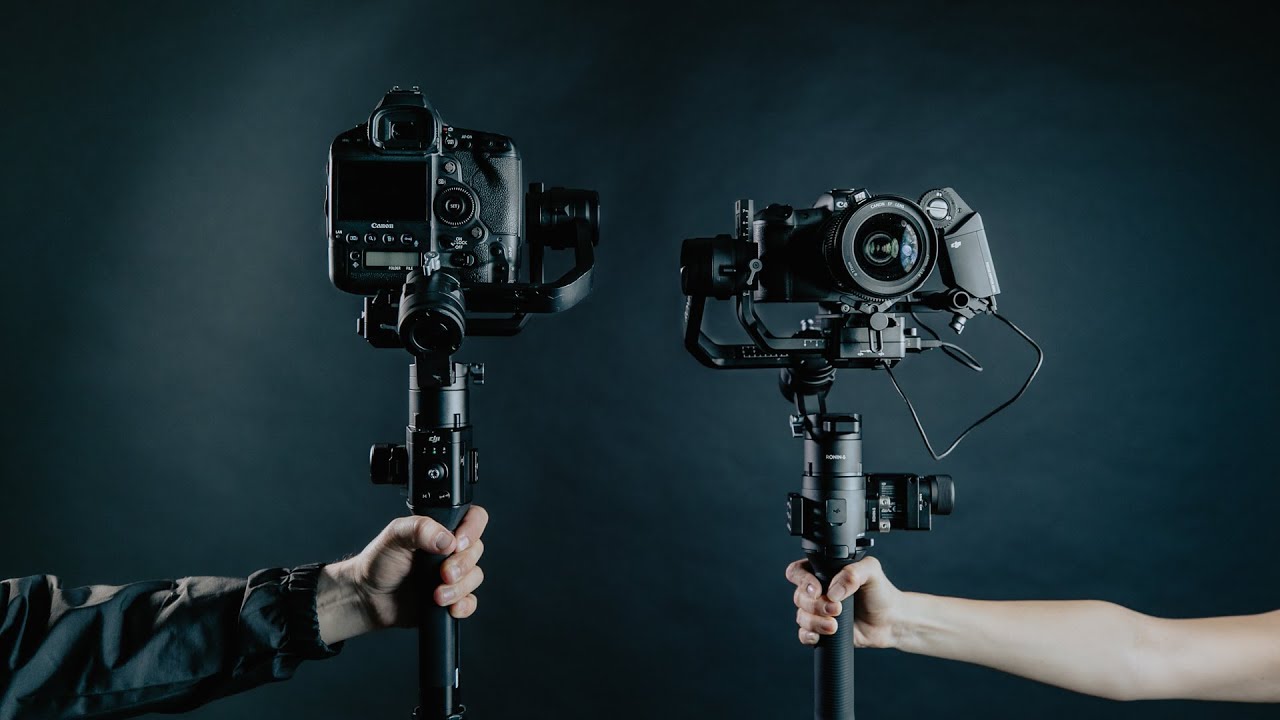
5 Gimbal Transitions That Make Your Footage Look Intentional (Not Just Moving)

5 Gimbal Transitions That Make Your Footage Look Intentional (Not Just Moving)

There’s a specific kind of footage frustration I know too well: you have beautiful clips, good light, a great subject, and yet the final edit feels like a slideshow with a crossfade problem. The missing piece is almost always intentional movement between shots. Not random panning or walking forward because you didn’t know what else to do, but transitions that carry the viewer from one location to the next in a way that feels designed.

What Hollywood Camera Tricks Actually Teach Us About Thinking Creatively On Set

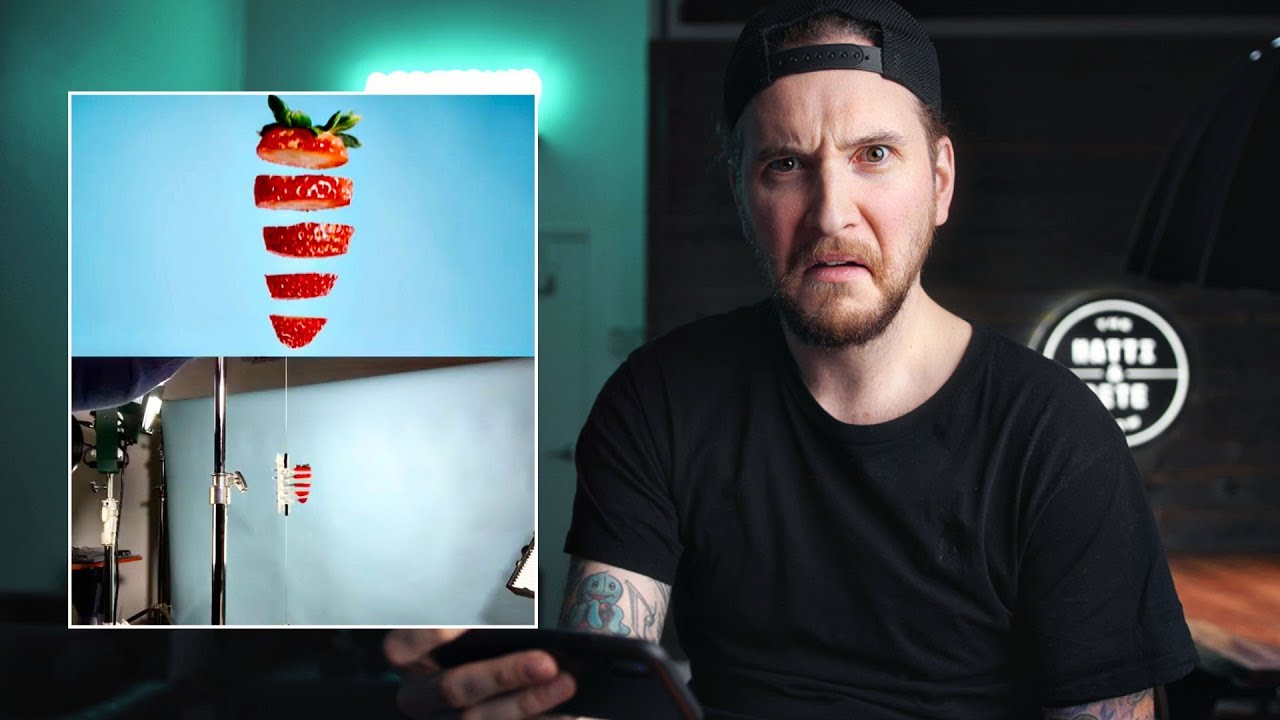
What Hollywood Camera Tricks Actually Teach Us About Thinking Creatively On Set

I’ve said it before and I’ll keep saying it: the most useful photography education doesn’t always come from photography. Some of the biggest shifts in how I think about framing, movement, and problem-solving on a shoot have come from watching how filmmakers work. Not because I’m trying to make movies, but because the constraints they deal with, and the creative solutions they invent, are directly transferable to any visual medium.