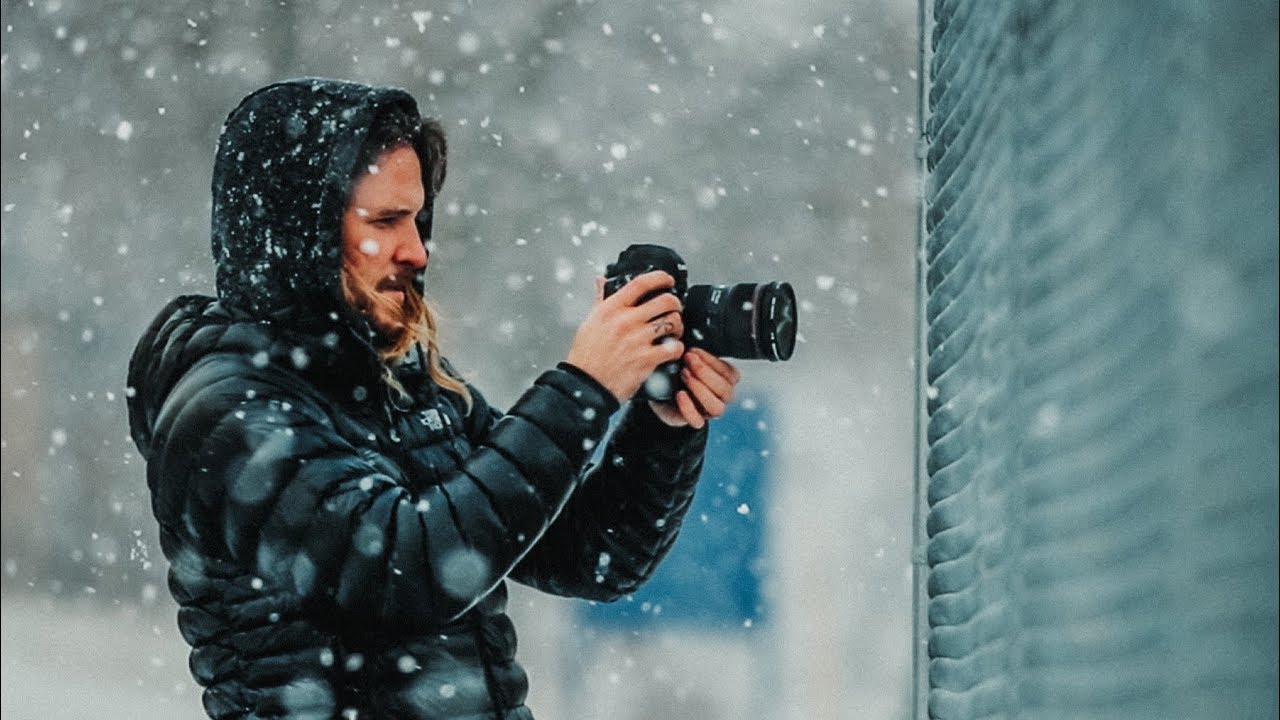
There’s a specific frustration that comes with shooting solo video content. You want dynamic, moving footage that feels alive, but you only have two hands and one body. Most workarounds are obvious on screen: the selfie-stick wobble, the GorillaPod on a bench, the static tripod shot that kills all energy. I’ve been shooting lifestyle and travel content long enough to know that audiences feel the difference between footage that flows and footage that was clearly one person doing their best with a bag of gear and no help.
That’s why I stopped mid-scroll when I came across this technique from Peter McKinnon. In Watch the full tutorial on YouTube, he breaks down what he calls a “camera trick” – but it’s really a sleight-of-hand technique borrowed from stage magic that creates the illusion of a floating, operator-less camera. The footage looks like you have a professional camera operator following you around. You don’t. You just need one other person, some coordination, and the confidence to let go.
This is one of those techniques that looks complicated until someone shows you the seam. Once you see how it works, you’ll start spotting it in vlogs everywhere, and you’ll immediately want to try it yourself.
Step 1: Establish the Scene with the Camera in Your Hands
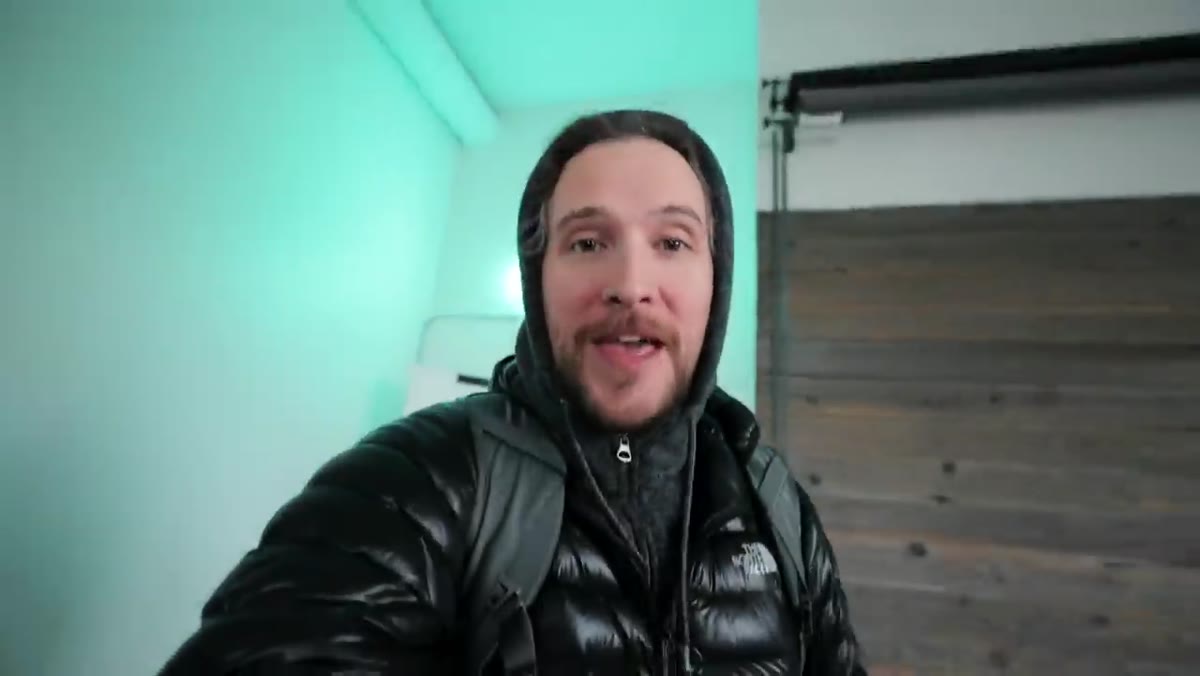 Peter walking into studio holding camera, appearing to film himself
Start by walking into your scene with the camera clearly in your hands. This is the setup for the whole illusion. Your audience needs to see you holding the camera so their brain logs it as fact: “okay, that person is filming themselves.” You’re creating an assumption you’ll later break without them realizing it.
Peter walking into studio holding camera, appearing to film himself
Start by walking into your scene with the camera clearly in your hands. This is the setup for the whole illusion. Your audience needs to see you holding the camera so their brain logs it as fact: “okay, that person is filming themselves.” You’re creating an assumption you’ll later break without them realizing it.
Don’t rush this moment. Give it five to ten seconds of normal, natural movement. Talk, look around, do whatever fits your scene. The goal is to make this feel like any other self-filmed clip, because that’s exactly what your viewer expects.
Step 2: Position a Second Person Just Out of Frame
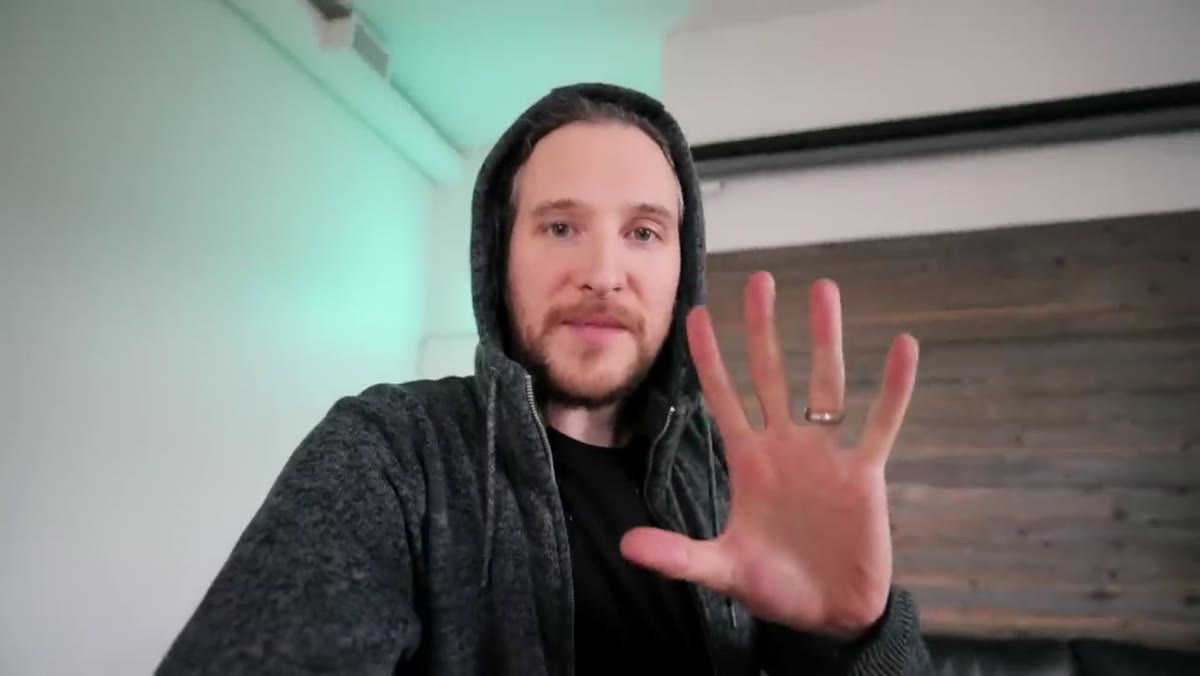 Behind-the-scenes angle showing hidden operator walking alongside Peter
Your accomplice, whether that’s a friend, a partner, or anyone willing to help for twenty minutes, needs to be close enough to reach the camera but completely invisible to the lens. In practice this means they’re walking just behind your shoulder or slightly to the side, staying below the camera’s frame line.
Behind-the-scenes angle showing hidden operator walking alongside Peter
Your accomplice, whether that’s a friend, a partner, or anyone willing to help for twenty minutes, needs to be close enough to reach the camera but completely invisible to the lens. In practice this means they’re walking just behind your shoulder or slightly to the side, staying below the camera’s frame line.
The positioning here is everything. Too far back and the handoff becomes a lurch. Too visible and you’ve broken the trick before it starts. Walk together a few times before you roll so you can find the natural distance. Think of it less like a camera handoff and more like a three-legged race: you’re moving as one unit.
Step 3: Execute the Handoff While Both of You Keep Moving
 Peter releasing camera mid-stride, operator maintains momentum
This is the heart of the technique, and it’s simpler than it sounds. While you’re both walking at the same pace, your partner reaches up and takes the camera. You let go. Neither of you stops moving. The camera continues traveling through space at the same speed and angle, so the footage shows no cut, no jolt, no evidence that anything changed.
Peter releasing camera mid-stride, operator maintains momentum
This is the heart of the technique, and it’s simpler than it sounds. While you’re both walking at the same pace, your partner reaches up and takes the camera. You let go. Neither of you stops moving. The camera continues traveling through space at the same speed and angle, so the footage shows no cut, no jolt, no evidence that anything changed.
The biggest mistake people make the first time is stopping when they hand off. Even a half-second pause creates a visual hitch that breaks the illusion. Commit to keeping your feet moving. You can slow down naturally a few steps later, but in the moment of the exchange, stay in motion.
Step 4: Talk with Your Hands and Move Freely
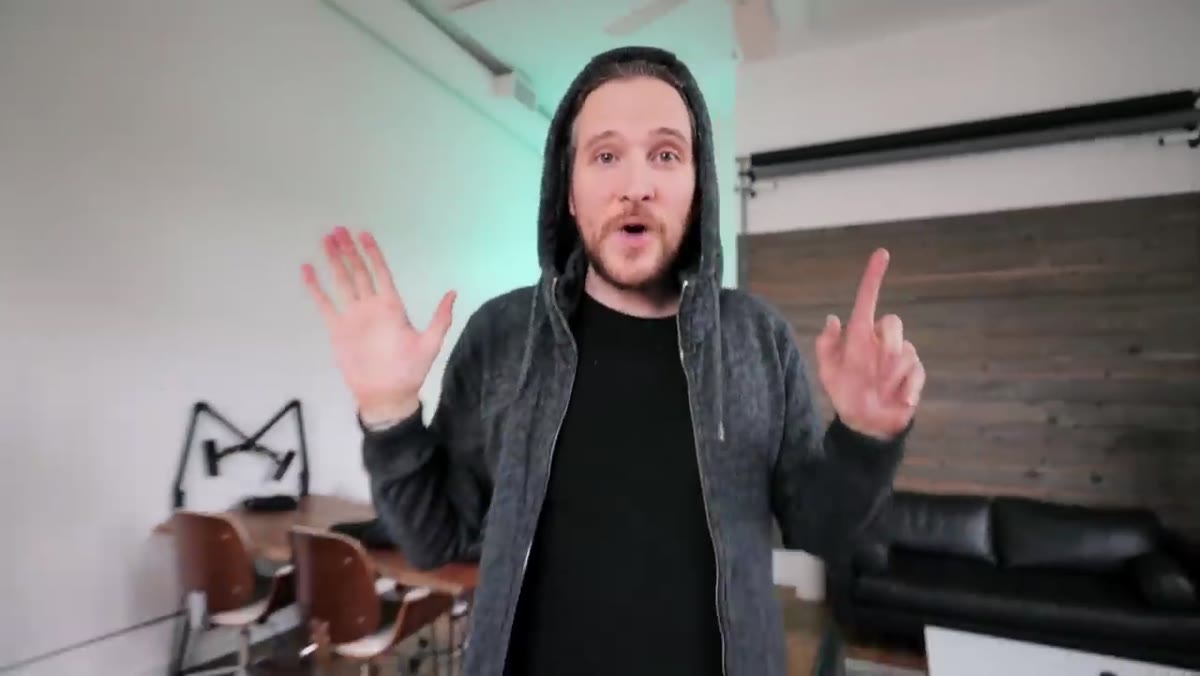
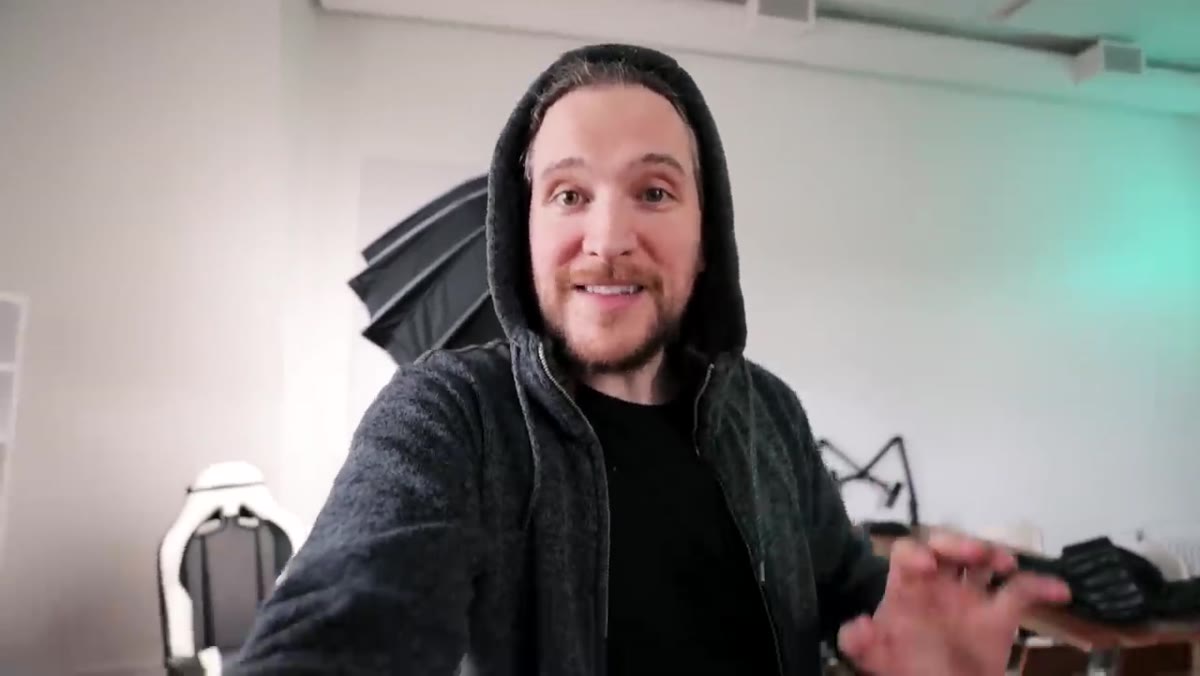 Peter gesturing naturally with both hands, camera floating beside him
Once your partner has the camera, you’re free. Both hands open, nothing to hold, no awkward grip to maintain. This is where the technique pays off most visibly, because now you can gesture naturally, turn to point at something, reach into a bag, whatever the scene calls for.
Peter gesturing naturally with both hands, camera floating beside him
Once your partner has the camera, you’re free. Both hands open, nothing to hold, no awkward grip to maintain. This is where the technique pays off most visibly, because now you can gesture naturally, turn to point at something, reach into a bag, whatever the scene calls for.
The footage at this point looks like a camera operator is tracking you at eye level. Because technically, one is. The difference is your viewer has already decided you’re alone in the frame, so their brain fills in a different explanation. That cognitive gap is what Peter means when he calls this a magic trick. You didn’t hide anything. You just gave the audience incorrect information at the start and let them draw their own conclusion.
Step 5: Do the 360 Spin (Optional but Impressive)
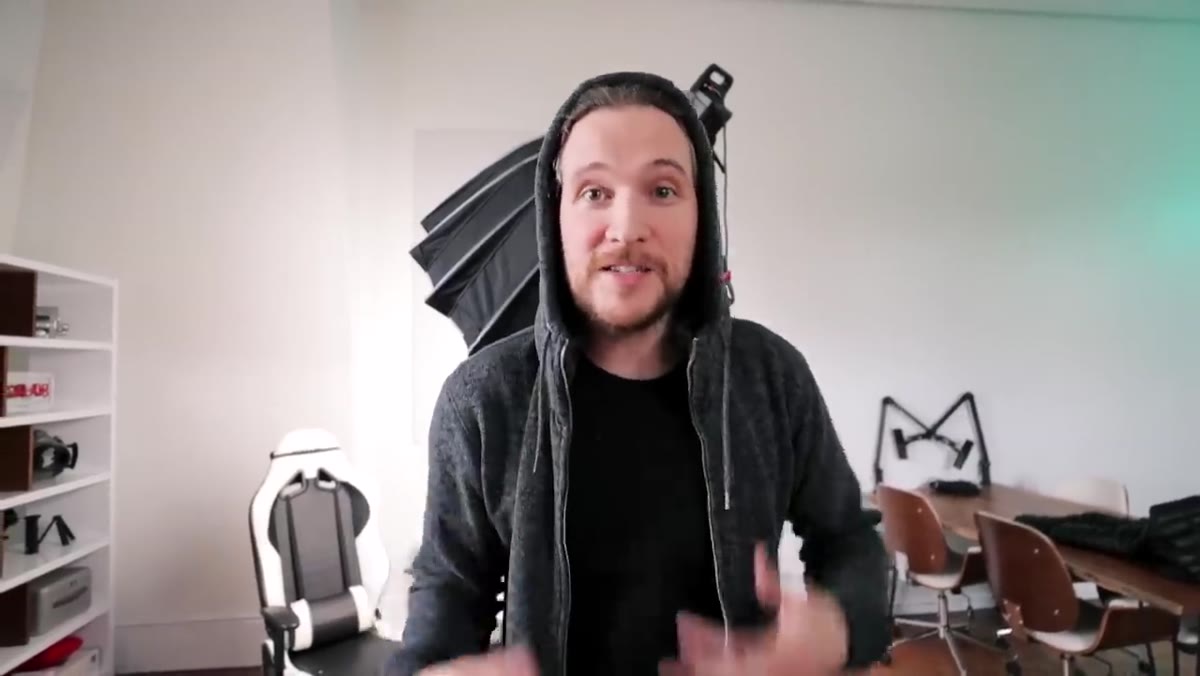 Peter spinning in place while operator rotates below camera frame
Once you’re comfortable with the basic handoff, you can add the spin. Turn in a full circle while your partner rotates with you, staying crouched or angled so they remain below frame throughout the rotation. The result is footage that shows you completely surrounded by your environment with no camera operator in sight, which looks genuinely cinematic.
Peter spinning in place while operator rotates below camera frame
Once you’re comfortable with the basic handoff, you can add the spin. Turn in a full circle while your partner rotates with you, staying crouched or angled so they remain below frame throughout the rotation. The result is footage that shows you completely surrounded by your environment with no camera operator in sight, which looks genuinely cinematic.
The key detail here is that your partner needs to move at the same speed you do through the entire rotation, not faster, not slower. Practice the spin twice before shooting it for real. If they lag behind even slightly, the camera will swing and the movement will feel uncontrolled.
Step 6: Hand the Camera Back or Let the Shot End
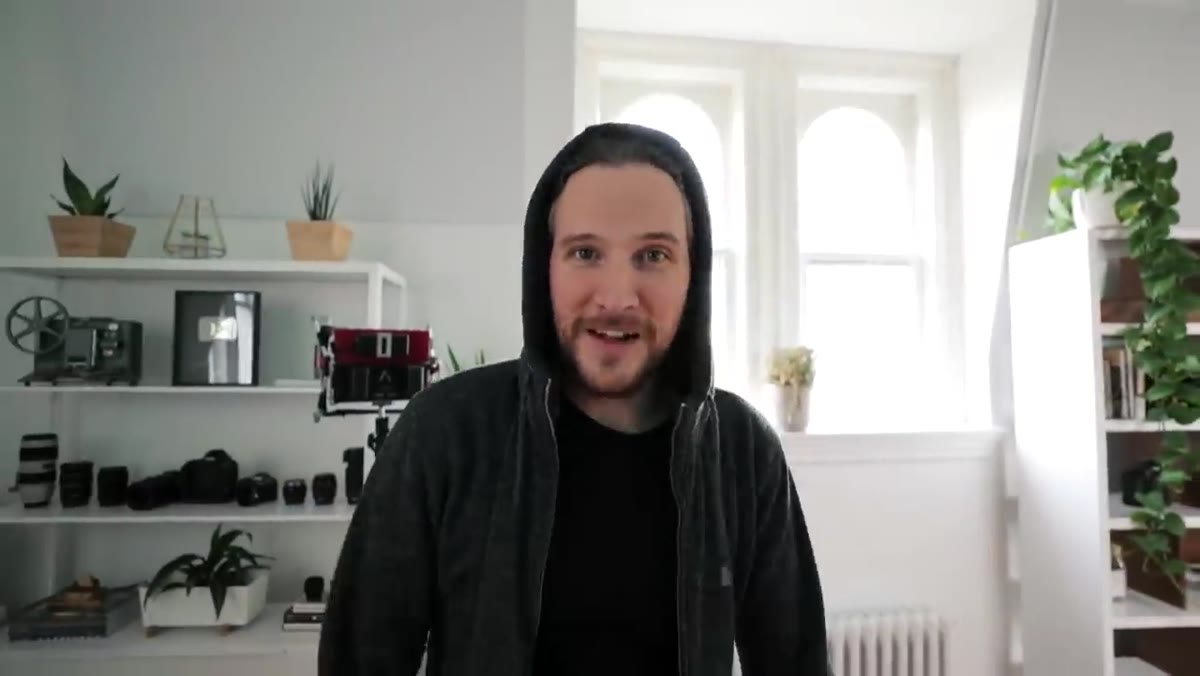 Peter casually reclaiming camera mid-movement with no visible break in footage
You can reclaim the camera the same way you handed it off: mid-movement, both of you walking, clean exchange. Or you can let the shot end with you walking out of frame entirely, which is another strong visual that implies a crew filmed your exit.
Peter casually reclaiming camera mid-movement with no visible break in footage
You can reclaim the camera the same way you handed it off: mid-movement, both of you walking, clean exchange. Or you can let the shot end with you walking out of frame entirely, which is another strong visual that implies a crew filmed your exit.
If you’re reclaiming it, resist the urge to look down at the camera when you grab it. Keep your eyeline natural and let your hands find it by feel. Looking at the handoff draws the viewer’s attention directly to the one moment you don’t want them examining closely.
What I’d Add From My Own Experience
I tried a version of this on a Sunday morning photo walk through Pike Place Market, using my phone instead of a camera, and it still worked. The technique isn’t camera-dependent. What matters is consistent movement speed and keeping your partner’s hands below the frame line.
One practical addition: have your partner wear dark or neutral clothing. If their hands or arms catch light near the edge of frame, it becomes harder to crop them out in the edit if needed. It’s a small thing, but it’s saved me twice from a shot that almost worked.
Also, brief your partner on your walking pace before you roll. Everyone has a natural stride length and speed, and if yours don’t match, the camera will bob in a way that reads as amateur even if the handoff itself is clean. Two minutes of walking together before you shoot makes the difference between footage that looks intentional and footage that just looks unstable.
The single most useful thing this technique gives you is the appearance of intention. Footage that moves with purpose, that tracks a subject confidently, that captures space in a way that feels considered – that’s what separates video content that holds attention from video content that gets scrolled past. You don’t need a crew to create that feeling. You need one other person, a clear handoff, and the discipline to keep walking.
Watch the full tutorial on YouTube to see Peter demonstrate each phase in real time. Watching the behind-the-scenes camera angle he cuts to mid-video is what finally made the mechanics click for me.
Comments
Leave a Comment