How to Photograph Minimalist Landscapes When There's Almost Nothing to Shoot

How to Photograph Minimalist Landscapes When There's Almost Nothing to Shoot

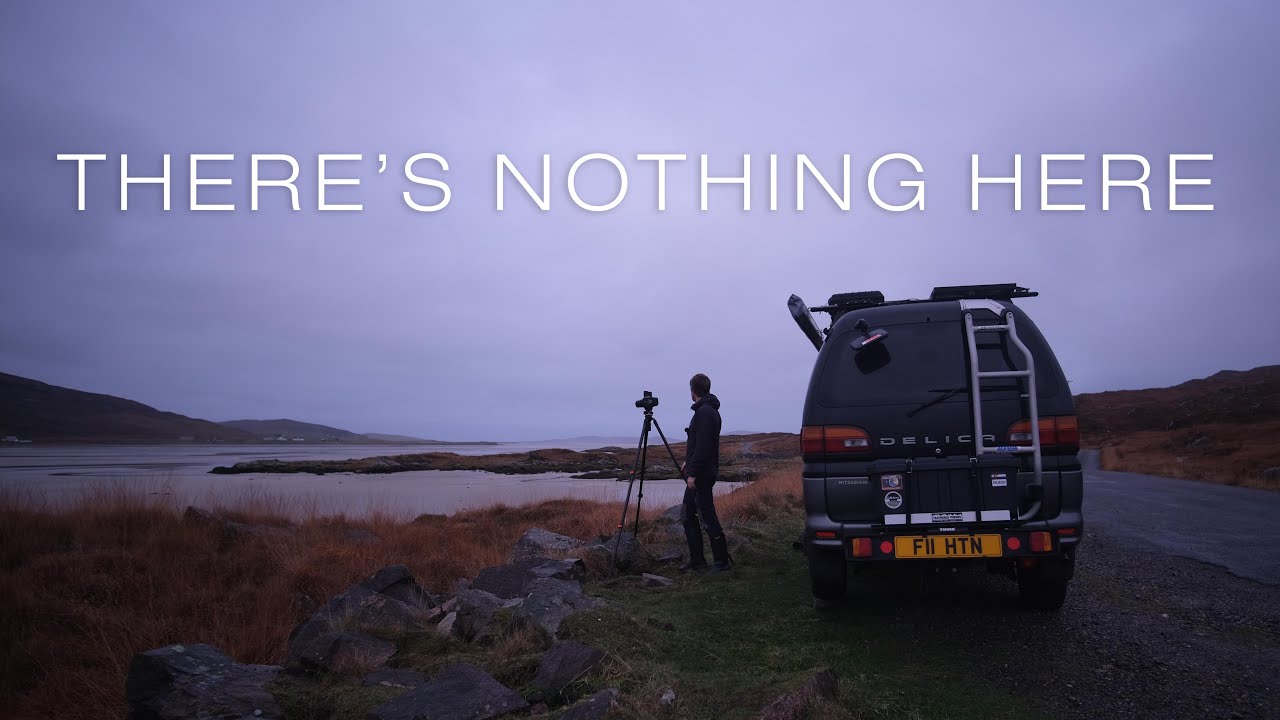
There’s a specific kind of morning that used to send me straight back to the car. Flat light, no obvious subject, the kind of scene where your eyes keep scanning and finding nothing to grab onto. I used to chalk those mornings up as losses. Now I treat them as a different kind of challenge, and honestly, some of my favorite work has come from exactly those conditions. In this Thomas Heaton tutorial, he wakes up in his van on the Scottish coast to overcast skies and a wide tidal estuary at low tide.
How to Photograph Wildlife in a Landscape (Without Sacrificing Either)

How to Photograph Wildlife in a Landscape (Without Sacrificing Either)

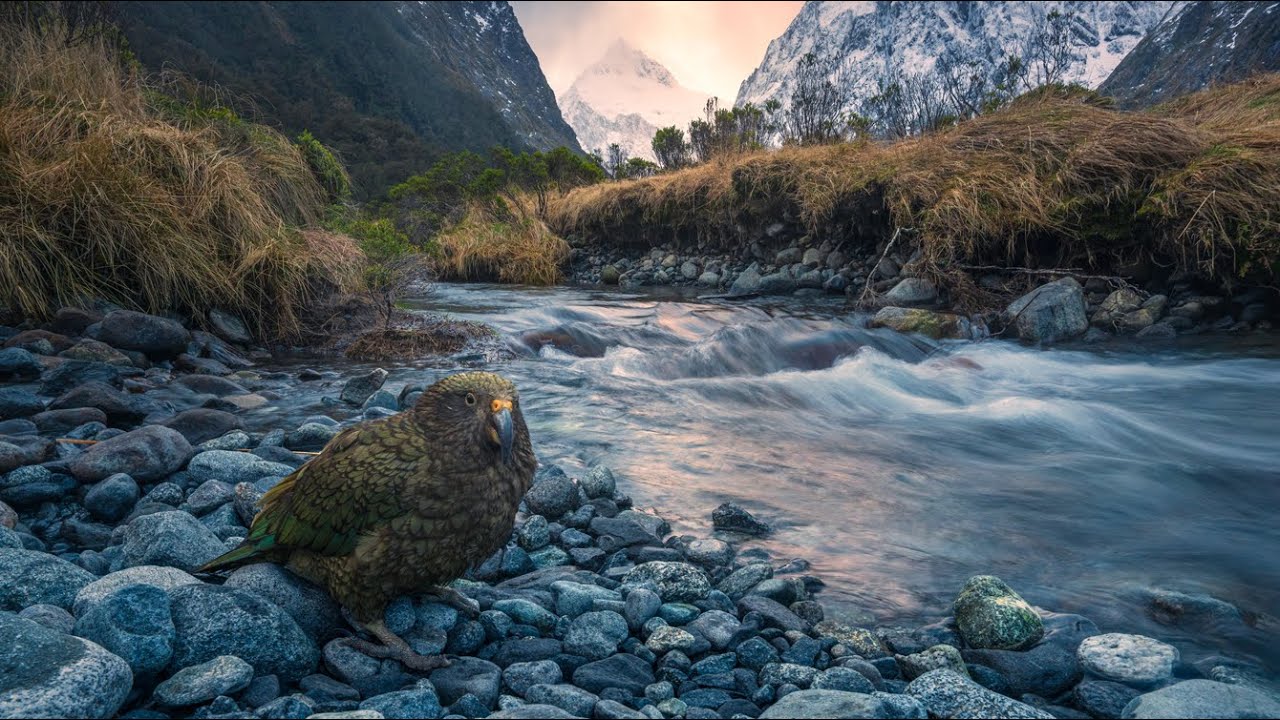
Every landscape photographer eventually faces this problem: you spend an hour composing the perfect shot, and then something living walks into the frame and ruins your plan. Or, if you’re lucky, it makes your plan ten times better. The difference between those two outcomes usually comes down to whether you’ve thought about wildlife as a compositional element before the animal shows up, not after. That’s the core lesson I took from this William Patino tutorial filmed during his encounters with kea, the world’s only alpine parrot, in the New Zealand mountains.

How to Photograph Wildflowers in Moody Weather (Lessons from a New Zealand Lupine Shoot)

How to Photograph Wildflowers in Moody Weather (Lessons from a New Zealand Lupine Shoot)

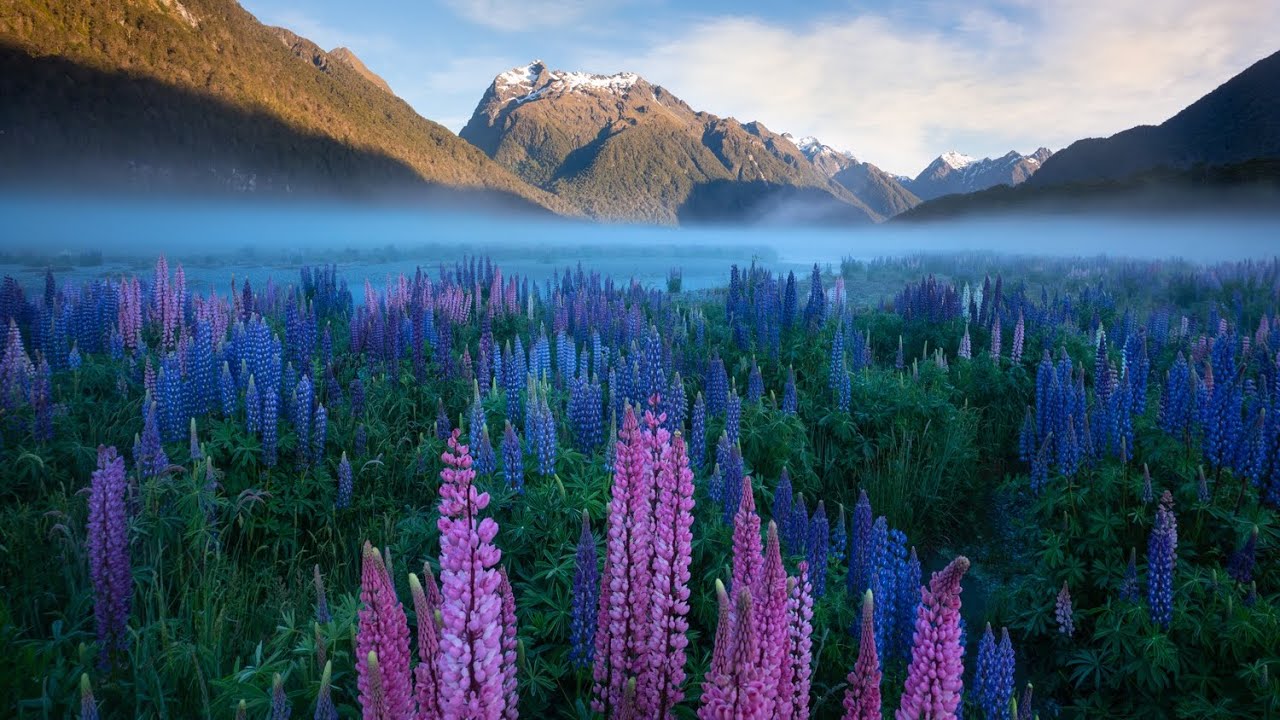
There’s a specific kind of morning I used to talk myself out of. Sky looks rough, the light seems flat, and staying in bed feels like the rational choice. It wasn’t until I started studying how working landscape photographers actually make decisions in the field that I realized how much I was leaving on the table by waiting for “perfect” conditions. In this William Patino tutorial shot in New Zealand’s South Island, he walks through a full lupine photography session that starts in fog and near-darkness and ends with a rainbow hanging over a mountain range.

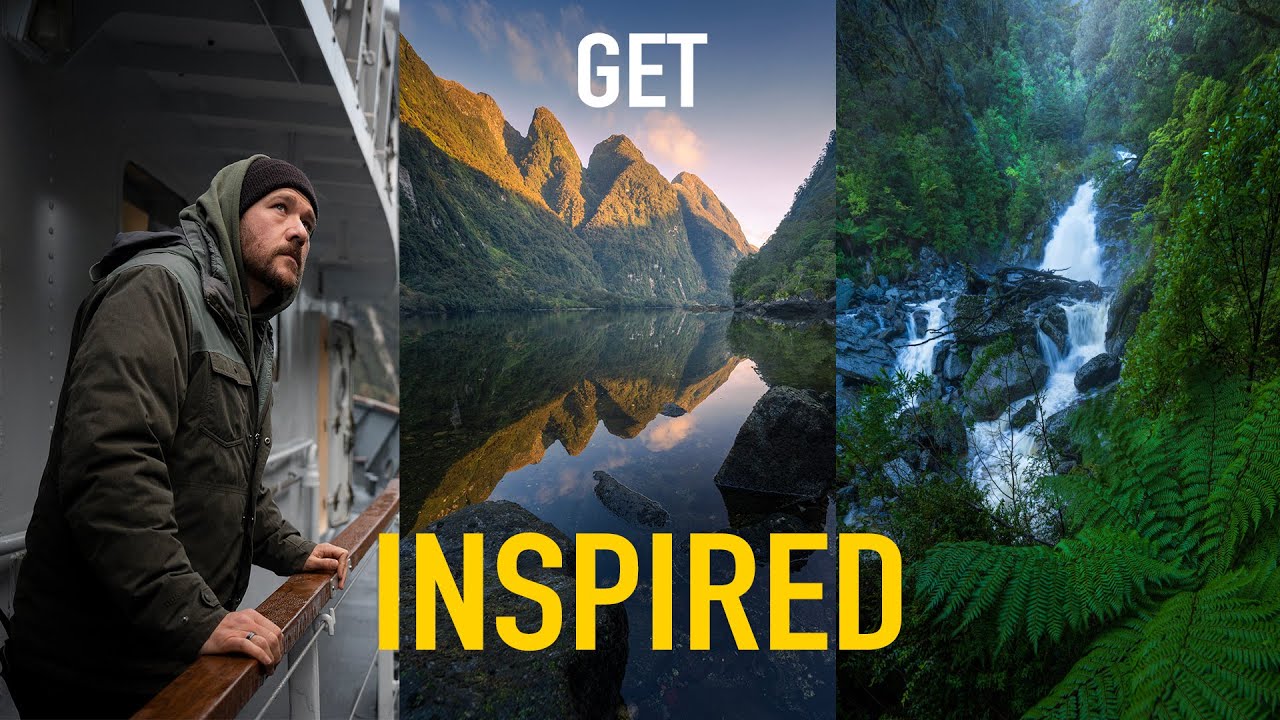
How to Read a Landscape and React to the Light: Lessons from a Fiordland Boat Expedition

How to Read a Landscape and React to the Light: Lessons from a Fiordland Boat Expedition

There’s a trap a lot of photographers fall into on location, myself included: waiting for the “perfect” conditions before picking up the camera. Clear skies, golden hour, no wind. I spent an entire vacation once chasing a single waterfall shot in the Cascades, convinced I needed ideal light. I missed dinner three nights in a row and came home with maybe two frames I actually liked. What I should have been doing was working with whatever the landscape was handing me.

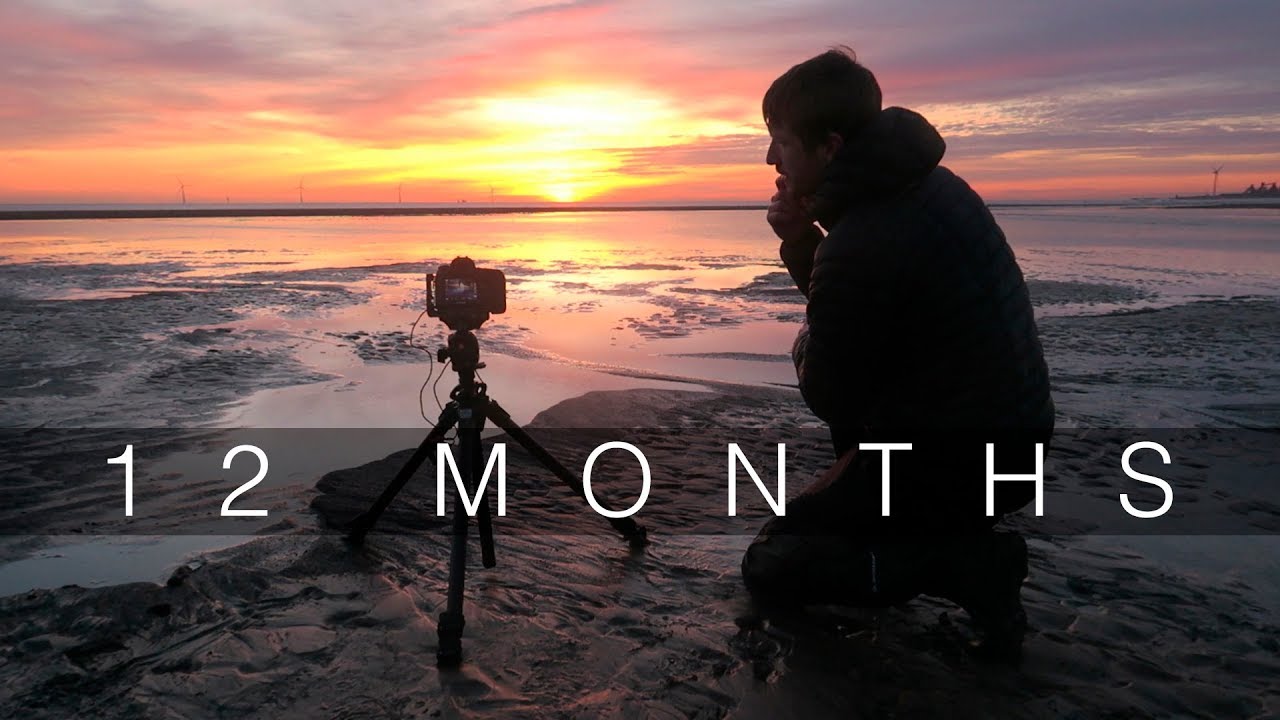
How to Shoot a Year's Worth of Keepers: Lessons from Thomas Heaton's Behind-the-Scenes Calendar Project

How to Shoot a Year's Worth of Keepers: Lessons from Thomas Heaton's Behind-the-Scenes Calendar Project

There’s a particular kind of pressure that comes with committing to a long-term photography project. I felt it when I challenged myself to shoot a “best of the year” collection for the first time - suddenly every outing felt like it either counted or didn’t, and I started second-guessing compositions I would have just shot freely before. What I needed wasn’t more gear advice. I needed to see how a working landscape photographer actually makes decisions in the field, across different locations, different seasons, different light.

The 4-Step Composition Process That Changed How I Read a Scene

The 4-Step Composition Process That Changed How I Read a Scene

Every Sunday morning I do a photo walk. No agenda, no client, no pressure. Just me, whatever camera I feel like grabbing, and whatever Seattle decides to look like that day. And for years, I would show up to a location, pull out my camera within about 30 seconds, and start shooting. I thought I was being efficient. What I was actually doing was skipping the most important part. I came across a tutorial by landscape photographer Mark Denney where he breaks down his four-step process for finding and building a strong composition on location.