How to Shoot Cinematic B-Roll at Home Using Props You Already Own

How to Shoot Cinematic B-Roll at Home Using Props You Already Own

I used to think compelling b-roll required a real location. A coffee shop with perfect window light, a forest trail, a market with interesting textures. For a long time I dragged myself out every Sunday morning on photo walks partly because I genuinely believed I couldn’t create anything worth looking at from my apartment. Then I watched Peter McKinnon set up what looked like an Indiana Jones scene on a desk using fake plants, dollar-store coins, and a lazy Susan, and I had to rethink everything.
How to Make Everyday Objects Look Extraordinary: 4 Still Life Photography Tips Worth Stealing

How to Make Everyday Objects Look Extraordinary: 4 Still Life Photography Tips Worth Stealing

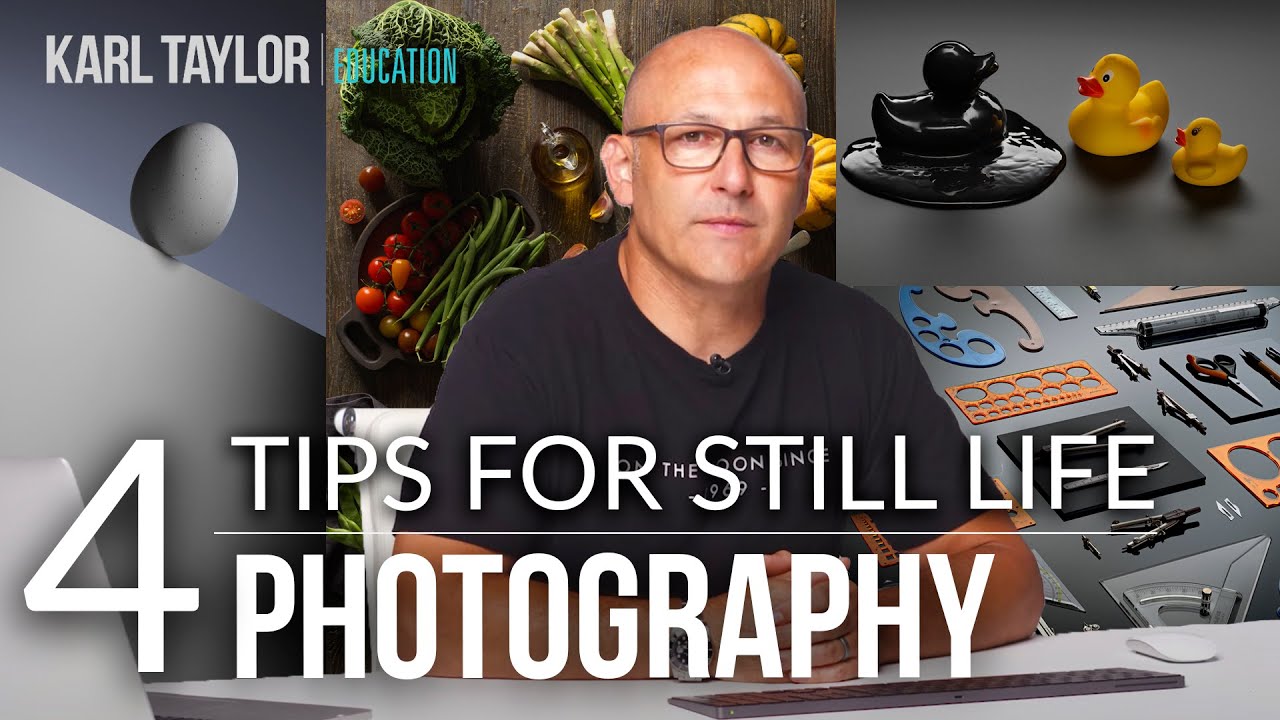
There’s a basket of oranges on my kitchen counter right now. Most mornings I walk past it without a second glance. But every now and then, I catch the light hitting one of them at a certain angle and I think, “That’s a shot.” Still life photography does that to you. It rewires how you see the ordinary. I came across this Watch the full tutorial on YouTube from Visual Education a while back, and it stuck with me because it doesn’t oversell the genre.

The Floating Object Photo Trick: A Complete Beginner's Guide (No Magic Needed)

The Floating Object Photo Trick: A Complete Beginner's Guide (No Magic Needed)

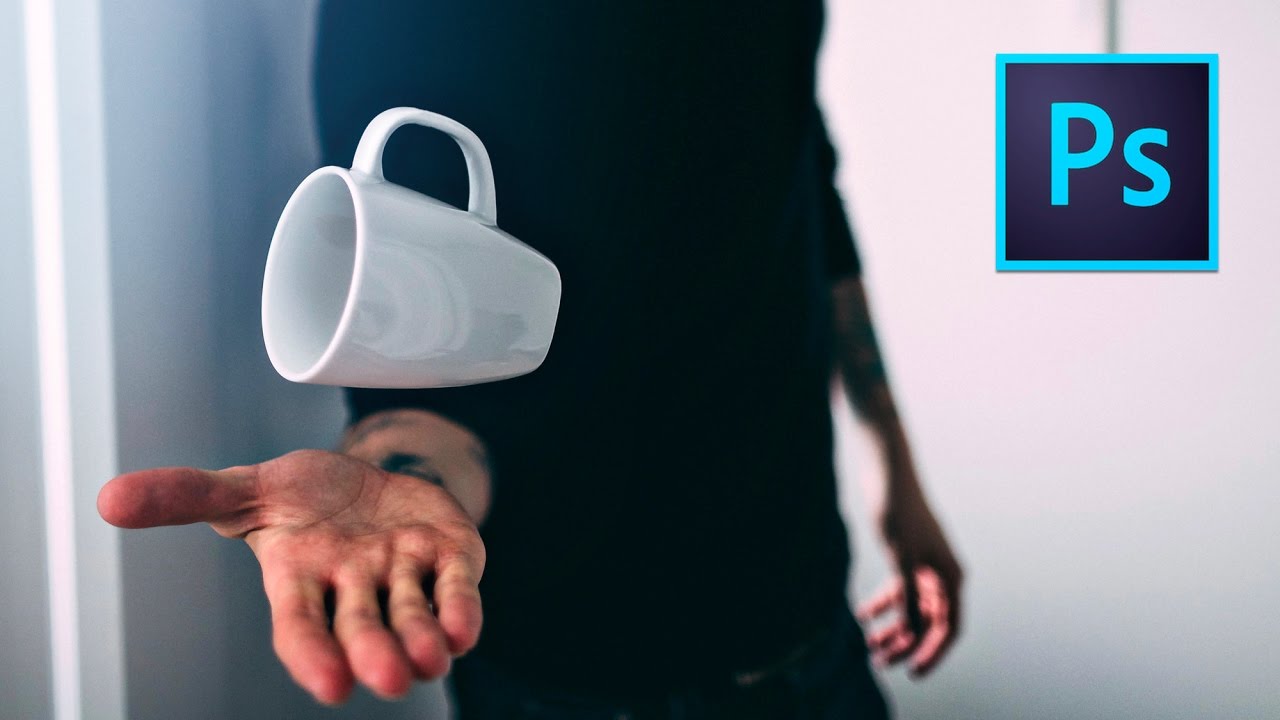
There’s a category of photo that stops thumbs mid-scroll. You’ve seen them: a coffee mug hovering in mid-air, a book suspended at a perfect angle, a jacket floating like its owner just vanished. I used to assume those shots required a full studio setup, an assistant, and some proprietary knowledge I hadn’t earned yet. Turns out the whole trick fits in a grocery bag and takes about an hour from setup to finished file.

How to Composite Fake Backgrounds Into Your Photos Using Photoshop (And Why You Shouldn't Feel Guilty About It)

How to Composite Fake Backgrounds Into Your Photos Using Photoshop (And Why You Shouldn't Feel Guilty About It)

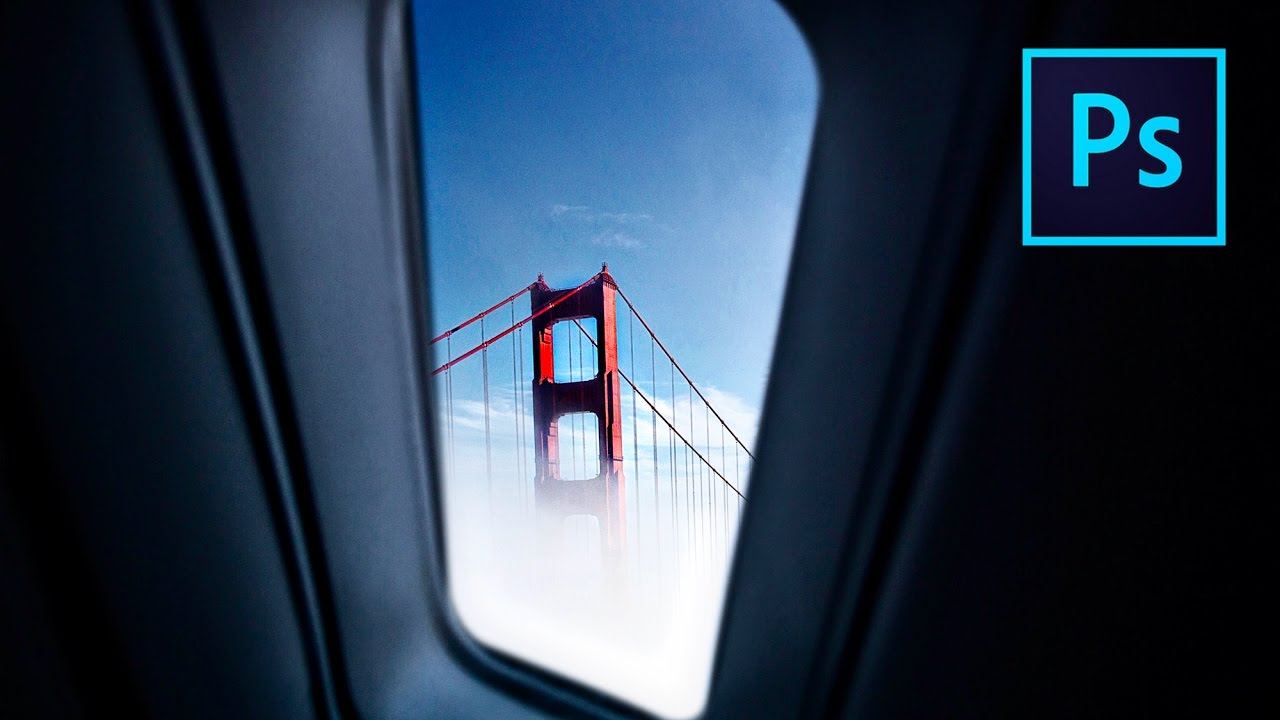
Every Sunday morning I do a photo walk around Seattle, and I come back with about two hundred shots. Maybe ten of them are genuinely interesting. A handful have great light but a cluttered background. A few have a compelling subject and a completely dead sky. For years I either published the mediocre version or deleted the file entirely. It took watching other photographers talk openly about compositing for me to realize there was a third option.

Hollywood Camera Tricks You Can Actually Pull Off (Without a Film Crew)

Hollywood Camera Tricks You Can Actually Pull Off (Without a Film Crew)

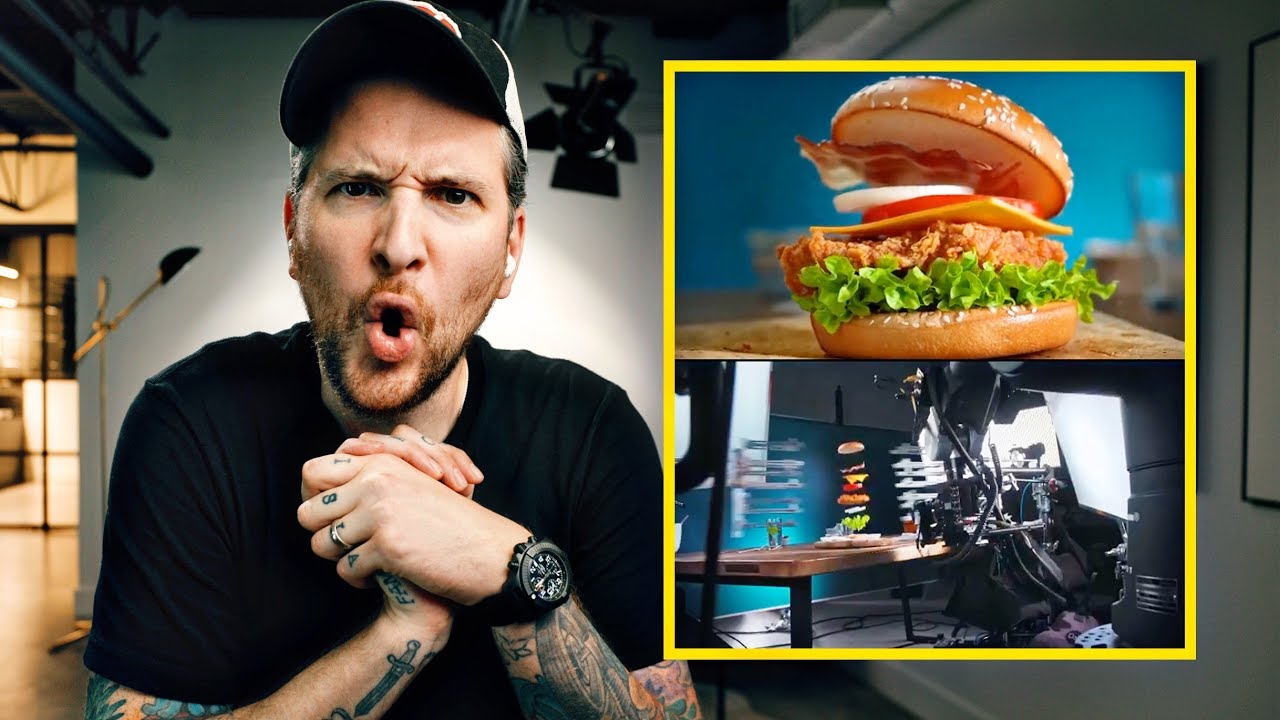
I used to think seamless transitions and those looping, reality-bending shots were the exclusive territory of production houses with six-figure budgets. Then I started paying closer attention to what working filmmakers were doing on Instagram with a slider, a phone, and a lot of intentional planning. That gap between “Hollywood magic” and “something I can actually try this Sunday” turned out to be much smaller than I assumed. In this Peter McKinnon tutorial, Watch the full tutorial on YouTube, Peter reacts to a collection of behind-the-scenes clips sent in by his community, breaking down how specific visual tricks are actually executed.

How to Use Flash Triggers and Sound Sensors to Finally Capture Split-Second Moments

How to Use Flash Triggers and Sound Sensors to Finally Capture Split-Second Moments

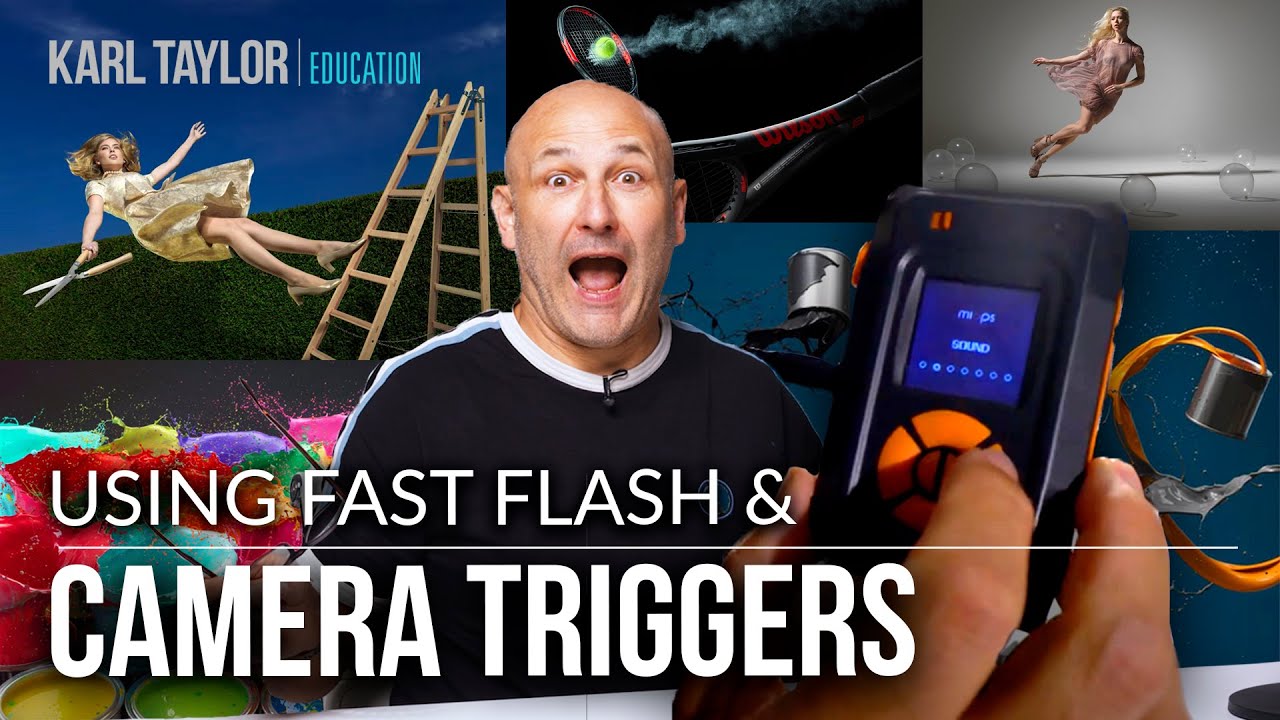
There’s a specific kind of frustration that lives in action photography. You press the shutter at exactly the right moment - or so you thought - and the image either shows nothing happening yet or the moment has already passed. I’ve been there more times than I want to count. The problem isn’t your reflexes, necessarily. It’s that human reaction time has a ceiling, and physics doesn’t care about your creative vision.