How to Give Your Digital Footage That Super 8mm Home Video Soul

How to Give Your Digital Footage That Super 8mm Home Video Soul

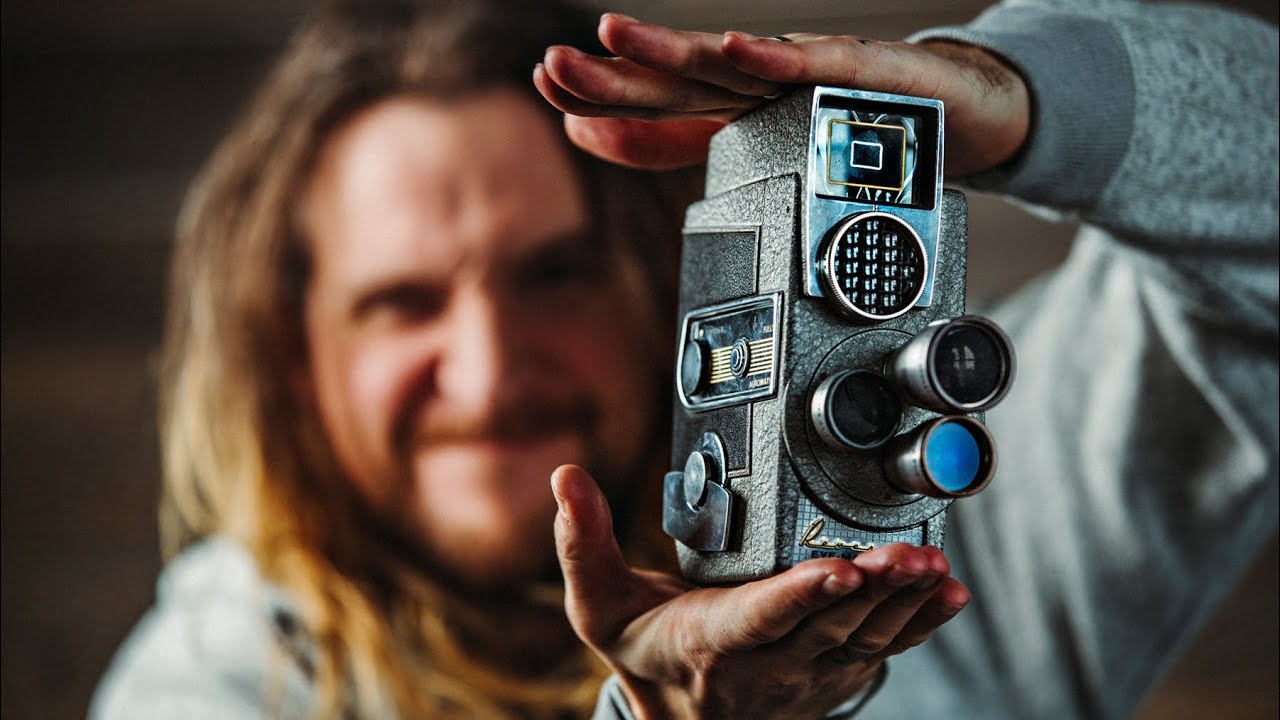
Every few months I get a message from someone asking how I made a particular video look “old.” Not degraded or broken, but warm and human, like something pulled from a shoebox of tapes your dad labeled with a Sharpie in 1987. I never had a clean answer until I sat down with this Peter McKinnon tutorial on faking the Super 8mm film look with digital cameras. Watch the full tutorial on YouTube

Master Exposing to the Left to Unlock Better Photo Quality

Master Exposing to the Left to Unlock Better Photo Quality

Master “Exposing to the Left” to Unlock Better Photo Quality When I first heard photographers talking about “exposing to the left,” I’ll admit I was confused. It sounded mysterious and unnecessarily complicated. But after diving deeper into this exposure strategy, I realized it’s actually one of the most practical tools available to improve your final images—especially if you shoot in RAW format. What Does “Exposing to the Left” Actually Mean? Let me break this down simply.

Hollywood Camera Tricks You Can Actually Pull Off (Without a Film Crew)

Hollywood Camera Tricks You Can Actually Pull Off (Without a Film Crew)

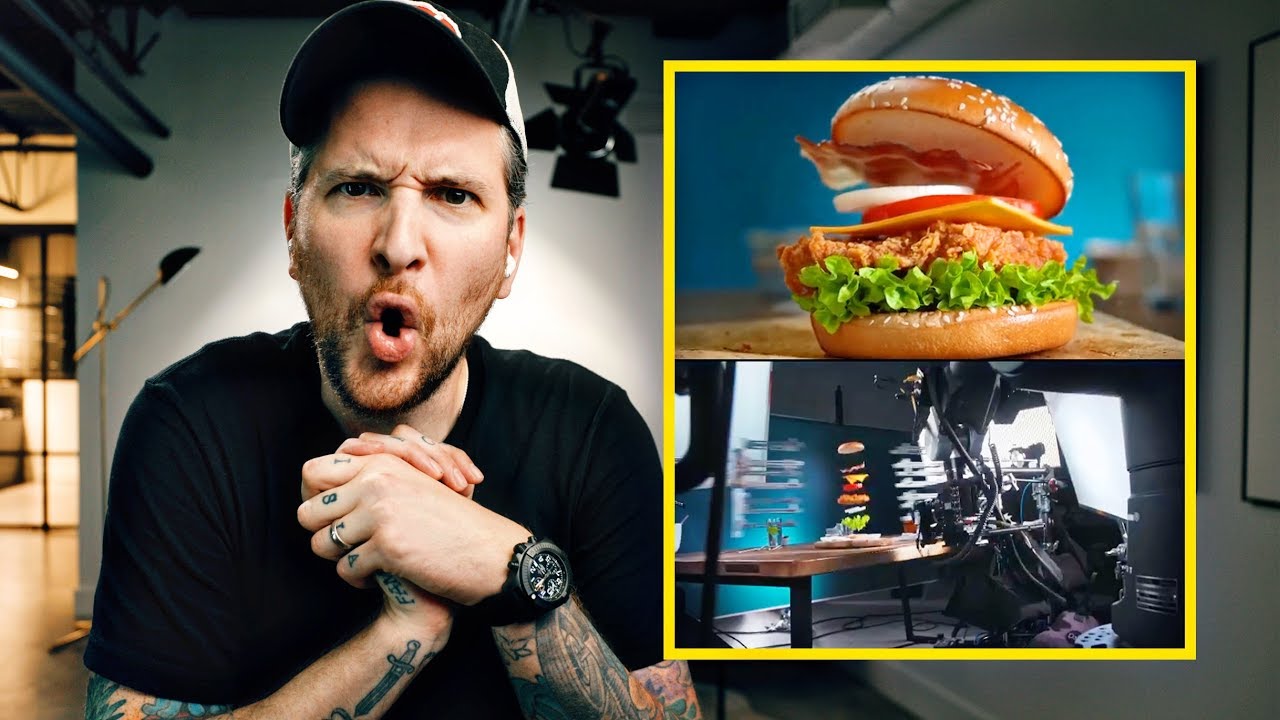
I used to think seamless transitions and those looping, reality-bending shots were the exclusive territory of production houses with six-figure budgets. Then I started paying closer attention to what working filmmakers were doing on Instagram with a slider, a phone, and a lot of intentional planning. That gap between “Hollywood magic” and “something I can actually try this Sunday” turned out to be much smaller than I assumed. In this Peter McKinnon tutorial, Watch the full tutorial on YouTube, Peter reacts to a collection of behind-the-scenes clips sent in by his community, breaking down how specific visual tricks are actually executed.

How to Use Flash Triggers and Sound Sensors to Finally Capture Split-Second Moments

How to Use Flash Triggers and Sound Sensors to Finally Capture Split-Second Moments

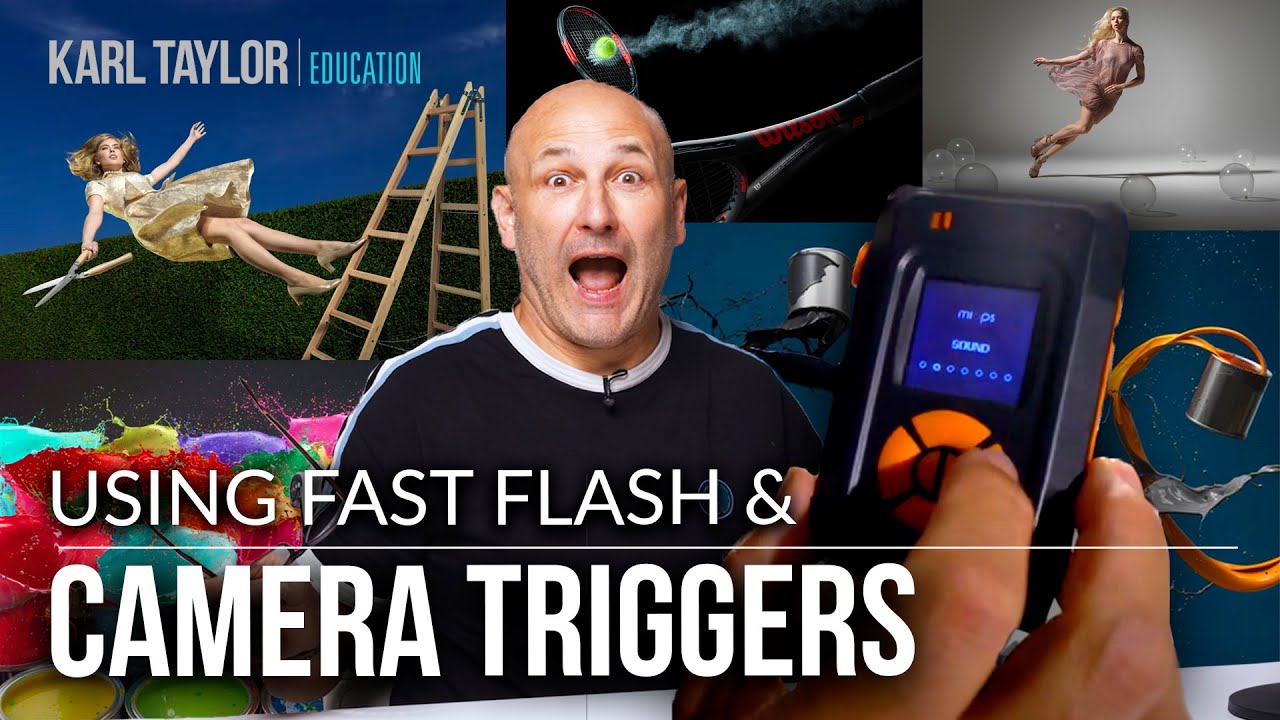
There’s a specific kind of frustration that lives in action photography. You press the shutter at exactly the right moment - or so you thought - and the image either shows nothing happening yet or the moment has already passed. I’ve been there more times than I want to count. The problem isn’t your reflexes, necessarily. It’s that human reaction time has a ceiling, and physics doesn’t care about your creative vision.

Tiny Camera, Unexpected Angles: What the Insta360 GO 3S Taught Me About Thinking Small

Tiny Camera, Unexpected Angles: What the Insta360 GO 3S Taught Me About Thinking Small

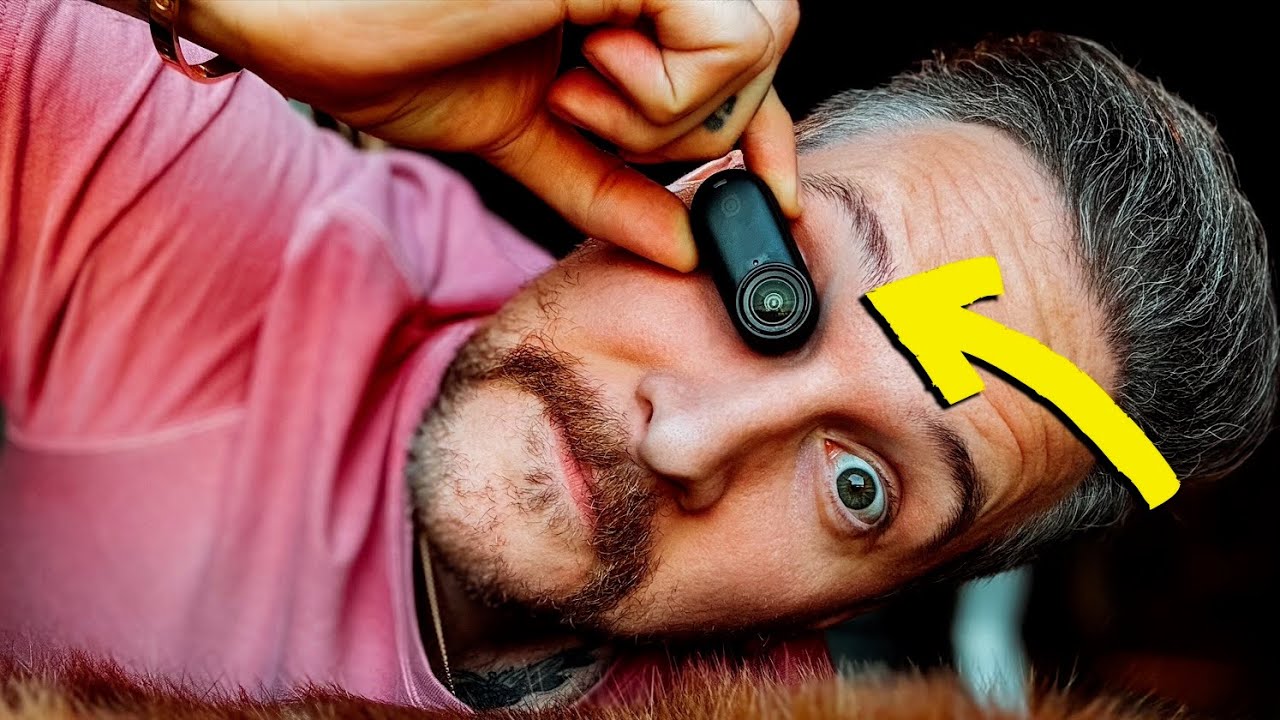
I have a confession: I spent years dismissing action cameras as “sports gear.” Helmet cams, surfboard mounts, skydiving footage. Not my world. Then I started noticing how a handful of filmmakers were using these tiny cameras to pull off shots that a full-sized rig simply cannot do, and I had to rethink everything. The size isn’t a limitation. It’s the whole point. In this Peter McKinnon tutorial covering the Insta360 GO 3S, Watch the full tutorial on YouTube, McKinnon doesn’t just walk through specs.

Defining Image Quality: What Really Matters in Your Photography

Defining Image Quality: What Really Matters in Your Photography

Defining Image Quality: What Really Matters in Your Photography When I started my photography journey, I quickly realized that “good image quality” means completely different things to different photographers. A photojournalist prioritizes something entirely different from a wedding photographer, who has different needs than a landscape artist. This fundamental truth deserves deeper exploration. The Complexity of Quality Image quality isn’t a single, objective measurement. It’s a combination of technical factors and personal artistic vision.