How to Make Your Wildlife Subject Pop: The Flip the Scene Editing Trick

How to Make Your Wildlife Subject Pop: The Flip the Scene Editing Trick

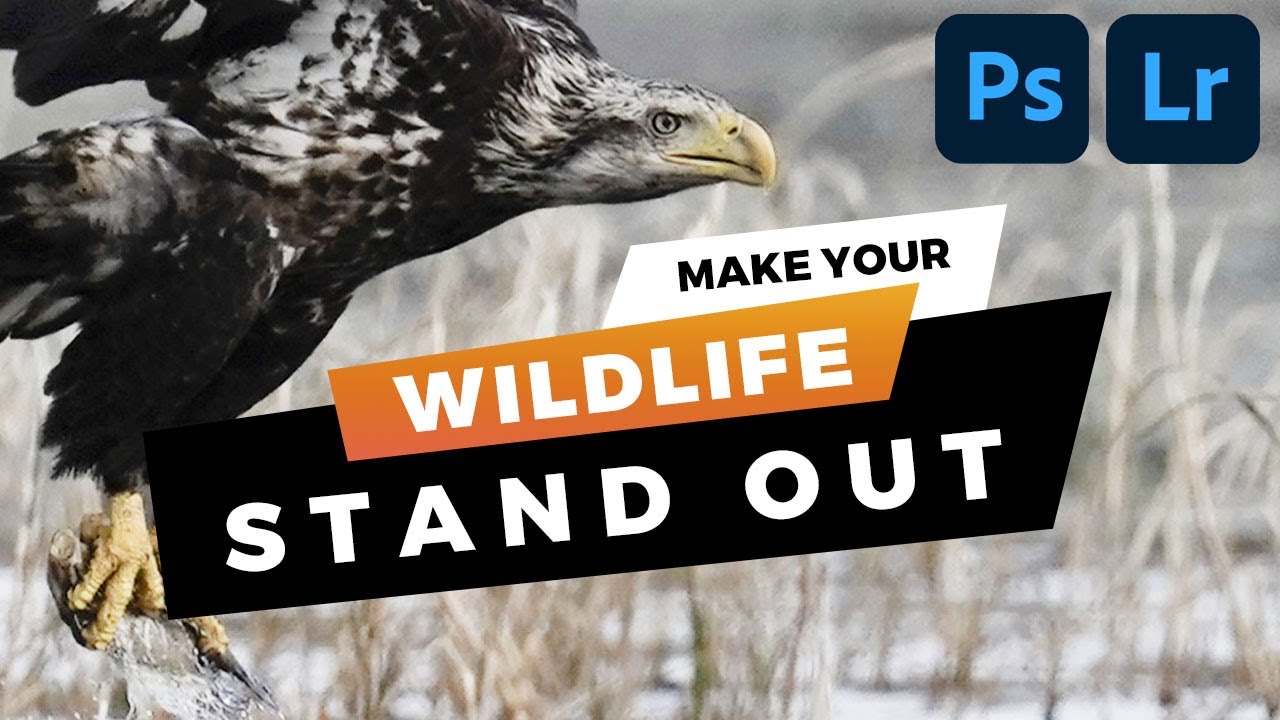
Every Sunday morning I take a photo walk around whatever corner of Seattle I land in, and if there’s one problem I’ve carried with me from shoot to shoot over the years, it’s this: I come home with a wildlife shot where the bird or animal looks muddy and flat against a background that’s somehow brighter and busier than the subject itself. It’s frustrating because you know the moment was good.
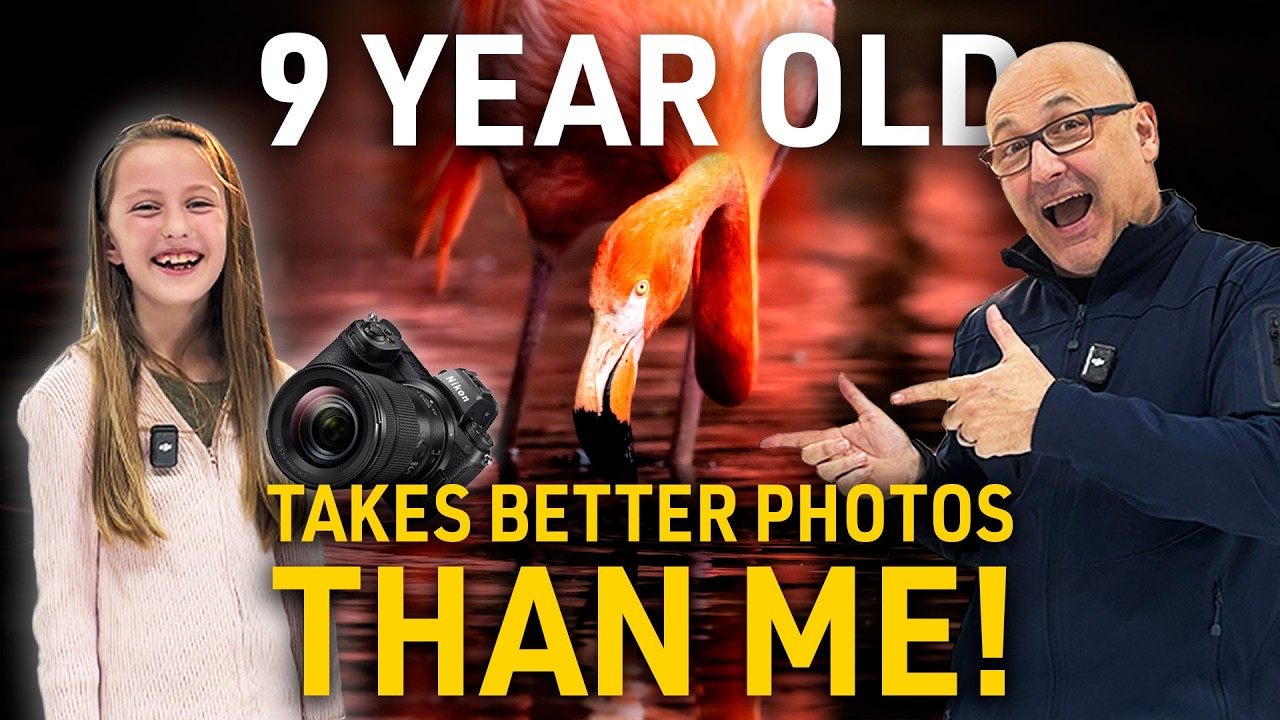
What a 9-Year-Old Award-Winning Wildlife Photographer Can Teach You About Seeing

What a 9-Year-Old Award-Winning Wildlife Photographer Can Teach You About Seeing

Every now and then I come across someone who reminds me why I fell in love with photography in the first place. Not a gear review, not a Lightroom preset drop. Just someone who actually sees. I was doing my Sunday morning photo walk when I fell down a rabbit hole and found this Visual Education tutorial with host Kyle Taylor interviewing Jamie Smart, a nine-year-old who had just won the 2025 Young British Wildlife Photographer of the Year.

How to Shoot and Edit a Bird Photo From Start to Finish (What I Learned From a Real-Time Walkthrough)

How to Shoot and Edit a Bird Photo From Start to Finish (What I Learned From a Real-Time Walkthrough)

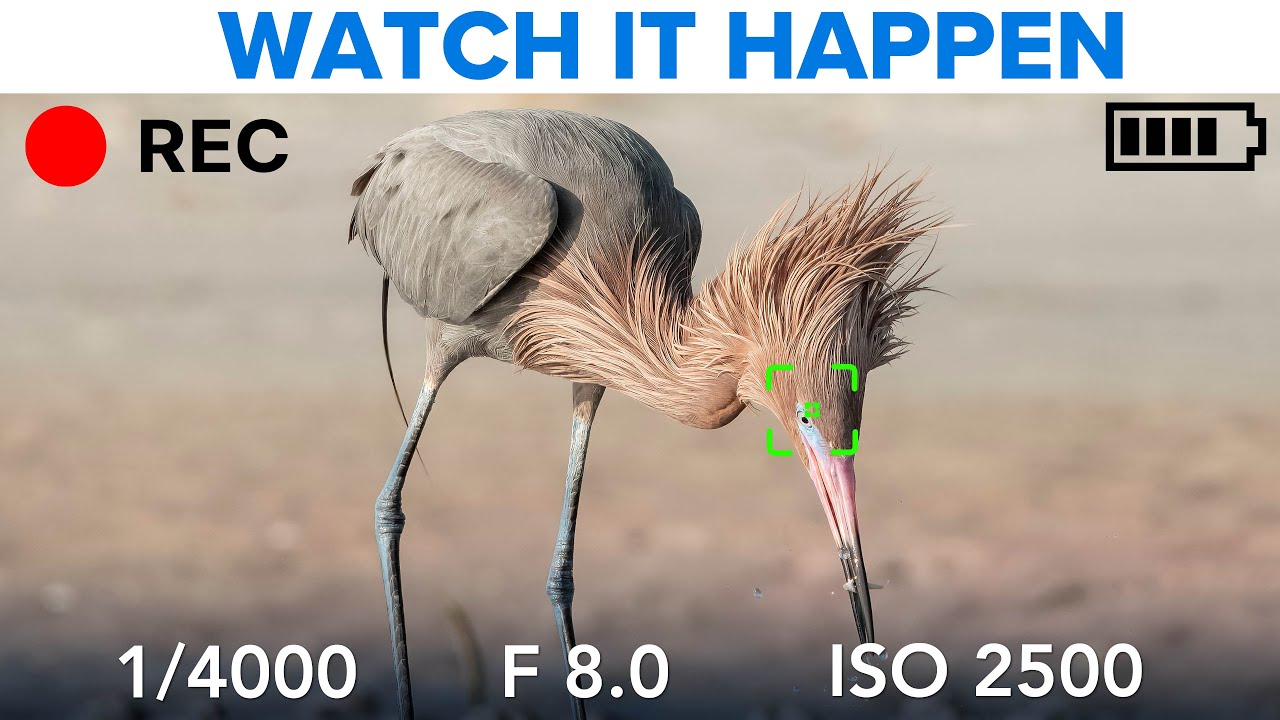
Bird photography has a way of humbling you fast. You set up, you wait, the bird does something incredible, and you come home with a card full of motion blur and missed focus. For a long time I thought I was just unlucky. Turns out, I was underprepared. What helped me most wasn’t another article about focal lengths. It was watching a working photographer actually shoot in real time, with their screen visible and their decision-making narrated out loud.

What Australian Wildlife Photography Taught Me About Seizing the Perfect Shot

What Australian Wildlife Photography Taught Me About Seizing the Perfect Shot

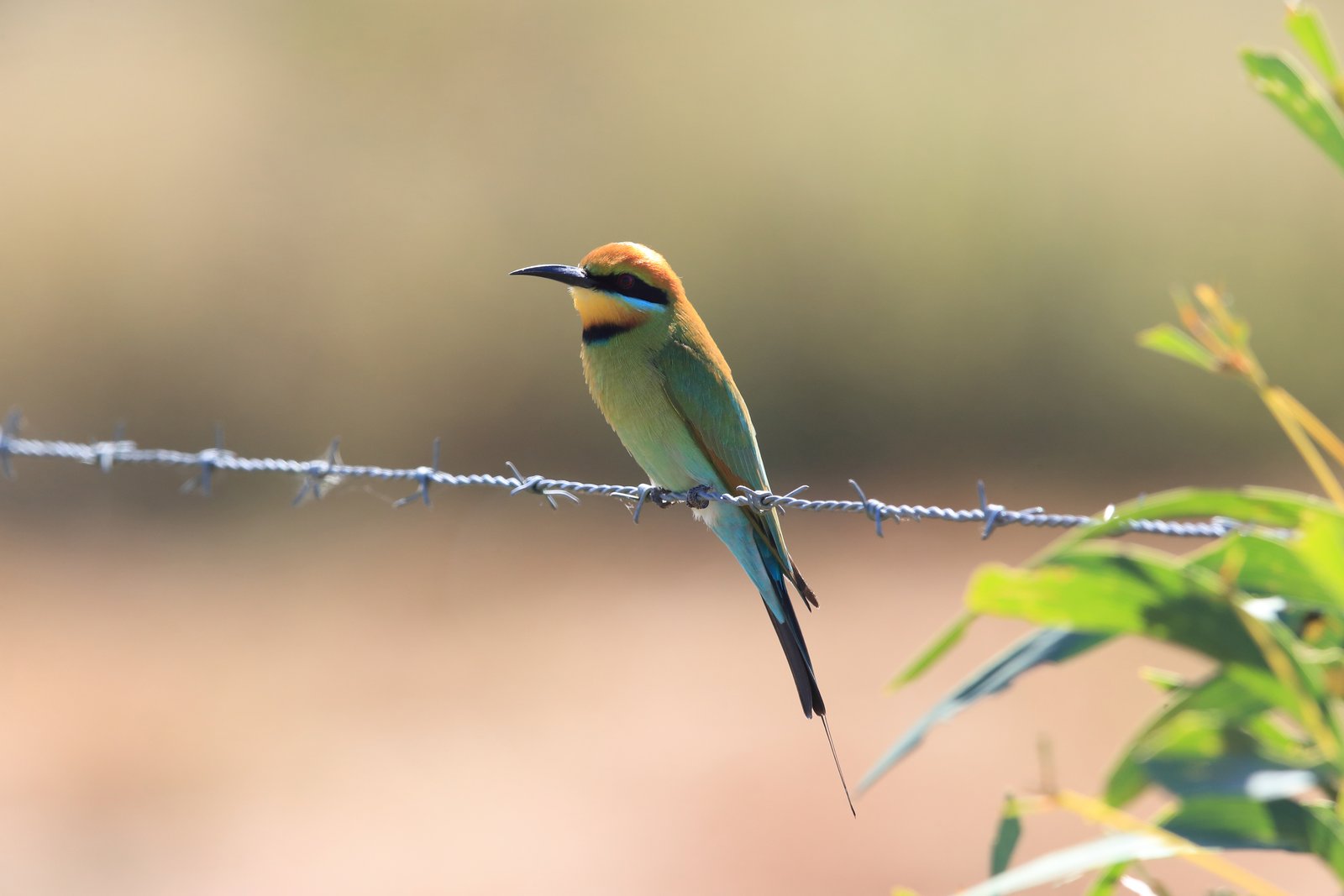
Learning from Nature’s Most Unpredictable Subjects I recently returned from an extended photography expedition across Australia, where I spent weeks documenting the country’s remarkable bird species. While the experience yielded stunning images, the real value came from the unexpected lessons these creatures taught me about fundamental photography principles. Wildlife photography, particularly with birds, forces you to confront one of the hardest truths in our craft: you cannot always control your subject or the moment.

Why Your Bird Photos Look Crooked (And the Water-Level Fix That Changes Everything)

Why Your Bird Photos Look Crooked (And the Water-Level Fix That Changes Everything)

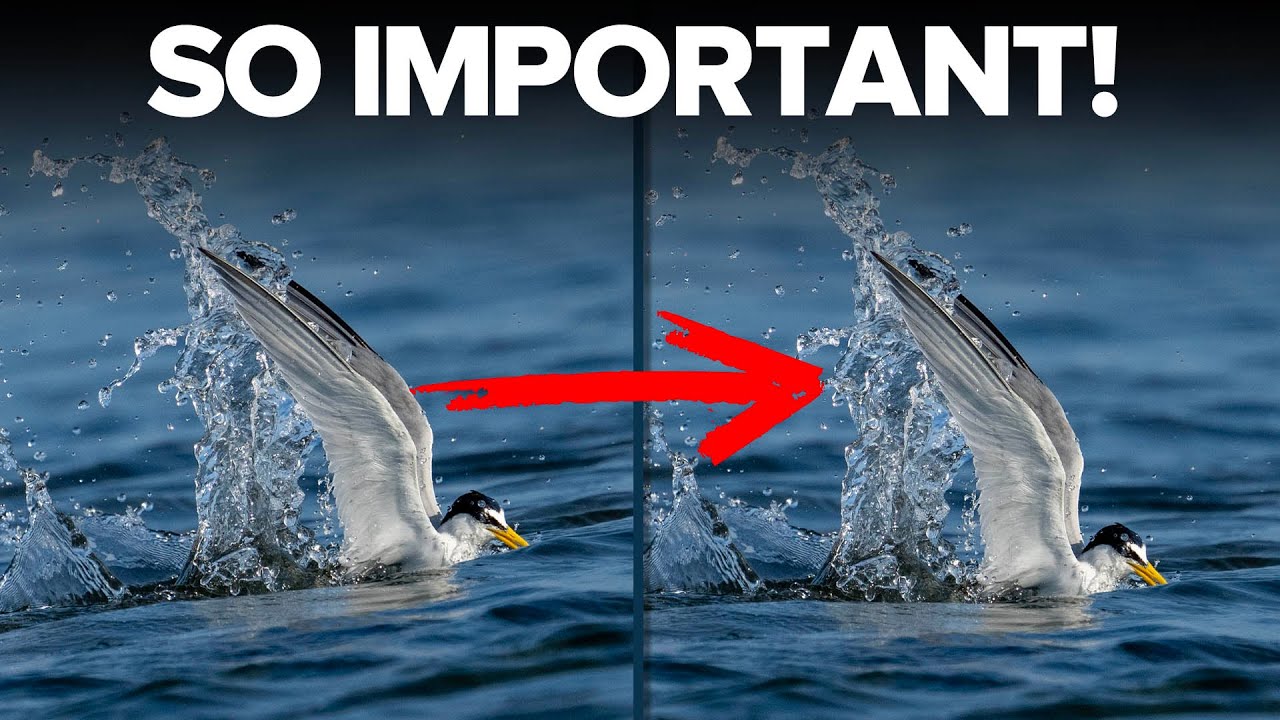
Every Sunday morning I’m out walking with my camera, and shorebirds near the water are some of my favorite subjects. I’ve spent more Sunday mornings than I’d like to admit standing at the edge of Puget Sound, thrilled with a shot in the field, only to get home and feel like something is subtly off about the image. The bird is sharp. The light is good. But the whole frame feels like it’s sliding to one side.

Why Most of Your Wildlife Photos Fail (And the Field Habits That Actually Fix It)

Why Most of Your Wildlife Photos Fail (And the Field Habits That Actually Fix It)

Every Sunday morning I do a photo walk around my neighborhood in Seattle, and I cannot tell you how many times I’ve come home with nothing worth keeping. Not because the light was bad or the subject wasn’t there, but because I wasn’t actually ready when the moment showed up. My card was slow, my battery was half dead, or I was so busy thinking about settings that the heron I’d been watching for twenty minutes just… left.